
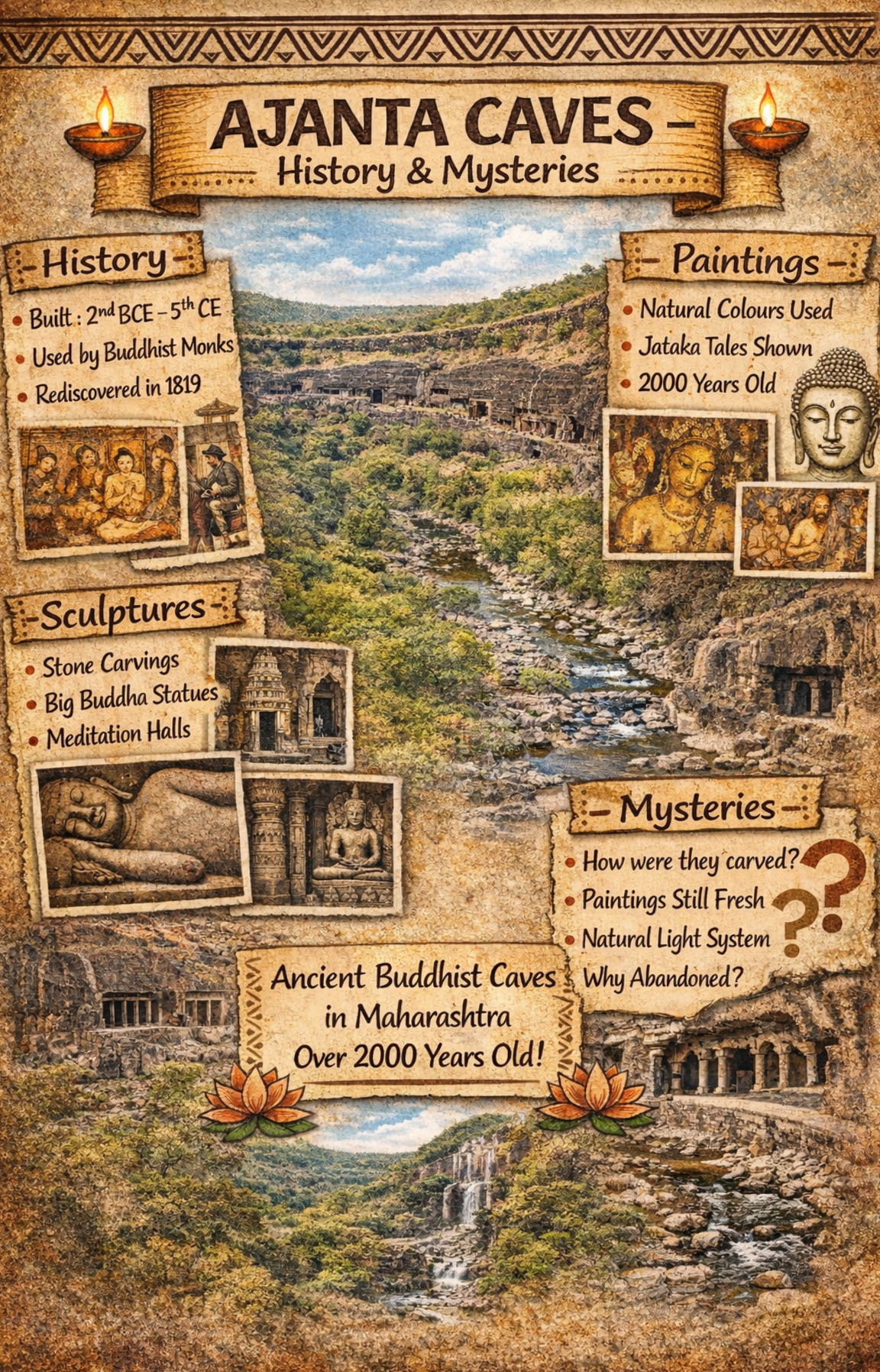
The Ajanta Caves are one of India’s most visited historical and cultural attractions, drawing thousands of domestic and international tourists each year. Renowned for their ancient Buddhist paintings, sculptures, and rock-cut architecture, the caves offer visitors a unique opportunity to experience India’s rich artistic and spiritual heritage. Nestled amidst the scenic hills of the Waghora River valley in Maharashtra, the caves combine natural beauty with historical significance, making them a must-visit destination for history enthusiasts, art lovers, photographers, and pilgrims.
Contents
History of Ajanta Caves:
2nd Century BCE – Beginning of Construction:
The construction of the Ajanta Caves began during the rule of the Satavahana dynasty. Early Buddhist monks carved simple rock-cut prayer halls (chaityas) and monasteries (viharas) into the cliffs of the Waghora River valley.
Early Buddhist Phase (2nd Century BCE – 1st Century BCE):
The earliest caves followed the Hinayana tradition of Buddhism, where worship focused on symbolic representations such as stupas rather than statues of Buddha.
Period of Decline:
After the initial phase of construction, work on the caves slowed down, and the site remained relatively inactive for several centuries.
5th Century CE – Golden Age of Ajanta:
The caves were revived during the reign of the Vakataka dynasty, especially under King Harishena (c. 460–478 CE). This period saw the creation of magnificent sculptures, monasteries, and colorful murals.
(Also Read: Ujjain: Mahakal Nagari: The Famous City of Madhya Pradesh )
Rise of Mahayana Buddhism:
During the Vakataka period, Mahayana Buddhism became influential, leading to the creation of large Buddha statues and elaborate artistic decorations.
Center of Buddhist Learning:
Ajanta became an important center for Buddhist monks who used the caves for meditation, religious studies, teaching, and spiritual practices.
Creation of Famous Paintings:
Artists decorated the caves with murals depicting the Jataka Tales, scenes from Buddha’s life, royal courts, traders, musicians, animals, and everyday life in ancient India.
7th Century CE – Abandonment of the Caves:
With the decline of Buddhism in the region, the Ajanta Caves gradually lost their importance and were abandoned.
Centuries of Being Hidden:
The caves remained covered by forests and were forgotten for nearly a thousand years.
1819 – Rediscovery:
The caves were accidentally rediscovered by John Smith, a British army officer, while he was hunting in the area.
19th and 20th Century – Archaeological Study:
Historians, archaeologists, and art experts began studying and preserving the caves, recognizing their exceptional artistic and historical value.
1983 – UNESCO Recognition:
The Ajanta Caves were declared a UNESCO World Heritage Site for their outstanding Buddhist art, architecture, and cultural importance.
Present Day:
Today, the Ajanta Caves are one of India’s most important heritage monuments, attracting visitors, researchers, and art lovers from around the world.
(Also Read: Khajuraho Travel Guide: A Journey Through India’s Finest Temple Architecture )
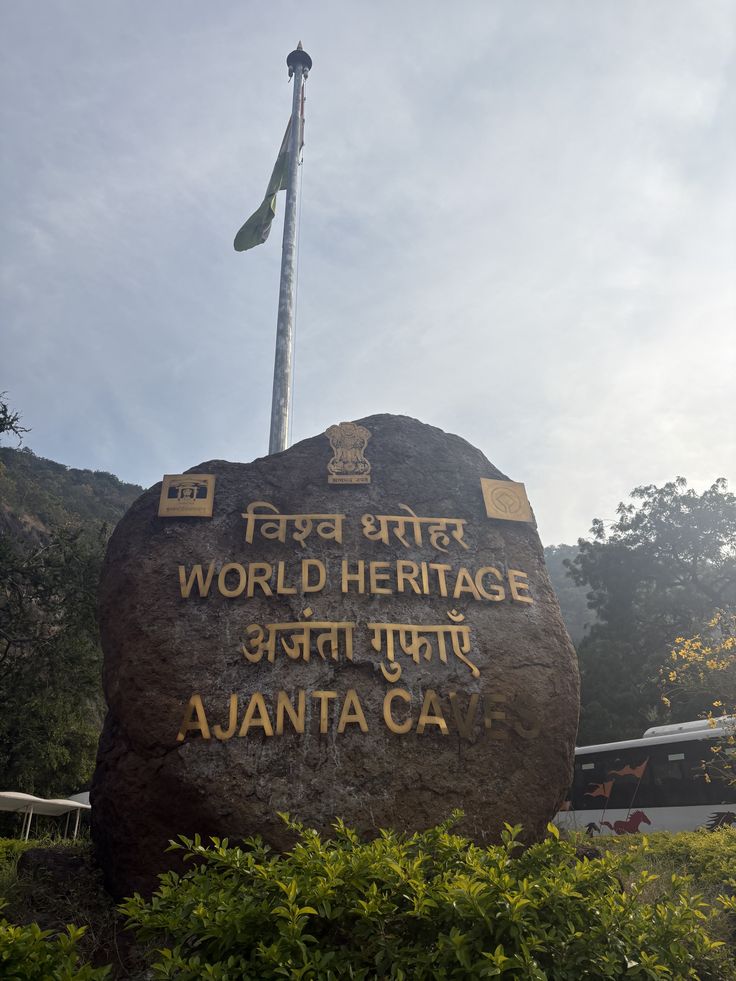
Why Visit the Ajanta Caves?
The Ajanta Caves are famous for their exceptional murals, intricately carved sculptures, and impressive rock-cut monasteries. Visitors can explore prayer halls (chaityas), residential monasteries (viharas), and beautifully decorated caves that showcase the evolution of Buddhist art and architecture over several centuries. The peaceful surroundings and panoramic views of the Waghora River valley further enhance the visitor experience.
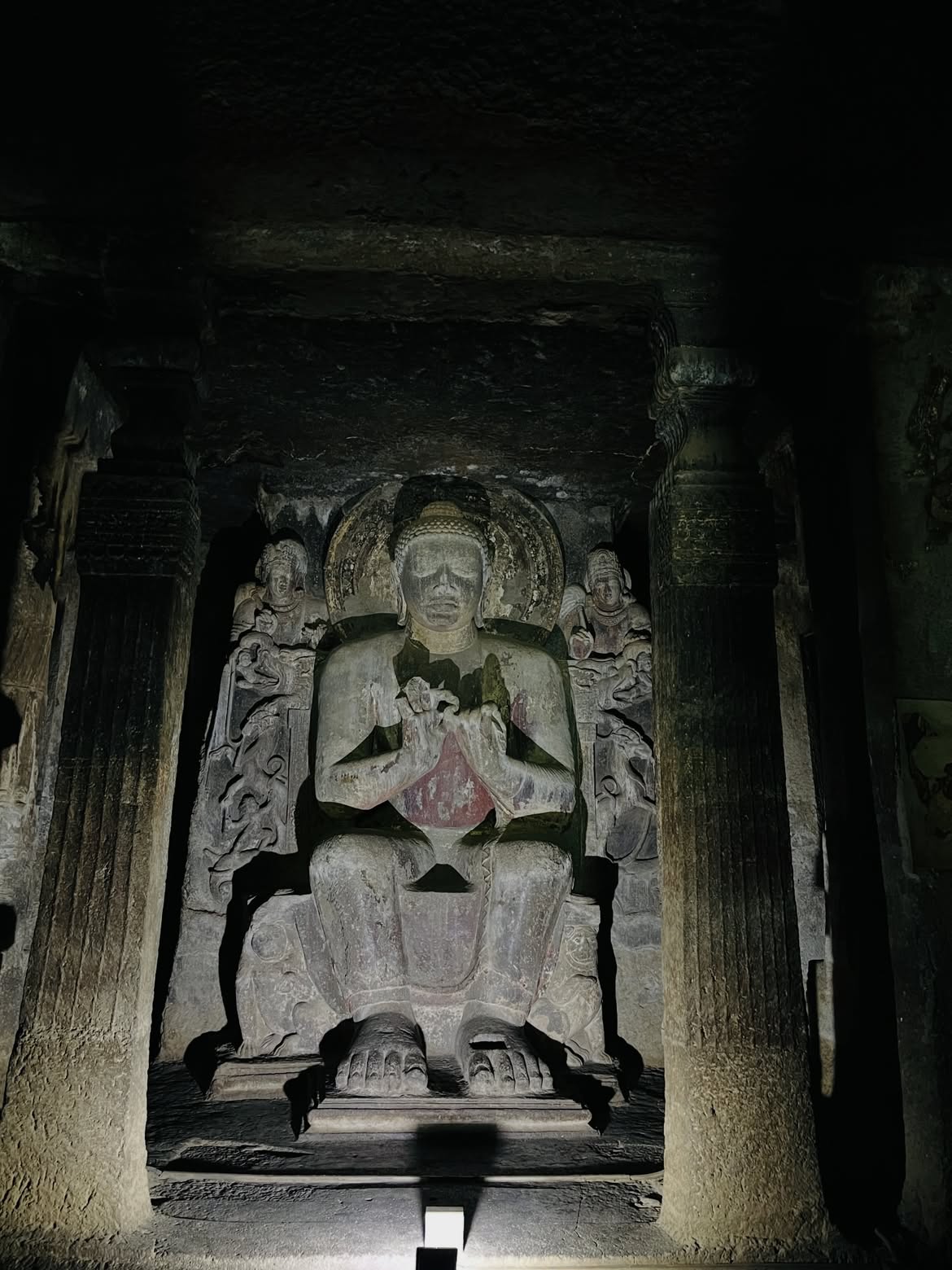
(Also Read: Top 11 Best Tourist Places In Thrissur )
Architecture of Ajanta Caves
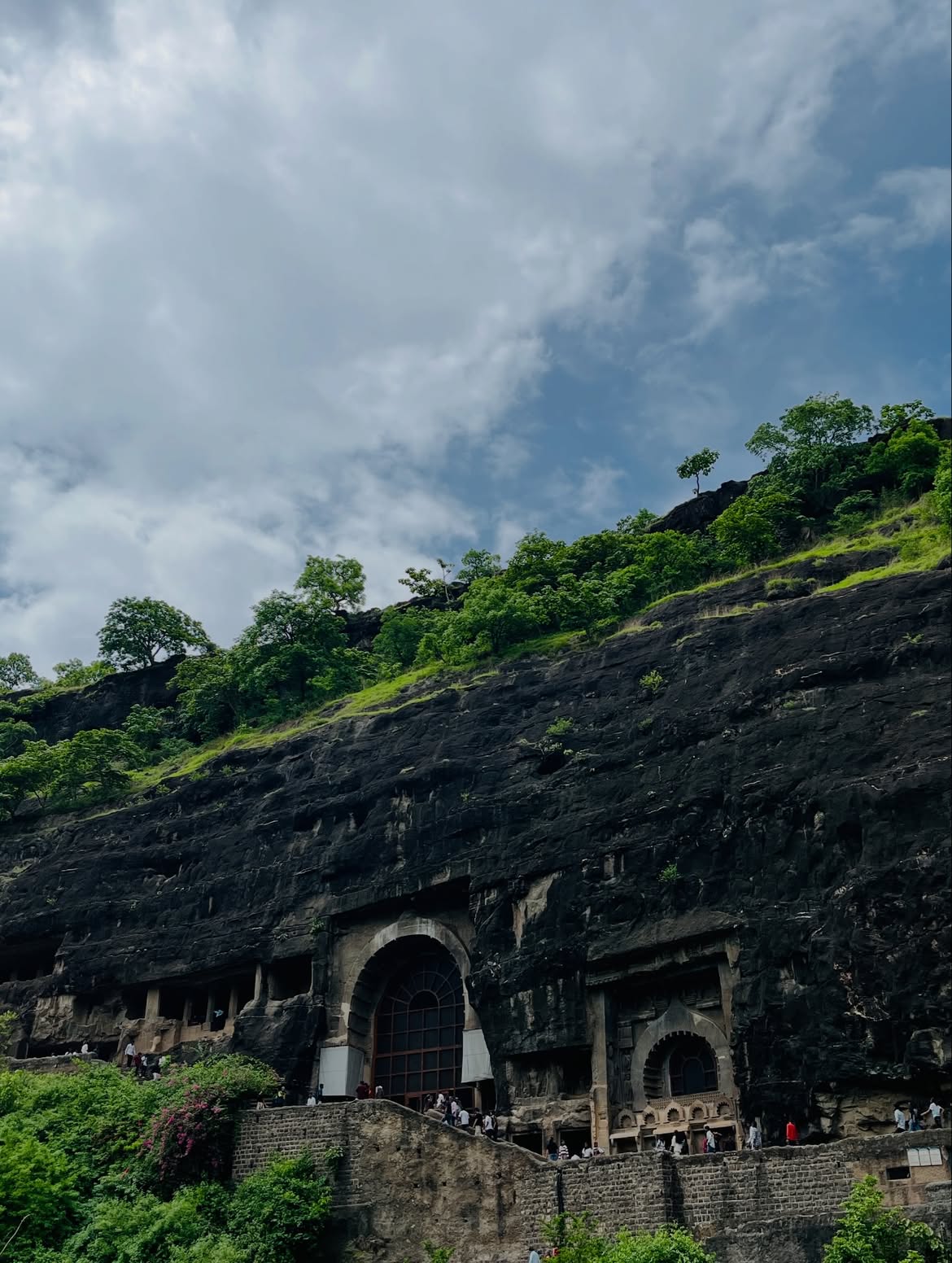
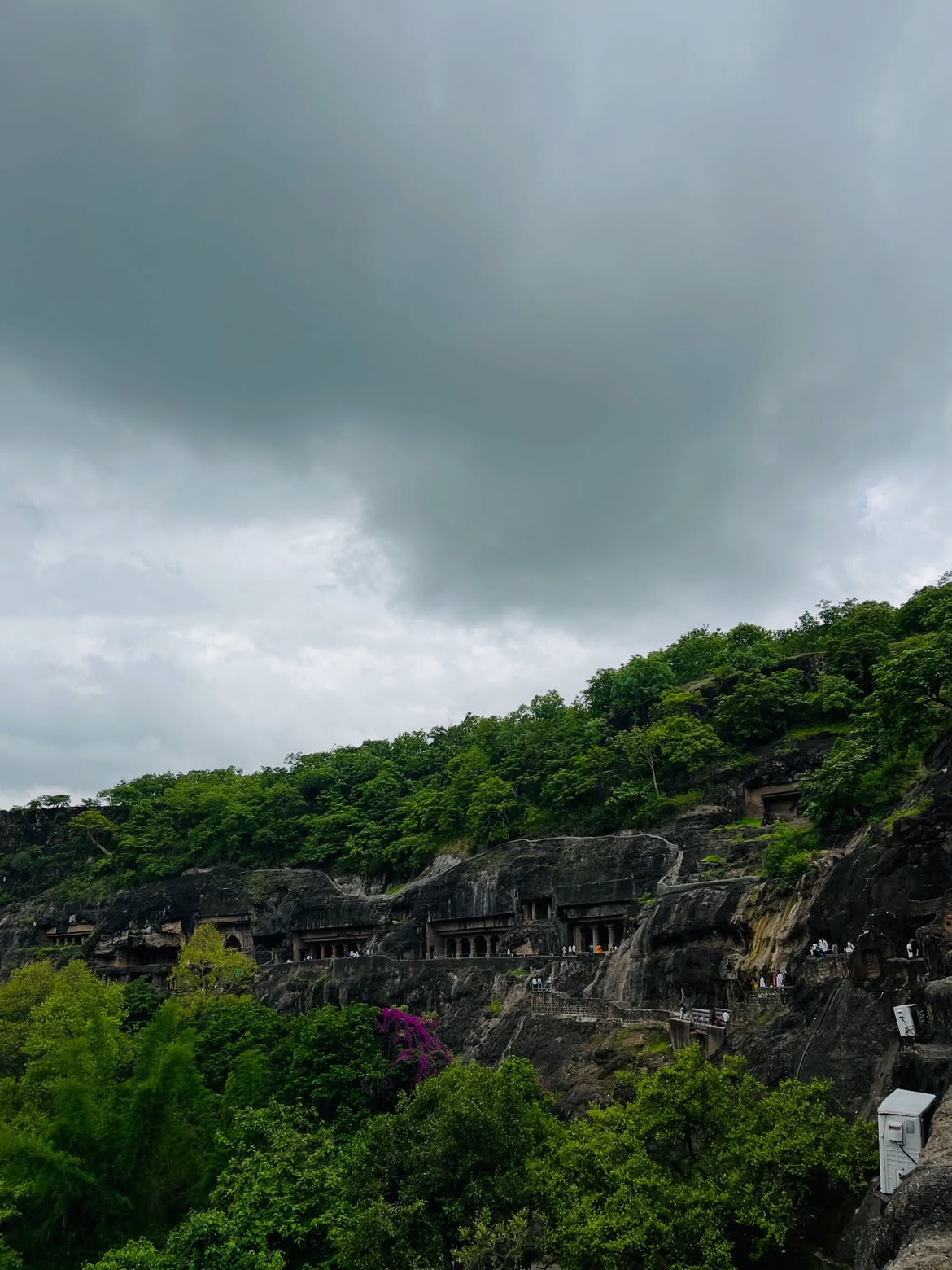
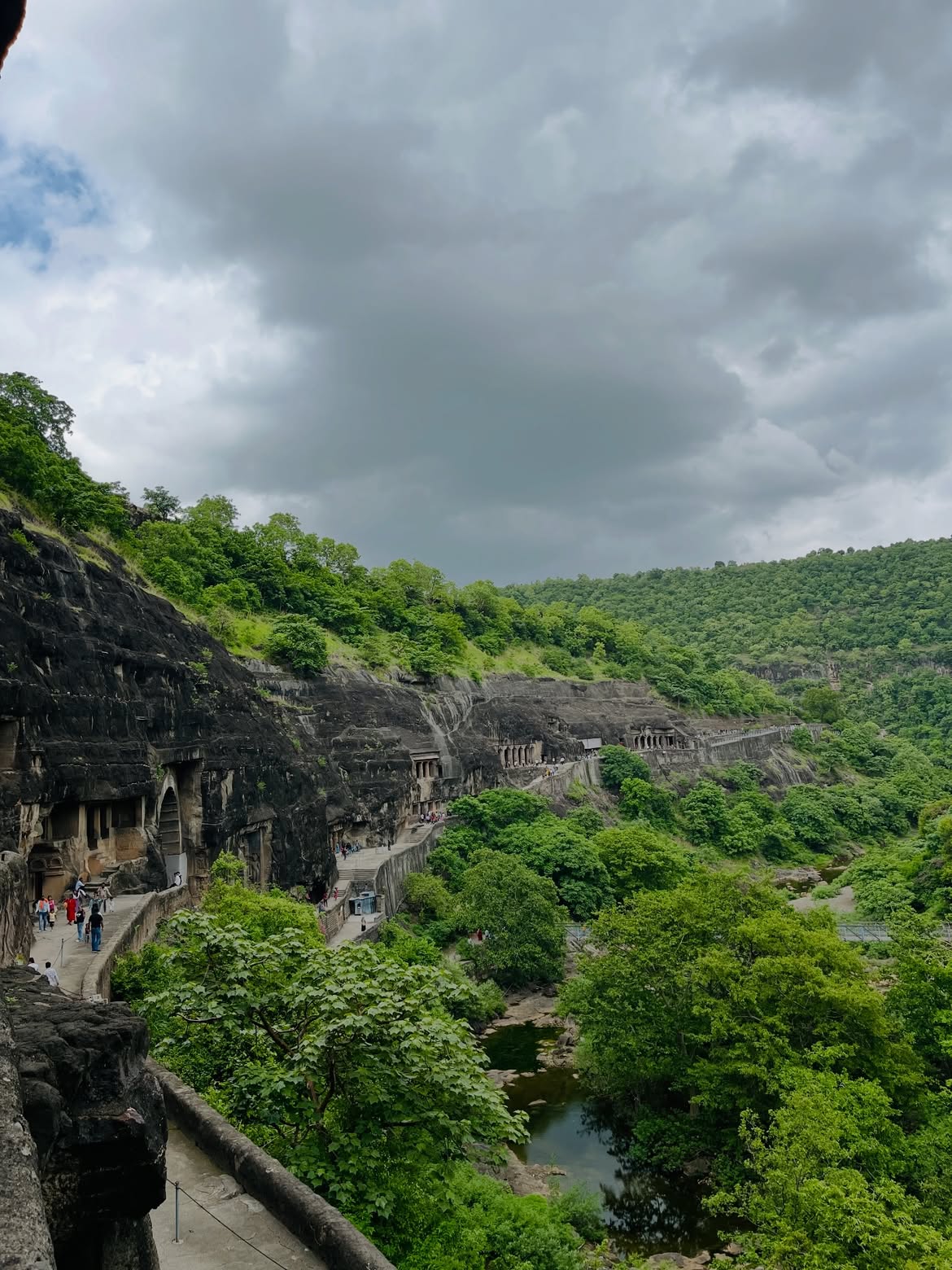
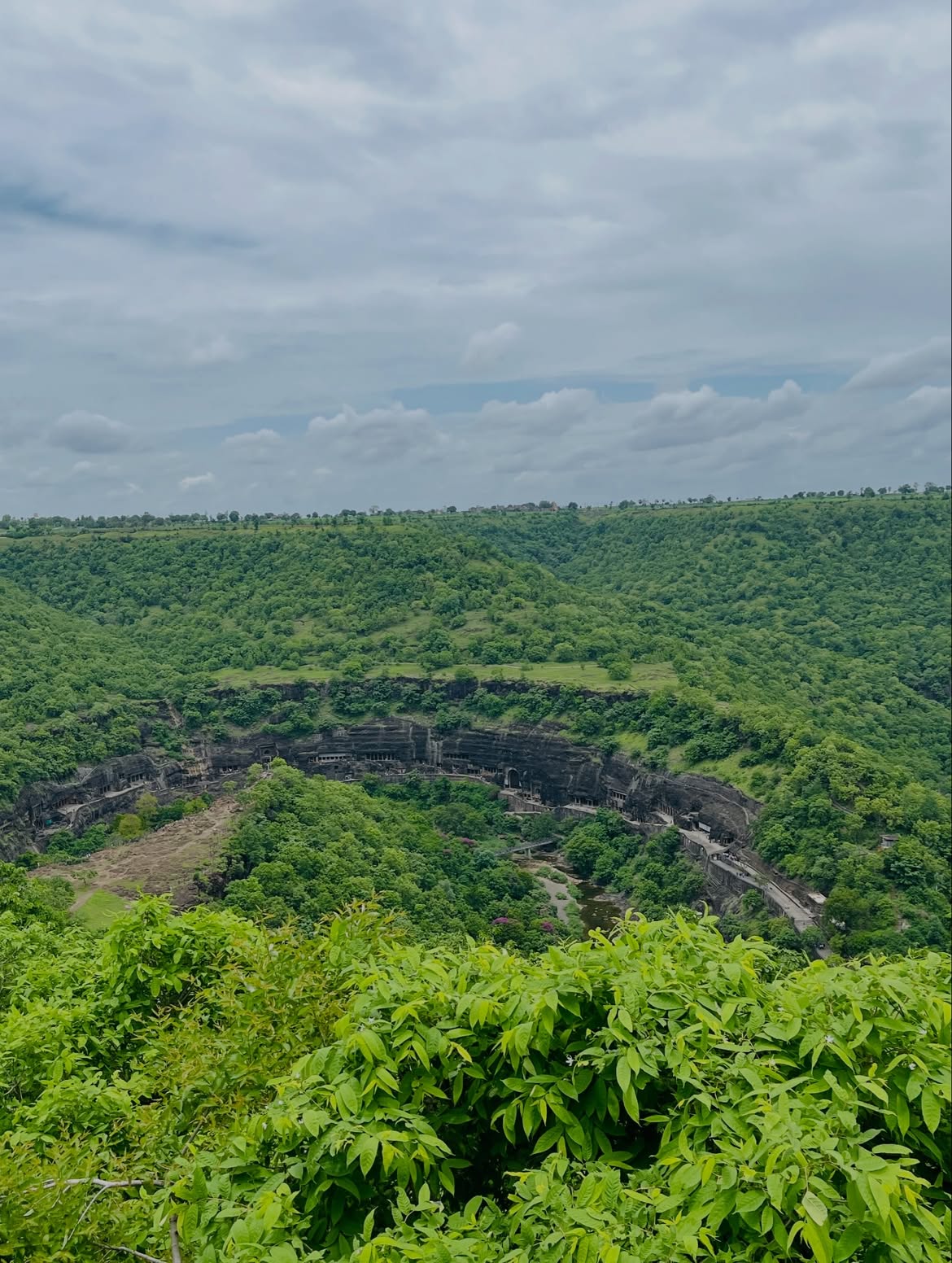
The architecture of the Ajanta Caves showcases the extraordinary skill and imagination of ancient Indian craftsmen. These caves were carved directly into a horseshoe-shaped basalt rock cliff along the Waghora River valley, creating a unique combination of natural landscape and human artistry.
The Ajanta complex consists of 30 rock-cut caves, although some remain unfinished. These caves are divided mainly into two architectural categories:
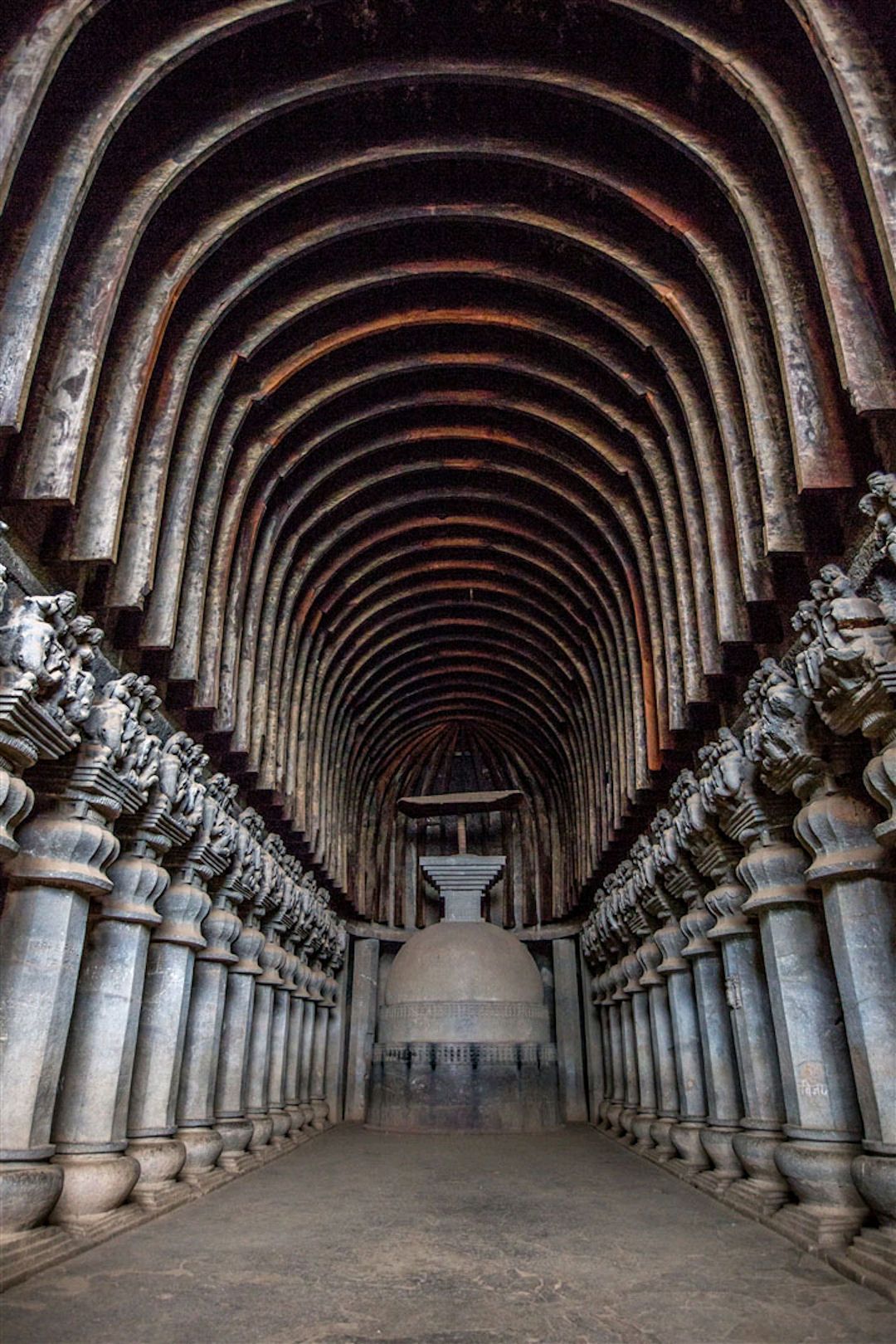
Chaitya Halls (Prayer Halls)
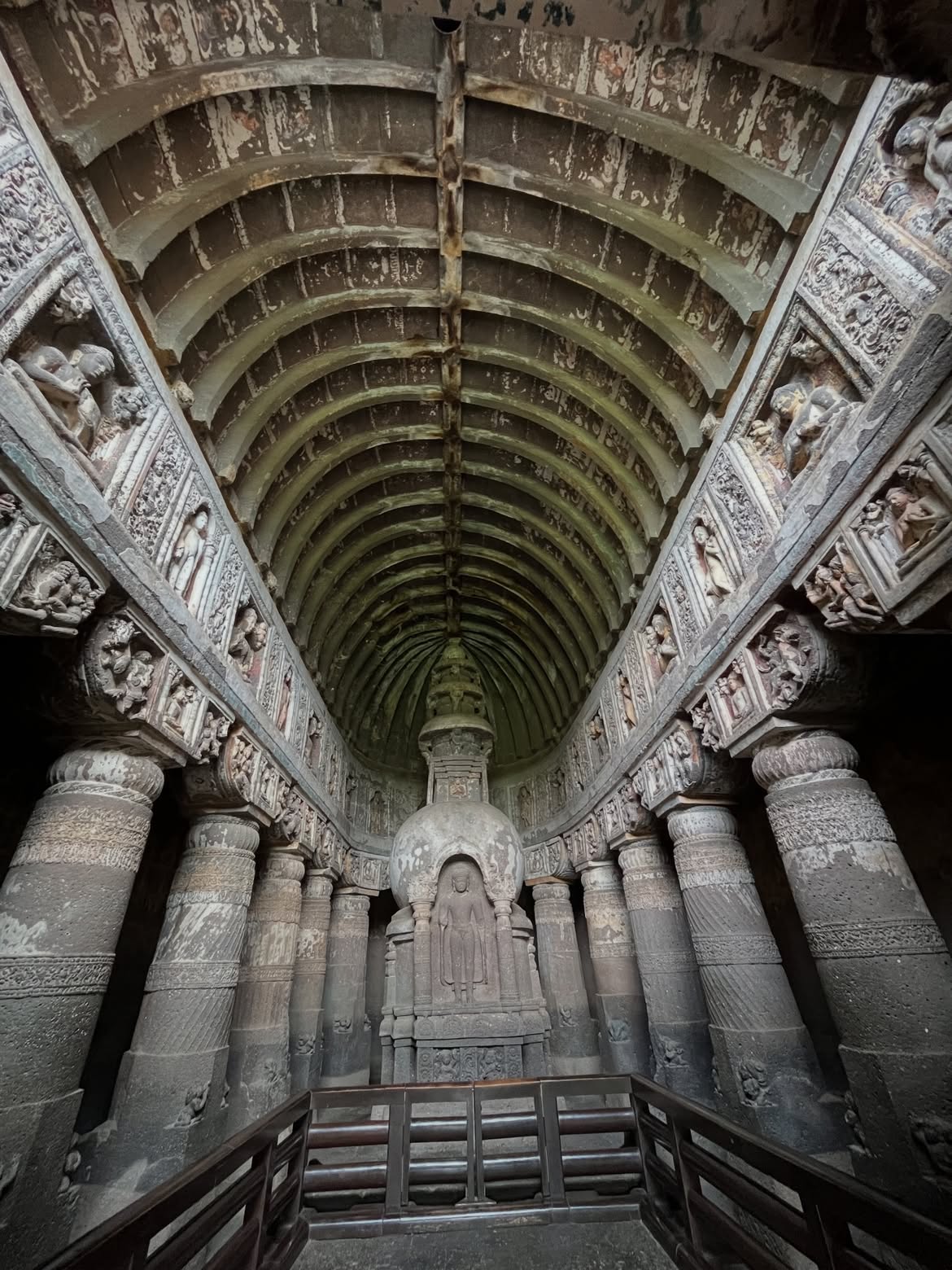
Chaityas were designed for Buddhist worship and meditation. They feature:
- Large halls with high ceilings
- Rows of stone pillars
- Semi-circular apses at the end
- Rock-cut stupas used as objects of worship
- Large horseshoe-shaped windows that allowed natural light inside
Caves 9, 10, 19, and 26 are notable examples of chaitya architecture.
(Also Read: Top 10 Best Tourist Places In Pondicherry )
Viharas (Monasteries)
Viharas served as residential spaces for Buddhist monks. These caves typically contain:
- A central assembly hall
- Small meditation cells around the walls
- Pillared verandas
- Shrines containing Buddha images
The later viharas of Ajanta show more elaborate designs, reflecting the influence of Mahayana Buddhism.
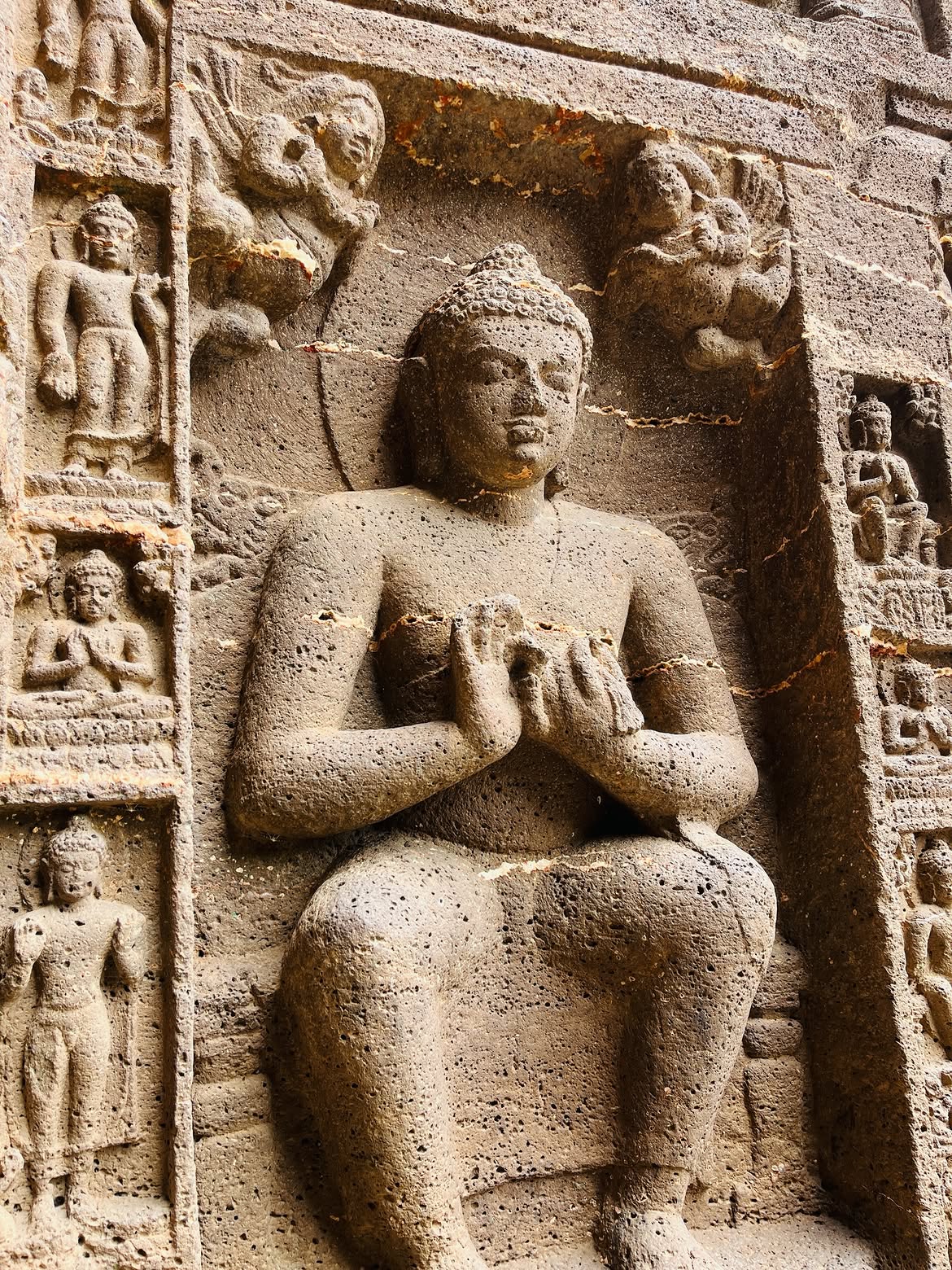
Rock-Cut Engineering
One of the most impressive aspects of Ajanta’s architecture is that the entire complex was carved from solid rock using simple tools such as hammers and chisels. Ancient craftsmen carefully planned the excavation process, beginning from the top and working downward to create:
- Pillars
- Doorways
- Sculptures
- Ceilings
- Religious chambers
The precision of the carvings demonstrates advanced knowledge of engineering and design.
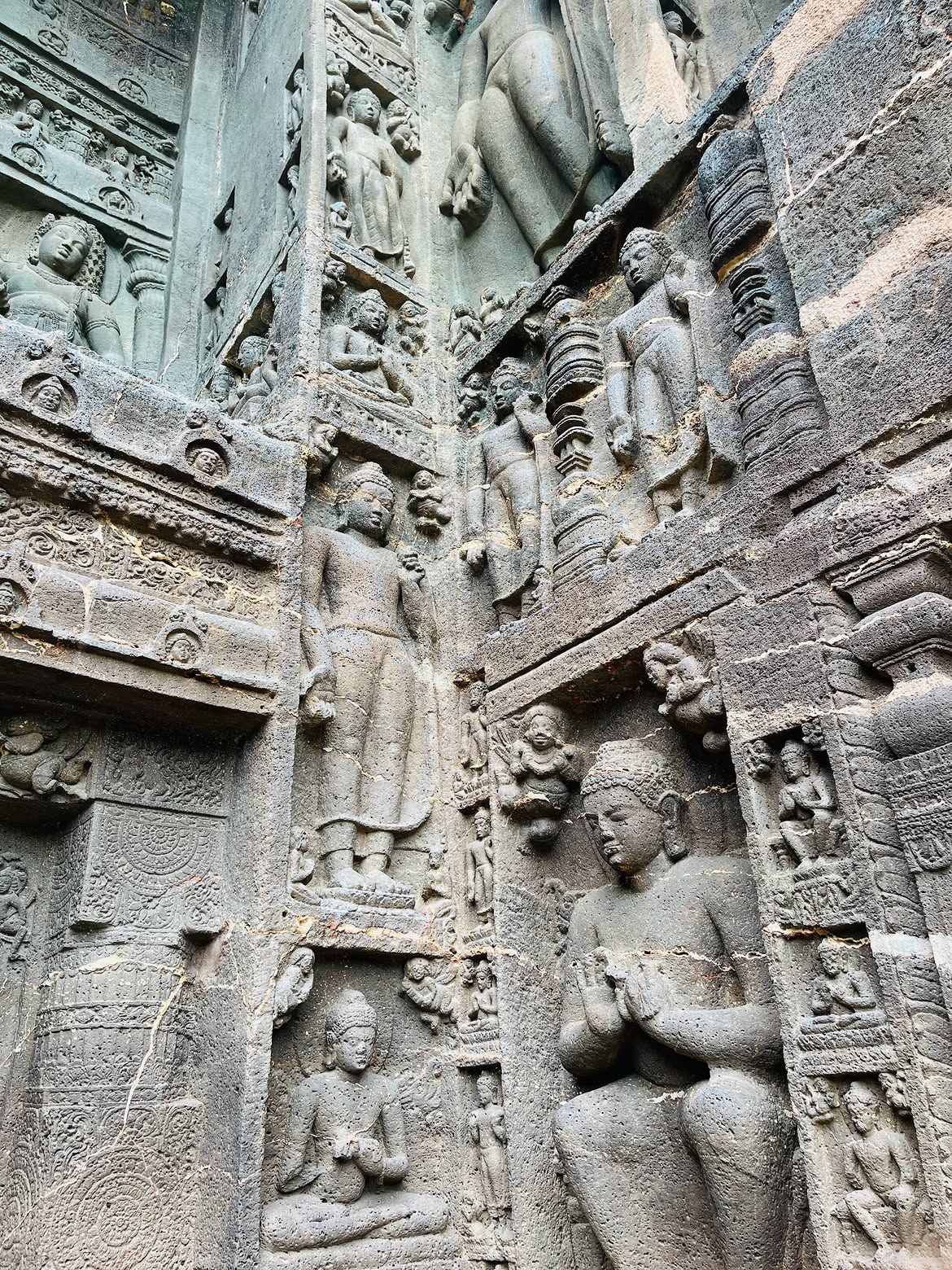
(Also Read: The Beauty of Gorgeous Gangtok )
Sculptural Features
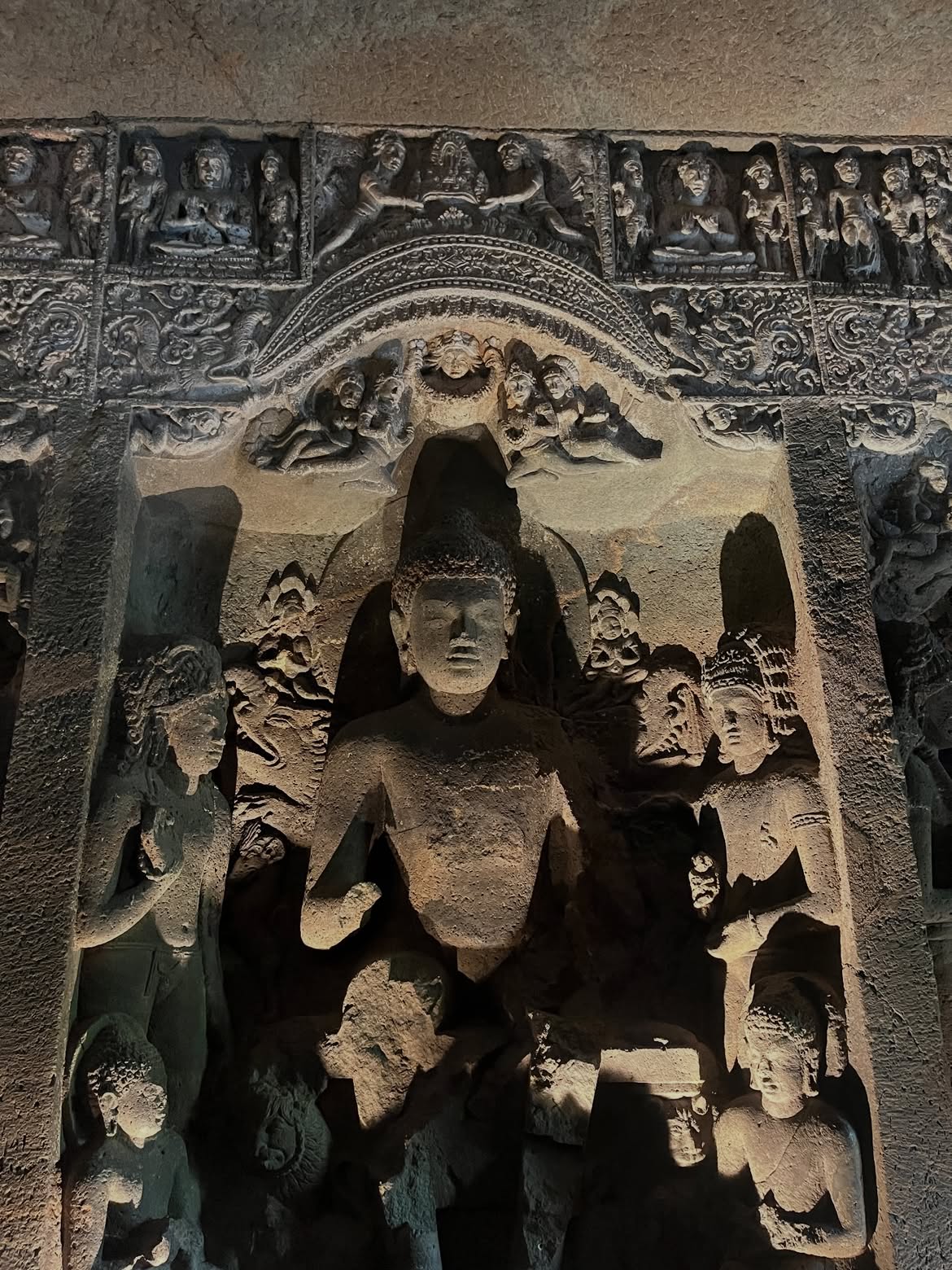
The caves contain numerous sculptures of:
- Buddha in different postures
- Bodhisattvas
- Guardian figures
- Celestial beings
- Decorative floral and geometric patterns
Cave 26 is especially famous for its magnificent reclining Buddha sculpture representing Buddha’s Mahaparinirvana.
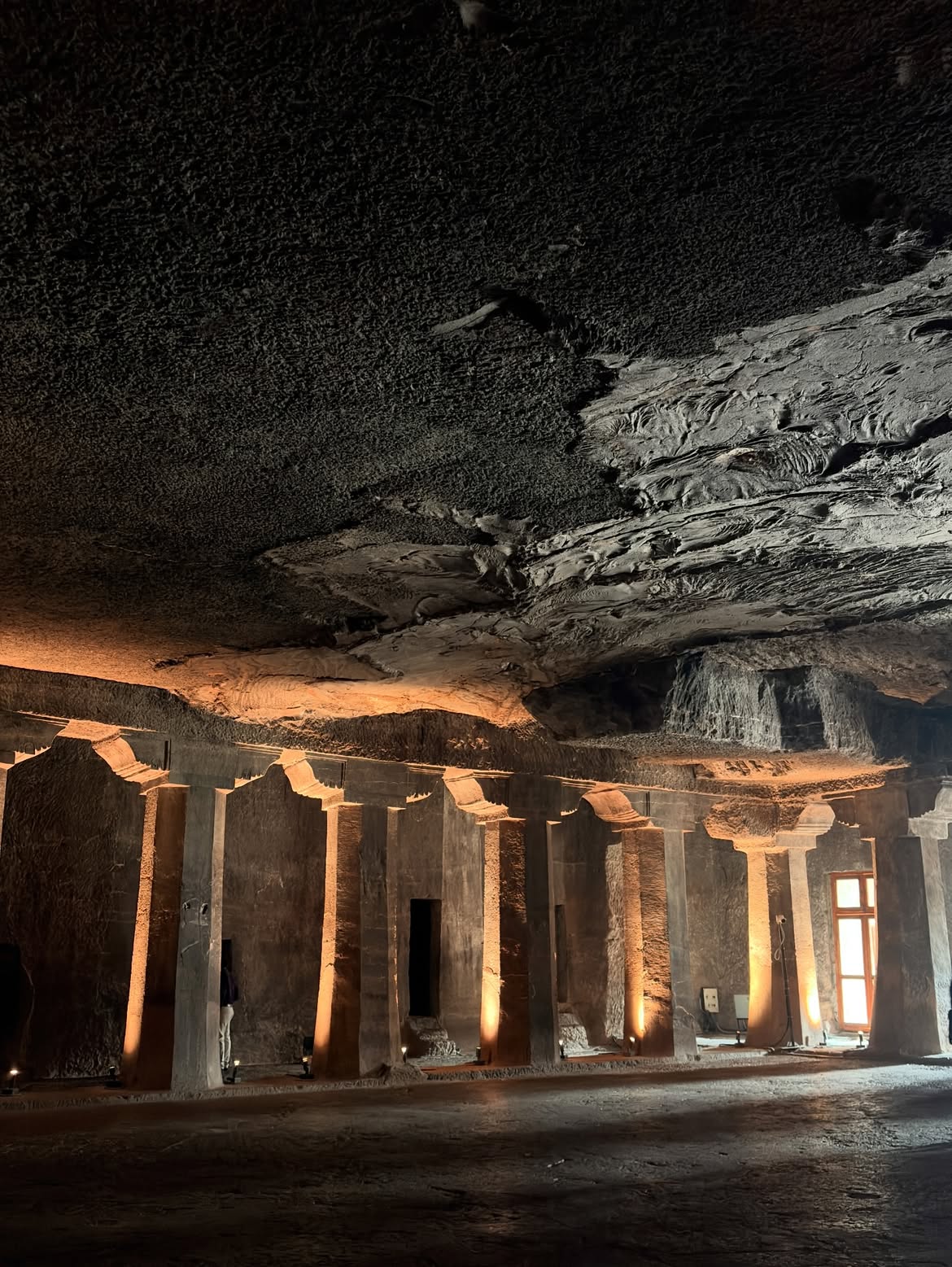
Architectural Significance
The architecture of Ajanta represents the evolution of Buddhist cave design over several centuries. It combines practical monastery planning with artistic excellence, making it one of the greatest examples of ancient rock-cut architecture in the world.
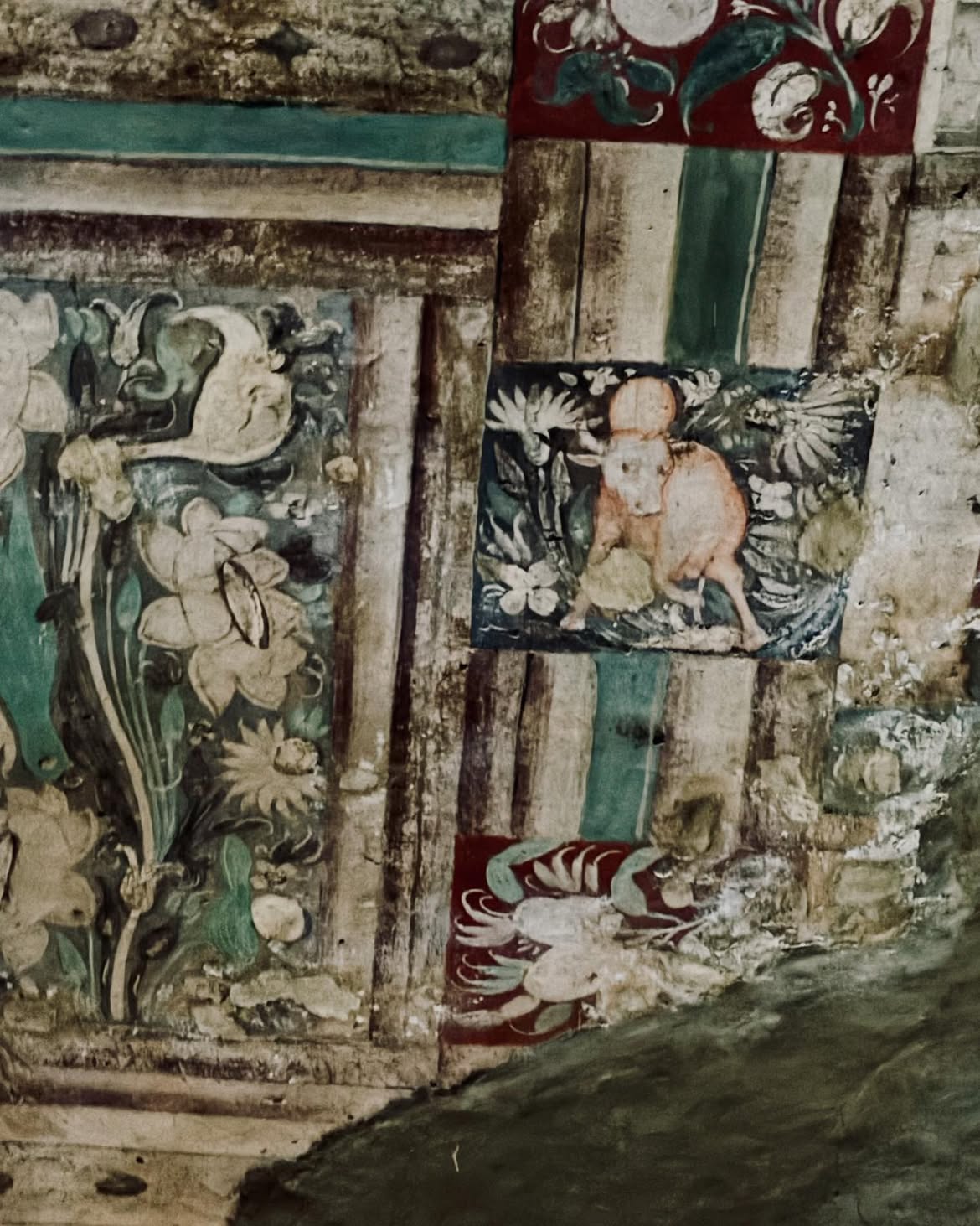
(Also Read: Top 13 Best Places To Visit In Amritsar )
Famous Paintings in Ajanta Caves
The paintings of the Ajanta Caves are among the greatest masterpieces of ancient Indian art. Created between the 2nd century BCE and 6th century CE, these murals showcase exceptional skill in storytelling, color use, and human expression.
The paintings were created using natural pigments derived from minerals, plants, and other organic materials. Artists prepared the rock surfaces with layers of plaster before applying colors, allowing many murals to survive for more than 1,500 years.
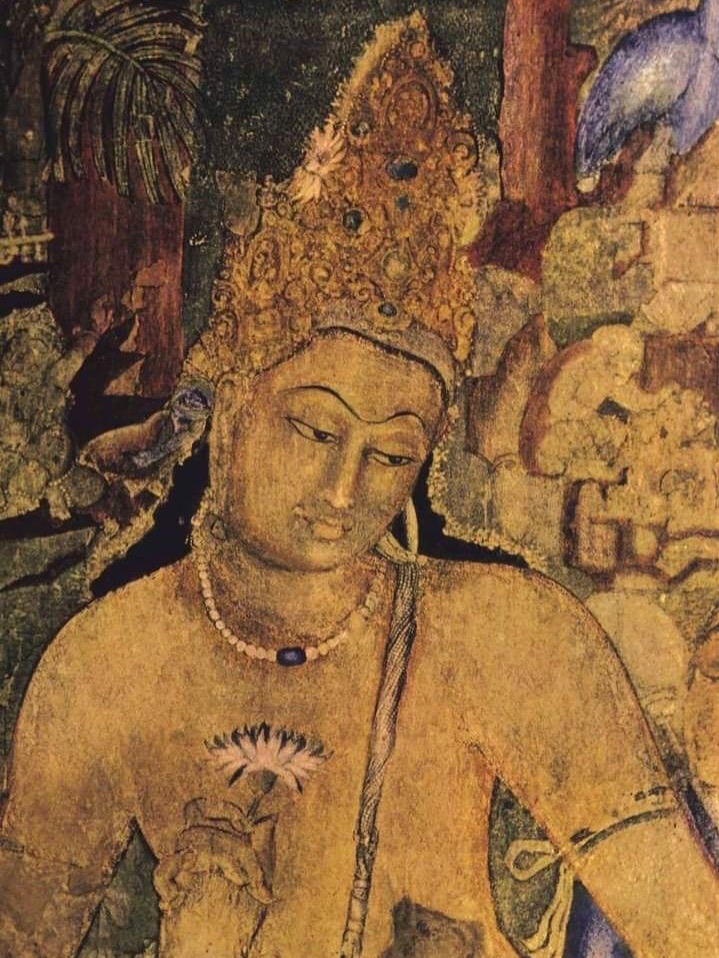
Bodhisattva Padmapani (Cave 1)
The painting of Bodhisattva Padmapani is the most famous artwork at Ajanta. It depicts a compassionate Buddhist figure holding a lotus flower.
The painting is admired for:
- Peaceful facial expression
- Detailed jewelry and crown
- Elegant posture
- Delicate shading techniques
It is considered one of the finest examples of ancient Indian painting.
(Also Read: 23 Famous Tourist Places to Visit in Shimla )
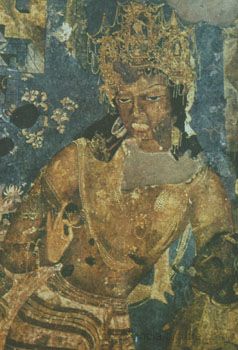
Bodhisattva Vajrapani (Cave 1)
Another remarkable painting in Cave 1 is Bodhisattva Vajrapani, representing strength and protection. The artwork displays exceptional attention to detail in clothing, ornaments, and facial expressions.
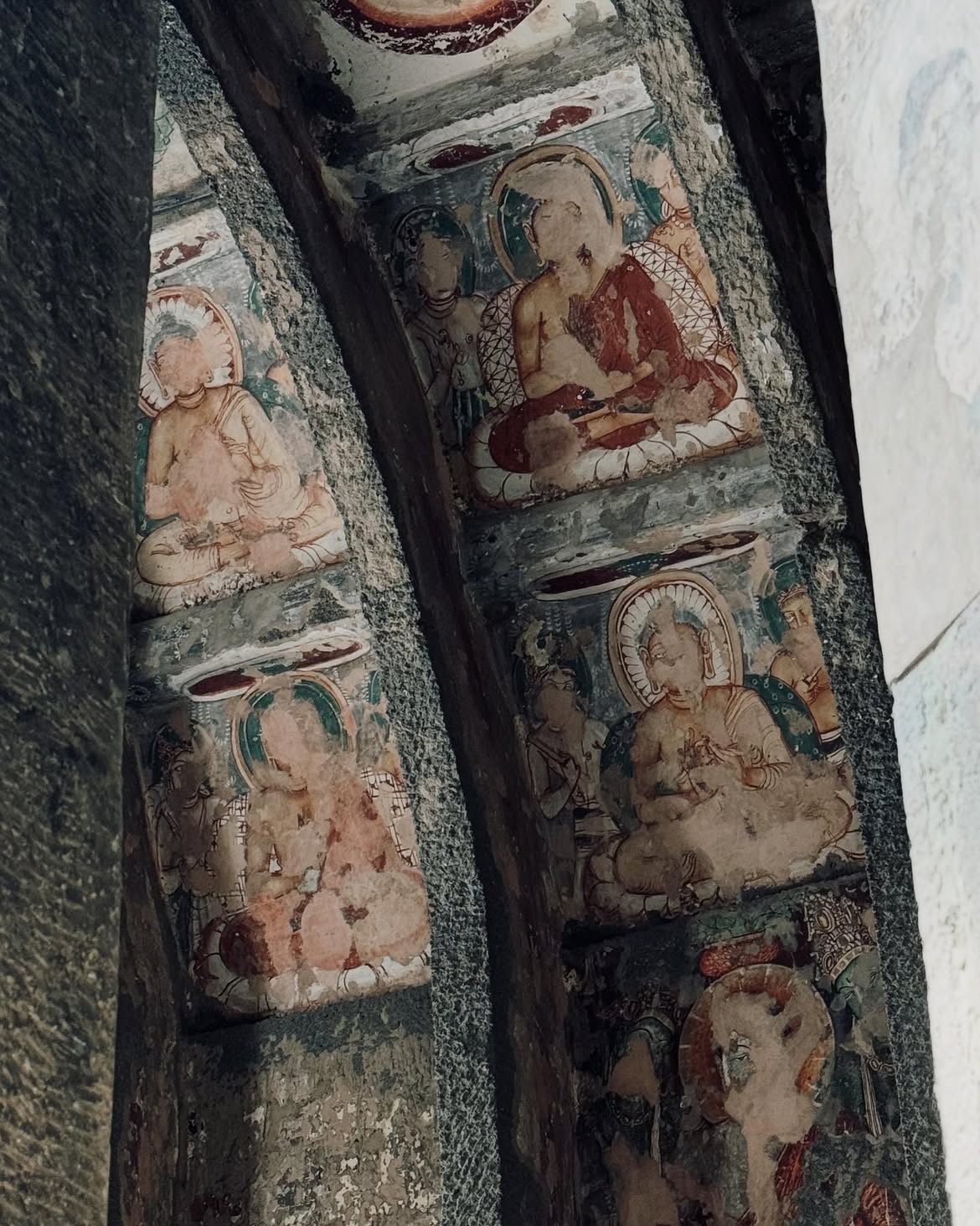
Jataka Tales Paintings
Many Ajanta murals illustrate stories from the Jataka Tales, which describe the previous lives of Buddha. These paintings communicate moral lessons such as compassion, sacrifice, kindness, and wisdom.
Important themes include:
- Royal life
- Acts of generosity
- Animal stories
- Spiritual journeys
- Moral teachings
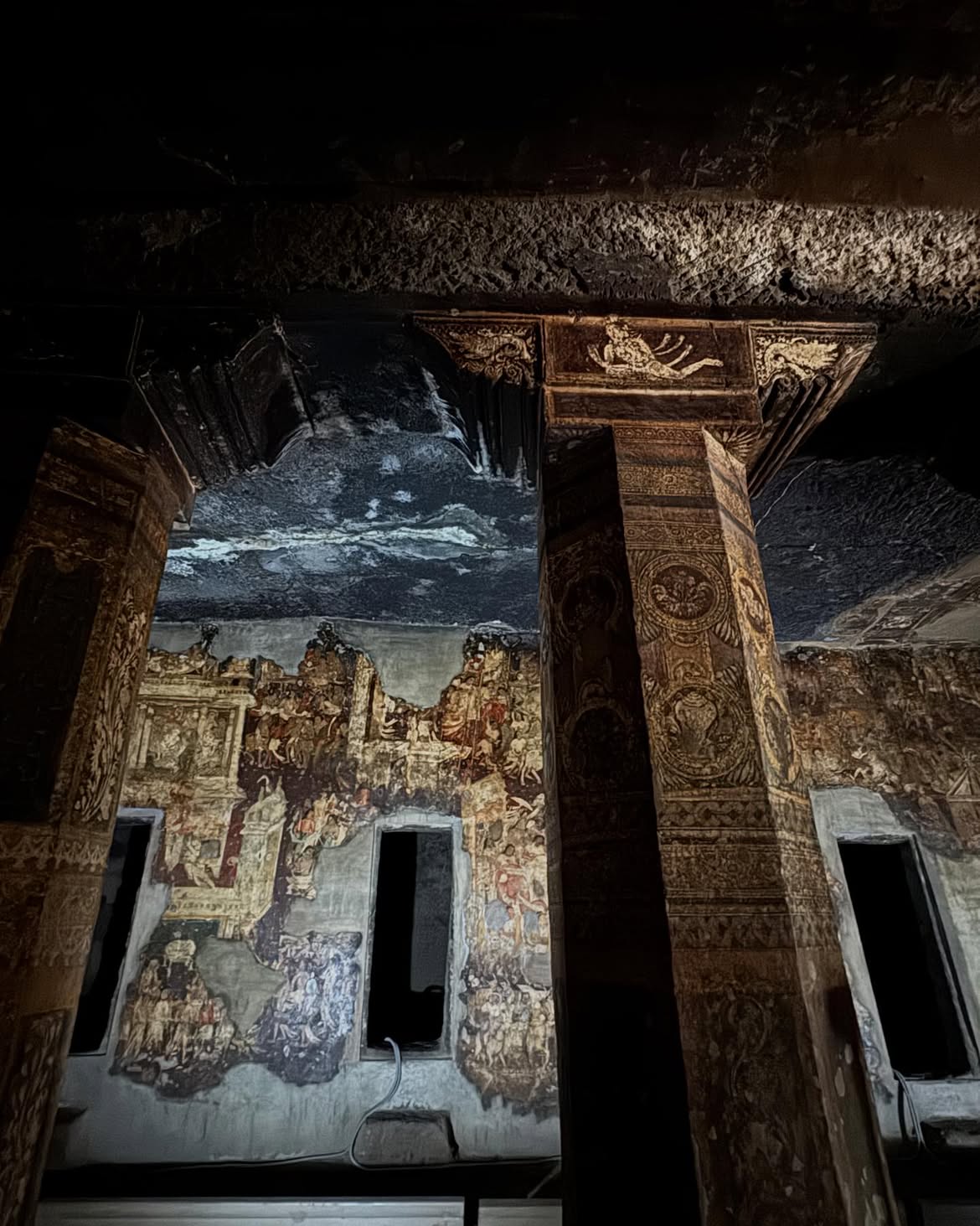
Scenes of Ancient Indian Life
The murals provide valuable information about the social and cultural life of ancient India. They depict:
- Kings and queens
- Musicians and dancers
- Merchants and travelers
- Traditional clothing and jewelry
- Animals and natural surroundings
These paintings act as a visual record of ancient Indian society.
Painting Techniques
Ajanta artists demonstrated advanced artistic techniques, including:
- Natural color blending
- Realistic human expressions
- Light and shadow effects
- Perspective and depth
- Detailed ornamentation
The use of emotions and gestures makes the figures appear lifelike and expressive.
Importance of Ajanta Paintings
The murals of Ajanta are significant because they:
- Represent the golden age of Indian painting
- Preserve Buddhist stories and traditions
- Provide historical information about ancient society
- Influence Indian and global art traditions
The paintings of Ajanta continue to inspire artists, historians, and visitors worldwide, making the caves one of the greatest artistic treasures of India.
(Also Read: Famous Places to visit in Kanyakumari )
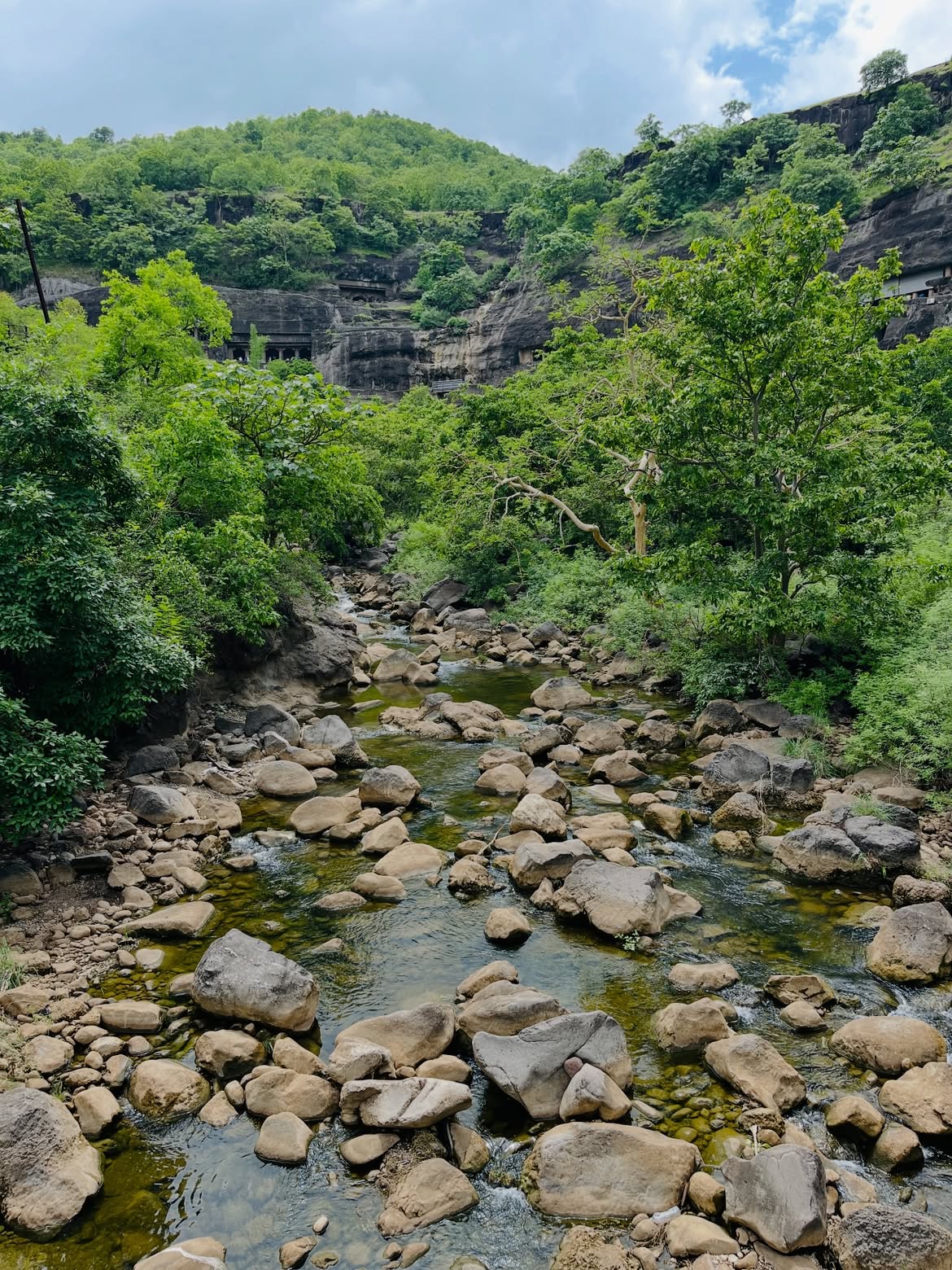
Major Tourist Attractions:
The Ajanta Caves are much more than a collection of ancient rock-cut monuments—they are a masterpiece of Buddhist art, architecture, and storytelling. As you explore the caves, pay close attention to the remarkable paintings, sculptures, carvings, and architectural details that have survived for more than 1,500 years.
1. The Ancient Buddhist Murals
The murals are the greatest attraction of the Ajanta Caves. Painted with natural pigments, these artworks depict scenes from the life of Gautama Buddha and the Jataka Tales (stories of Buddha’s previous lives).
Look for:
- Detailed facial expressions
- Graceful body movements
- Vibrant colors that have endured for centuries
- Royal processions and court scenes
- Musicians, dancers, merchants, and everyday life
The murals are considered some of the finest surviving examples of ancient Indian painting.
2. Bodhisattva Padmapani (Cave 1)
One of the most iconic images at Ajanta is the painting of Bodhisattva Padmapani, holding a lotus flower.
Notice:
- Calm and compassionate facial expression
- Intricate jewelry and crown
- Fine shading and delicate brushwork
- Elegant posture symbolizing compassion
This mural is regarded as one of the greatest masterpieces of Buddhist art.
(Also Read: Top 10 Outstanding Places In Jaipur At Night )
3. Bodhisattva Vajrapani (Cave 1)
Near the Padmapani mural is the equally impressive image of Bodhisattva Vajrapani, depicted as the protector of Buddha.
Observe:
- Rich ornaments
- Strong yet peaceful appearance
- Detailed clothing and decorative patterns
4. The Reclining Buddha (Cave 26)
One of the most striking sculptures at Ajanta is the massive Reclining Buddha, representing Mahaparinirvana, or Buddha’s final liberation.
Look for:
- Peaceful facial expression
- Large stone carving extending across the wall
- Mourning disciples carved nearby
- Intricate details despite the monument’s size
5. Beautifully Carved Pillars
Almost every cave contains finely carved stone pillars.
Notice:
- Floral motifs
- Geometric designs
- Mythical creatures
- Decorative capitals
- Symmetrical craftsmanship
Each pillar features unique artistic details.
(Also Read: 11 Famous Places to visit in Udaipur )
6. Prayer Halls (Chaityas)
The chaityas served as places of worship for Buddhist monks.
Look for:
- Barrel-vaulted ceilings
- Large stone stupas
- Pillared aisles
- Natural lighting entering through carved windows
The acoustics inside these halls also demonstrate remarkable ancient engineering.
7. Monasteries (Viharas)
The viharas were living quarters for Buddhist monks.
Observe:
- Meditation cells
- Central assembly halls
- Shrines dedicated to Buddha
- Stone benches and living spaces
These caves offer insight into monastic life in ancient India.
(Also Read: 15 Best and Famous Tourist Places in Chennai )
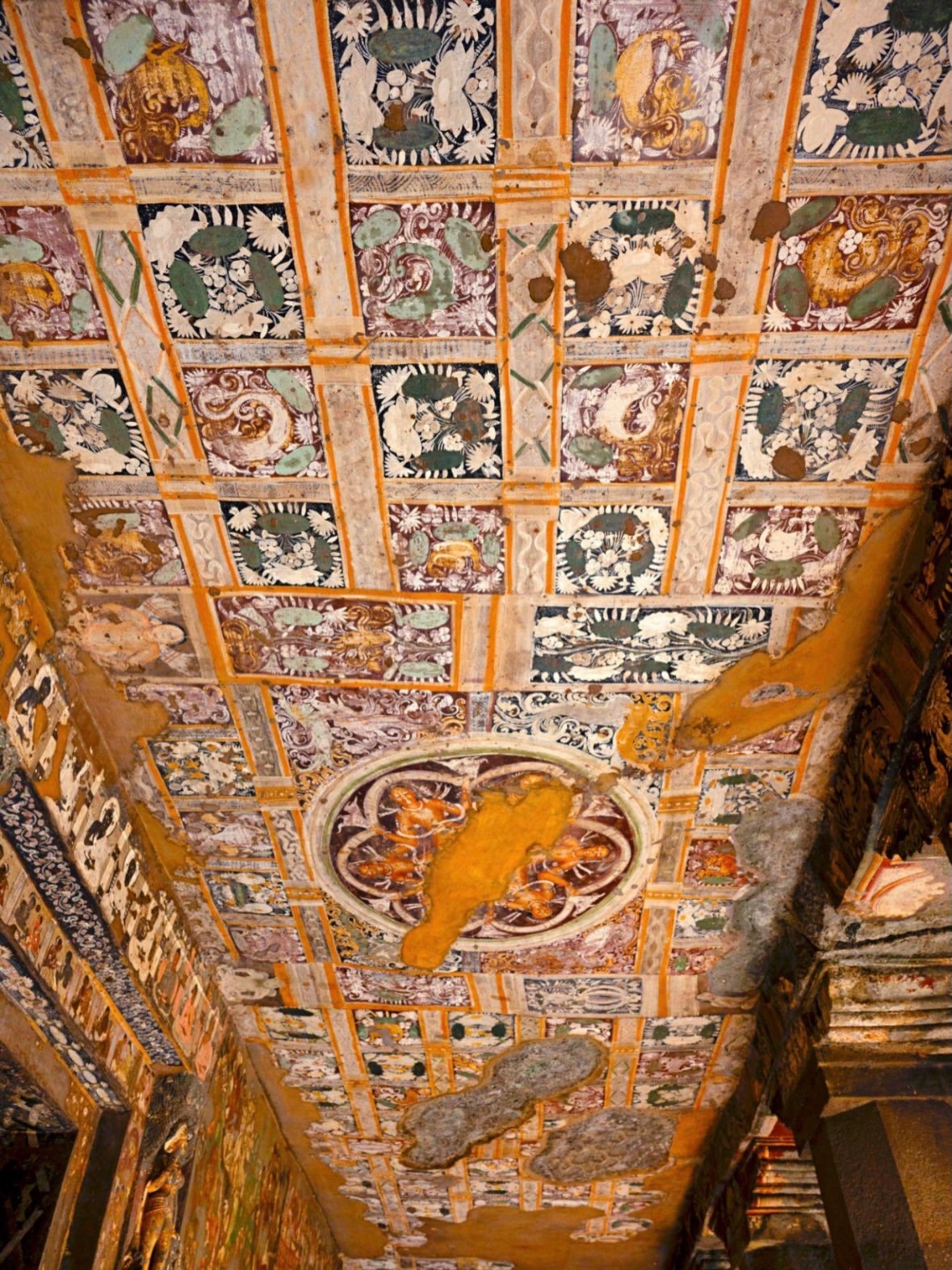
8. Ceiling Decorations
Many visitors focus on the walls, but the ceilings are equally impressive.
Look for:
- Floral patterns
- Lotus motifs
- Geometric designs
- Birds and animals
- Decorative borders
Some ceiling paintings remain surprisingly well preserved.
9. Buddha Statues in Different Mudras
The caves feature Buddha sculptures in various symbolic hand gestures (mudras).
Common mudras include:
- Dhyana Mudra – Meditation
- Abhaya Mudra – Fearlessness and protection
- Dharmachakra Mudra – Teaching and the first sermon
- Bhumisparsha Mudra – Calling the Earth to witness enlightenment
Each mudra represents a different stage or teaching in Buddha’s life.
(Also Read: Holy Rameswaram : The Island City )
10. Jataka Tale Paintings
Many cave walls illustrate stories from Buddha’s previous births.
Pay attention to:
- Moral lessons
- Animal characters
- Royal families
- Acts of kindness and sacrifice
- Continuous storytelling across a single wall
These paintings served as visual teaching tools for Buddhist monks and pilgrims.
11. Ancient Inscriptions
Several caves contain inscriptions left by kings, monks, merchants, and donors.
These inscriptions provide valuable information about:
- Cave construction
- Patronage
- Buddhist traditions
- Ancient Indian society
12. Rock-Cut Engineering
Take time to appreciate the engineering behind the caves.
Notice:
- Entire caves carved from a single rock face
- Perfectly aligned pillars
- Smooth walls and ceilings
- Intricate carvings created without modern machinery
The precision achieved with simple hand tools is extraordinary.
(Also Read: Top 12 Famous Tourist Places In Jaipur )
13. Scenic Waghora River Valley
Step outside the caves to enjoy the breathtaking natural surroundings.
Look for:
- Horseshoe-shaped cliff
- Waghora River below
- Lush greenery during the monsoon
- Panoramic viewpoints ideal for photography
The tranquil landscape enhances the spiritual atmosphere of the site.
Visitor Tips
To fully appreciate the Ajanta Caves:
- Visit early in the morning to avoid crowds.
- Spend at least 3–5 hours exploring the caves.
- Hire a licensed guide or use an audio guide to understand the stories behind the paintings.
- Avoid using flash photography, as it can damage the ancient murals.
- Carry water and wear comfortable walking shoes, as there is considerable walking and climbing involved.
(Also Read: Top 11 Beautiful Tourist Places In Mysore )
Best Time to Visit:
The ideal time to visit the Ajanta Caves is from October to March, when the weather is cool and pleasant. During the monsoon season (June to September), the surrounding hills become lush green, creating beautiful landscapes, although occasional rain may affect sightseeing.
How to Reach:
The Ajanta Caves are well connected by road, rail, and air.
- By Air: The nearest airport is Aurangabad Airport, with regular flights from major Indian cities.
- By Rail: The nearest major railway stations are Jalgaon and Aurangabad, both connected to important cities across India.
- By Road: Regular buses, taxis, and private vehicles operate from Aurangabad, Jalgaon, and nearby towns.
From the visitor center, eco-friendly buses transport tourists to the cave entrance, helping preserve the site’s environment.
Suggested Packing List
- Comfortable walking shoes
- Hat or cap
- Sunglasses
- Sunscreen
- Reusable water bottle
- Light snacks
- Power bank
- Camera (avoid flash photography inside the caves)
- Valid ID proof
(Also Read: Top 10 Famous Tourist Places In Ernakulam )
Ideal Trip Duration
A 2-day/1-night trip is sufficient for most travelers. If you also plan to visit nearby attractions such as the Ellora Caves, Daulatabad Fort, or Bibi Ka Maqbara, consider extending your stay to 3 days/2 nights for a more relaxed experience.
Travel Tips
To make the most of your visit:
- Wear comfortable walking shoes, as exploring the caves involves climbing steps and walking along pathways.
- Carry water, sunscreen, and a hat, especially during warmer months.
- Avoid using flash photography, as it can damage the ancient murals.
- Do not touch the paintings or sculptures, as they are delicate and centuries old.
- Hire an authorized guide or use an audio guide to better understand the history and significance of each cave.
- Allocate at least 3–5 hours to explore the caves at a relaxed pace.
- Start sightseeing early to avoid crowds and midday heat.
Best Places to Visit Near Ajanta Caves
The Ajanta Caves are surrounded by several fascinating historical, cultural, and natural attractions. Whether you’re interested in ancient architecture, religious sites, forts, or scenic landscapes, these nearby destinations can enrich your trip through Maharashtra.
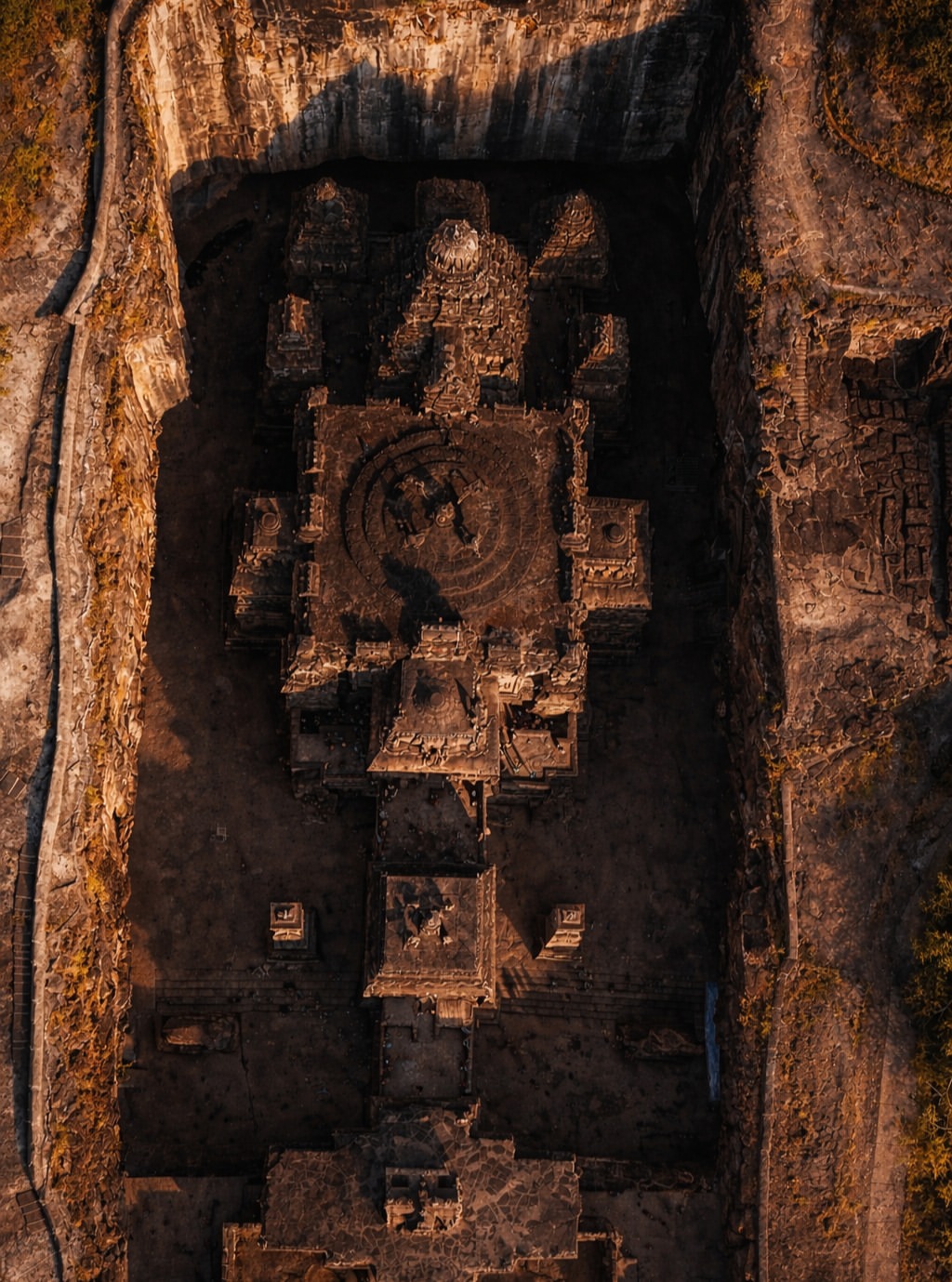
1. Ellora Caves (Approx. 100 km)
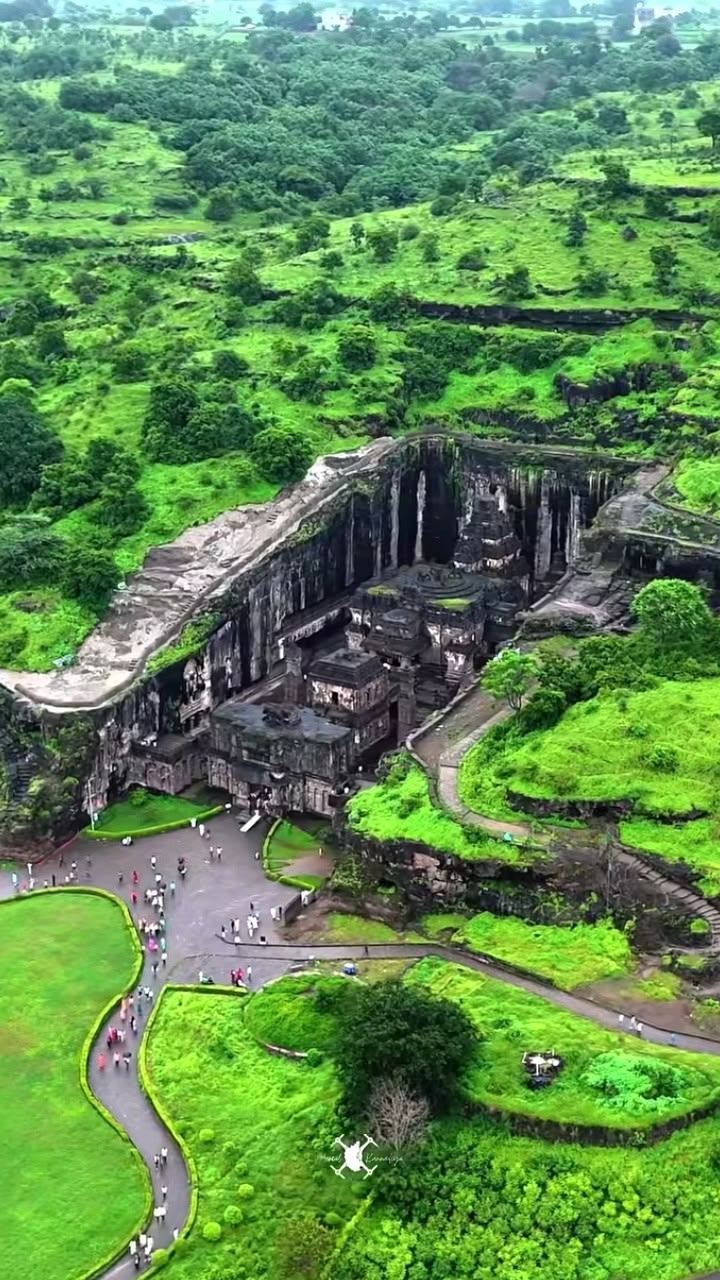
A UNESCO World Heritage Site, the Ellora Caves are one of India’s greatest archaeological wonders. Unlike Ajanta, Ellora features monuments dedicated to Buddhism, Hinduism, and Jainism, showcasing religious harmony and exceptional rock-cut architecture. The highlight is the magnificent Kailasa Temple (Cave 16), carved from a single rock.
Best for: History lovers, architecture enthusiasts, photographers
(Also Read: 10 Most Attractive Places To Visit In Kalimpong )
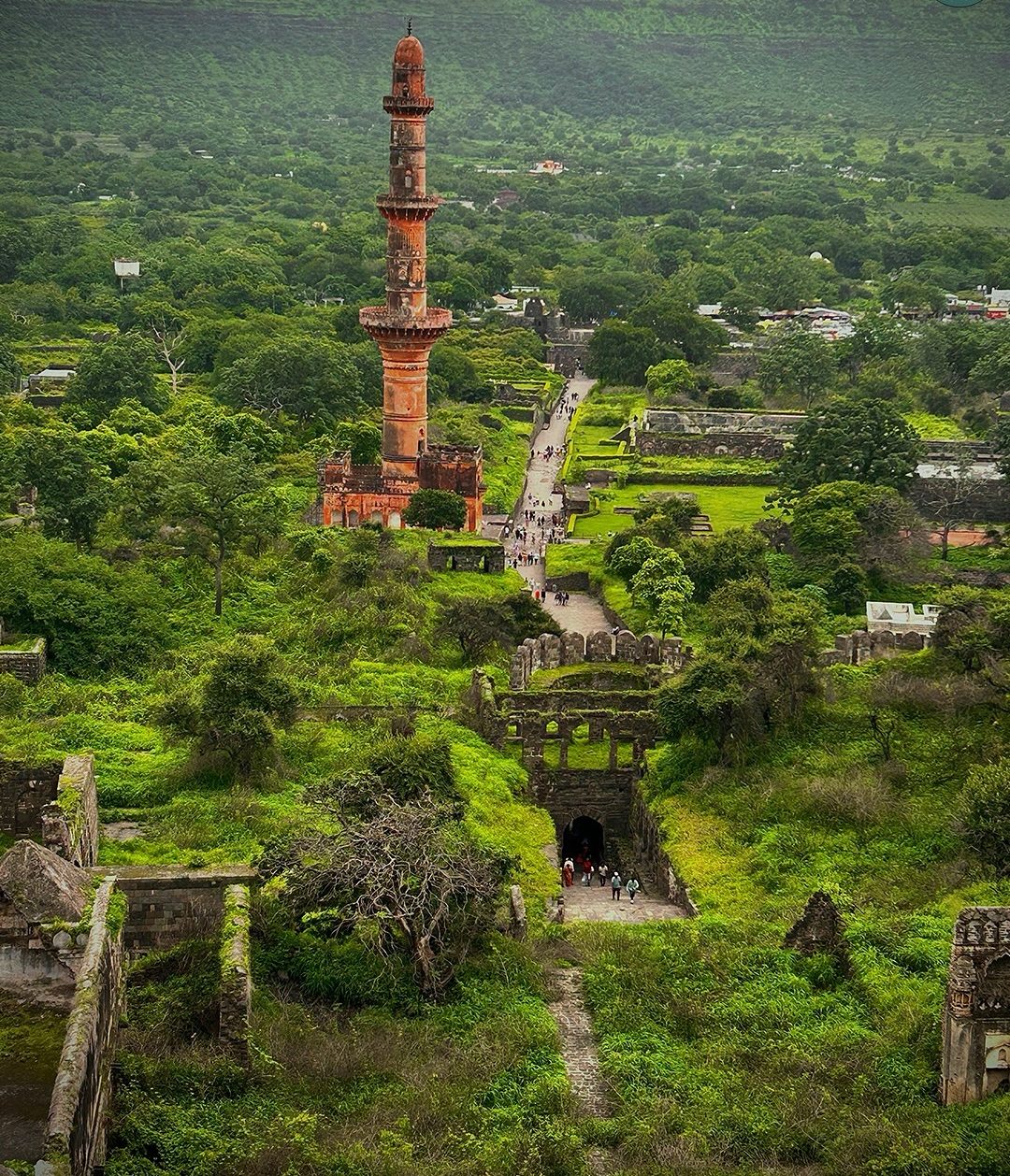
2. Daulatabad Fort (Approx. 85 km)
Originally known as Devagiri Fort, Daulatabad Fort is one of India’s most impressive hill forts. Built in the 12th century, it features massive walls, secret passages, defensive moats, and panoramic views from the summit.
Highlights:
- Chand Minar
- Ancient cannons
- Secret escape routes
- Scenic viewpoints
Best for: Adventure seekers and history enthusiasts
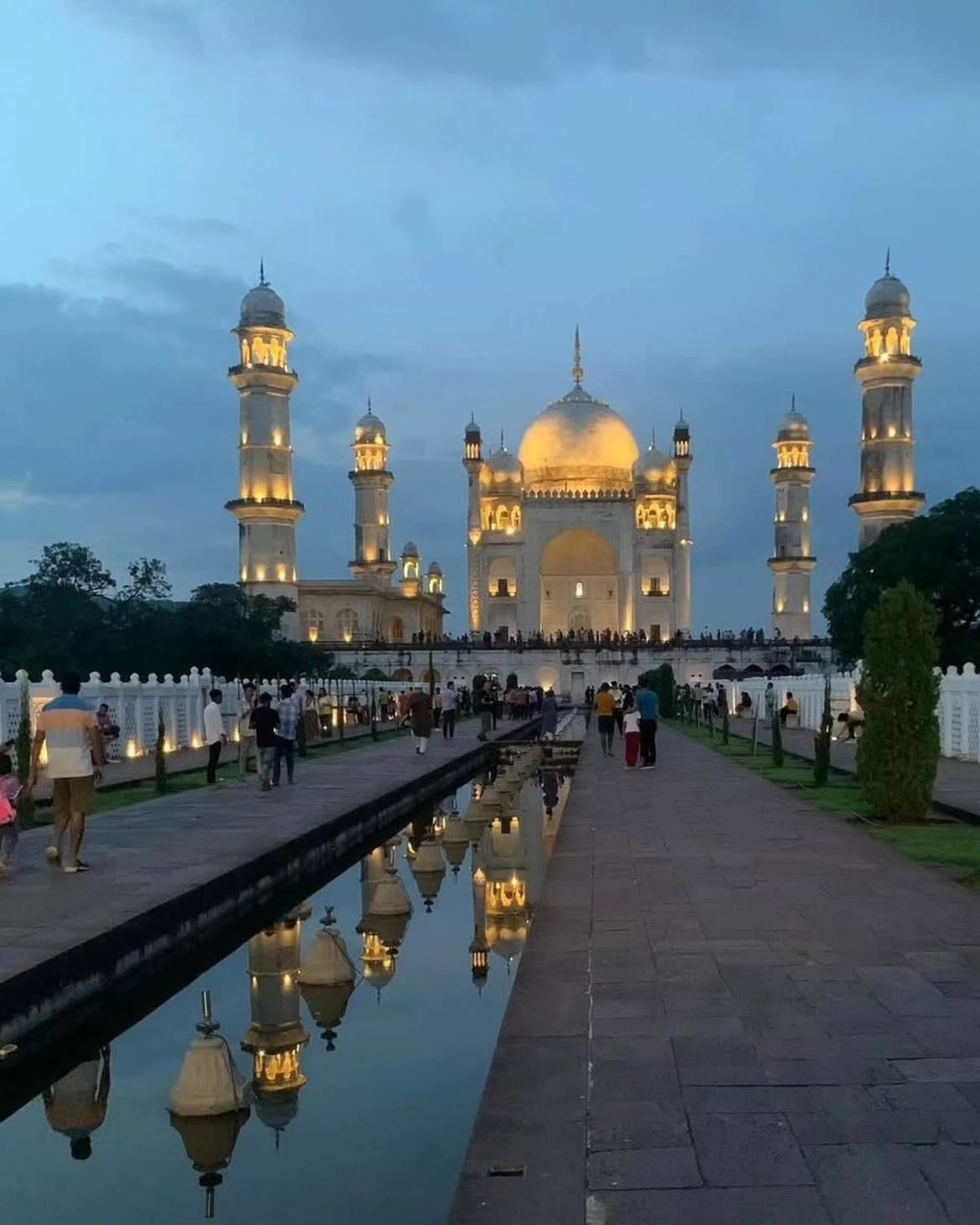
3. Bibi Ka Maqbara (Approx. 105 km)
Often called the “Mini Taj Mahal,” Bibi Ka Maqbara was built by Prince Azam Shah in memory of his mother, Dilras Banu Begum. The monument is admired for its Mughal architecture, beautiful gardens, and peaceful surroundings.
Best for: Photography, architecture, and family outings
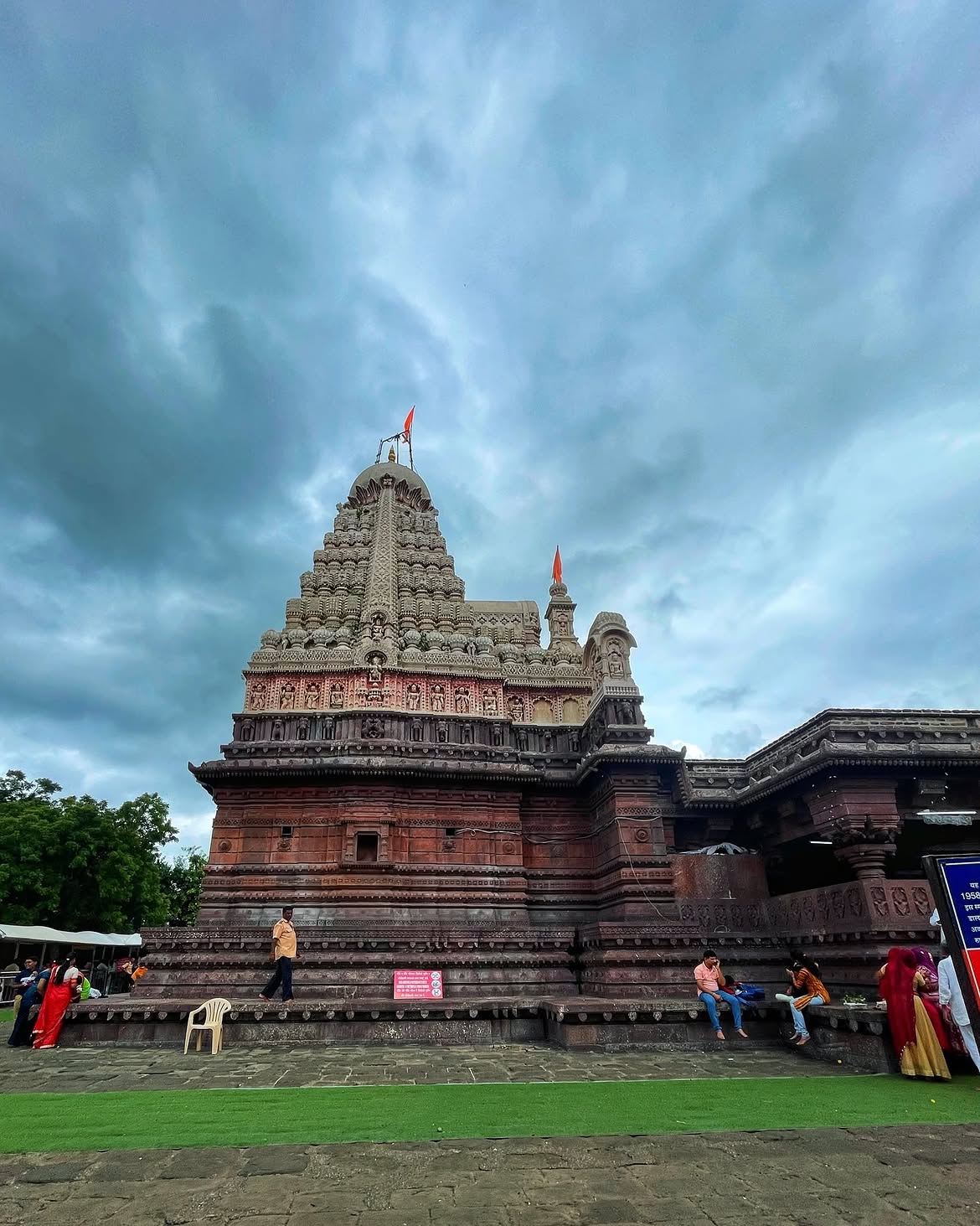
4. Grishneshwar Jyotirlinga Temple (Approx. 100 km)
One of the 12 sacred Jyotirlingas of Lord Shiva, the Grishneshwar Temple is an important pilgrimage site. Built in traditional red-stone architecture, it attracts devotees from across India.
Highlights:
- Ancient temple architecture
- Religious significance
- Peaceful atmosphere
Best for: Pilgrims and spiritual travelers
(Also Read: 15 Famous Tourist Places in Pune )
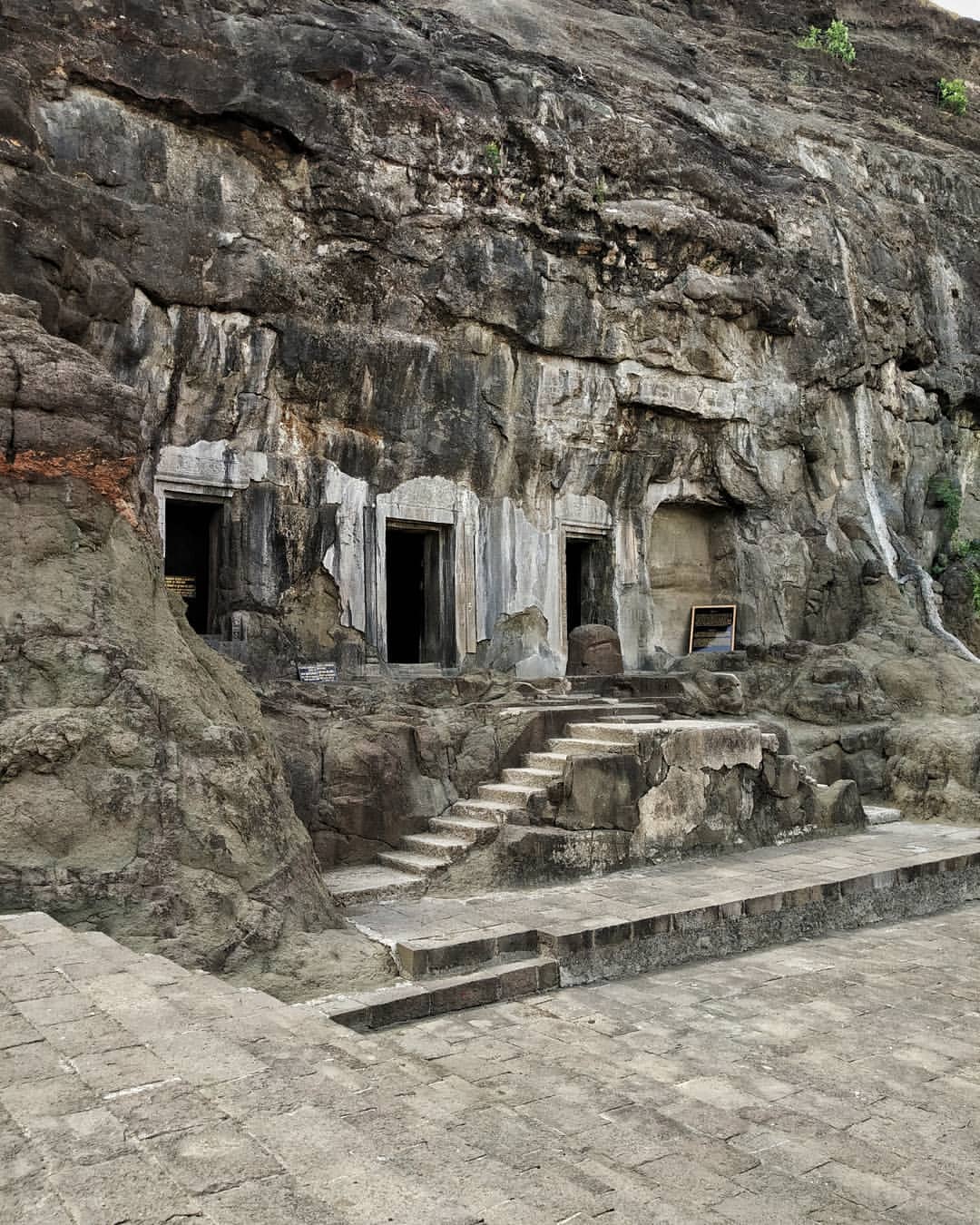
5. Aurangabad Caves (Approx. 105 km)
The Aurangabad Caves are a group of Buddhist rock-cut caves dating back to the 6th and 7th centuries CE. Though smaller than Ajanta, they contain beautiful sculptures and carvings and offer a quieter sightseeing experience.
Best for: History lovers and archaeology enthusiasts
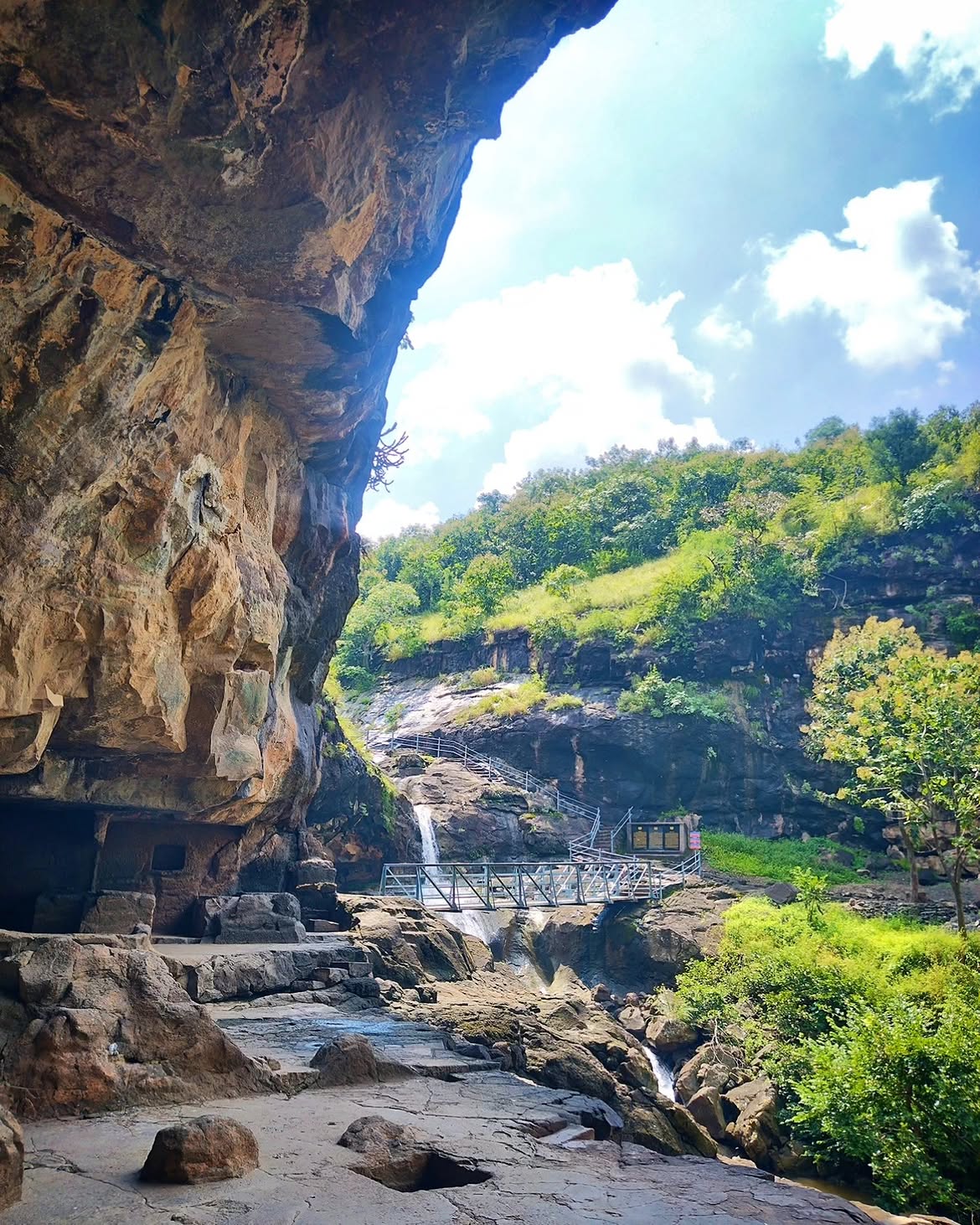
6. Pitalkhora Caves (Approx. 80 km)
Among the oldest Buddhist cave complexes in India, the Pitalkhora Caves date back to the 2nd century BCE. Surrounded by hills and waterfalls during the monsoon, they provide a peaceful alternative to the more popular cave sites.
Best for: Nature lovers and offbeat travelers
(Also Read: Top 10 Most Attractive Tourist Places In Manali )
7. Lonar Crater Lake (Approx. 140 km)
Lonar Lake was formed by a meteorite impact nearly 50,000 years ago, making it one of the world’s few basaltic impact craters. The lake is known for its unique ecosystem, birdlife, and surrounding ancient temples.
Highlights:
- Meteorite crater
- Birdwatching
- Nature trails
- Historic temples
Best for: Nature enthusiasts and science lovers
8. Panchakki (Approx. 105 km)
Panchakki is a 17th-century water mill powered by an underground water channel. It demonstrates the remarkable engineering skills of the medieval period and is surrounded by peaceful gardens.
Best for: History enthusiasts and families
9. Siddharth Garden and Zoo (Approx. 105 km)
Located in Aurangabad, Siddharth Garden and Zoo is a popular recreational spot featuring landscaped gardens, a zoo, and a small aquarium. It is ideal for families traveling with children.
Best for: Families and children
10. Gautala Autramghat Wildlife Sanctuary (Approx. 70 km)
This wildlife sanctuary offers lush forests, waterfalls, trekking trails, and opportunities to spot deer, monkeys, peacocks, and numerous bird species. It is especially beautiful during and after the monsoon season.
Best for: Wildlife enthusiasts, trekkers, and birdwatchers
(Also Read: Best 17 Srinagar Attractions You Must Visit )
Tourism and Heritage Conservation
The Ajanta Caves are protected by the Archaeological Survey of India (ASI), which works to preserve the fragile paintings, sculptures, and architecture. Visitors are encouraged to follow conservation guidelines by maintaining cleanliness, avoiding littering, respecting restricted areas, and helping protect this invaluable cultural heritage for future generations.
Conclusion:
Tourism at the Ajanta Caves offers a memorable journey through India’s ancient history, Buddhist traditions, and artistic excellence. Whether admired for their breathtaking murals, architectural brilliance, or serene natural setting, the caves provide an enriching experience for every visitor. A visit to Ajanta is not only a sightseeing trip but also an opportunity to appreciate one of the world’s greatest achievements in art, culture, and spirituality.
(Also Read: Top Best 17 Places To Visit In Mumbai )
FAQs:
Q. Where are the Ajanta Caves located?
A. The Ajanta Caves are located in the Aurangabad district of Maharashtra, India, about 100 kilometers from Aurangabad city, overlooking the Waghora River.
Q. How many caves are there in Ajanta?
A. There are 30 rock-cut Buddhist caves at Ajanta, including monasteries (viharas) and prayer halls (chaityas).
Q. Who built the Ajanta Caves?
A. The Ajanta Caves were built by Buddhist monks with the patronage of the Satavahana and Vakataka dynasties between the 2nd century BCE and the 5th century CE.
Q. Why are the Ajanta Caves famous?
A. The caves are famous for their magnificent Buddhist paintings, intricate sculptures, rock-cut architecture, and murals depicting the life of Buddha and the Jataka Tales.
Q. What are the Jataka Tales?
A. The Jataka Tales are stories about the previous lives of Gautama Buddha, illustrating moral values such as compassion, generosity, wisdom, and self-sacrifice.
Q. What is the significance of the Ajanta paintings?
A. The Ajanta paintings are considered masterpieces of ancient Indian art because of their detailed craftsmanship, vibrant colors, realistic expressions, and storytelling techniques.
Q. What types of caves are found at Ajanta?
A. Ajanta has two main types of caves:
- Chaityas: Prayer and worship halls.
- Viharas: Monasteries where Buddhist monks lived, studied, and meditated.
Q. When were the Ajanta Caves rediscovered?
A. The caves were rediscovered in 1819 by British army officer John Smith while he was on a hunting expedition.
Q. Why is Ajanta a UNESCO World Heritage Site?
A. Ajanta was declared a UNESCO World Heritage Site in 1983 because of its exceptional artistic, historical, religious, and cultural significance.
Q. Which religions are associated with the Ajanta Caves?
A. The Ajanta Caves are associated with Buddhism and reflect both the Hinayana and Mahayana traditions.
Q. Which is the most famous cave at Ajanta?
A. Cave 1 is among the most famous for its beautiful murals of Bodhisattva Padmapani and Vajrapani, while Cave 26 is renowned for its large reclining Buddha sculpture.

You May Also Like
Ellora Caves: India’s ...
15 August 2026
Khajuraho Travel Guide: A J ...
15 June 2026
Hampi Travel Guide 2026: Pla ...
15 January 2026
Popular Post

Top 11 Famous Tourist Places In Coimbatore
Oct 15, 2022
18 Best Places To Visit In Tamilnadu
Sep 15, 2023

Top 13 Best Must Visit Places In Maldives
Jan 15, 2020
Top Best 17 Places To Visit In Mumbai
Nov 15, 2023
Trip to Jim Corbett National Park
Mar 30, 2021
11 TOP AND BEST BEACHES IN GOA
May 15, 2021

18 Famous Bengali Sweets That You Must Try Once
Apr 30, 2024
About Us

Voiceofadventure is a travel blog for sharing travel experiences of travelers and information about famous tourist spots. Voiceofadventure encourages you to make your dream tour plan to flourish your memory.
Leave a Comment