
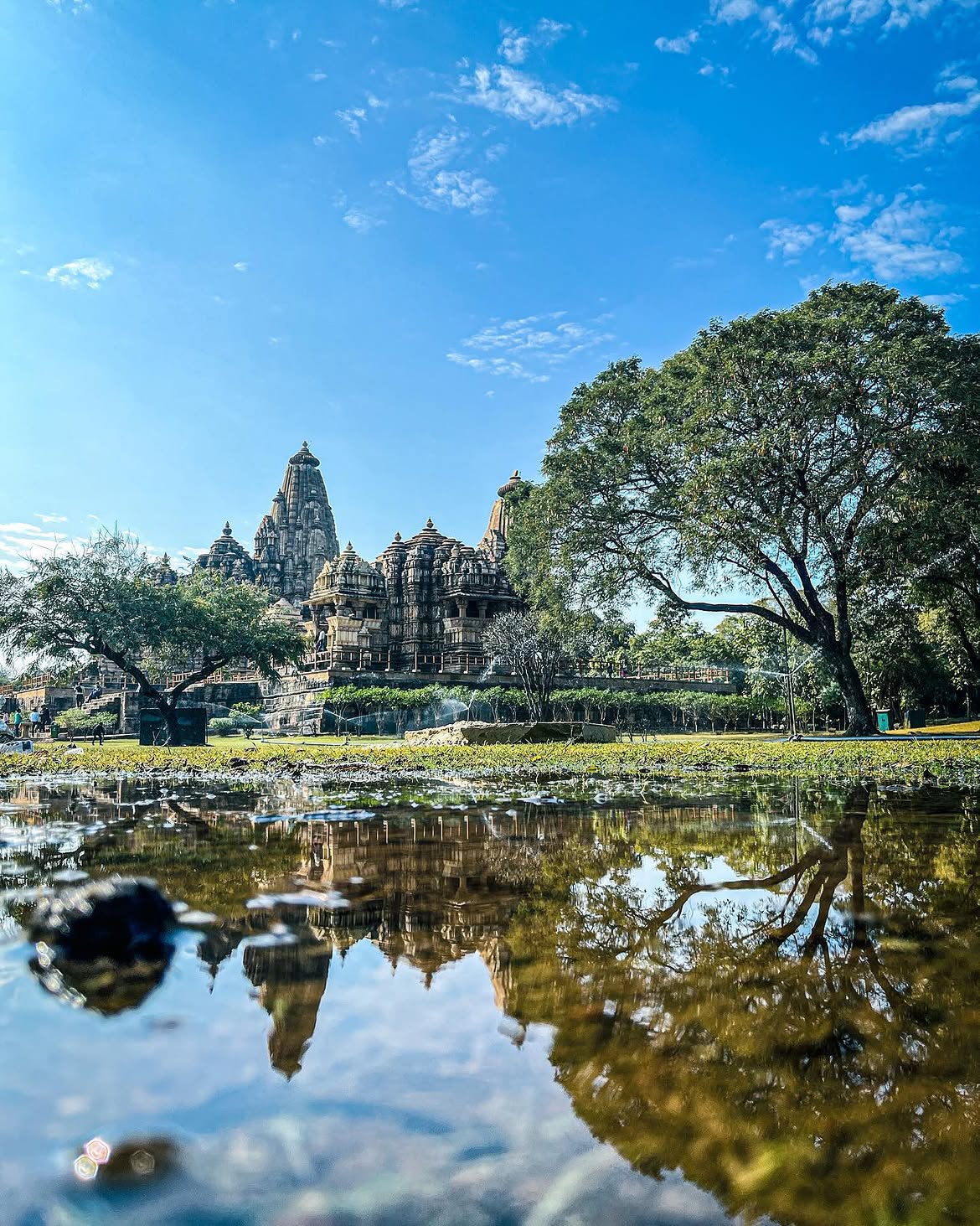
There are some places that amaze you with towering mountains, others with sparkling beaches. Then there is Khajuraho, a destination that leaves you speechless with stone. Whether you’re a history lover, photographer, architecture enthusiast, solo traveler, or someone searching for India’s hidden gems, Khajuraho deserves a place on your travel bucket list. So, today I am going to give a Khajuraho travel guide, budget itinerary, hotels & travel tips.
Contents
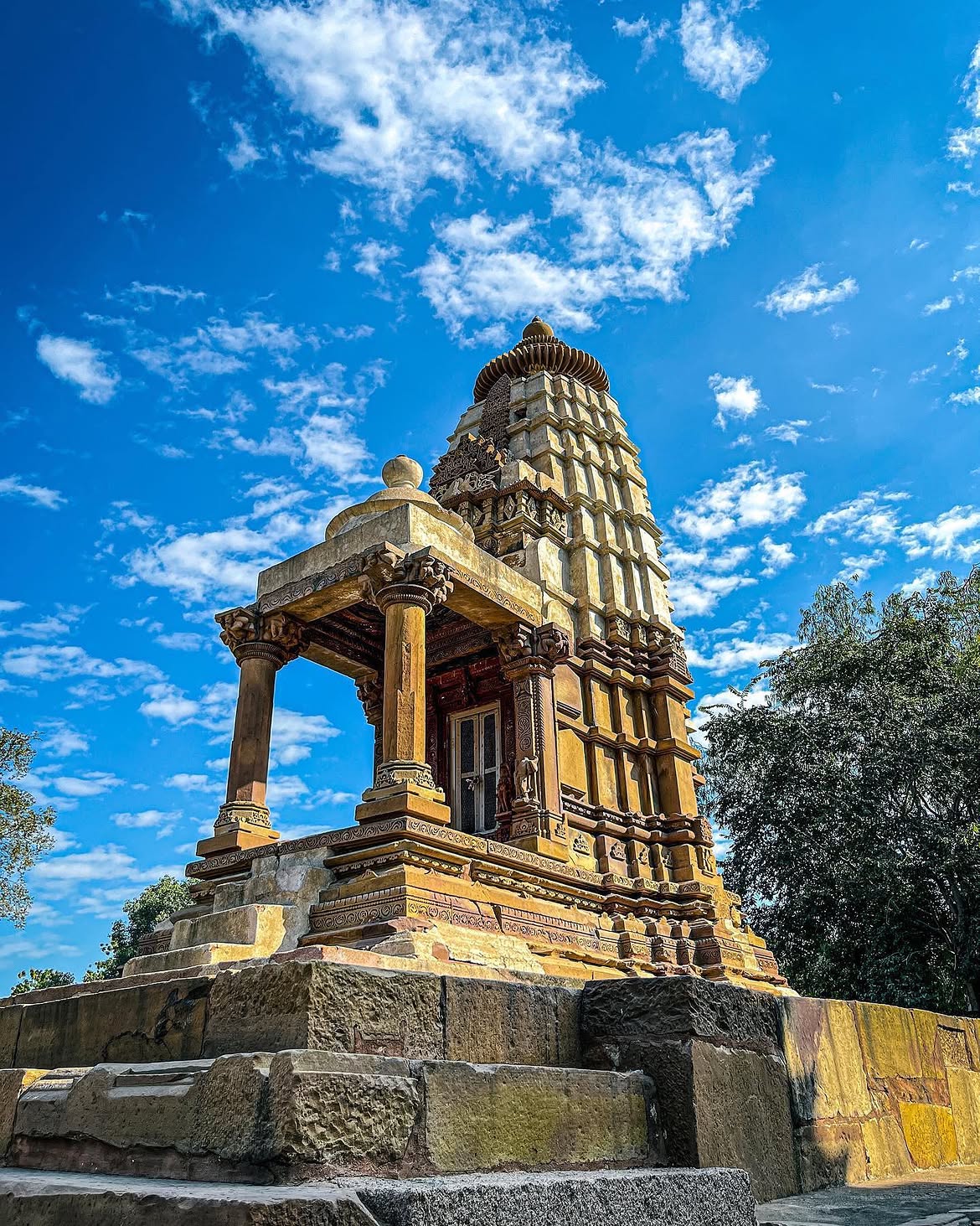
About Khajuraho Group of Monuments:
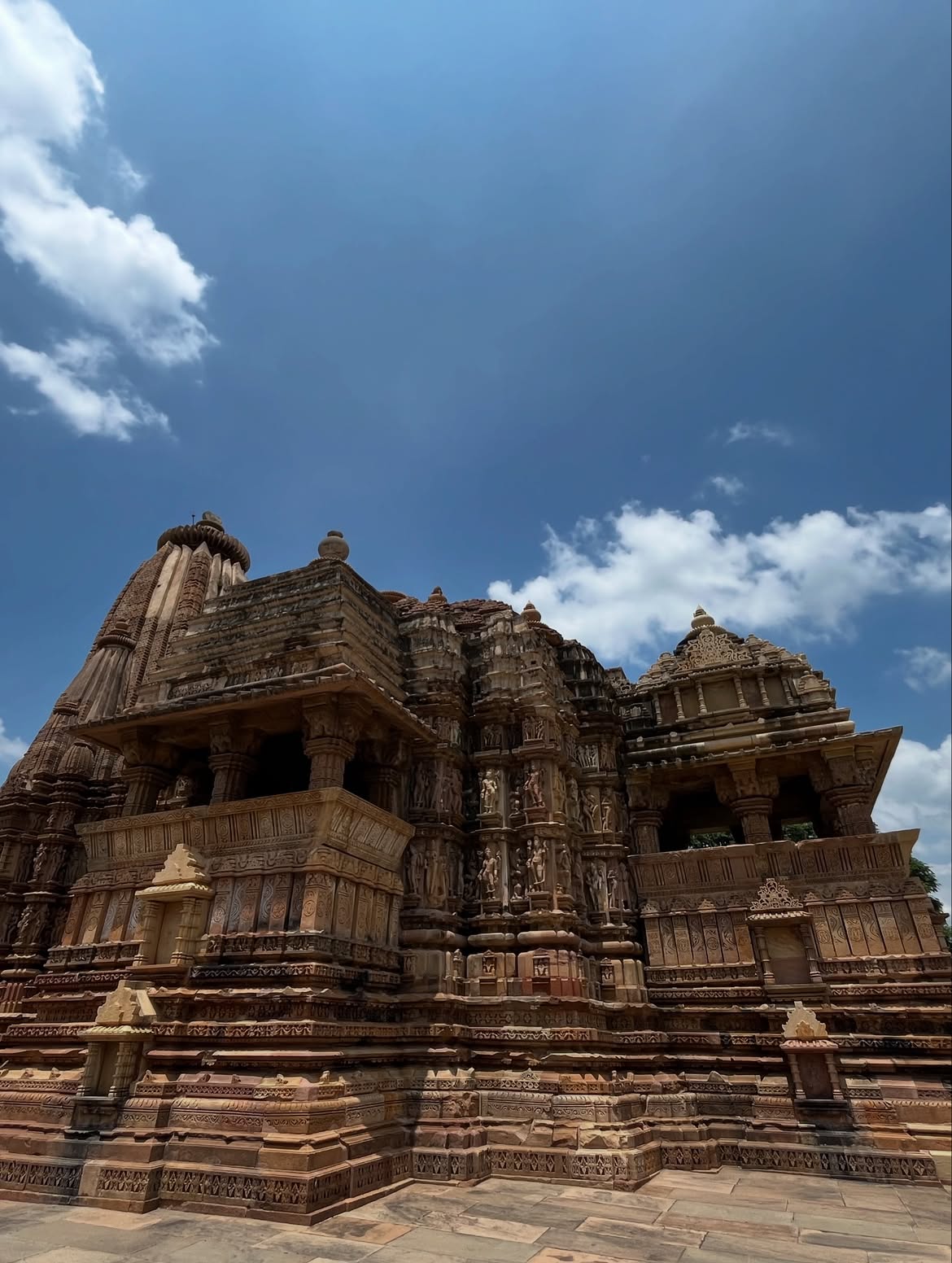
When I first arrived in this small town in Madhya Pradesh, I expected to see beautiful temples. What I didn’t expect was how alive they would feel. Every wall seemed to tell a story. Every sculpture captured a moment of life—from musicians and dancers to warriors, gods, everyday families, and the famous intricate carvings that have made Khajuraho known around the world.
Walking through these centuries-old temples during sunrise, with soft golden light illuminating the sandstone carvings, felt like stepping into another era. Khajuraho isn’t just about architecture—it’s about history, culture, craftsmanship, spirituality, and the incredible imagination of the artisans who built these masterpieces over 1,000 years ago.
Located in the Chhatarpur district of Madhya Pradesh, the Khajuraho Group of Monuments is one of India’s most celebrated UNESCO World Heritage Sites. Built between 950 and 1050 CE by the Chandela dynasty, these temples represent the pinnacle of medieval Indian temple architecture.
Originally, historians believe there were around 85 temples spread across nearly 20 square kilometers. Today, about 20–25 temples remain, remarkably preserved despite the passage of time.
The temples are famous for:
- Intricate sandstone sculptures
- Nagara-style architecture
- Hindu and Jain temples
- Exceptional craftsmanship
- Spiritual symbolism
- Detailed carvings depicting various aspects of life
While the erotic sculptures receive much attention, they make up only a small portion of the overall artwork. Most carvings depict mythology, music, dance, nature, daily life, and devotion.
(Also Read: Ujjain: Mahakal Nagari: The Famous City of Madhya Pradesh )
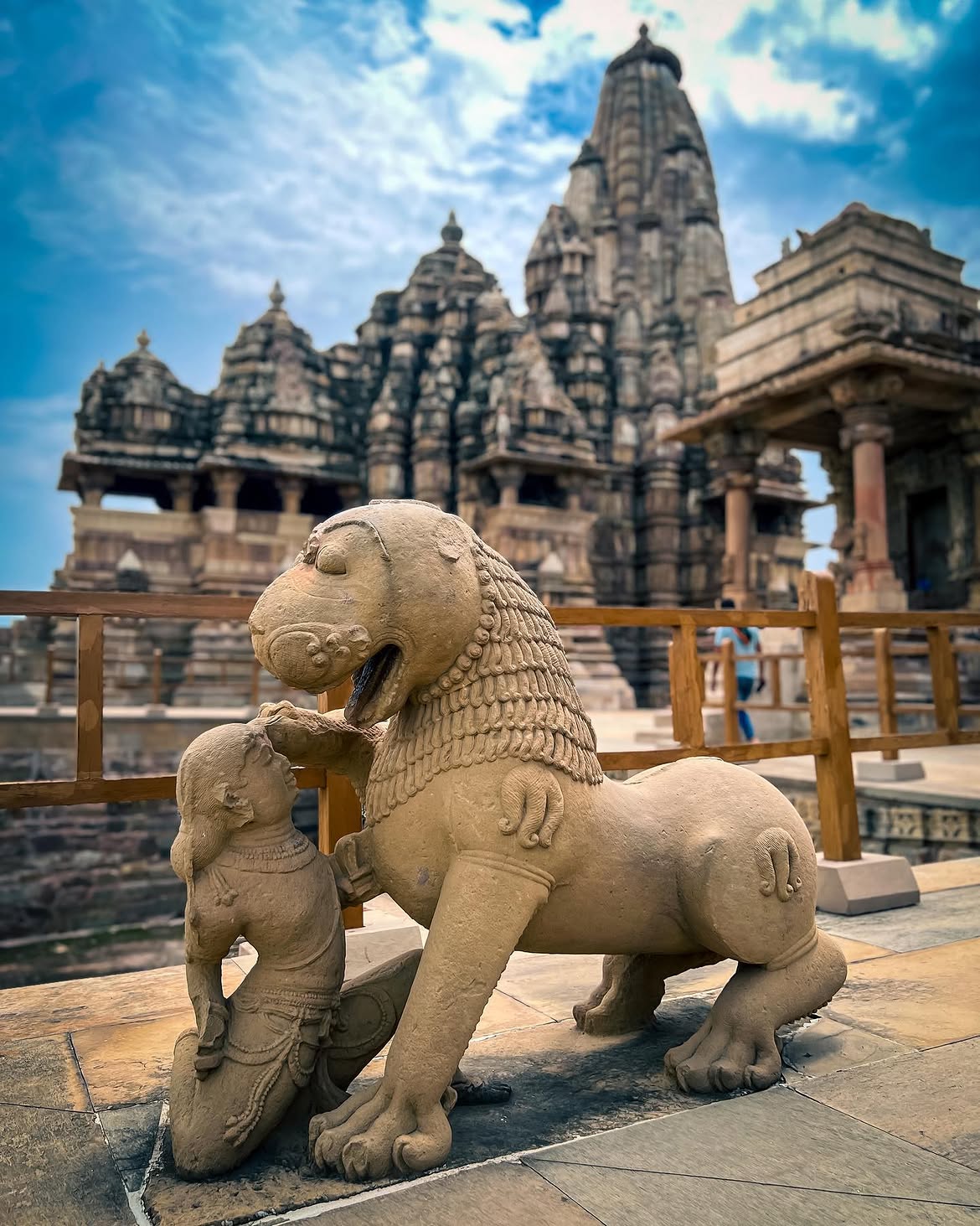
Why Khajuraho Is a UNESCO World Heritage Site
UNESCO recognized Khajuraho for its extraordinary artistic and architectural value.
The temples showcase:
- Advanced engineering techniques
- Exceptional stone craftsmanship
- Rich cultural heritage
- Religious harmony
- Outstanding medieval architecture
Every sculpture demonstrates incredible precision, proving the artistic excellence achieved more than a thousand years ago.
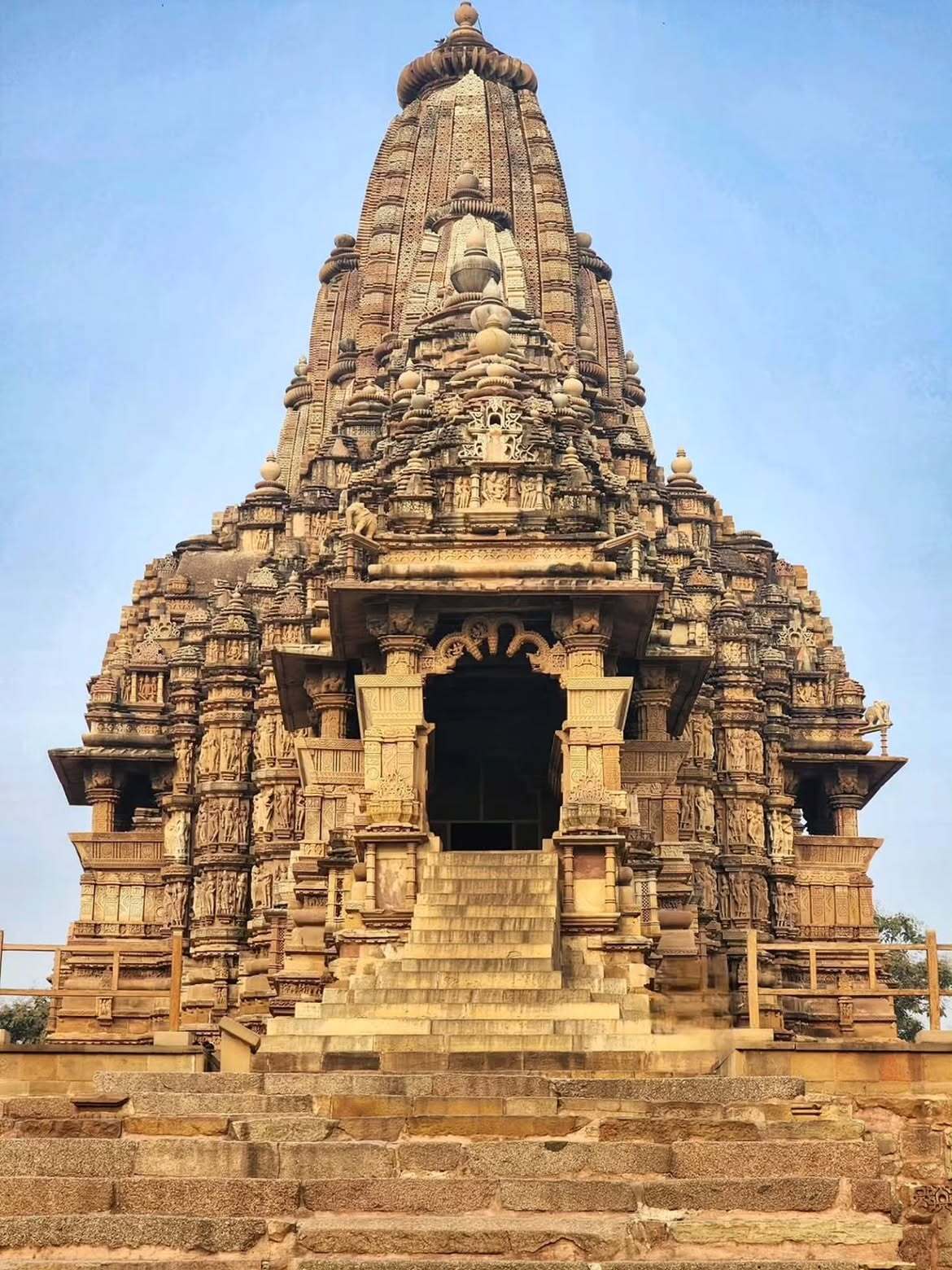
History of Khajuraho
The Chandela rulers transformed Khajuraho into an important religious and cultural center during the 10th and 11th centuries.
The temples were dedicated primarily to:
- Lord Shiva
- Lord Vishnu
- Devi (the Goddess)
- Surya (Sun God)
- Jain Tirthankaras
After the decline of the Chandela kingdom, Khajuraho gradually faded from prominence and became enveloped by dense forests. In the 19th century, British engineer Captain T. S. Burt brought the temples back to wider public attention after local residents guided him to the site.
Today, Khajuraho stands as one of India’s most remarkable archaeological treasures.
(Also Read: 9 Famous Historical Places in India )
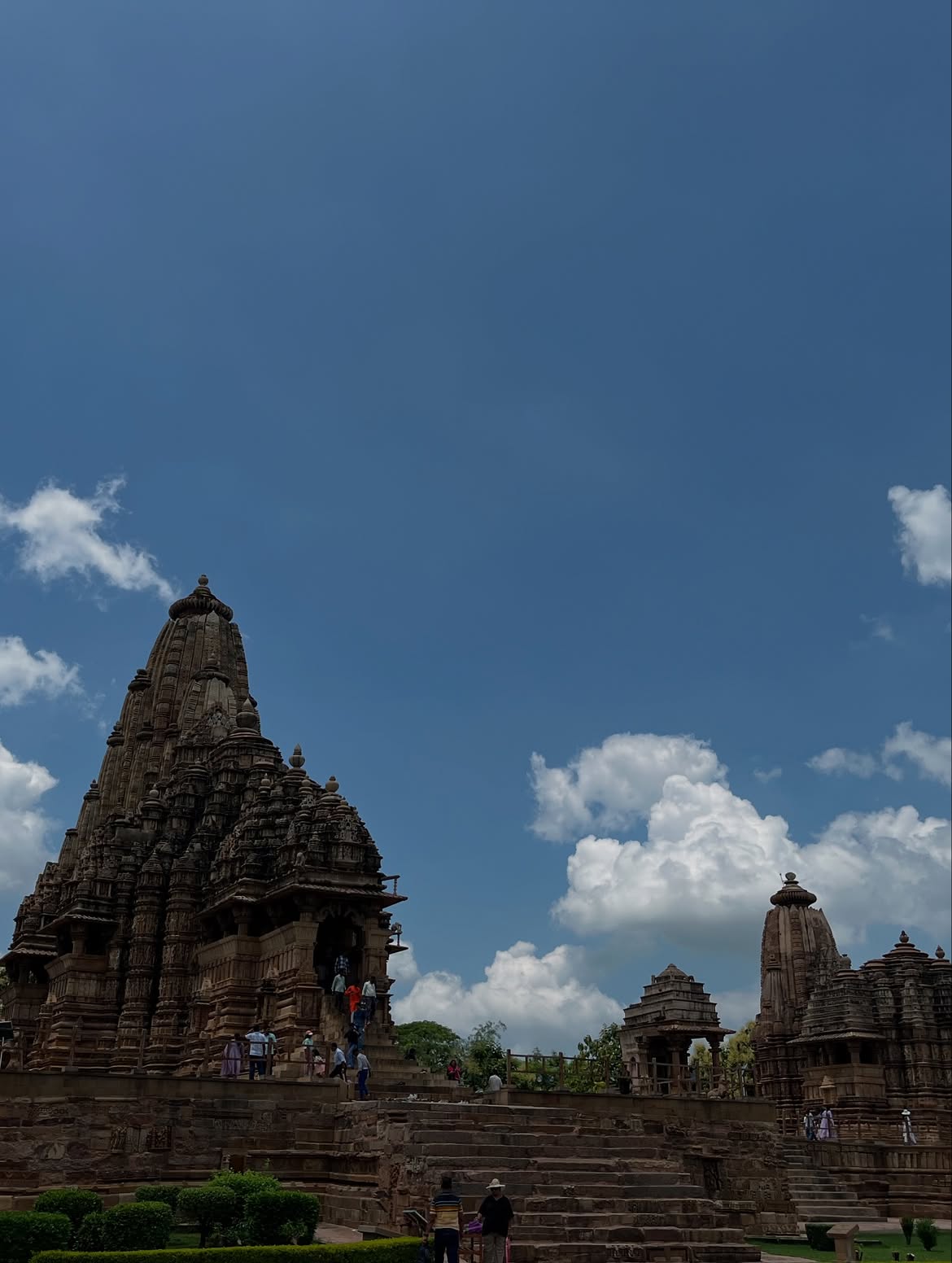
The Three Temple Groups
The monuments are divided into three main groups.
1. Western Group of Temples (Must Visit)
This is the largest, best-preserved, and most popular complex.
Major temples include:
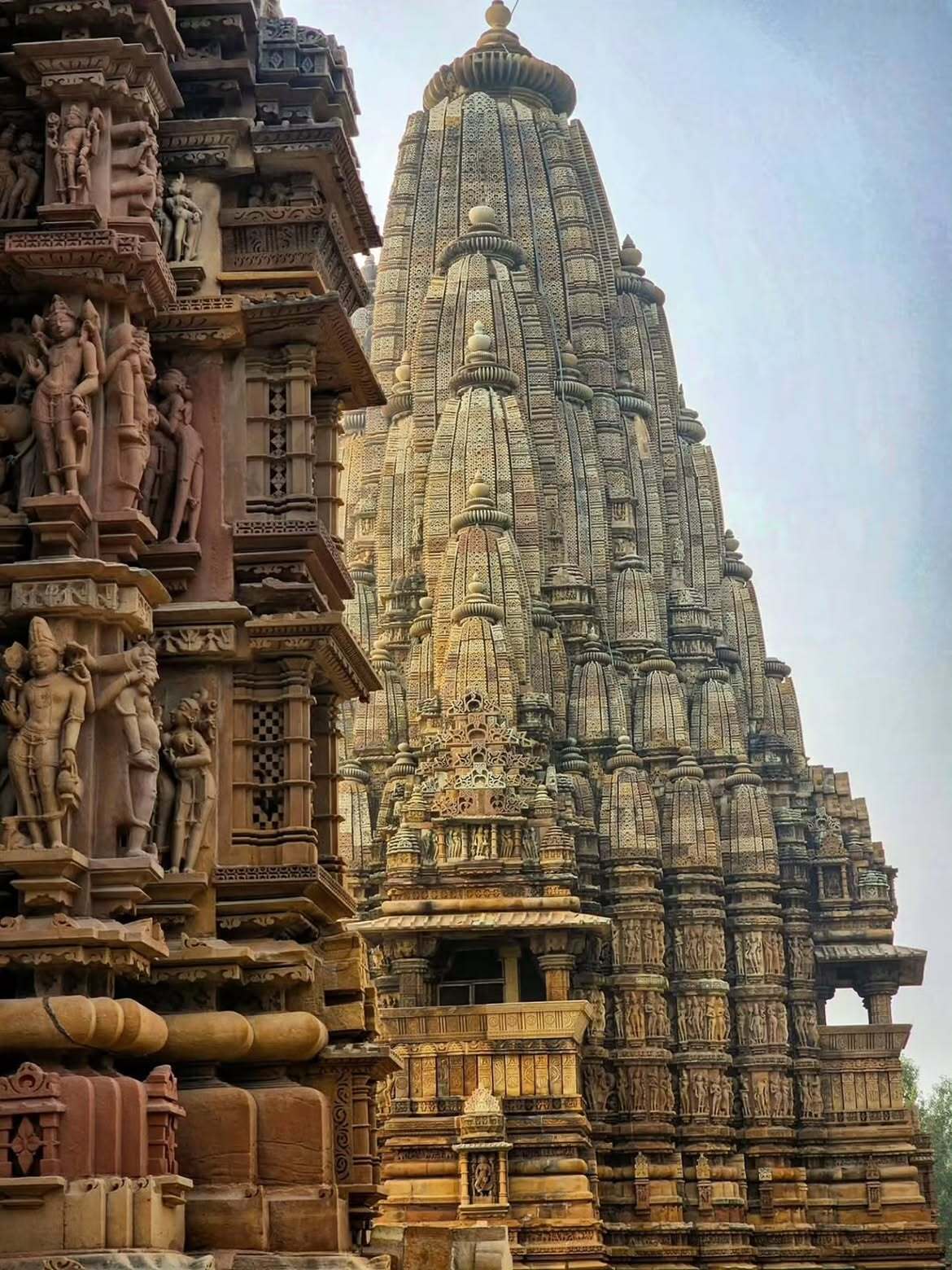
- Kandariya Mahadeva Temple
- Lakshmana Temple
- Chitragupta Temple
- Vishwanath Temple
- Devi Jagadambi Temple
- Matangeshwar Temple
Recommended time: 3–4 hours
2. Eastern Group of Temples
These include both Hindu and Jain temples.
Highlights include:
- Parsvanath Temple
- Adinath Temple
- Ghantai Temple
Perfect for travelers interested in Jain heritage and quieter surroundings.
3. Southern Group of Temples
Less crowded but equally beautiful.
Key attractions:
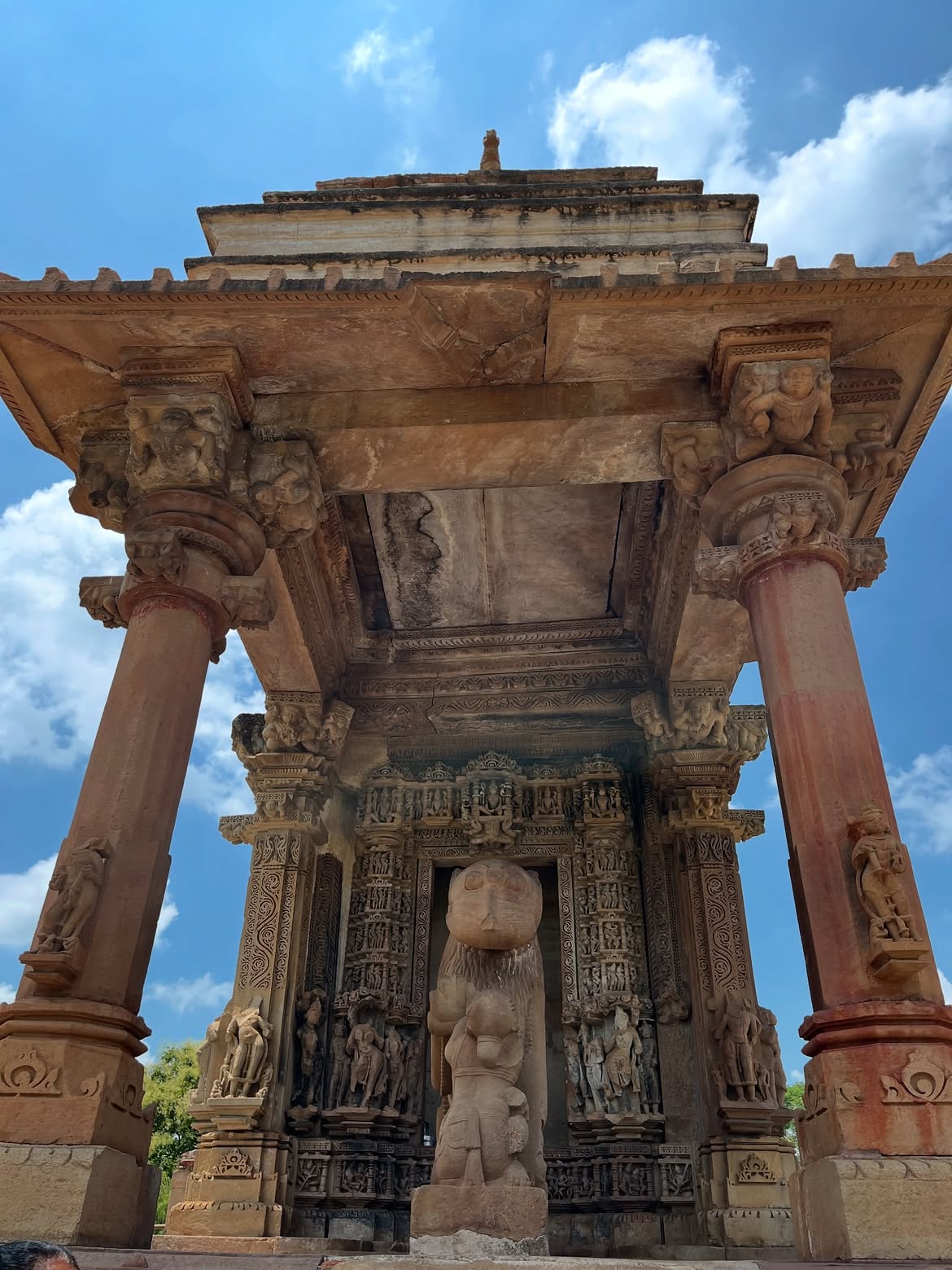
- Duladeo Temple
- Chaturbhuj Temple
These temples offer a peaceful experience away from tourist crowds.
(Also Read: 7 Famous Tourist Places to Visit in Gujrat )
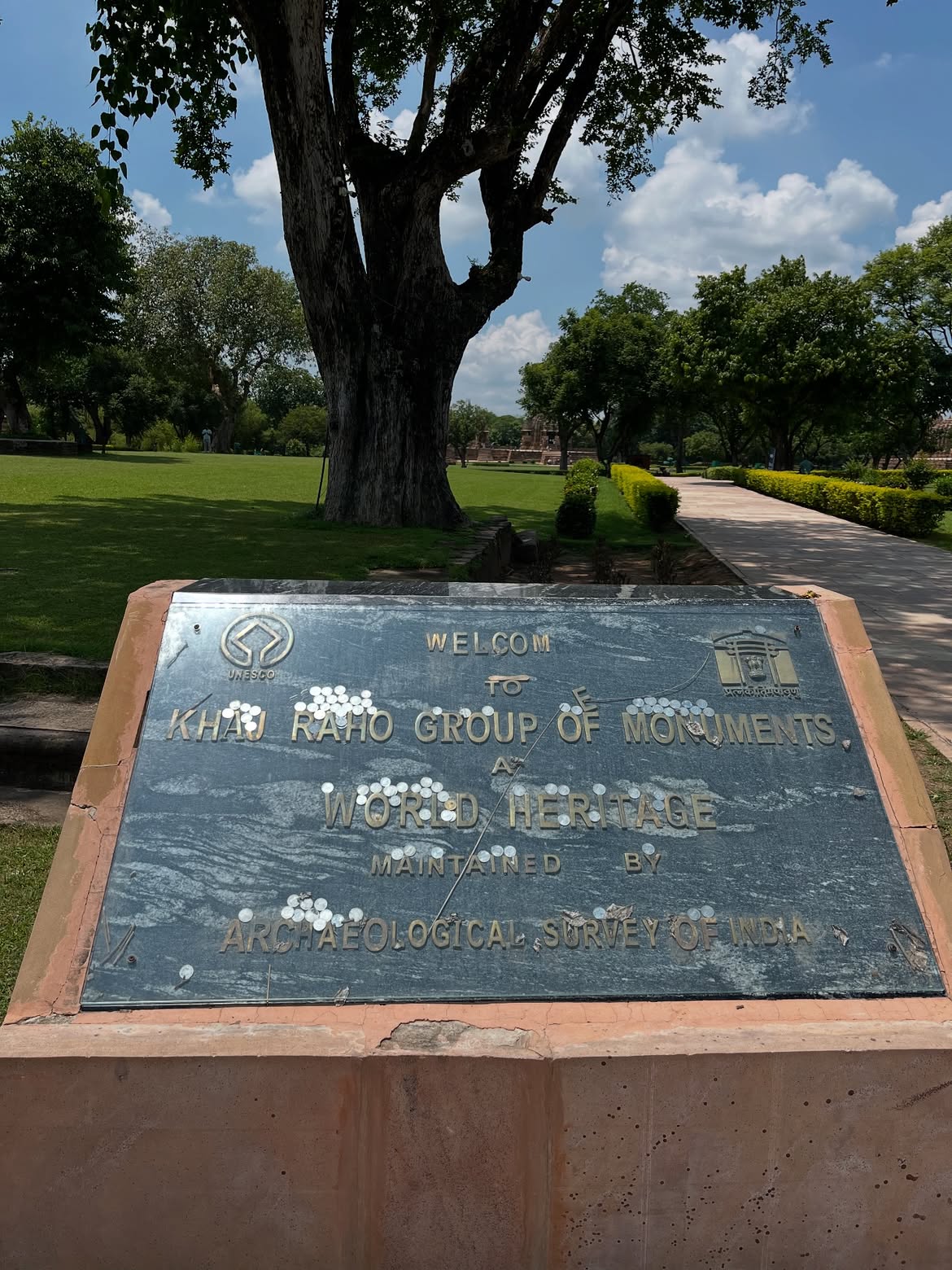
Legends of Khajuraho:
Khajuraho is not only famous for its breathtaking temple architecture but also for the fascinating legends that surround its origin. While historians attribute the construction of the temples to the Chandela dynasty between the 10th and 11th centuries, local folklore adds an enchanting layer of mystery and romance to their history.
Whether these stories are historically accurate or not, they have been passed down through generations and continue to captivate visitors from around the world.
Here are some of the most popular legends of Khajuraho.
1. The Legend of Hemavati and the Moon God (The Most Famous Story)
The most well-known legend begins with a beautiful young woman named Hemavati, the daughter of a royal priest.
According to folklore, one warm summer night, Hemavati was bathing alone in a lotus-filled pond under the bright moonlight. Her extraordinary beauty caught the attention of Chandra, the Moon God.
Mesmerized, Chandra descended from the heavens and fell in love with her. Their divine union resulted in the birth of a son named Chandravarman.
However, Hemavati faced social criticism for becoming a mother outside of marriage. She left society and raised her son alone in the forests of central India.
Before departing, Chandra blessed Chandravarman and foretold that he would become a great king.
As Chandravarman grew up, he fulfilled this prophecy by founding the Chandela dynasty. When he became king, his mother requested that he build magnificent temples celebrating every aspect of human life so that people would understand that life itself is sacred and should never be a source of shame.
Inspired by his mother’s wish, Chandravarman commissioned the construction of the temples of Khajuraho.
This legend is often cited to explain why the temples depict themes of love, beauty, family life, spirituality, music, dance, and human relationships.
(Also Read: Top 10 Most Beautiful Tourist Places In Uttarakhand )
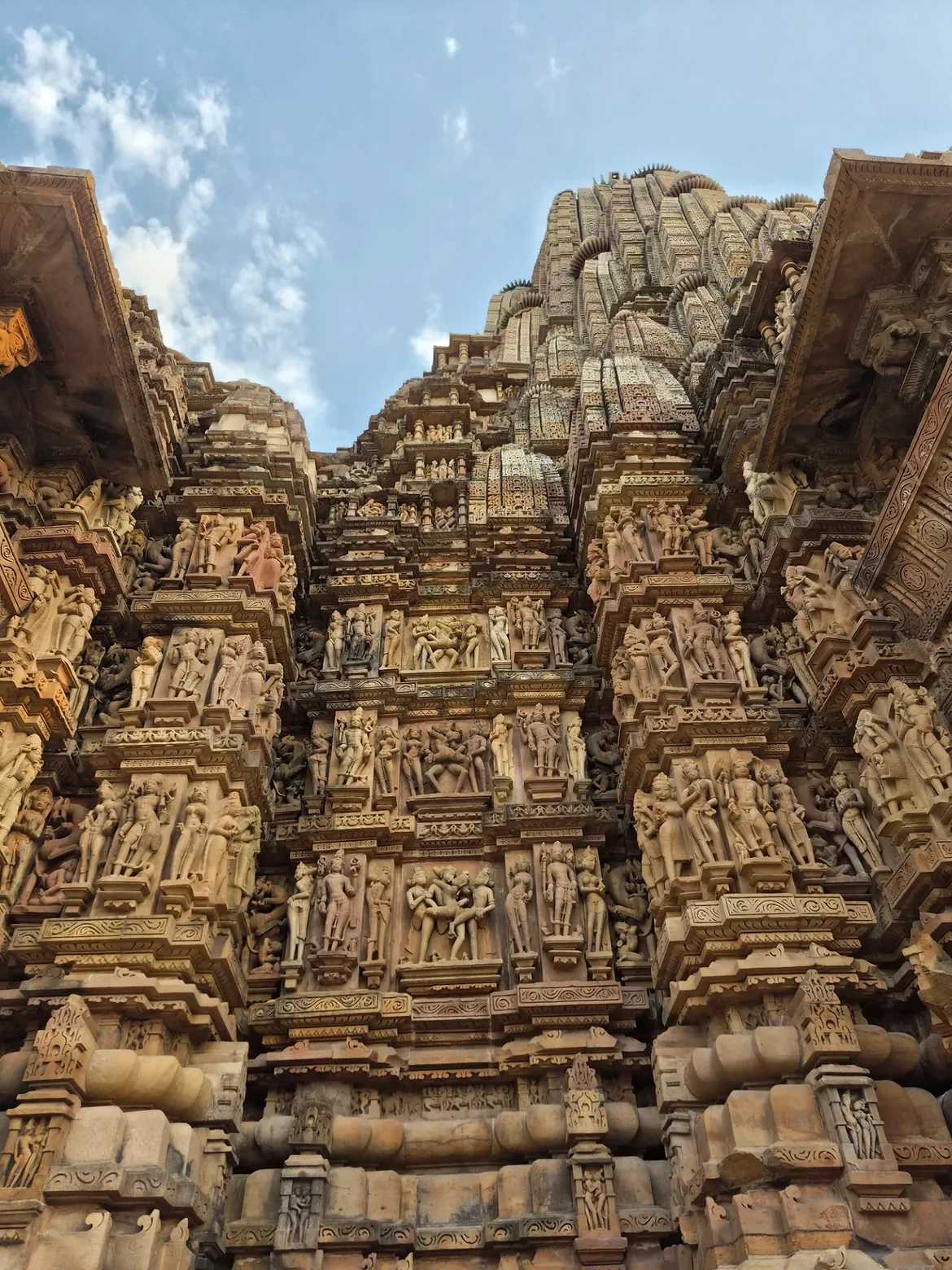
2. The Story Behind the Erotic Sculptures
One of the biggest mysteries surrounding Khajuraho is the presence of its famous erotic sculptures.
Several legends attempt to explain their purpose.
A Lesson in the Four Goals of Life
According to one belief, the sculptures represent the four Purusharthas (goals of human life):
- Dharma (Righteousness)
- Artha (Prosperity)
- Kama (Love and Desire)
- Moksha (Liberation)
The carvings remind visitors that spiritual growth includes understanding worldly life rather than denying it.
Leaving Worldly Desires Outside
Another legend suggests that the sculptures were intentionally carved on the outer walls of the temples.
The idea was simple:
Before entering the sacred inner sanctum, devotees symbolically left behind worldly desires, attachments, and distractions.
The temple journey represented a progression from the material world to spiritual enlightenment.
Celebrating Life
Some local traditions interpret the sculptures as celebrations of joy, fertility, marriage, music, dance, and the continuity of life. Rather than focusing solely on sensuality, the carvings are seen as a reflection of the richness and diversity of human experience.
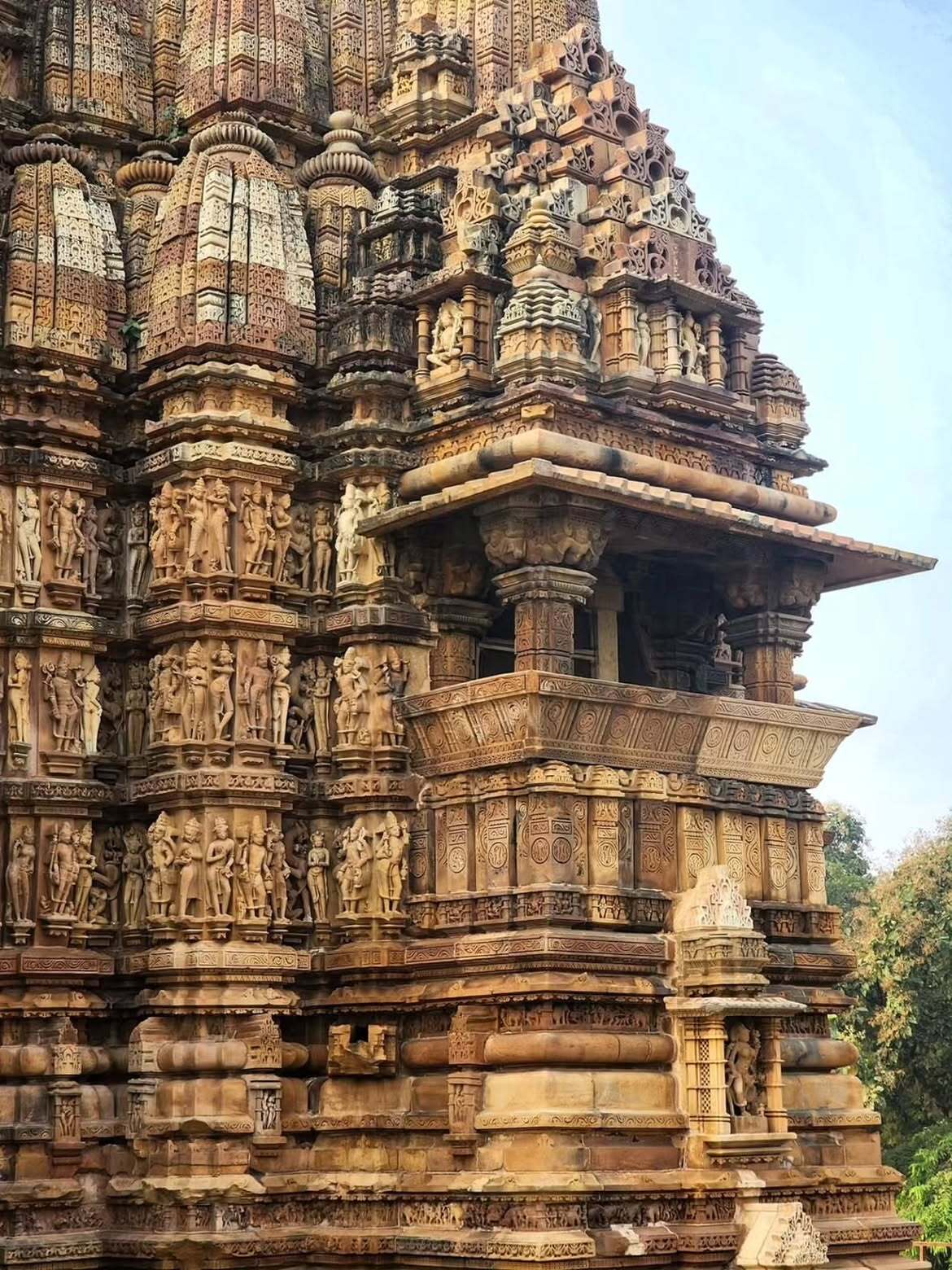
3. The Divine Architects
Some villagers once believed that ordinary craftsmen could never have created monuments of such perfection.
According to this legend:
- The gods themselves guided the artisans.
- Divine architects inspired every sculpture.
- The temples were built with heavenly blessings.
Although history credits highly skilled Chandela-era artisans, this legend reflects the awe that the temples continue to inspire.
(Also Read: Top 13 Delightful Places In Uttarakhand )
4. The Hidden City in the Forest
After the decline of the Chandela kingdom, Khajuraho gradually disappeared beneath dense forests.
Local folklore says that the temples were protected by divine powers and remained hidden for centuries until they were rediscovered.
When British engineer Captain T. S. Burt visited the area in the 19th century, local villagers guided him to the forgotten temple complex, bringing Khajuraho back into public attention.
This story adds to the sense of mystery surrounding the site.
5. The Temple of Love
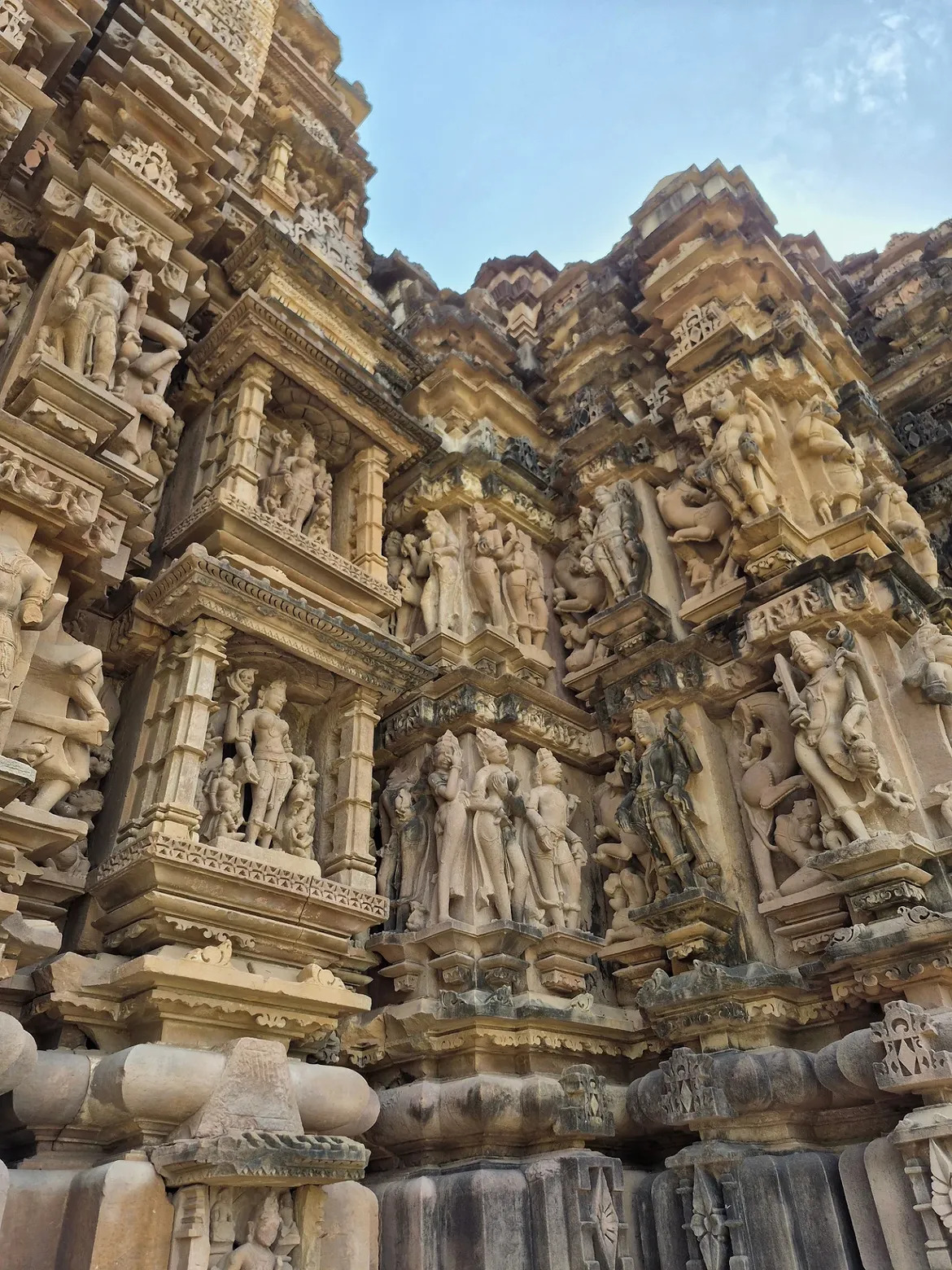
Another popular belief is that Khajuraho was designed as a celebration of love in all its forms.
The sculptures depict:
- Married couples
- Musicians
- Dancers
- Families
- Deities
- Celestial beings
- Everyday life
According to this legend, the temples remind humanity that love, compassion, creativity, and devotion are all essential parts of existence.
(Also Read: 9 Famous Temples in Rajasthan )
The Most Beautiful Temples to Visit:
Whether historically accurate or not, the legends of Khajuraho enrich the visitor experience by connecting the monuments with centuries of storytelling and local tradition. They encourage travelers to see the temples not just as architectural masterpieces, but as places where history, faith, symbolism, and imagination come together.
As you walk among the intricately carved walls, it’s easy to understand why these stories have endured. Every sculpture seems to invite a new interpretation, and every temple whispers a tale that has been passed from one generation to the next.
For many visitors, that blend of legend and history is part of what makes Khajuraho one of India’s most unforgettable destinations.
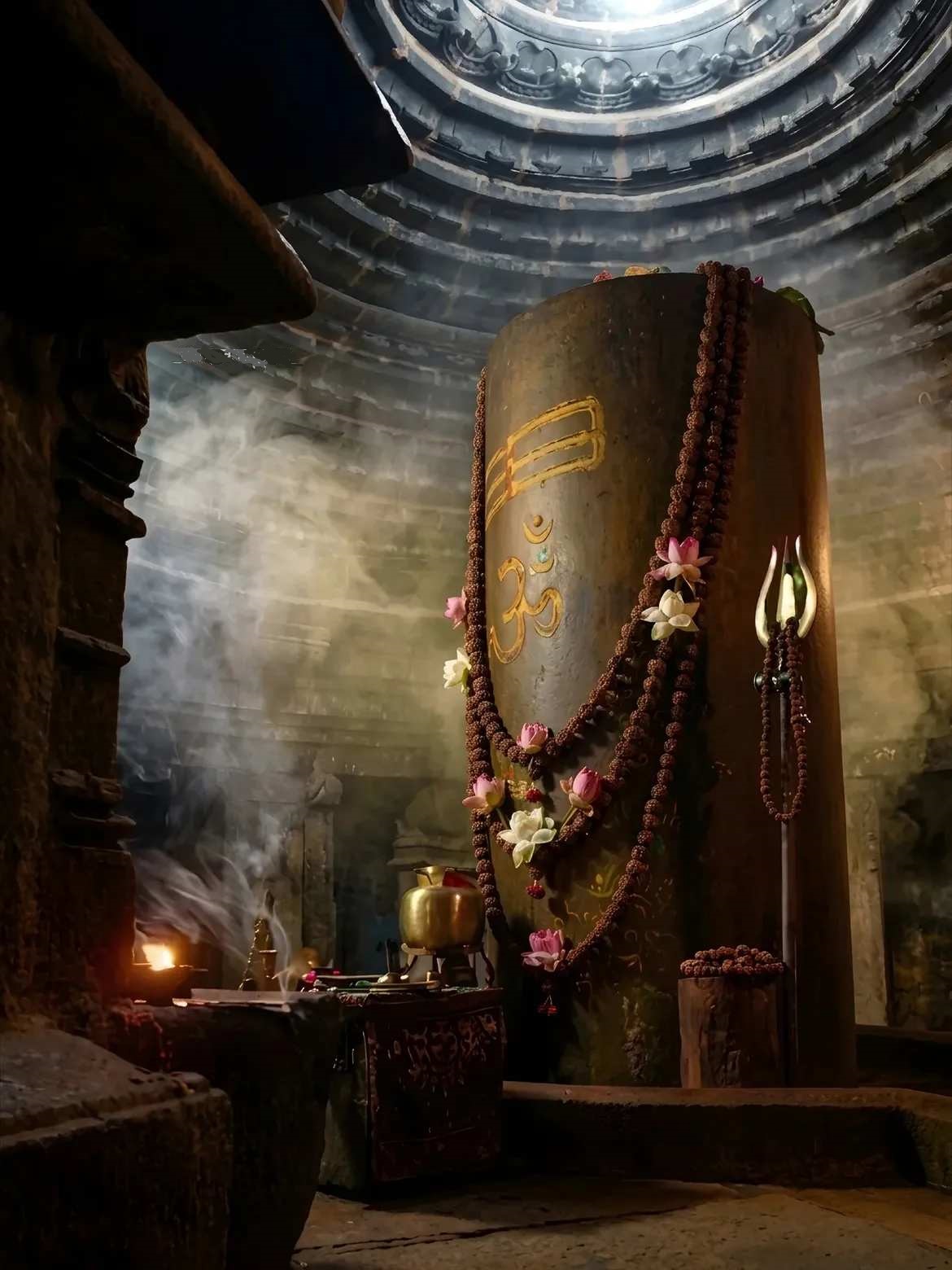
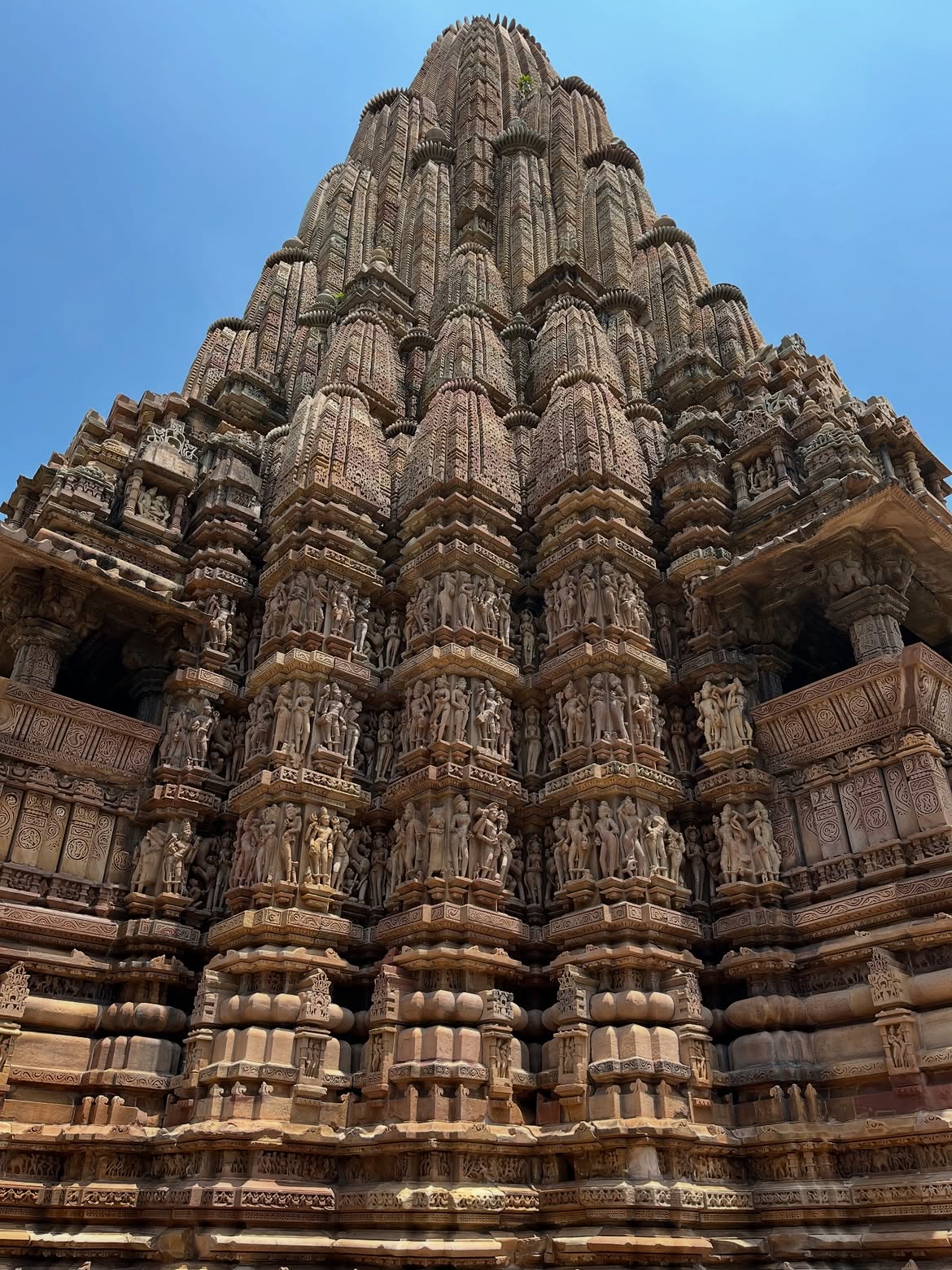
Kandariya Mahadeva Temple
Often considered the masterpiece of Khajuraho, this temple features:
- Over 800 sculptures
- Towering shikhara (spire)
- Beautiful carvings
- Magnificent entrance
This is the temple that leaves most visitors in awe.
Lakshmana Temple
One of the oldest temples in Khajuraho.
Known for:
- Detailed carvings
- Excellent preservation
- Rich mythology
- Panchayatana temple layout
Vishwanath Temple
Dedicated to Lord Shiva, this temple is famous for its elegant sculptures and peaceful atmosphere.
Chitragupta Temple
Dedicated to Surya, the Sun God, this temple houses a stunning image of the deity riding a seven-horse chariot.
Parsvanath Temple
The largest Jain temple in Khajuraho, admired for its intricate carvings and serene ambiance.
(Also Read: To Best 16 Places To Visit In Uttar Pradesh )
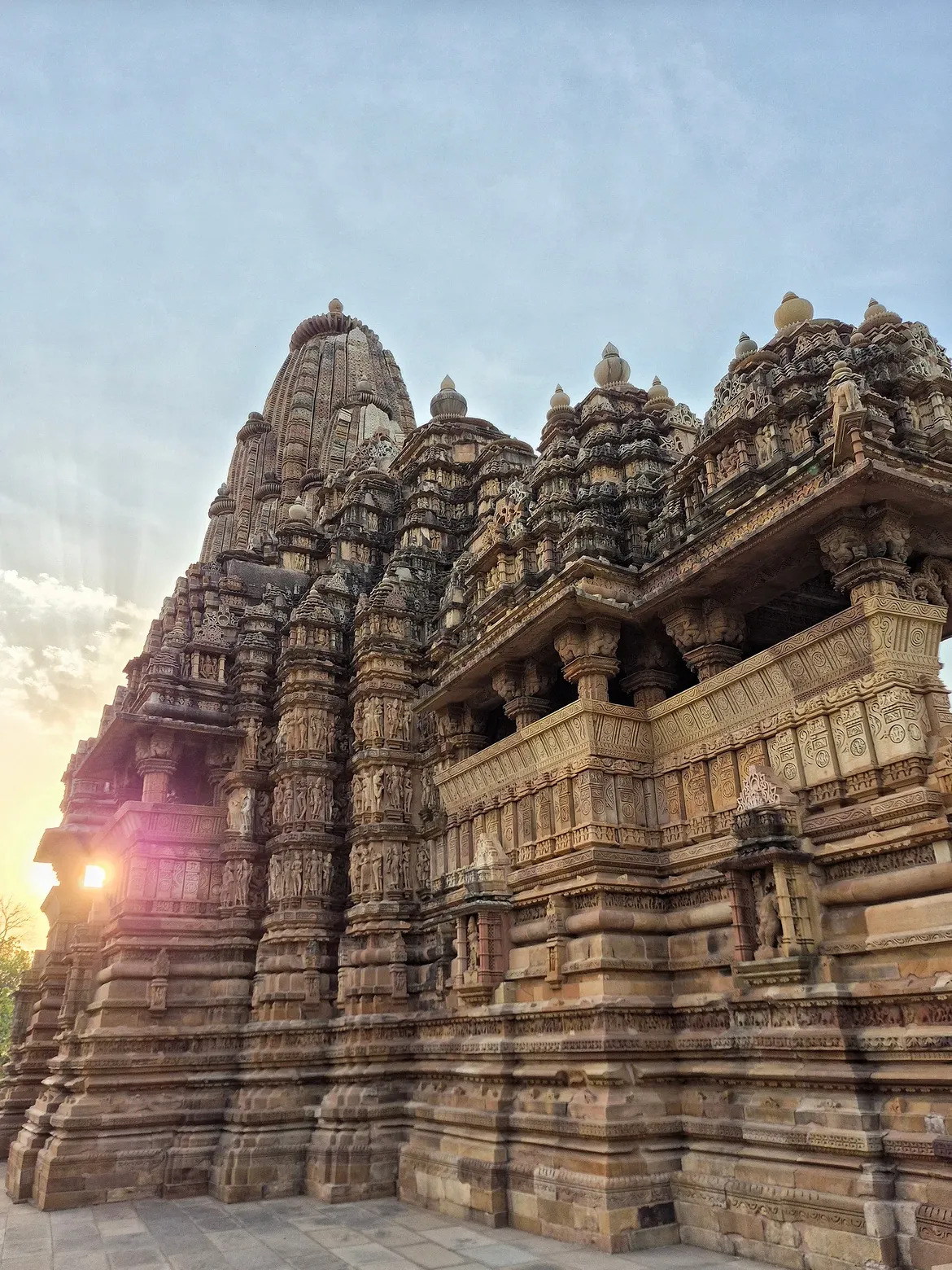
Best Time to Visit Khajuraho:
The best time to visit Khajuraho is from October to March when the weather is pleasant for sightseeing. Winter temperatures range between 10°C and 28°C, making temple exploration comfortable.
October to March (Best Season):
This is the ideal time to visit.
Weather:
- Pleasant temperatures (10°C–28°C)
- Comfortable sightseeing
- Clear skies
- Great photography conditions
July to September (Monsoon):
The surrounding greenery becomes lush, creating beautiful landscapes. Occasional rain showers can enhance the atmosphere but may interrupt outdoor exploration.
April to June (Summer):
Temperatures can exceed 40°C, making sightseeing uncomfortable. If traveling during this period, start early in the morning and stay hydrated.
(Also Read: 11 Beautiful and Famous Historical Forts in Rajasthan )
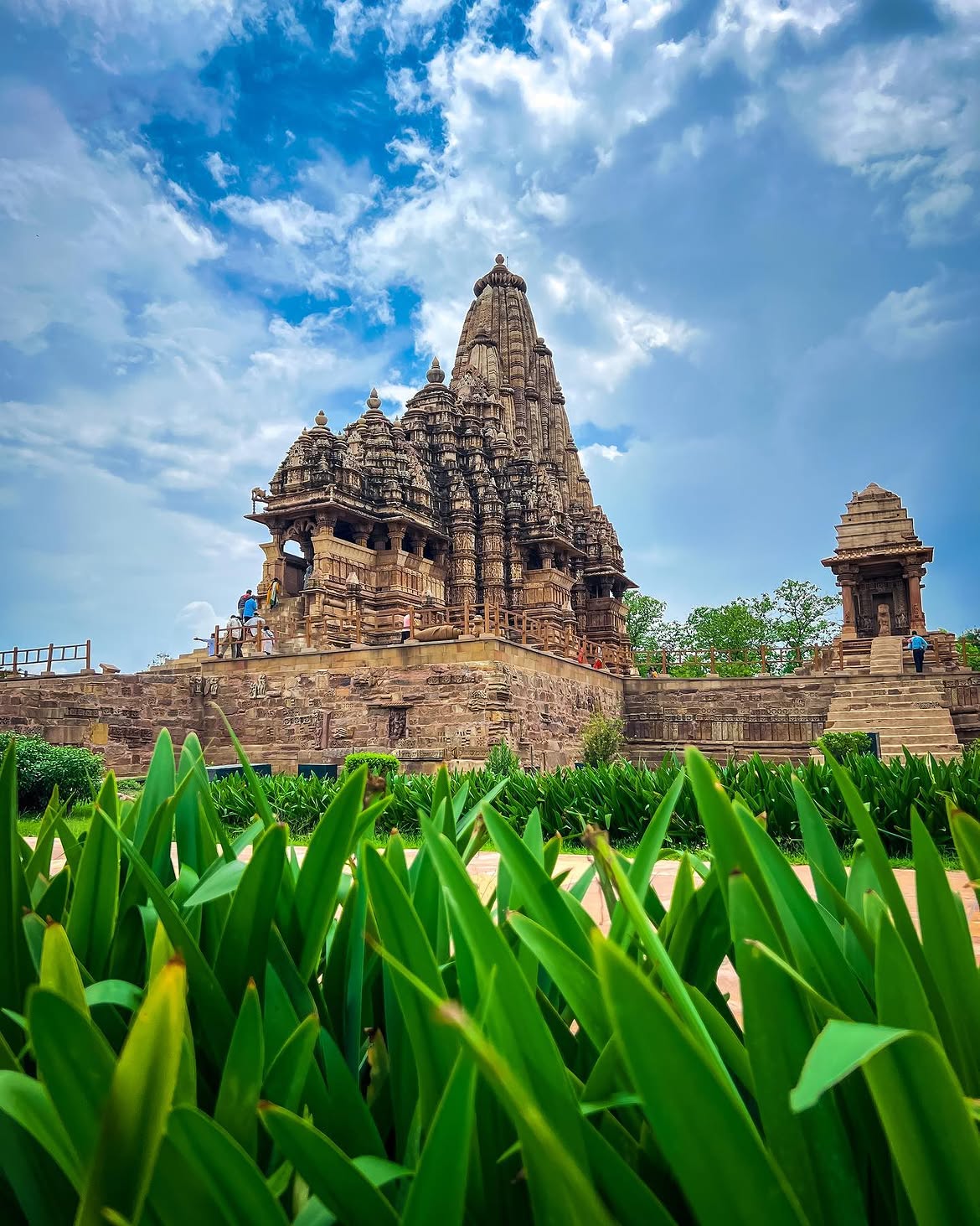
How to Reach Khajuraho:
By Air
Khajuraho has its own airport with connections to select Indian cities. Additional flight options are available through nearby hubs such as Jabalpur, Prayagraj, and Varanasi, followed by road or rail travel.
By Train
Khajuraho Railway Station is connected to several major cities. Travelers can also use nearby railway stations such as:
- Mahoba
- Satna
- Jhansi
By Road
Khajuraho is well connected by highways.
Approximate distances:
- Jhansi – 175 km
- Satna – 115 km
- Panna – 45 km
- Orchha – 180 km
Buses, taxis, and self-drive options are available.
(Also Read: Top 17 Best Places To Visit In Kerala )
Budget-Friendly 3-Day Itinerary:
Day 1 – Explore the Western Group
Morning
- Arrive in Khajuraho
- Check into your hotel
- Enjoy a local breakfast
Late Morning & Afternoon
- Visit the Western Group of Temples
- Spend time photographing the sculptures
- Explore the temple museum
Evening
- Attend the Light and Sound Show
- Try authentic Bundeli cuisine
Estimated Budget
- Hotel: ₹1,200
- Food: ₹600
- Local transport: ₹300
- Entry tickets: ₹700
Total: ₹2,800
Day 2 – Eastern & Southern Groups
Morning
- Visit Jain temples
- Explore the Eastern Group
Afternoon
- Lunch at a local restaurant
- Visit the Southern Group
Evening
- Shop for handicrafts and stone carvings
- Relax at a café
Estimated Budget
₹2,000
Day 3 – Raneh Falls & Panna National Park
Morning
- Visit Raneh Falls, known for its dramatic canyon of multicolored granite.
Afternoon
- Head to Panna National Park for a wildlife safari (advance booking recommended).
Evening
- Return to Khajuraho
- Depart for your next destination
Estimated Budget
₹3,500–₹5,000 (depending on safari options)
(Also Read: 11 Most Famous Tourist Places In Odisha )
Budget Breakdown
| Expense | Budget Traveler | Mid-Range Traveler |
|---|---|---|
| Hotel | ₹800–₹1,500 | ₹2,500–₹5,000 |
| Food | ₹500–₹800 | ₹1,200–₹2,000 |
| Local Transport | ₹300–₹700 | ₹1,000+ |
| Entry Fees | ₹700–₹900 | ₹700–₹900 |
| Shopping | ₹500–₹2,000 | ₹2,000+ |
Average Daily Budget
- Backpacker: ₹2,500–₹3,500
- Comfortable Traveler: ₹5,000–₹8,000
What to Eat in Khajuraho
Don’t miss these local dishes:
- Poha with Jalebi
- Bundeli Thali
- Dal Bafla
- Kachori
- Samosa
- Rabri
- Malpua
- Lassi
Several restaurants also serve North Indian, South Indian, and continental cuisine.
Where to Stay:
One of the best things about visiting Khajuraho is that accommodation is available for every type of traveler. Whether you’re a backpacker looking for an affordable guesthouse, a couple seeking a heritage-style stay, or a family wanting a comfortable resort, you’ll find plenty of options within a short distance of the UNESCO World Heritage temples.
Most hotels are located within 2–5 km of the Western Group of Temples, making it easy to explore the monuments on foot, by auto-rickshaw, or by bicycle. You can get hotels ranging ₹800–₹6,000+. Best Areas to Stay in Khajuraho are..
1. Near the Western Group of Temples (Best Overall)
If it’s your first visit, staying near the Western Group of Temples is the most convenient choice.
Why stay here?
- Walking distance to the main temple complex
- Close to restaurants and cafés
- Easy access to souvenir shops
- Nearby Light and Sound Show
- Good transportation options
Best for:
- First-time visitors
- Families
- Solo travelers
- Photographers
- History enthusiasts
2. Khajuraho Town Centre
The town center offers a mix of budget hotels, guesthouses, restaurants, and local markets.
Best for:
- Backpackers
- Budget travelers
- Long stays
3. Luxury Resorts on the Outskirts
If you’re looking for peace and relaxation, consider staying at one of the resorts located slightly outside the town.
Perfect for honeymooners, couples, and travelers seeking a quieter experience.
My Recommendation:
If I were planning a trip to Khajuraho again, I’d stay near the Western Group of Temples. Being able to walk to the temple complex in the early morning, before the crowds arrive, is one of the highlights of the experience. Watching the first rays of sunlight illuminate the intricate sandstone carvings is unforgettable, and returning in the evening for the Light and Sound Show is just as convenient.
For budget travelers, a clean guesthouse or hostel near the temple area offers excellent value. Families and couples will appreciate the comfort of a mid-range hotel, while luxury resorts provide a peaceful retreat after a day of exploring one of India’s most extraordinary UNESCO World Heritage Sites.
(Also Read: Bhangarh Fort: The Most Haunted And Famous Place In Rajasthan )
Essential Travel Tips
- Wear comfortable walking shoes.
- Carry a reusable water bottle.
- Dress modestly while visiting temples.
- Hire a licensed guide if you’re interested in the history and symbolism of the sculptures.
- Visit early in the morning to avoid crowds and heat.
- Keep cash handy for small purchases, although digital payments are widely accepted.
- Avoid touching or climbing on the temple sculptures to help preserve them.
Final Thoughts:
Khajuraho is far more than a collection of ancient temples—it is a living gallery carved in stone, where every sculpture tells a story of devotion, artistry, celebration, and everyday life. What stayed with me long after leaving wasn’t just the famous carvings, but the quiet atmosphere of the temple complex at sunrise, the craftsmanship visible in every detail, and the sense of walking through a place that has endured for over a millennium.
If you’re looking for a destination that blends history, architecture, culture, and a relaxed travel experience, Khajuraho is one of India’s most rewarding places to explore. Give yourself time to wander slowly, appreciate the artistry, and discover why this remarkable UNESCO World Heritage Site continues to captivate travelers from across the globe.
FAQs:
Q. How many days are enough for Khajuraho?
A. A 2–3 day trip is ideal to explore all three temple groups and nearby attractions such as Raneh Falls and Panna National Park.
Q. Are the temples suitable for family visits?
A. Yes. Khajuraho is a UNESCO World Heritage Site visited by families, students, historians, and travelers from around the world. While a small percentage of the carvings depict erotic themes, the vast majority showcase religion, mythology, music, dance, and everyday life.
Q. Is Khajuraho expensive?
A. No. It is a budget-friendly destination. Backpackers can comfortably explore Khajuraho on ₹2,500–₹3,500 per day, while mid-range travelers may spend ₹5,000–₹8,000 per day.
Q. What is the best season to visit?
A. The best time is October to March, when the weather is pleasant for sightseeing and photography.

You May Also Like
Ellora Caves: India’s ...
15 August 2026
Ajanta Caves: Complete Trave ...
15 March 2026
Hampi Travel Guide 2026: Pla ...
15 January 2026
Popular Post

Top 13 Best Place to Visit Karnataka
Dec 15, 2021
To Best 16 Places To Visit In Uttar Pradesh
Mar 15, 2020
The Untouched Beauty of Chuikhim
Jun 15, 2020



Holy Rameswaram : The Island City
Apr 30, 2023
Lava-Lolegaon Tourism: Best Places to Visit
Jul 30, 2024
Top 11 Best Tourist Places In Thrissur
Jan 15, 2025
About Us

Voiceofadventure is a travel blog for sharing travel experiences of travelers and information about famous tourist spots. Voiceofadventure encourages you to make your dream tour plan to flourish your memory.
Leave a Comment