
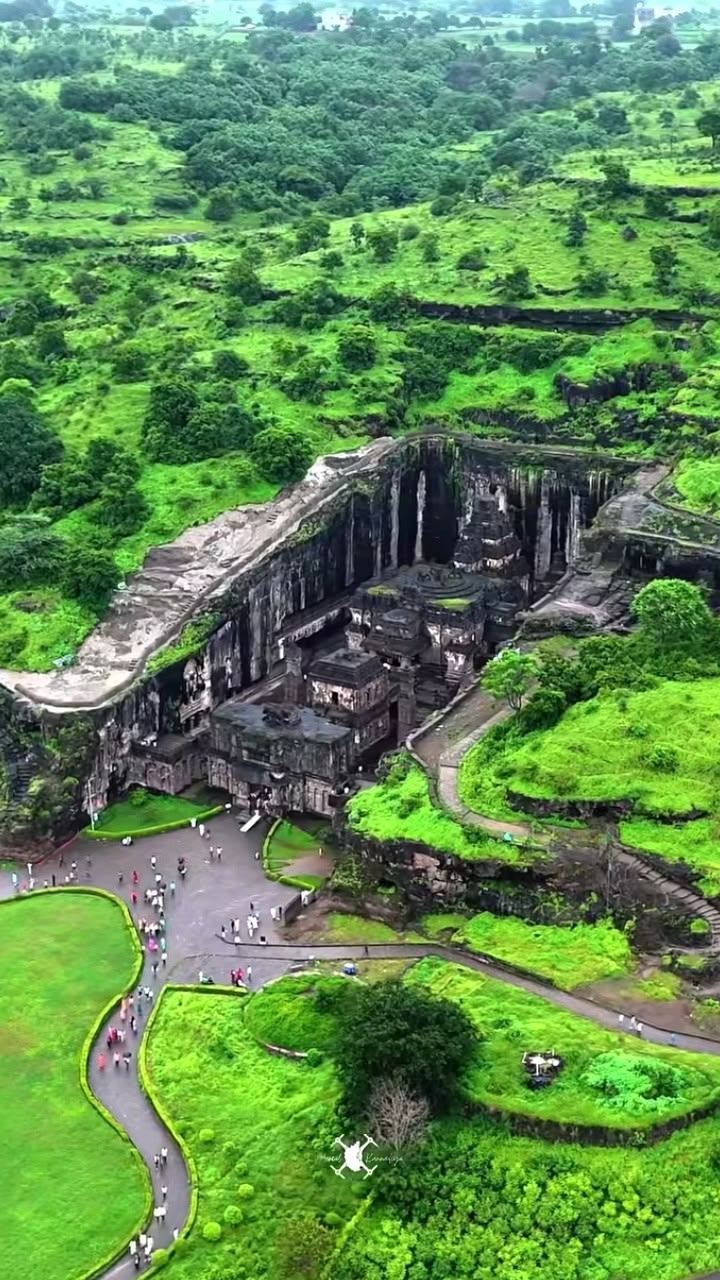
There are very few places in the world where you can witness three major religions living together in stone, admire an engineering marvel carved from a single mountain, and walk through nearly 1,500 years of history in just one day. Welcome to Ellora Caves, one of India’s most breathtaking UNESCO World Heritage Sites.
Located about 30 km from Chhatrapati Sambhajinagar (formerly Aurangabad) in Maharashtra, Ellora Caves is much more than a historical monument. It is an extraordinary journey through ancient Indian art, spirituality, architecture, and craftsmanship. Every pillar, sculpture, and corridor tells a story of devotion and human creativity.
Whether you are a backpacker, history enthusiast, photographer, biker, or family traveler, Ellora Caves promises an unforgettable experience.
Contents
Quick Facts:
- Location: Verul Village, Chhatrapati Sambhajinagar District, Maharashtra
- UNESCO World Heritage Site: Since 1983
- Total Caves: 34
- Construction Period: 6th–10th Century CE
- Religions Represented: Buddhism, Hinduism, and Jainism
- Famous For: Kailasa Temple—the world’s largest monolithic rock-cut temple
- Time Required: 4–6 hours
- Best Season: October to March
(Also Read: Ujjain: Mahakal Nagari: The Famous City of Madhya Pradesh )
Why To Visit Ellora Caves?
India has countless forts, palaces, and temples, but Ellora Caves is unlike any of them.
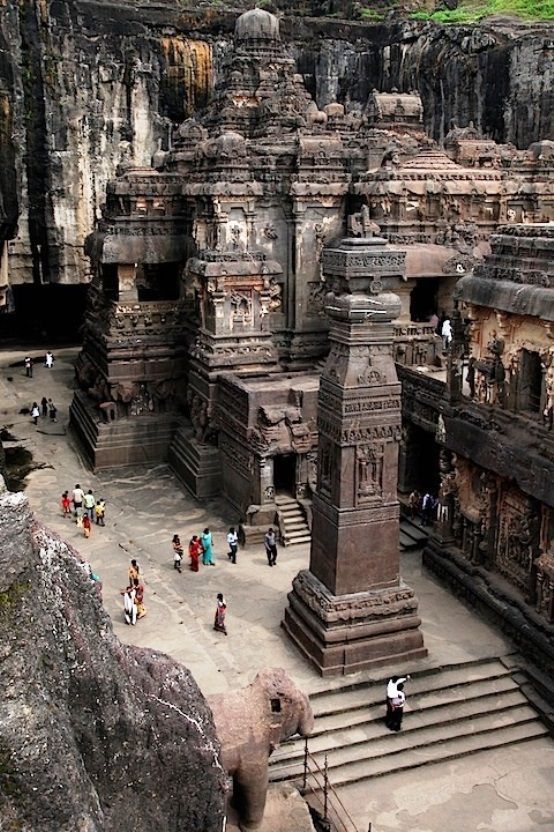
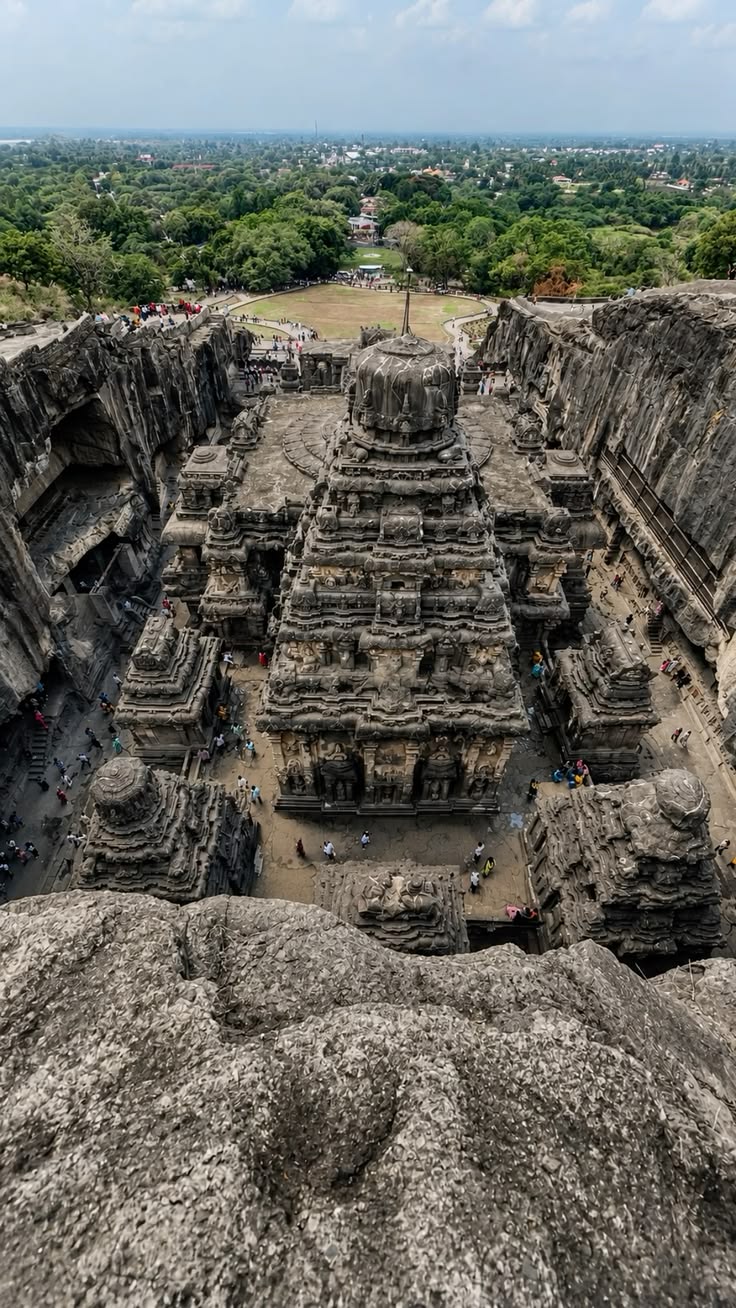
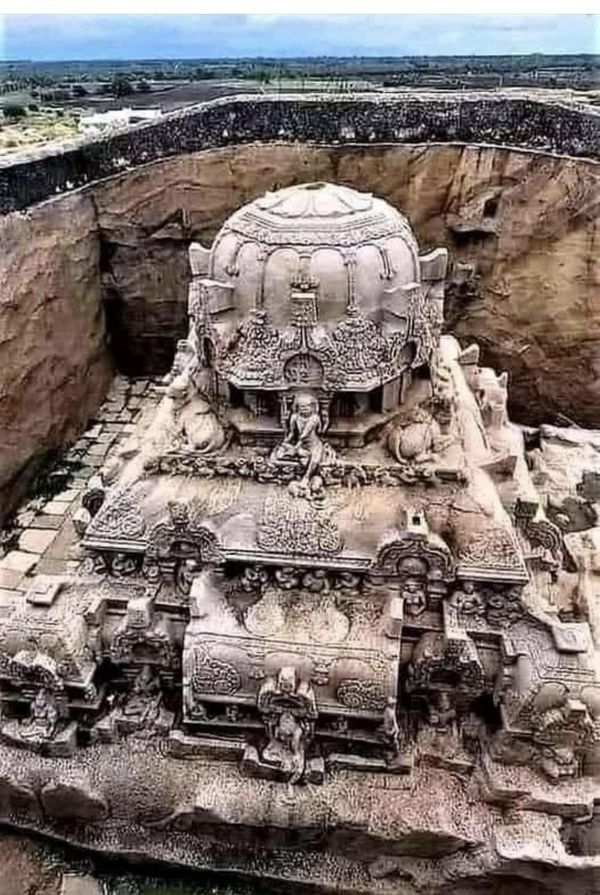
Imagine an entire temple complex—not built with bricks or assembled stone by stone—but carved downward from a single mountain. Ancient craftsmen removed thousands of tonnes of basalt rock to reveal a magnificent temple complete with pillars, elephants, halls, shrines, staircases, and intricate sculptures.
What’s even more remarkable is that this achievement was completed without modern machinery.
Ellora is not just about architecture. It is a celebration of India’s cultural diversity. Buddhist monks meditated here, Hindu kings commissioned magnificent temples, and Jain monks built elegant shrines—all within the same complex.
Few places in the world symbolize peaceful coexistence as beautifully as Ellora Caves.
A Journey Through History
The story of Ellora began around the 6th century CE and continued for nearly 400 years.
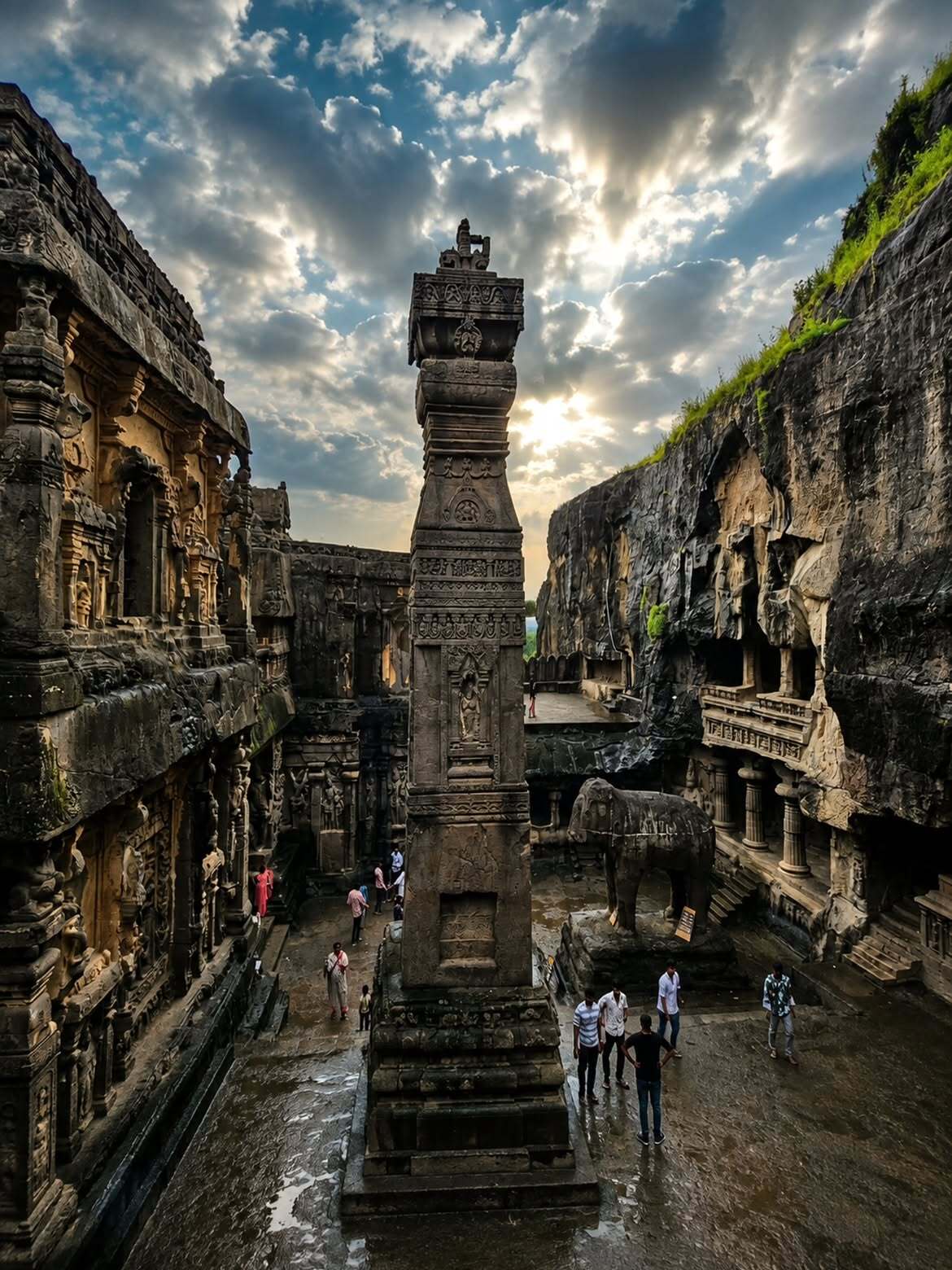
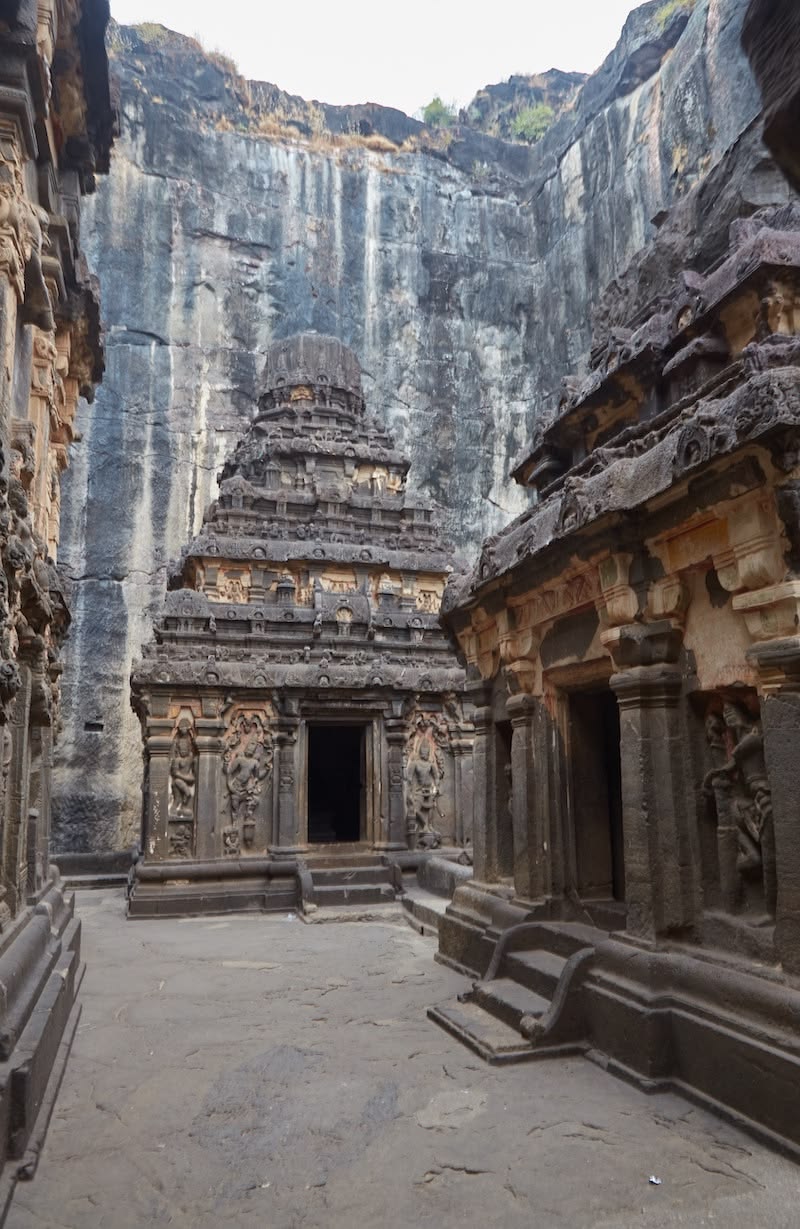
Different dynasties contributed to its construction, including the Chalukyas and the Rashtrakutas. The most celebrated creation, the Kailasa Temple, was commissioned by Rashtrakuta King Krishna I during the 8th century.
Unlike monuments built over a short period, Ellora evolved over generations, reflecting changing artistic styles, religious traditions, and architectural innovations.
Today, it remains one of the finest surviving examples of ancient Indian rock-cut architecture.
UNESCO World Heritage Status
In 1983, UNESCO recognized Ellora Caves as a World Heritage Site because of its exceptional artistic and cultural value.
The site is admired for:
- Outstanding rock-cut engineering
- Remarkable sculptures
- Religious harmony
- Historical significance
- Architectural excellence
It is maintained by the Archaeological Survey of India (ASI), ensuring its preservation for future generations.
(Also Read: Khajuraho Travel Guide: A Journey Through India’s Finest Temple Architecture )
How to Reach Ellora Caves:
By Air:
The nearest airport is Dr. Babasaheb Ambedkar International Airport in Chhatrapati Sambhajinagar, approximately 35 km away.
Regular flights connect the city with:
- Delhi
- Mumbai
- Hyderabad
- Bengaluru
- Ahmedabad
From the airport, taxis and app-based cabs can take you directly to Ellora in about 45–60 minutes.
By Train:
The nearest railway station is Chhatrapati Sambhajinagar Railway Station, around 30 km from the caves.
Direct trains operate from:
- Mumbai
- Pune
- Hyderabad
- Nagpur
- Delhi
Outside the station, you’ll find taxis, auto-rickshaws, and buses heading toward Ellora.
By Road:
Road travel is one of the best ways to visit Ellora.
Approximate driving distances:
- Mumbai – 340 km
- Pune – 240 km
- Nashik – 190 km
- Shirdi – 115 km
The roads are well maintained, making it a popular road-trip destination.
(Also Read: Ajanta Caves: Complete Travel Guide & Visitor Tips)
Local Transport:
Getting around is simple.
Maharashtra State Transport Buses
Regular MSRTC buses connect Chhatrapati Sambhajinagar with Ellora throughout the day.
Ideal for budget travelers.
Taxi
Private taxis are the most convenient option.
Most drivers also include nearby attractions like:
- Daulatabad Fort
- Grishneshwar Temple
- Bibi Ka Maqbara
in a full-day sightseeing package.
Auto-rickshaw
Suitable for short trips, although fares should be negotiated beforehand.
Bike Rentals
Adventure travelers often rent motorcycles to explore Ellora and surrounding attractions at their own pace.
(Also Read: Varanasi Travel Guide: Complete Itinerary & Travel Tips)
Entry Fees:
As of 2026:
| Visitor | Ticket |
|---|---|
| Indian Citizens | ₹40 |
| Foreign Tourists | ₹600 |
| Children below 15 years | Free |
Tickets can be purchased online or at the entrance.
Opening Hours
- Open: 6:00 AM
- Close: 6:00 PM
- Closed every Tuesday
Early mornings provide the best weather and softer light for photography.
(Also Read: Top 11 Beautiful Cities In Kerala )
Exploring the 34 Caves
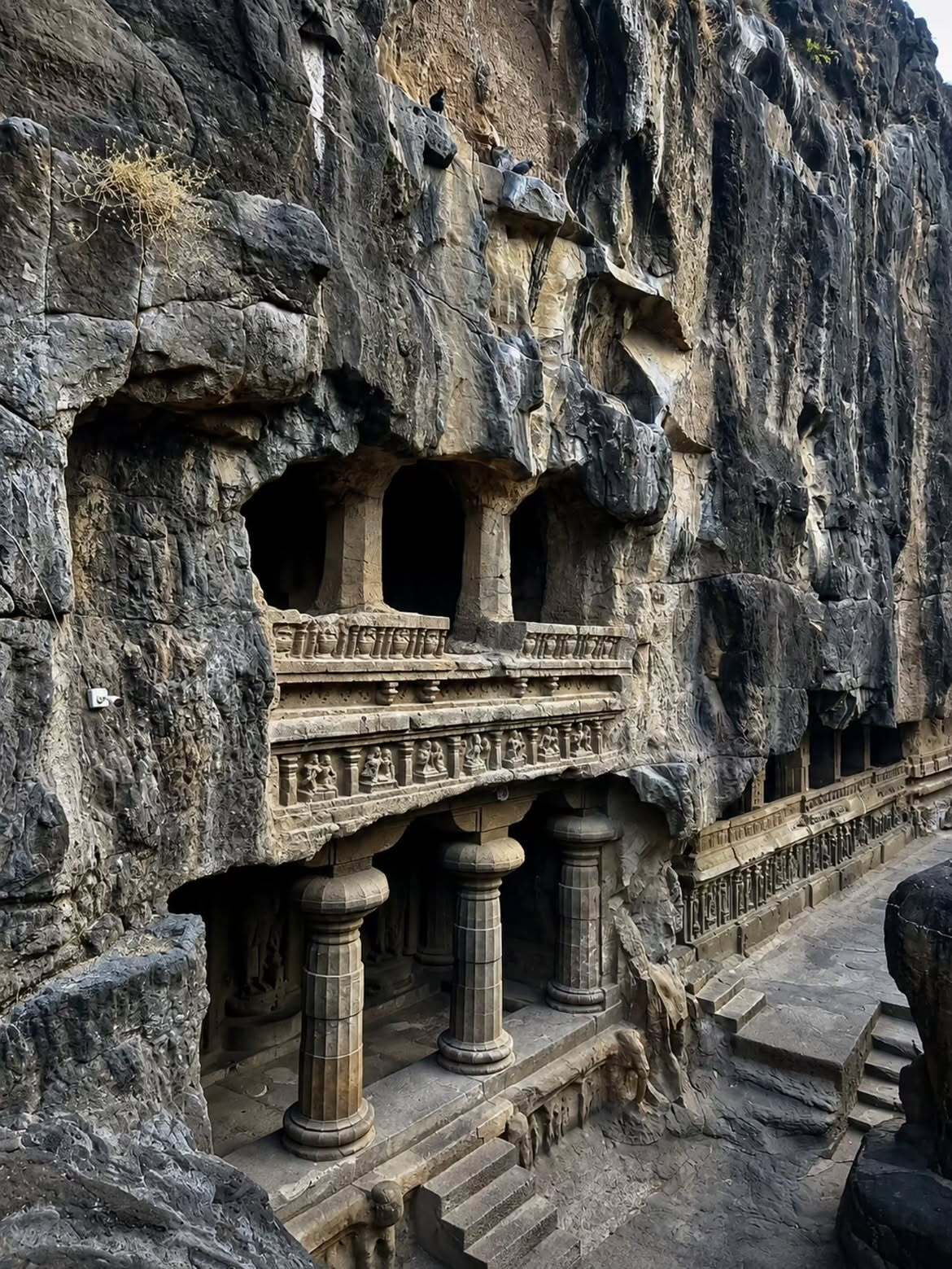
One of Ellora’s most remarkable aspects is that it showcases the artistic traditions of three different religions in one complex. Ellora is divided into three sections.
Buddhist Caves (1–12)
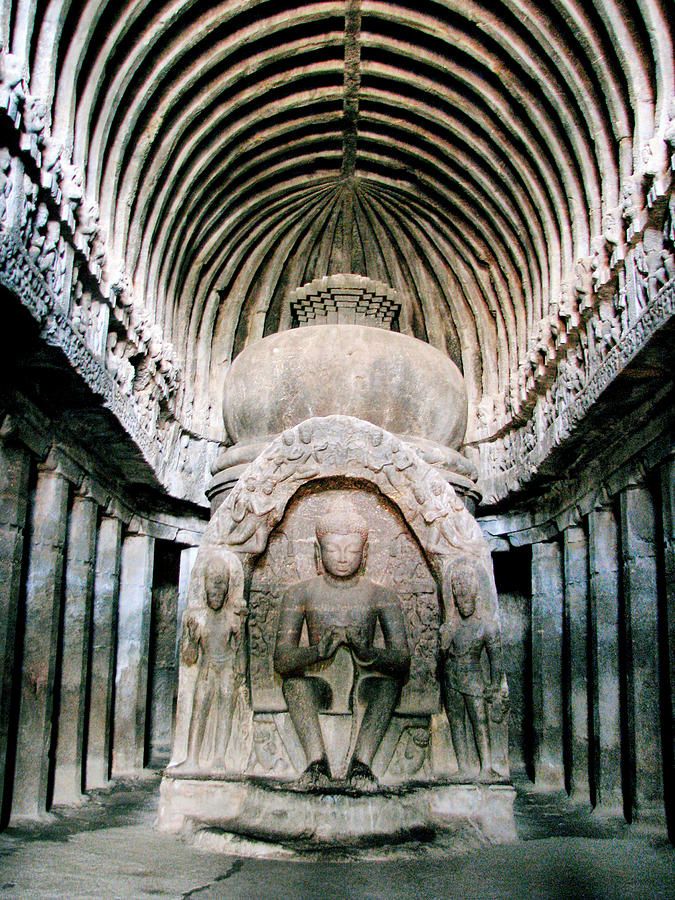
Dating from the 6th–7th centuries, these caves served as monasteries and places of meditation.
Highlights include:
- Large prayer halls
- Multi-storey monasteries
- Meditation chambers
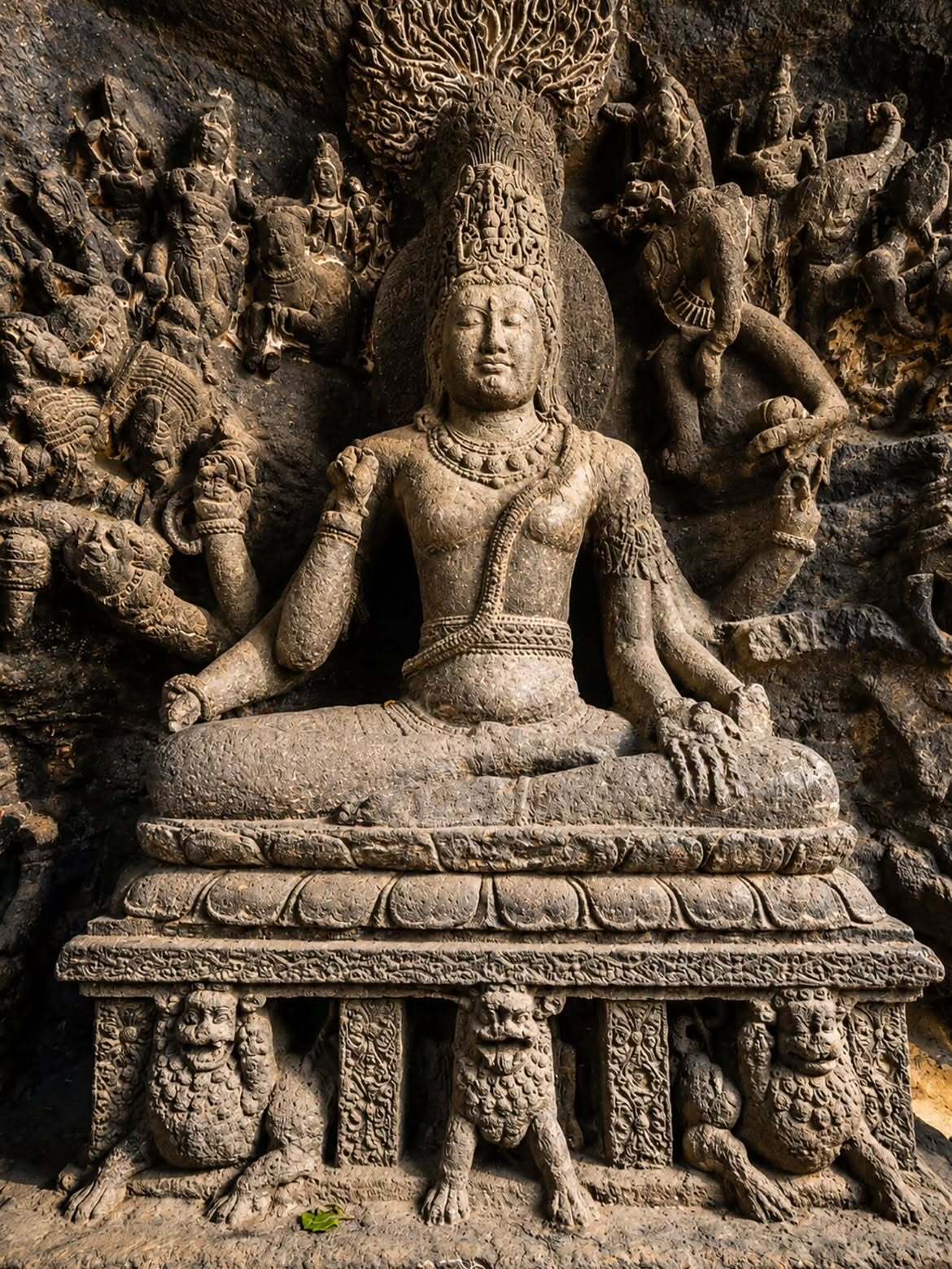
- Beautiful Buddha sculptures
Cave 10 – Vishvakarma Cave
Often called the Carpenter’s Cave because its ceiling resembles wooden beams.
Inside stands a magnificent seated Buddha overlooking an impressive prayer hall.
(Also Read: 10 Famous Places to Visit In Delhi )
Hindu Caves (13–29)
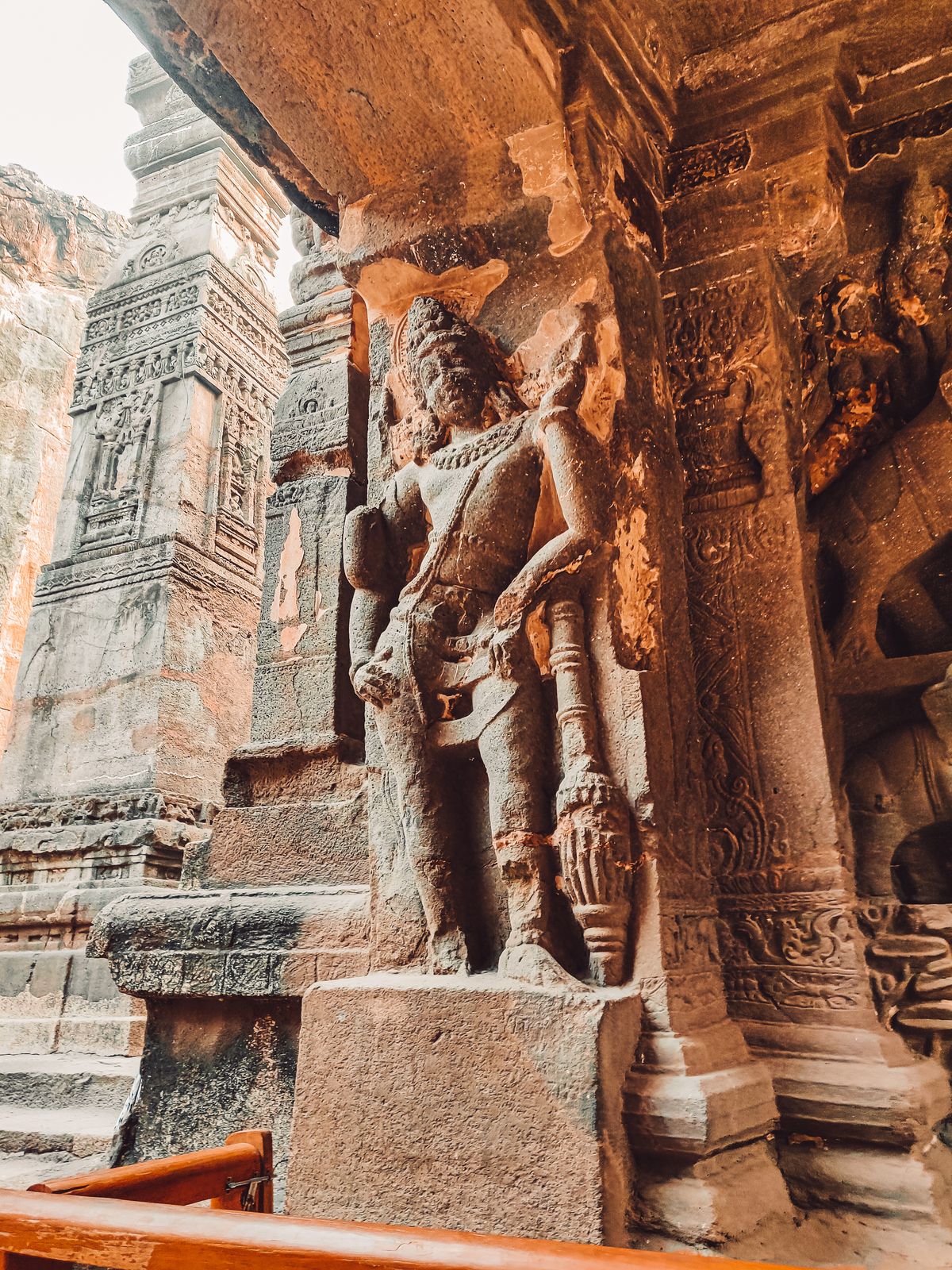
These are the largest and most elaborate caves.
Dedicated mainly to Lord Shiva and Lord Vishnu, they depict scenes from:
- Ramayana
- Mahabharata
- Shiva Purana
- Vishnu Purana
The sculptures demonstrate astonishing detail despite being carved entirely from stone.
The Incredible Engineering Behind the Kailasa Temple (Cave 16)
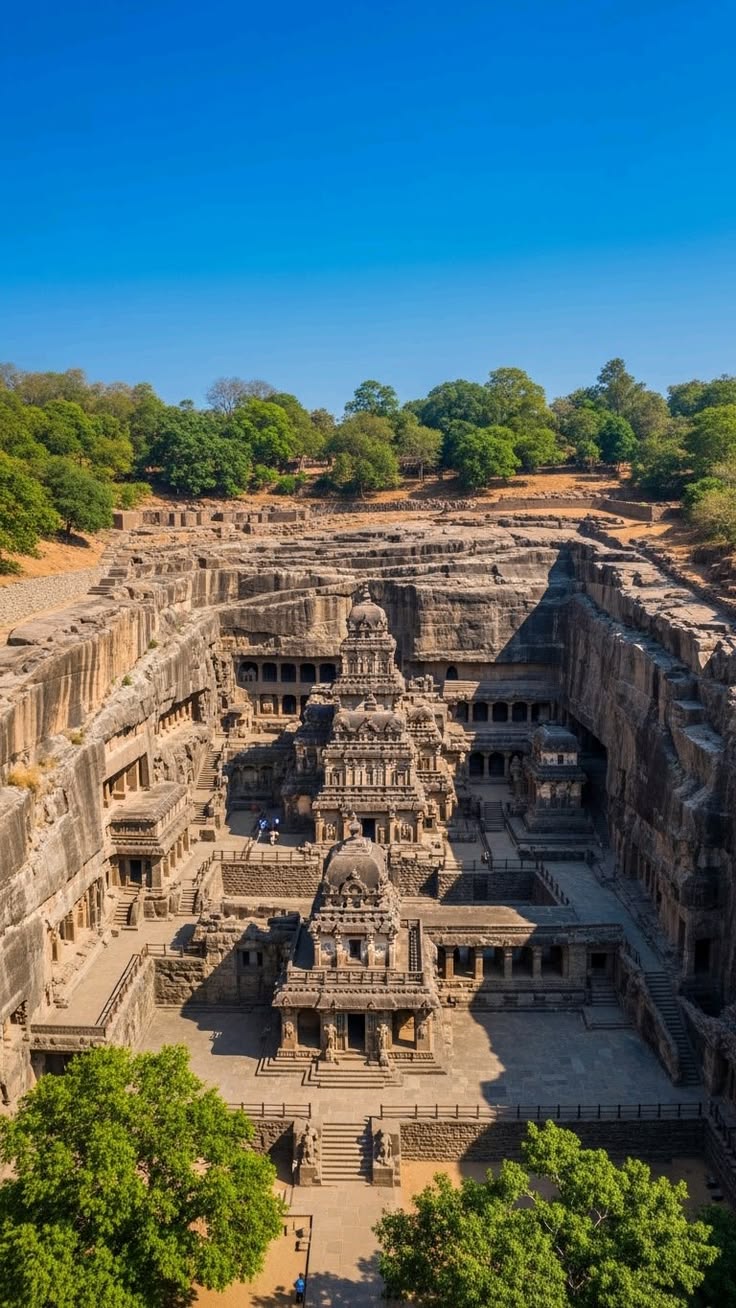
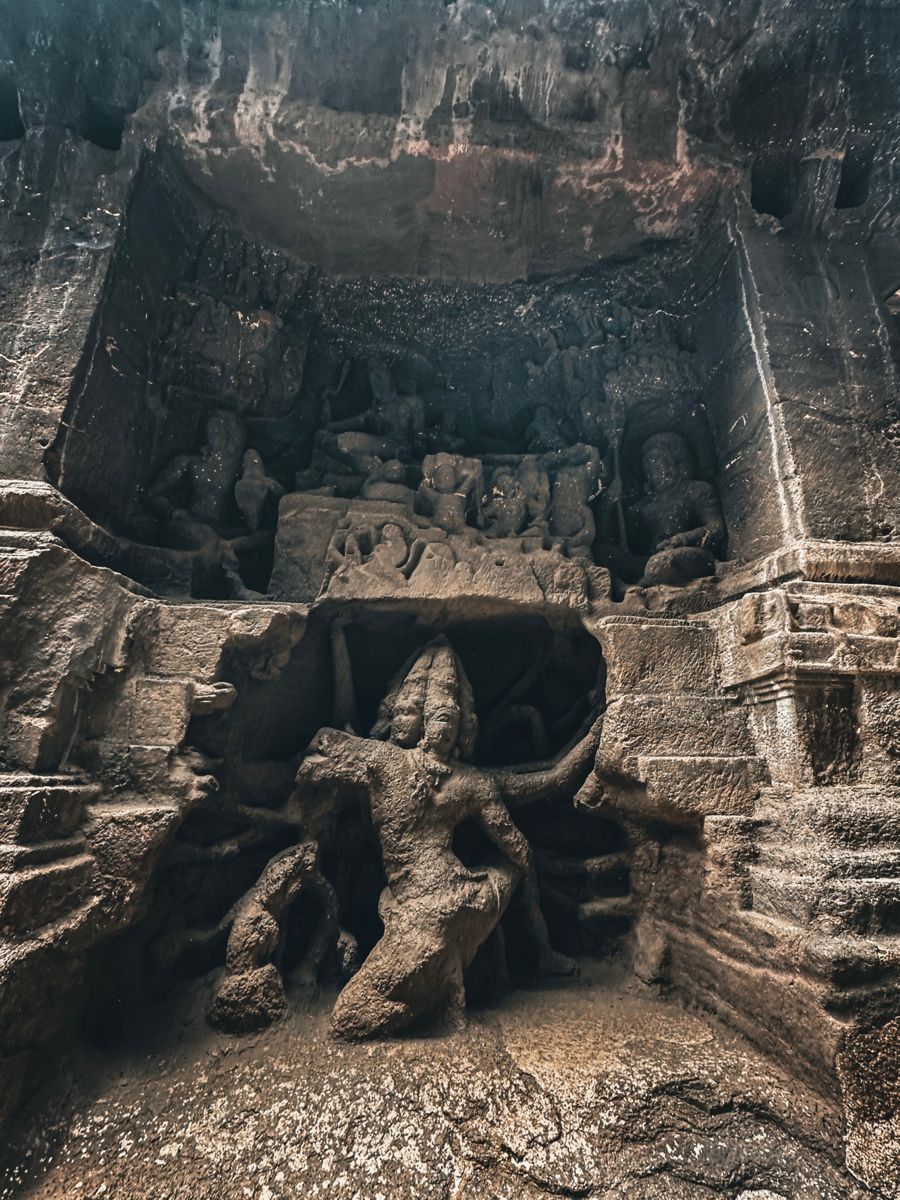
Among all the monuments in the world, the Kailasa Temple (Cave 16) stands in a league of its own. While most temples are built by stacking stones from the ground upward, the Kailasa Temple was carved from the top of a single mountain downward. This unique method ensured that the structure remained one continuous piece of rock, making it the largest monolithic rock-cut temple in the world.
Historians estimate that nearly 200,000 tonnes of basalt rock were removed during its construction. What’s astonishing is that the artisans achieved this feat using simple iron chisels, hammers, and remarkable precision—centuries before modern machinery existed.
The temple is believed to have been commissioned by King Krishna I of the Rashtrakuta dynasty during the 8th century CE. Although it may have taken more than a century to complete the intricate carvings, the result is a masterpiece that continues to amaze architects and engineers worldwide.
(Also Read: 19 Famous Tourist Places in Nainital )
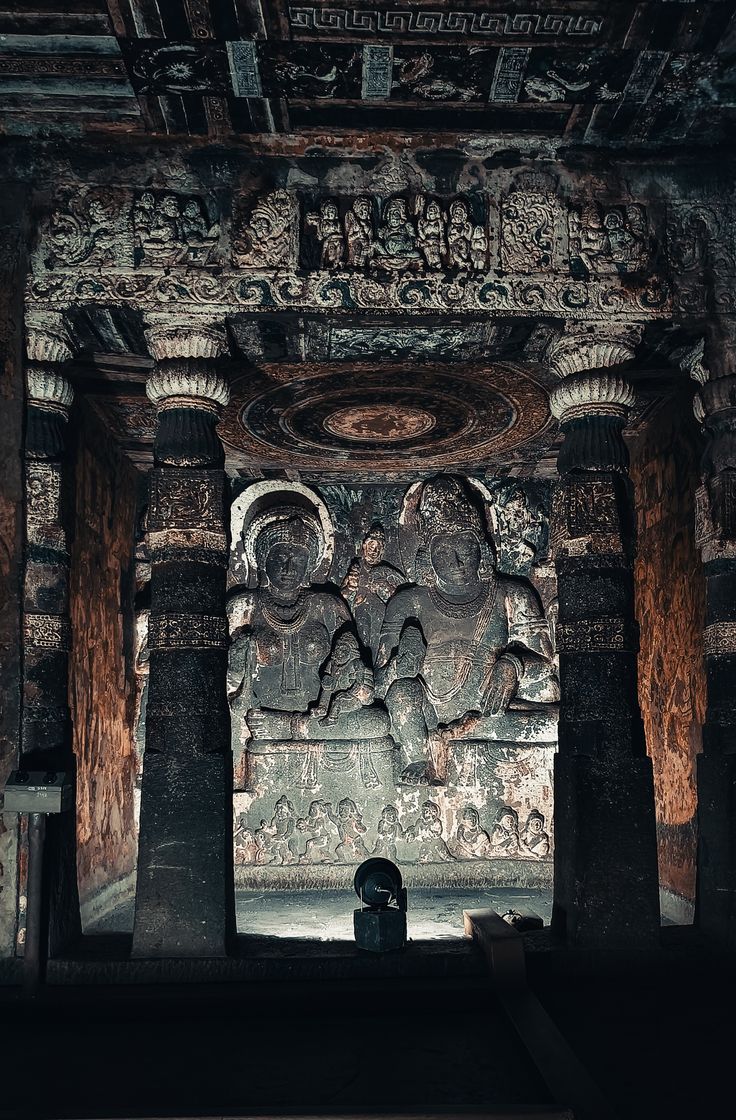
Jain Caves (30–34)
Built during the 9th and 10th centuries, these caves are smaller but incredibly refined.
Expect:
- Delicate carvings
- Ornamental ceilings
- Beautiful pillars
- Peaceful meditation halls
The craftsmanship reflects the Jain philosophy of simplicity combined with artistic perfection.
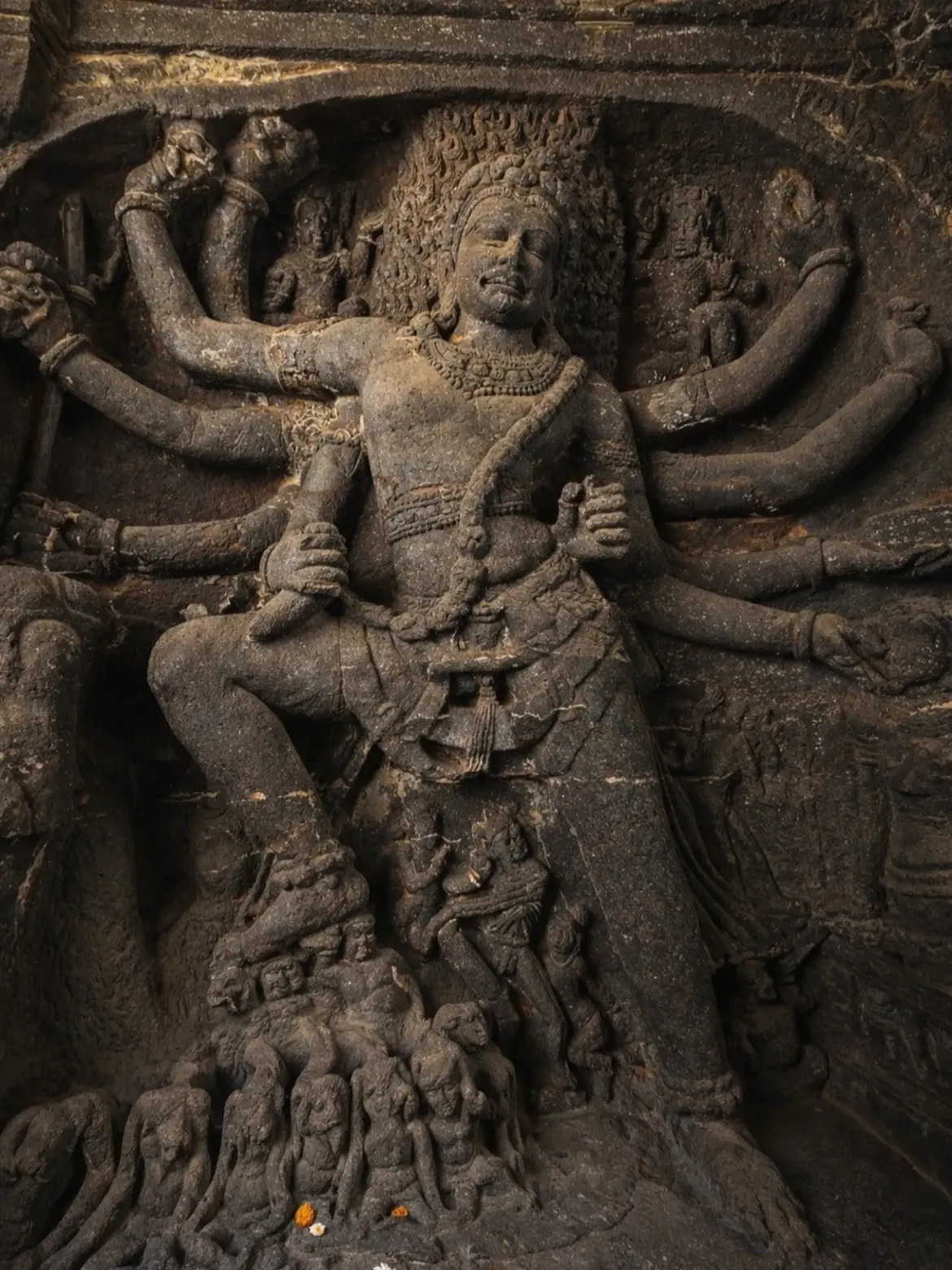
Sculptures That Tell Stories
One of the joys of visiting Ellora is recognizing the stories carved into the stone. These sculptures are not merely decorative—they are visual narratives from Indian mythology and religious traditions.
Some of the most famous scenes include:
- Shiva and Parvati on Mount Kailash
- Ravana attempting to lift Mount Kailash
- Vishnu as Narasimha
- Shiva as Nataraja
- Durga defeating Mahishasura
- Buddha preaching to his disciples
- Jain Tirthankaras in meditation
A knowledgeable guide can help bring these ancient stories to life.
(Also Read: Beauty Of Ghatsila: A Hidden Gem of Jharkhand )
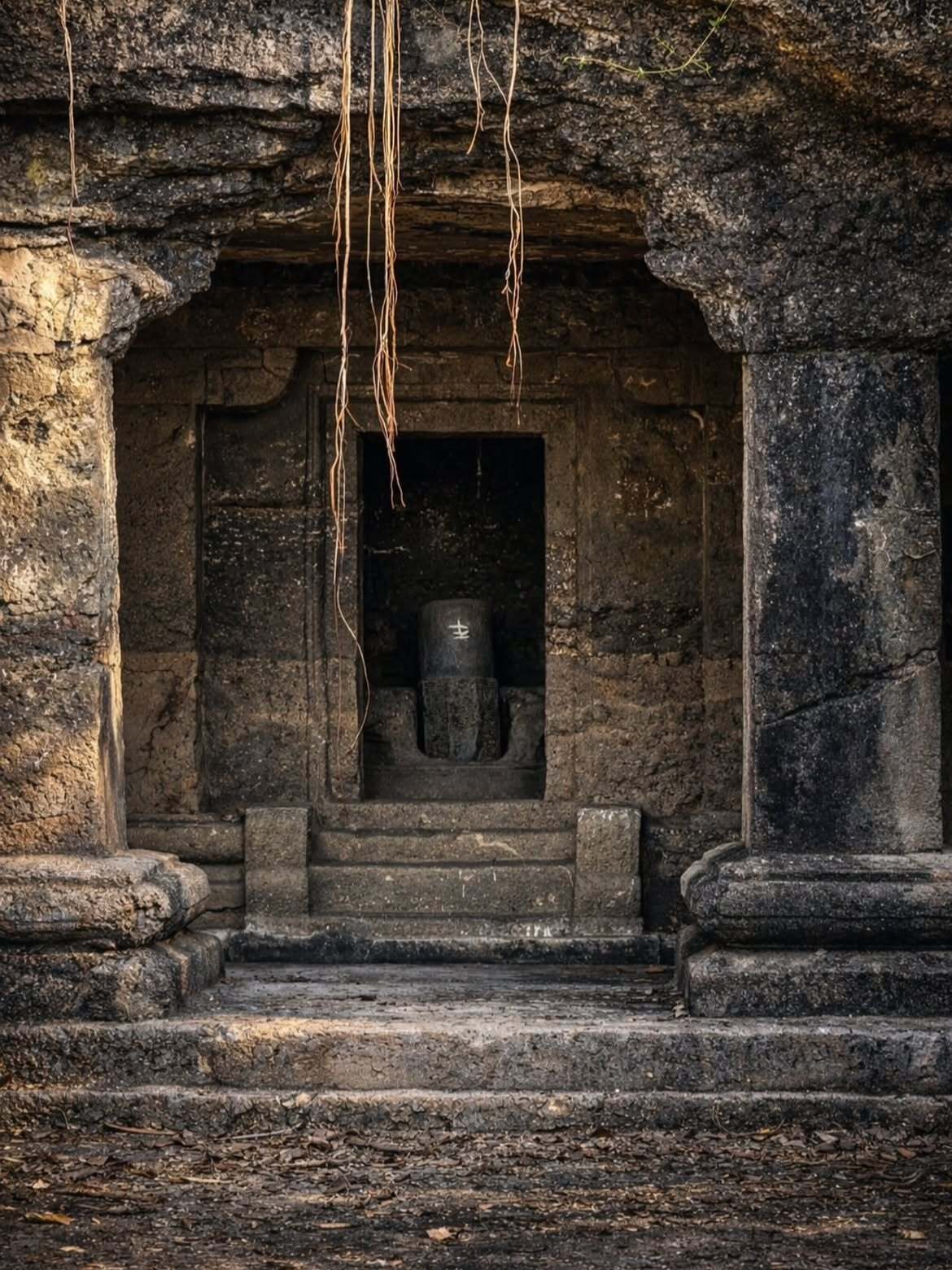
Best Time to Visit
Winter (October–March)
Pleasant weather makes walking enjoyable.
Perfect for photography and sightseeing.
Monsoon (July–September)
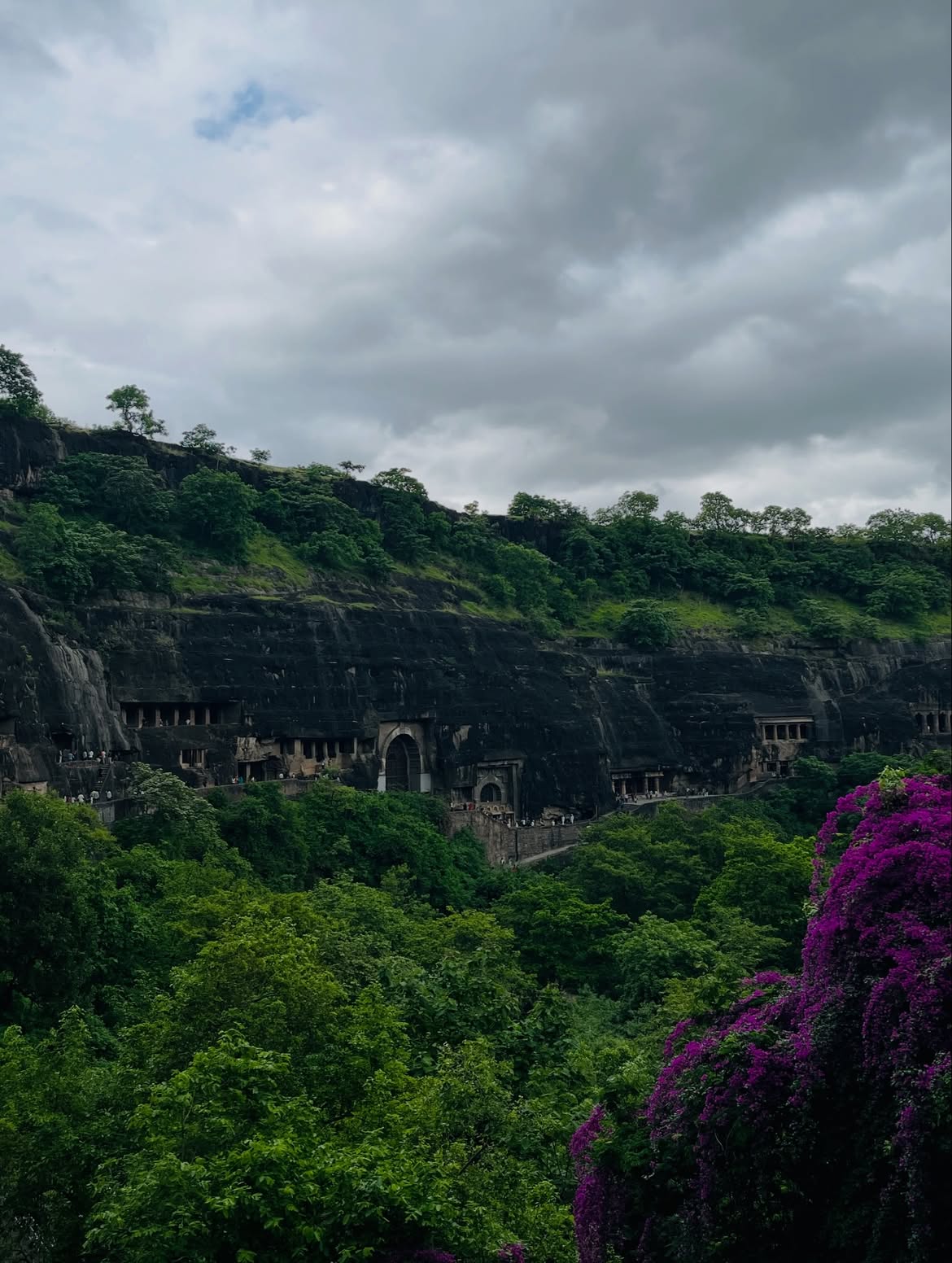
The surrounding hills turn lush green, creating dramatic landscapes.
Carry waterproof footwear.
Summer (April–June)
Temperatures often exceed 40°C.
Visit early morning to avoid the heat.
Best Nearby Destinations
If you’re spending a few days in the region, consider adding these attractions to your itinerary.
Ajanta Caves
Famous for exquisite Buddhist murals and paintings, Ajanta complements Ellora beautifully and is often paired in a heritage circuit.
Daulatabad Fort
A formidable hill fort known for its ingenious defensive architecture and panoramic views.
Grishneshwar Temple
One of the twelve sacred Jyotirlingas, located just a short drive from Ellora.
Bibi Ka Maqbara
A graceful Mughal monument often referred to as the “Mini Taj Mahal.”
Panchakki
A historic water mill showcasing medieval hydraulic engineering.
(Also Read: 18 Most Famous Tourist Places In Kolkata )
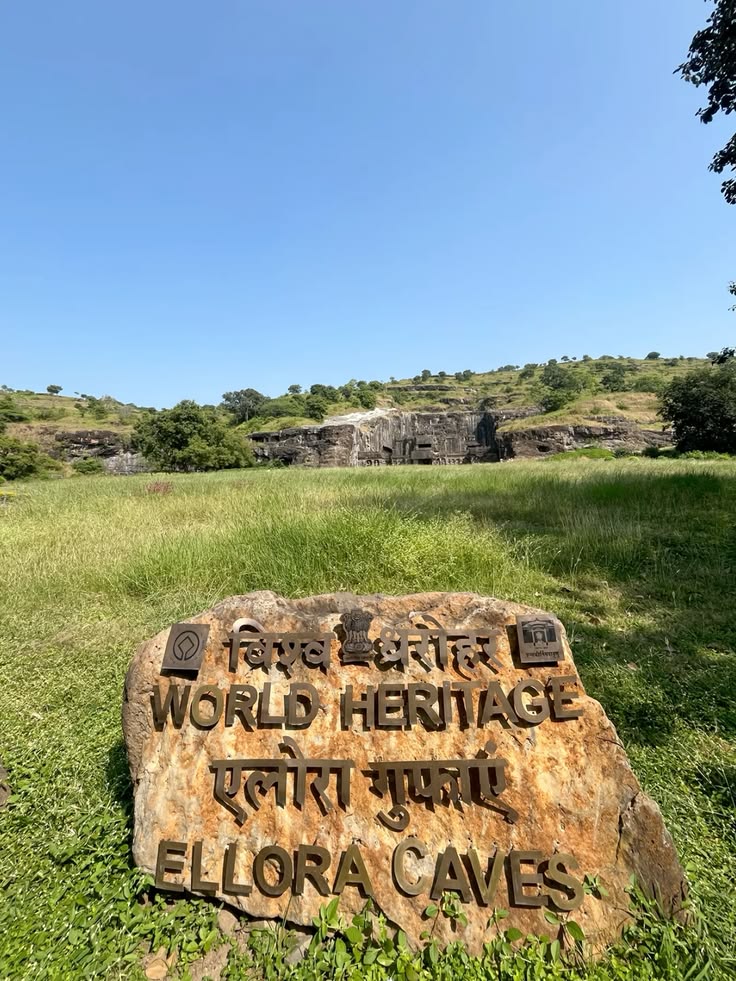
Final Thoughts: Why Ellora Should Be on Every Traveller’s Bucket List
Some destinations impress you with their beauty. Others amaze you with their history. Ellora Caves achieves both.
Standing before the towering Kailasa Temple, it’s almost impossible to comprehend that such an immense structure emerged not from assembled blocks of stone, but from a single mountainside. The skill, patience, and vision of the artisans who carved these caves continue to inspire visitors more than a thousand years later.
Yet Ellora’s true magic lies beyond its engineering marvels. It is a place where Buddhist monks once meditated in peaceful monasteries, where Hindu artisans brought epic stories to life in stone, and where Jain sculptors created sanctuaries of remarkable elegance. This shared heritage makes Ellora not only an architectural wonder but also a symbol of India’s rich cultural and religious diversity.
As you walk through the cool, echoing halls, study the finely carved pillars, and admire the monumental sculptures, you’ll realize that Ellora is more than a collection of caves—it is a timeless conversation between faith, creativity, and human determination.
Whether you are a history enthusiast, an architecture lover, a photographer, or simply someone who enjoys meaningful travel, Ellora offers an experience that lingers long after the journey ends. It is one of those rare places that leaves you not only with beautiful photographs, but also with a deeper appreciation of India’s extraordinary past.
So, pack your walking shoes, charge your camera, and set aside enough time to explore without haste. Every cave has a story, every sculpture has a purpose, and every step through Ellora brings you closer to one of the greatest achievements of human craftsmanship.
Happy travels, and may your journey through Ellora be as unforgettable as the monument itself.
(Also Read: Top 11 Best Places To Visit Kasauli )
FAQs:
Q. Where are the Ellora Caves located?
A. Ellora Caves are located in Verul Village, about 30 km northwest of Chhatrapati Sambhajinagar (formerly Aurangabad) in the state of Maharashtra, India.
Q. Why are Ellora Caves famous?
A. Ellora Caves are famous for their spectacular rock-cut architecture, especially the Kailasa Temple (Cave 16), the world’s largest monolithic rock-cut temple. The caves are also unique because they represent Buddhist, Hindu, and Jain monuments in one complex.
Q. How many caves are there in Ellora?
A. There are 34 officially numbered caves at Ellora.
- Buddhist Caves: 1–12
- Hindu Caves: 13–29
- Jain Caves: 30–34
Q. Is Ellora a UNESCO World Heritage Site?
A. Yes. Ellora Caves were declared a UNESCO World Heritage Site in 1983 because of their outstanding historical, cultural, and architectural significance.
Q. What is the best time to visit Ellora Caves?
A. The best time to visit is October to March, when the weather is cool and pleasant for sightseeing. Monsoon (July to September) is also beautiful, with lush green surroundings.
Q. What are the opening hours of Ellora Caves?
A. Ellora Caves are generally open from 6:00 AM to 6:00 PM and remain closed every Tuesday.
Q. What is the entry ticket price for Ellora Caves?
A. Current ticket prices are:
- Indian citizens: ₹40 per person
- Foreign visitors: ₹600 per person
- Children below 15 years: Free
Ticket prices may change over time, so it’s a good idea to verify the latest rates before your visit.
Q. How much time is needed to explore Ellora?
A. A comfortable visit takes about 4 to 6 hours. If you’re interested in photography or history, consider spending an entire day at the site.
Q. Which is the most famous cave in Ellora?
A. The Kailasa Temple (Cave 16) is the most famous and is considered one of the greatest engineering achievements in the world.
Q. Why is the Kailasa Temple so special?
A. The Kailasa Temple was carved entirely from a single rock by excavating from the top downward. It is regarded as the world’s largest monolithic rock-cut temple and showcases exceptional craftsmanship.
Q. Are guides available at Ellora?
A. Yes. Licensed local guides are available near the entrance and can provide detailed explanations about the caves, sculptures, history, and mythology.
Q. Is photography allowed inside Ellora Caves?
A. Yes. Photography for personal use is generally allowed. However, visitors should follow any restrictions posted at specific locations and avoid using drones without permission.
Q. Are food and restaurants available nearby?
A. Yes. Several restaurants, cafés, and local eateries are located near the entrance, serving Maharashtrian and North Indian cuisine.
Q. How can I reach Ellora from Chhatrapati Sambhajinagar?
A. You can travel by:
- Maharashtra State Transport (MSRTC) bus
- Taxi
- Auto-rickshaw (for part of the journey)
- Self-drive car
- Motorcycle rental
Q. Are there hotels near Ellora?
A. Yes. While a few accommodations are available near Ellora, most travellers stay in Chhatrapati Sambhajinagar, where there is a wider range of budget, mid-range, and luxury hotels.
Q. Is Ellora Caves safe for solo travellers?
A. Yes. Ellora caves is generally considered safe for solo travellers, including women, especially during regular visiting hours. As with any destination, take standard safety precautions and avoid isolated areas after dark.
Q. Can I visit Ellora Caves during the monsoon?
A. Yes. Monsoon is a beautiful time to visit, as the surrounding hills become lush and green. Be prepared for slippery pathways and occasional rain.

You May Also Like
Khajuraho Travel Guide: A J ...
15 June 2026
Ajanta Caves: Complete Trave ...
15 March 2026
Hampi Travel Guide 2026: Pla ...
15 January 2026
Popular Post

Top 13 Best Place to Visit Assam
Jan 15, 2022
16 Top Best Places To Visit In Chattisgarh
Apr 15, 2023
Top 10 Outstanding Places In Jaipur At Night
Oct 15, 2024
The Untouched Beauty of Chuikhim
Jun 15, 2020
Top 10 Most Popular Cities In Rajasthan
May 30, 2022
Top 11 Best Tourist Places In Thrissur
Jan 15, 2025
15 Best and Famous Tourist Places in Chennai
Sep 15, 2024
7 Famous Tourist Places to Visit in Gujrat
Mar 30, 2025
About Us

Voiceofadventure is a travel blog for sharing travel experiences of travelers and information about famous tourist spots. Voiceofadventure encourages you to make your dream tour plan to flourish your memory.
Leave a Comment