
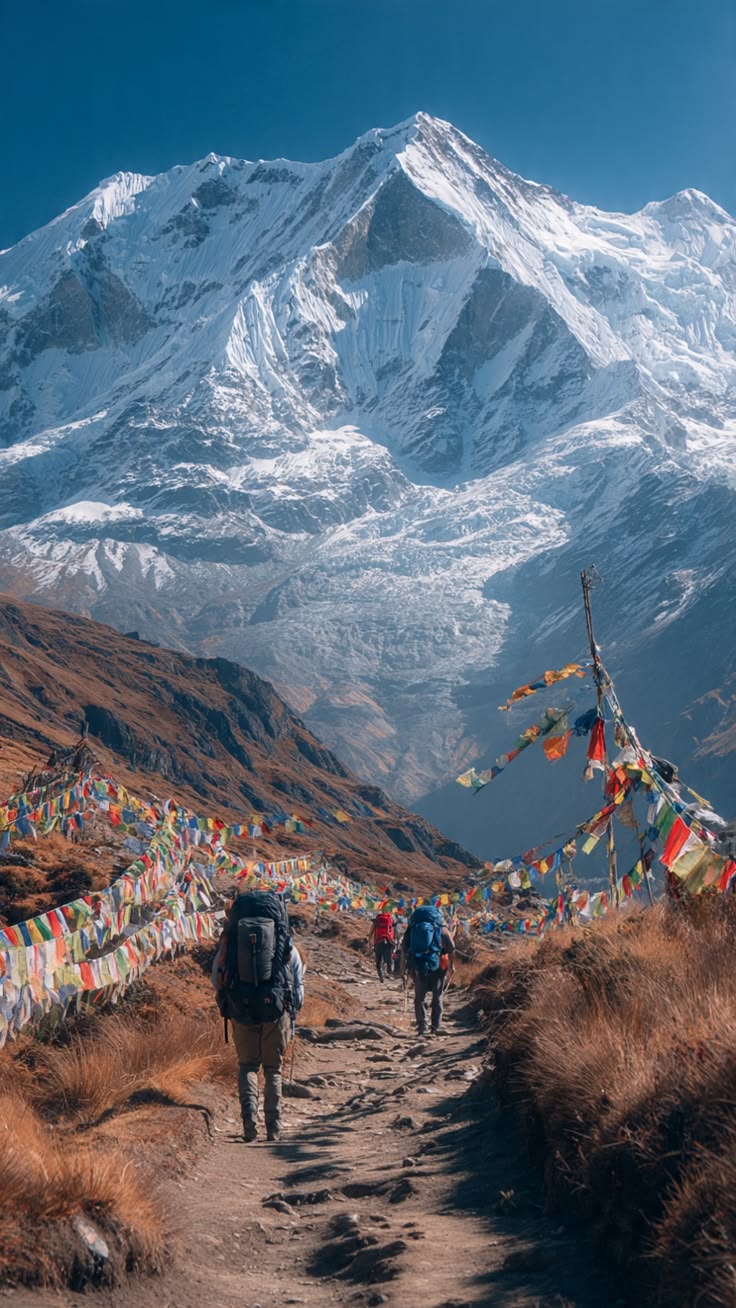
India is a dream destination for trekking enthusiasts. From the snow-covered peaks of the Himalayas and lush valleys of Uttarakhand to the rugged Western Ghats and misty trails of Northeast India, the country offers trekking experiences for almost every type of adventurer.
Whether you are a beginner looking for a short weekend hike or an experienced trekker searching for challenging high-altitude passes, there is no shortage of options. Some trails take you through dense forests and alpine meadows, while others lead to glacial lakes, remote villages, ancient forts and spectacular mountain viewpoints.
If you are searching for the best trekking places in India, this guide covers some of the country’s most rewarding trails, including their highlights, difficulty levels, ideal seasons and what makes each trek special.
Note: Trek conditions, permits, opening dates and local regulations can change because of weather, conservation requirements and regional conditions. Always check with the relevant local authority or an experienced trekking operator before starting a trek.
Contents
Why Trekking Is One of the Best Ways to Explore India?
Trekking offers something that conventional sightseeing often cannot: the opportunity to experience a destination slowly.
Instead of simply viewing a mountain from a road, trekkers walk through forests, cross streams, interact with mountain communities and watch landscapes change with altitude.
India’s geographical diversity makes this particularly rewarding. The Himalayas provide snow peaks, glaciers and alpine meadows, while the Western Ghats offer rainforests, grasslands and extraordinary biodiversity. The Ministry of Culture recognizes the Western Ghats as a UNESCO World Heritage property and highlights their exceptional biological diversity and endemic species.
In Himachal Pradesh alone, trekking routes range from relatively accessible walks to challenging high-altitude passes, demonstrating the enormous variety available to adventure travellers.
Best Trekking Places in India at a Glance
| Trekking Destination | State/Region | Difficulty | Best For |
|---|---|---|---|
| Valley of Flowers | Uttarakhand | Easy to Moderate | Beginners & nature lovers |
| Kedarkantha | Uttarakhand | Easy to Moderate | Snow trekking |
| Roopkund | Uttarakhand | Difficult | Experienced trekkers |
| Hampta Pass | Himachal Pradesh | Moderate | First high-altitude trek |
| Triund | Himachal Pradesh | Easy to Moderate | Beginners & weekend trips |
| Pin Parvati Pass | Himachal Pradesh | Very Difficult | Experienced trekkers |
| Great Himalayan National Park | Himachal Pradesh | Moderate to Difficult | Wildlife & wilderness |
| Sandakphu | West Bengal | Moderate | Himalayan panoramas |
| Dzongri | Sikkim | Moderate | Mountain views |
| Goechala | Sikkim | Difficult | High-altitude adventure |
| Tarsar Marsar | Kashmir | Moderate | Alpine lakes |
| Markha Valley | Ladakh | Moderate to Difficult | Landscapes & culture |
| Stok Kangri Region | Ladakh | Difficult | High-altitude trekking |
| Rajmachi | Maharashtra | Easy to Moderate | Weekend trekking |
| Harishchandragad | Maharashtra | Moderate | Forts & adventure |
| Kudremukh | Karnataka | Moderate | Western Ghats |
| Kumara Parvatha | Karnataka | Difficult | Experienced hikers |
| Chembra Peak | Kerala | Easy to Moderate | Nature & short treks |
| Meesapulimala | Kerala | Moderate | Grasslands & mountain scenery |
| Tadiandamol | Karnataka | Easy to Moderate | Beginners |
1. Valley of Flowers Trek, Uttarakhand
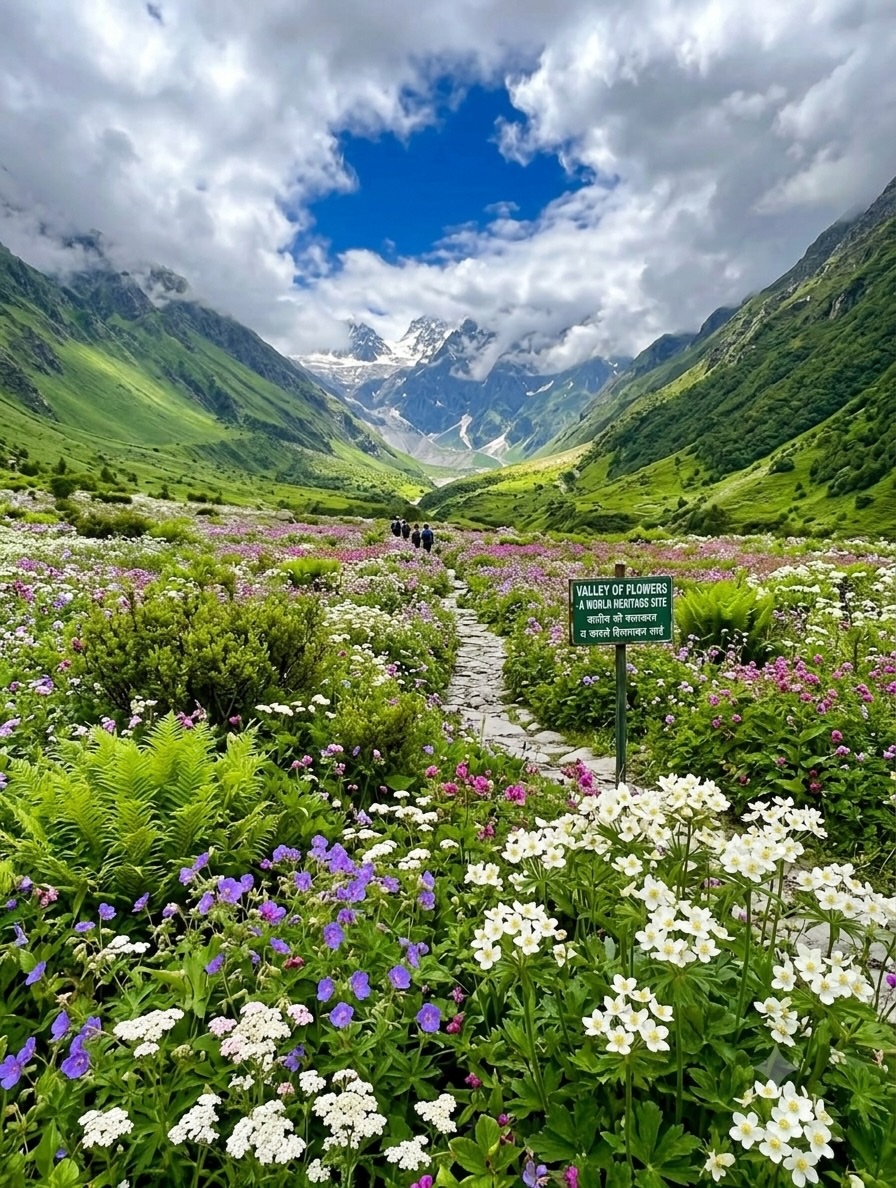
The Valley of Flowers Trek is one of the most beautiful trekking experiences in India and an excellent choice for people who want to combine adventure with spectacular natural scenery.
Located in Uttarakhand, the Valley of Flowers is famous for its colourful alpine meadows surrounded by dramatic Himalayan peaks. During the flowering season, the valley transforms into a natural carpet of blooming Himalayan flowers.
The trail also provides access to Hemkund Sahib, a high-altitude Sikh pilgrimage site. Uttarakhand Tourism highlights the region’s trekking routes and the Pindari Glacier as notable adventure experiences.
Difficulty: Easy to Moderate
Best time: Generally July to September, subject to official opening and weather conditions
Ideal for: Beginners with reasonable fitness, nature lovers and photographers
Why trek here?
- Beautiful alpine meadows
- Himalayan mountain scenery
- Rich floral diversity
- Opportunity to visit Hemkund Sahib
- Excellent photography opportunities
The Valley of Flowers is particularly attractive for trekkers who prefer scenery and biodiversity over extremely challenging climbs.
2. Kedarkantha Trek, Uttarakhand
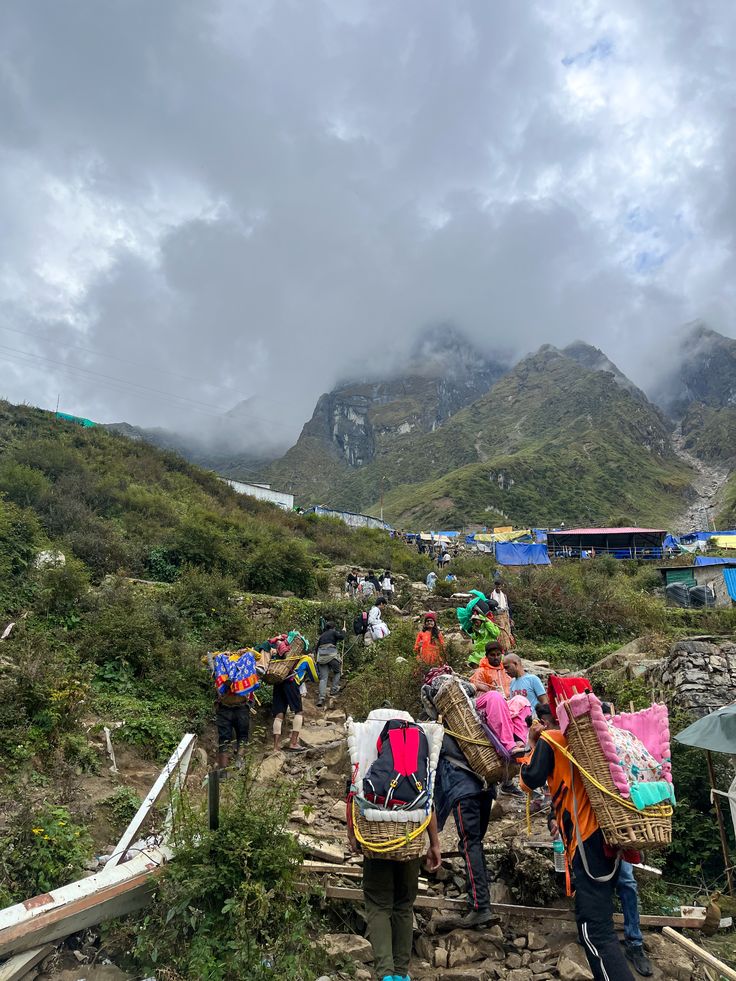
Kedarkantha is one of India’s most popular snow treks and is often considered a good introduction to Himalayan winter trekking.
The trail passes through forests, open meadows and snow-covered landscapes before reaching the summit. The panoramic views from higher sections make the climb worthwhile.
Kedarkantha is particularly popular among beginners because the route provides a genuine Himalayan trekking experience without requiring the technical mountaineering skills associated with some more advanced expeditions.
Difficulty: Easy to Moderate
Best time: December to April, depending on snow and trail conditions
Ideal for: Beginners, first-time snow trekkers and adventure groups
Highlights
- Snow-covered trails
- Pine and oak forests
- Campsites surrounded by mountains
- Sunrise and sunset views
- Summit experience
Always check current weather and trail conditions before planning a winter trek.
3. Roopkund Trek, Uttarakhand
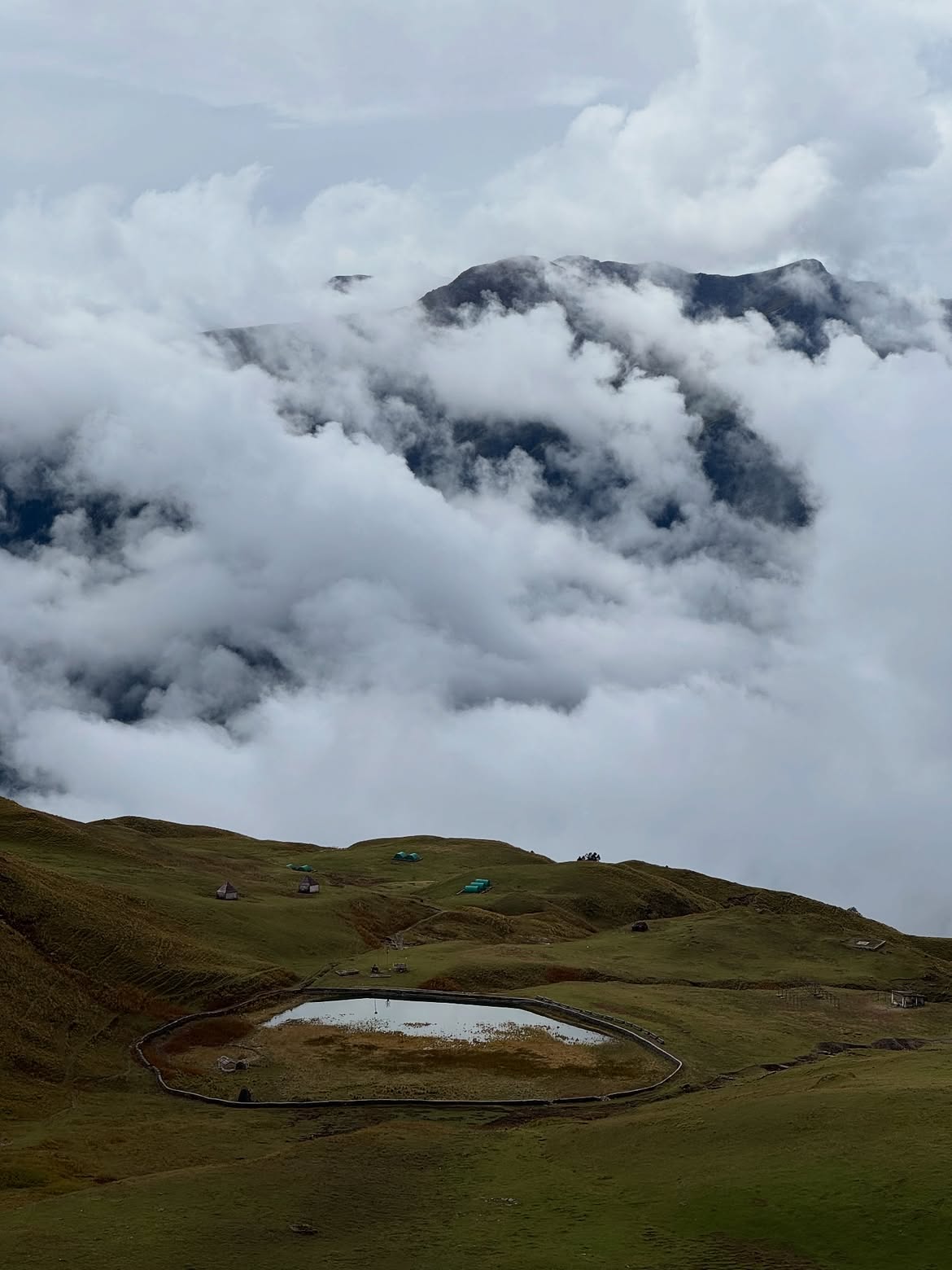
Roopkund is a legendary high-altitude trek known for its glacial lake and dramatic Himalayan landscape. The route passes through forests, alpine meadows and increasingly rugged terrain before reaching the high-altitude region.
Historically, Roopkund became famous because of the human skeletal remains found around the lake, giving it the nickname “Skeleton Lake.”
Difficulty: Difficult
Best for: Experienced trekkers
Terrain: Forests, meadows, rocky sections and high-altitude trails
The trek requires good physical conditioning because altitude, weather and steep terrain can make the journey demanding.
Because conditions and access regulations can change, trekkers should verify the current status of the route with local authorities before planning a Roopkund expedition.
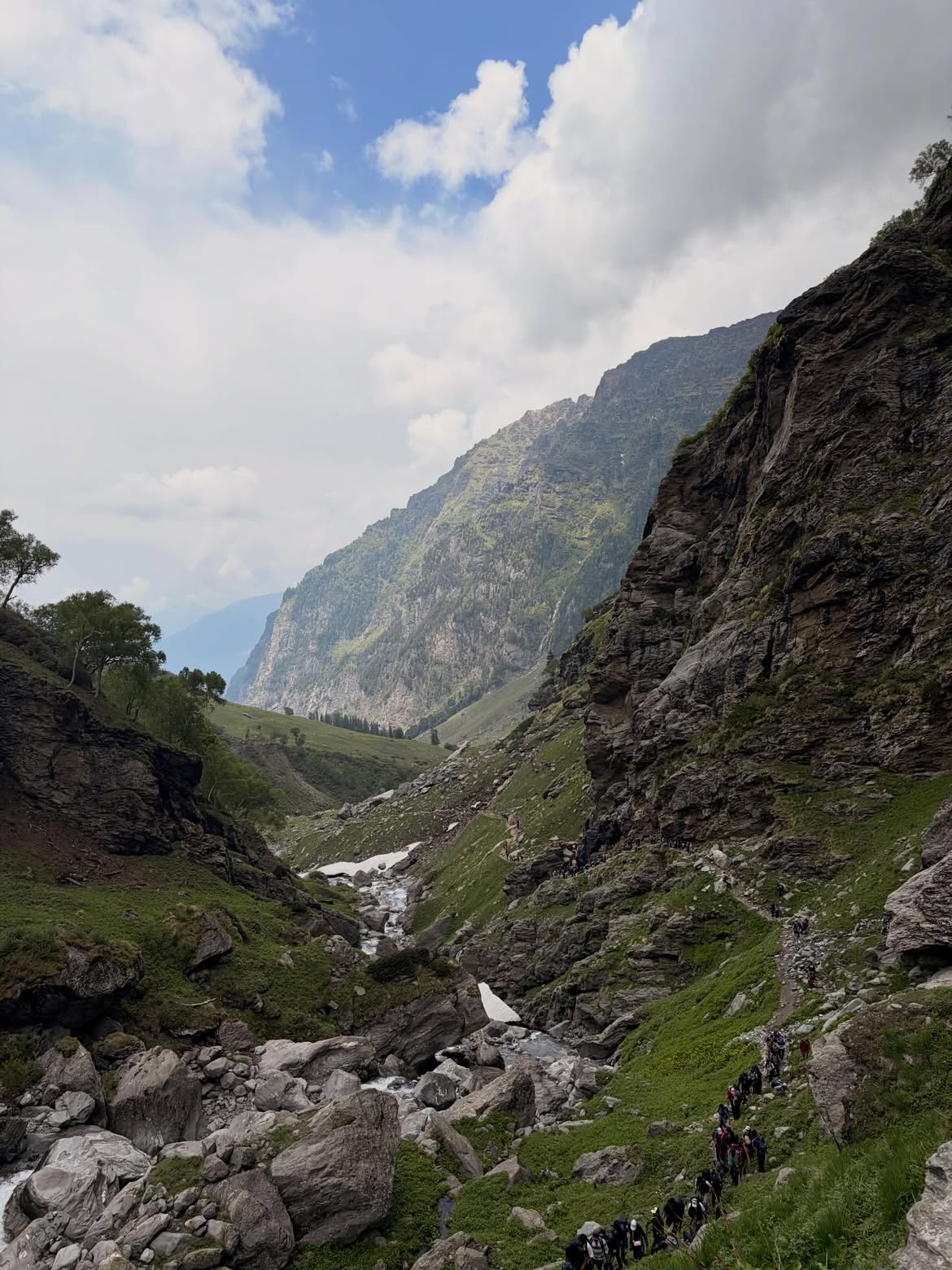
4. Hampta Pass Trek, Himachal Pradesh
Hampta Pass is among the best trekking places in India for beginners who want to experience a high-altitude Himalayan pass.
One of its biggest attractions is the dramatic change in scenery. The trek begins amid the greener landscapes around Kullu and Manali before crossing toward the more arid terrain of Lahaul.
The Ministry of Tourism describes the Hampta Pass–Chandratal route as a trek featuring contrasting landscapes, river crossings, forests, campsites and the approximately 4,300-metre Hampta Pass.
Difficulty: Moderate
Best time: Generally June to September
Ideal for: Beginners with good fitness and experienced hikers
What makes Hampta Pass special?
- Dramatic landscape changes
- Mountain streams and river crossings
- Forest trails
- High-altitude pass
- Chandratal region
- Excellent camping opportunities
It is a great choice if you want a relatively short Himalayan adventure packed with changing scenery.
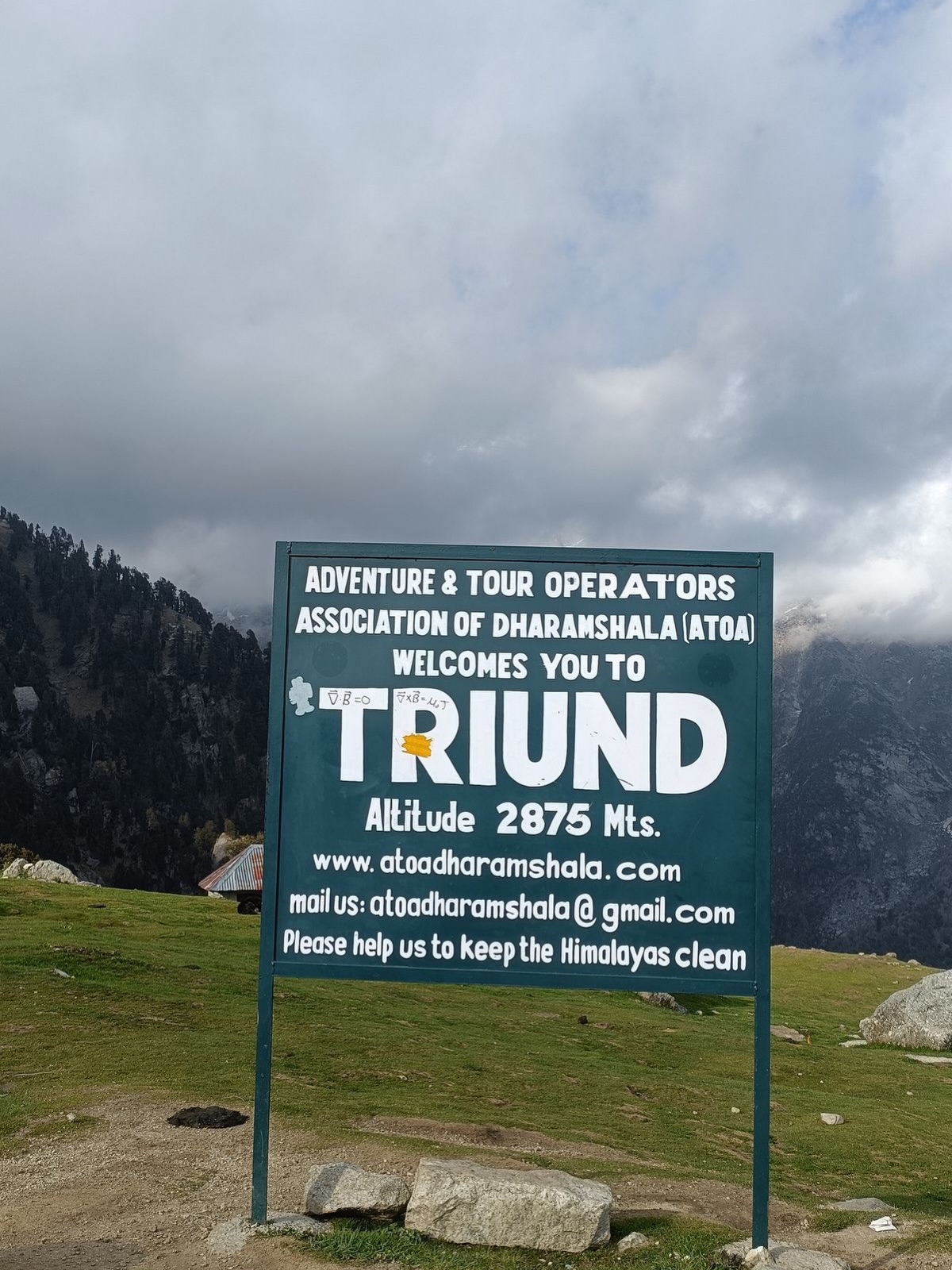
5. Triund Trek, Himachal Pradesh
If you are searching for a beginner-friendly trekking place in India, Triund should be high on your list.
Located near McLeod Ganj and Dharamshala, Triund offers spectacular views of the Dhauladhar range and Kangra Valley. The trail passes through forests before opening into a broad mountain meadow.
Himachal Pradesh Tourism describes Triund as a moderate trek at around 2,875 metres, with the route passing through oak and deodar forests and offering views of the Kangra Valley and surrounding mountains.
Difficulty: Easy to Moderate
Best time: Spring and autumn are generally popular; summer can also be suitable depending on weather
Ideal for: Beginners, weekend trekkers and first-time campers
Why choose Triund?
- Accessible from Dharamshala/McLeod Ganj
- Shorter than many Himalayan expeditions
- Beautiful mountain views
- Suitable for beginners with reasonable fitness
- Popular camping experience
Triund is particularly suitable for travellers who have limited time but still want a Himalayan trekking experience.
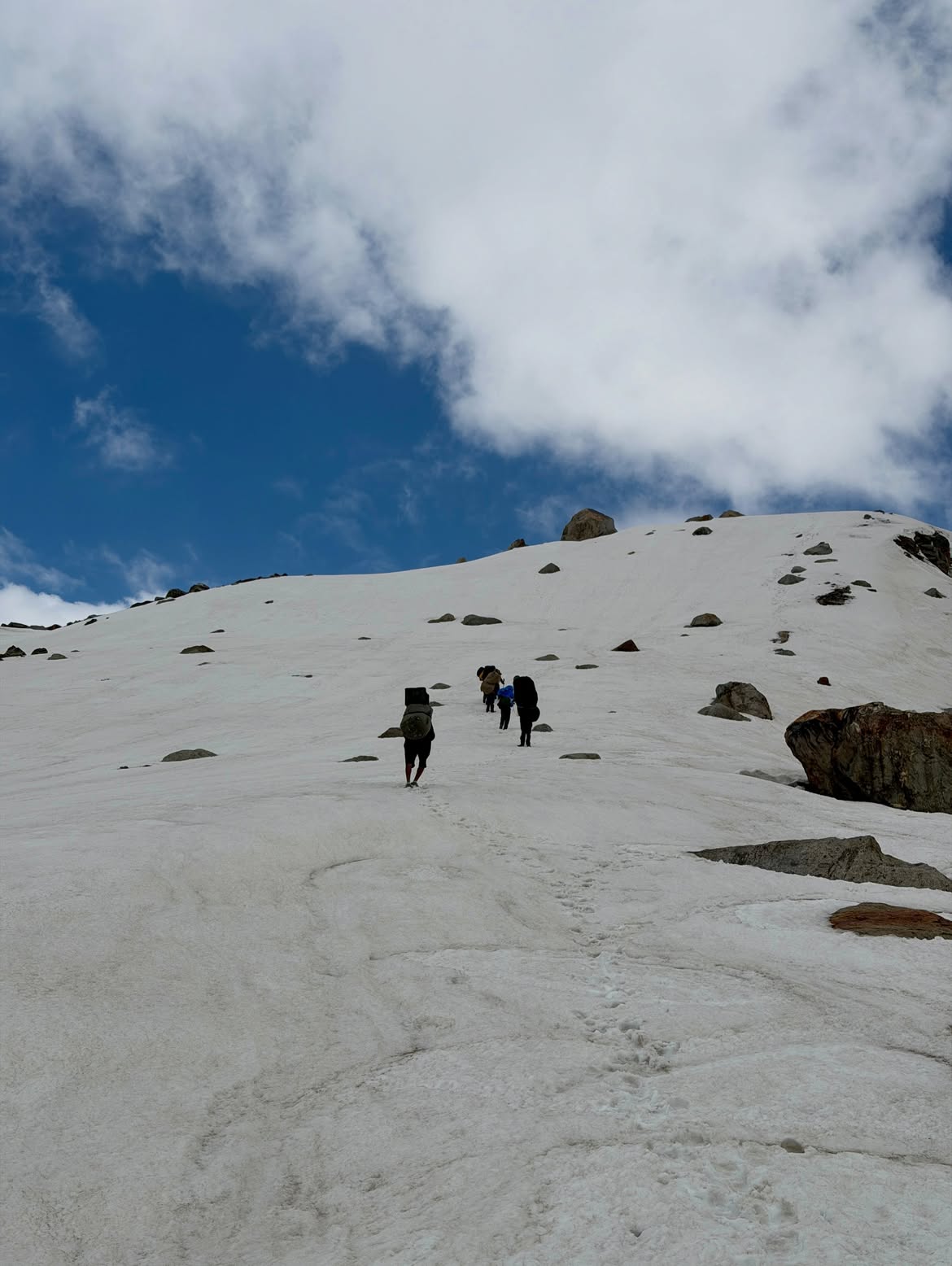
6. Pin Parvati Pass Trek, Himachal Pradesh
For experienced trekkers seeking a serious Himalayan challenge, the Pin Parvati Pass trek is one of the most spectacular options.
The route connects the lush Parvati Valley with the stark landscapes of Pin Valley. It involves high-altitude terrain, river crossings, steep climbs and changing weather conditions.
Himachal Tourism classifies the Pin Parvati Pass trek as very difficult and notes that the route crosses the pass at more than 5,000 metres.
Difficulty: Very Difficult
Ideal for: Experienced high-altitude trekkers
Terrain: Glaciers, rocky trails, river crossings and high mountain passes
This is not a trek for beginners. Proper acclimatization, fitness, equipment and experienced guidance are essential.
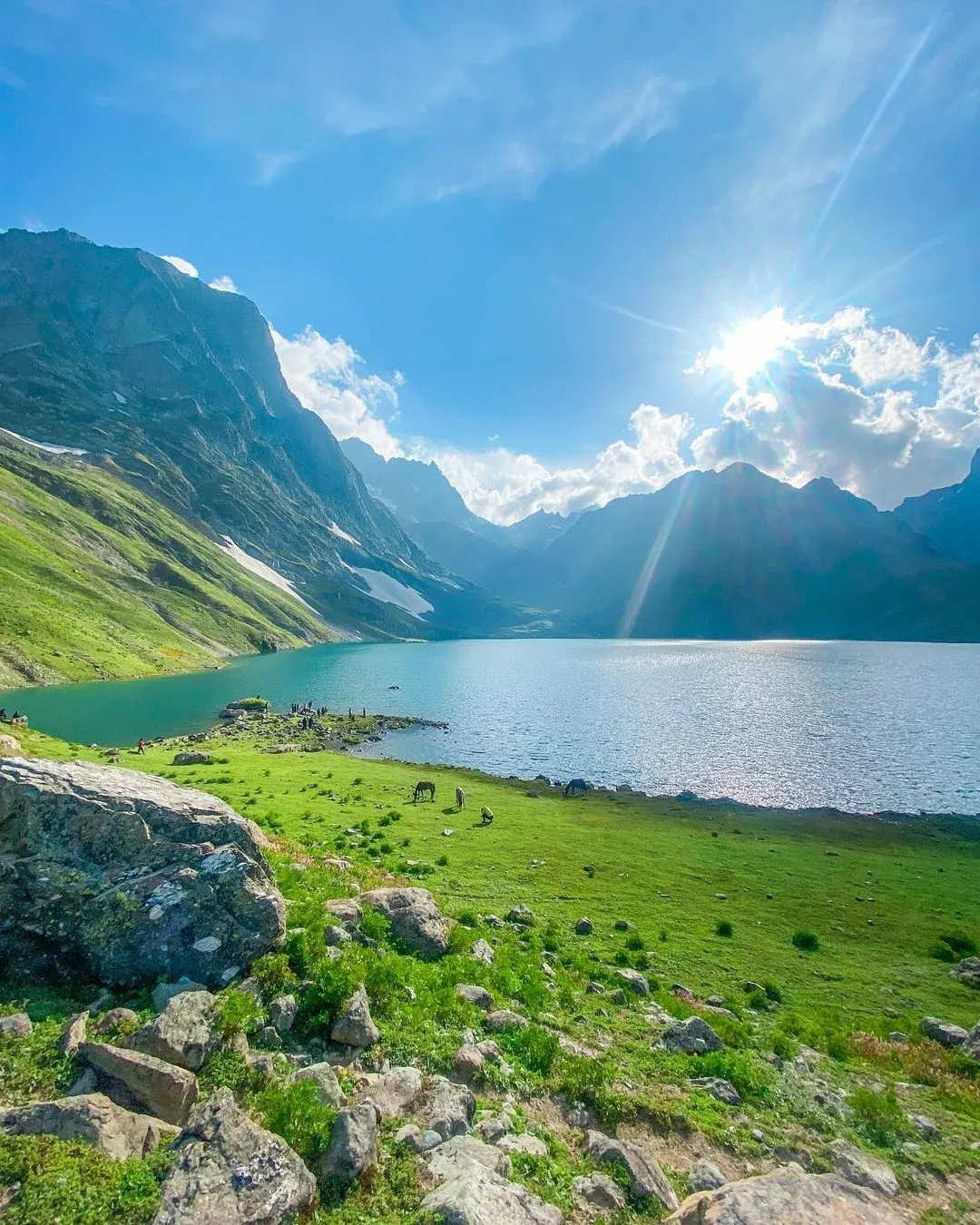
7. Great Himalayan National Park Treks, Himachal Pradesh
The Great Himalayan National Park (GHNP) is a fantastic destination for travellers who want trekking combined with wilderness and biodiversity.
The park contains forests, alpine landscapes, deep valleys and high mountain terrain. Himachal Tourism identifies multiple trekking routes within and around the park, ranging from relatively accessible trails to difficult multi-day expeditions.
The park is also a UNESCO World Heritage Site and supports species such as the Himalayan monal, blue sheep, Himalayan thar and other mountain wildlife.
Difficulty: Easy to Very Difficult, depending on route
Best for: Wildlife enthusiasts, nature lovers and experienced trekkers
Popular trekking options include:
- Tirthan Valley–Morahani Trek
- Tirthan Valley–Tirath Trek
- Gushaini–Rakhundi Trek
- Gushaini–Shilt Trek
- Pin Parvati Pass route
The Great Himalayan National Park is particularly rewarding for travellers who want a less urbanized and more wilderness-focused experience.
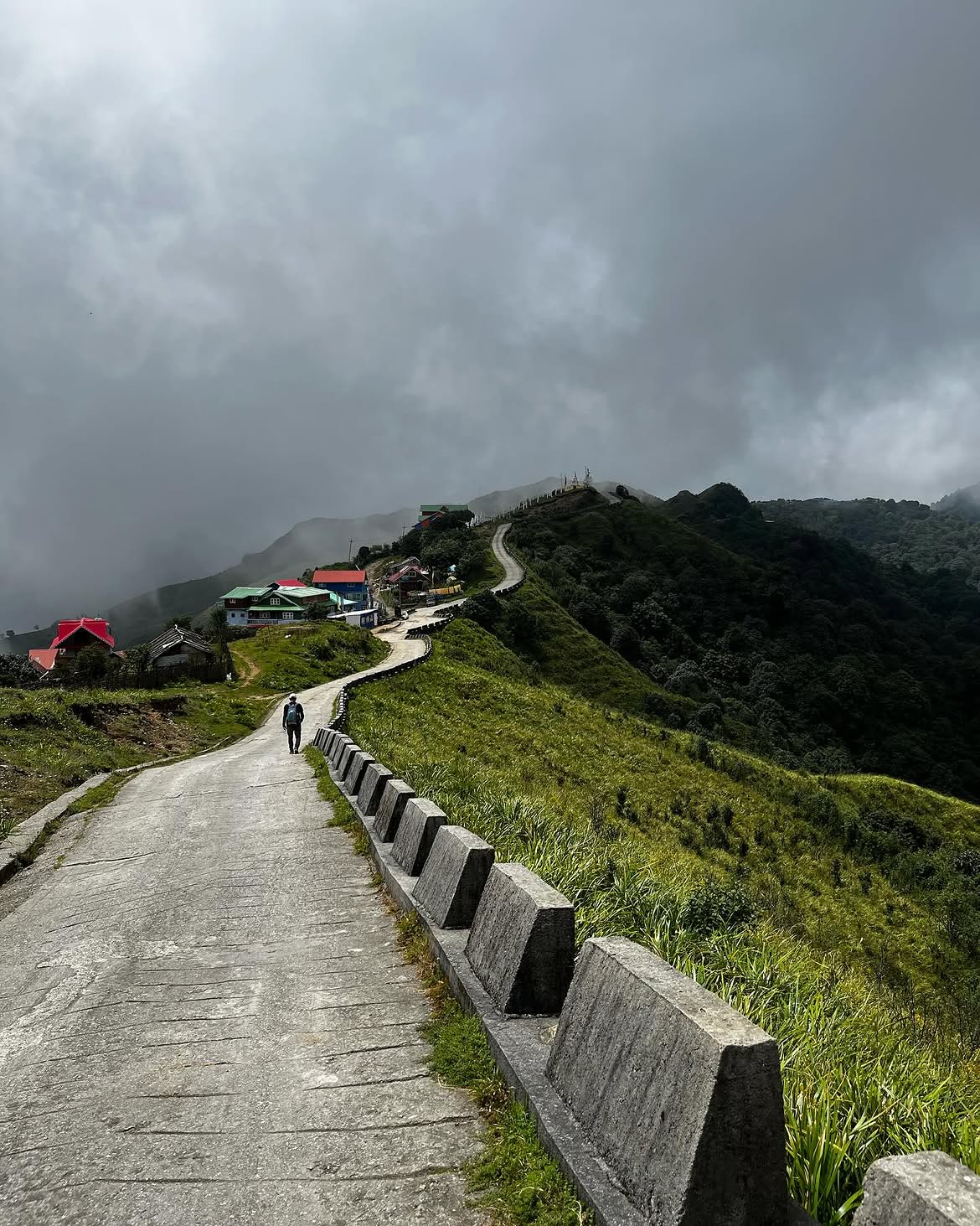
8. Sandakphu Trek, West Bengal:
Sandakphu is one of the most rewarding Himalayan treks in eastern India. Located in the Darjeeling region, it is the highest point in West Bengal.
The major attraction is the panoramic mountain scenery. West Bengal Tourism notes that Sandakphu offers views of four of the world’s five highest peaks—Everest, Kanchenjunga, Lhotse and Makalu.
Difficulty: Moderate
Best time: Spring and autumn are popular; winter offers a different snow-covered experience subject to conditions
Ideal for: Mountain lovers, photographers and moderately experienced trekkers
Highlights
- Kanchenjunga views
- Everest views
- Rhododendron forests
- Mountain villages
- Nepal-India border landscapes
- Dramatic sunrises
Sandakphu is an excellent option for trekkers who want extraordinary Himalayan views without travelling to the western Himalayas.
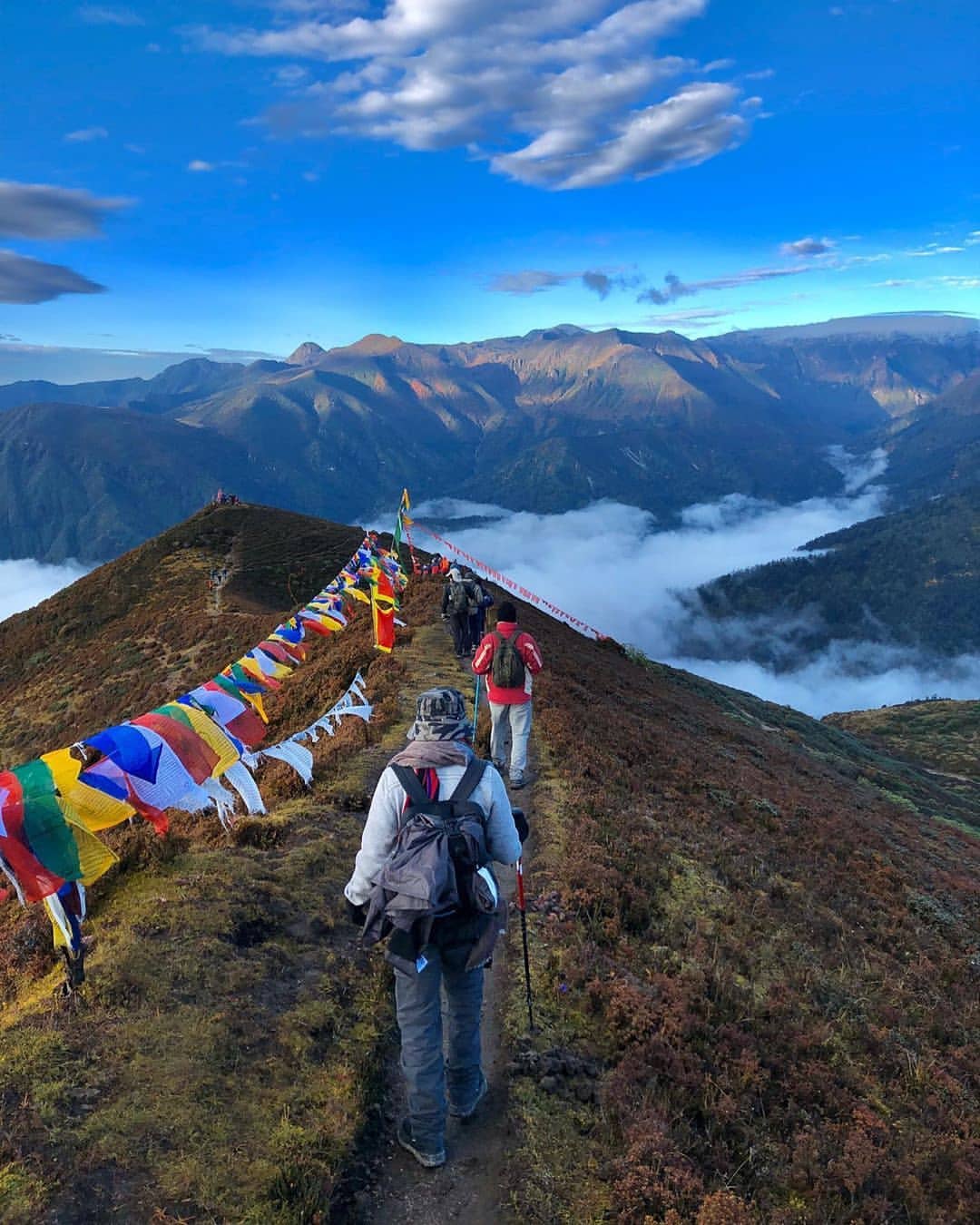
9. Dzongri Trek, Sikkim
The Dzongri Trek is one of the most spectacular trekking routes in Sikkim.
The trek takes you through forests, mountain landscapes and high-altitude terrain before reaching viewpoints overlooking the spectacular Himalayan range.
The Ministry of Tourism describes the Yuksom–Dzongri trek as a rewarding high-altitude route, with Dzongri Viewpoint providing expansive Himalayan views from around 4,250 metres.
Difficulty: Moderate
Ideal for: Trekkers with reasonable high-altitude experience
Why trek Dzongri?
- Kanchenjunga mountain views
- Rhododendron forests
- High-altitude landscapes
- Beautiful campsites
- Sikkimese culture and villages
It is an excellent alternative for travellers who want a Himalayan trek with a distinctly eastern Himalayan character.
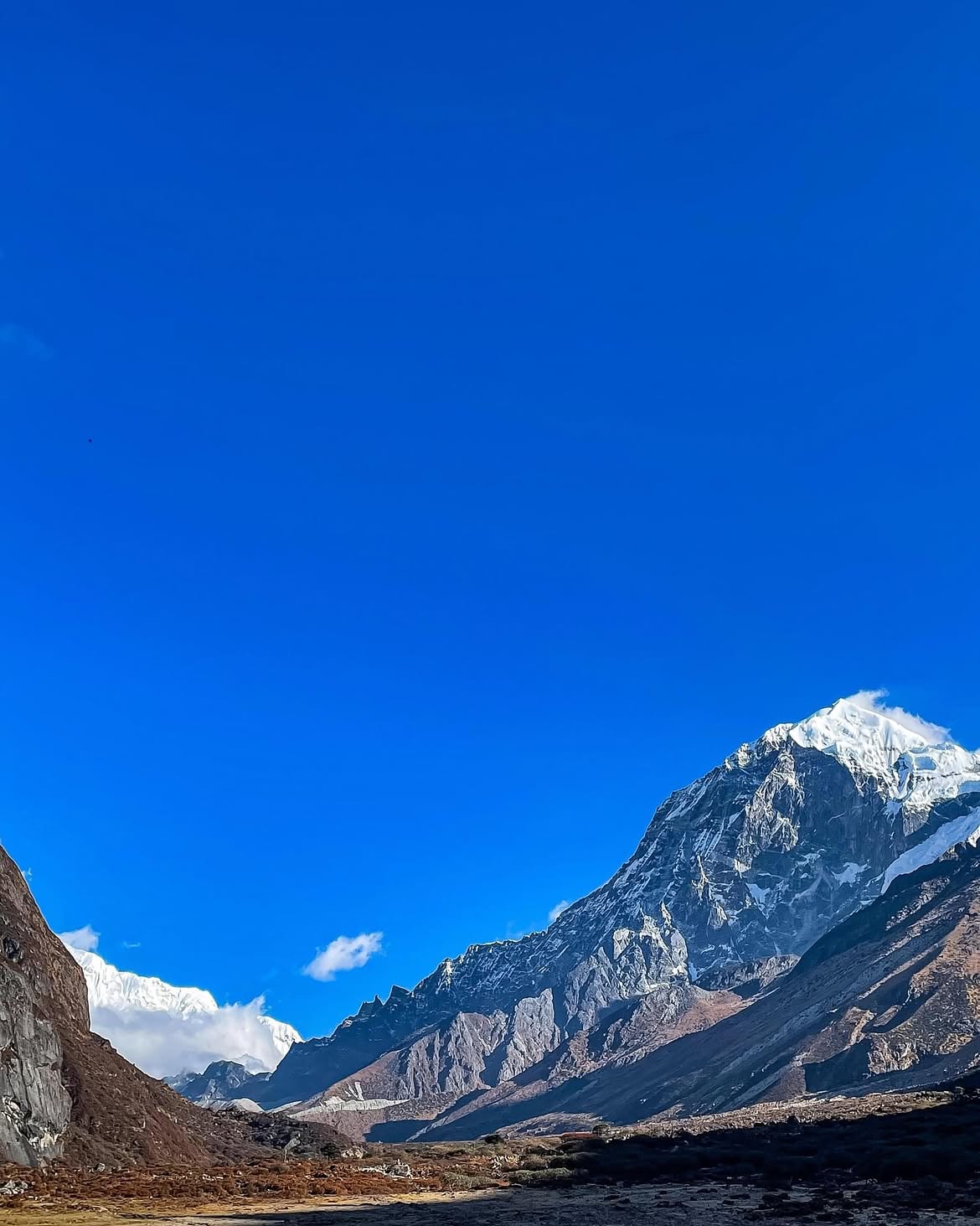
10. Goechala Trek, Sikkim
Goechala is another major trekking destination in Sikkim and is especially popular among trekkers looking for dramatic views of the high Himalayas.
The route leads through forests and alpine landscapes toward viewpoints overlooking some of the region’s great peaks.
Difficulty: Difficult
Best for: Experienced trekkers
Ideal season: Generally spring and autumn, subject to route conditions
Goechala involves significant altitude gain, so preparation and acclimatization are important.
Major attractions
- Kanchenjunga views
- Alpine forests
- High-altitude meadows
- Sunrise over the Himalayas
- Challenging mountain terrain
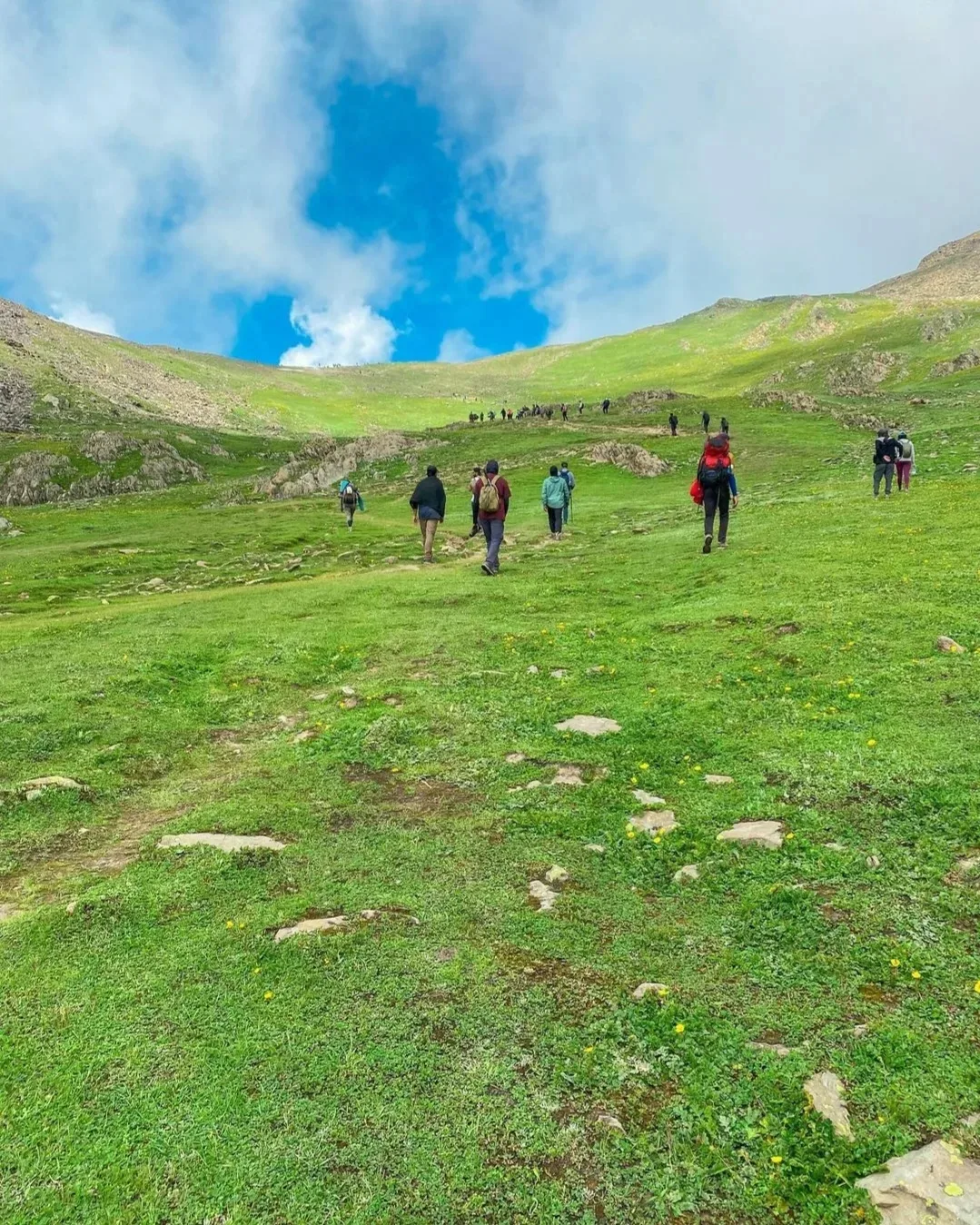
11. Tarsar Marsar Trek, Kashmir
Kashmir is often called paradise on Earth, and the Tarsar Marsar Trek demonstrates why.
The trek is famous for its beautiful alpine lakes, green meadows, mountain valleys and snow-capped peaks. Unlike some extremely high-altitude expeditions, the appeal here lies as much in the scenery as in the physical challenge.
Difficulty: Moderate
Best time: Generally summer months when the route is accessible
Ideal for: Nature lovers, photographers and moderate-level trekkers
What you can expect
- Alpine lakes
- Green meadows
- Mountain streams
- Wildflowers
- Snow-covered peaks
- Remote Himalayan landscapes
Trekking conditions in Kashmir can vary, so check local access and safety advisories before travelling.
12. Markha Valley Trek, Ladakh
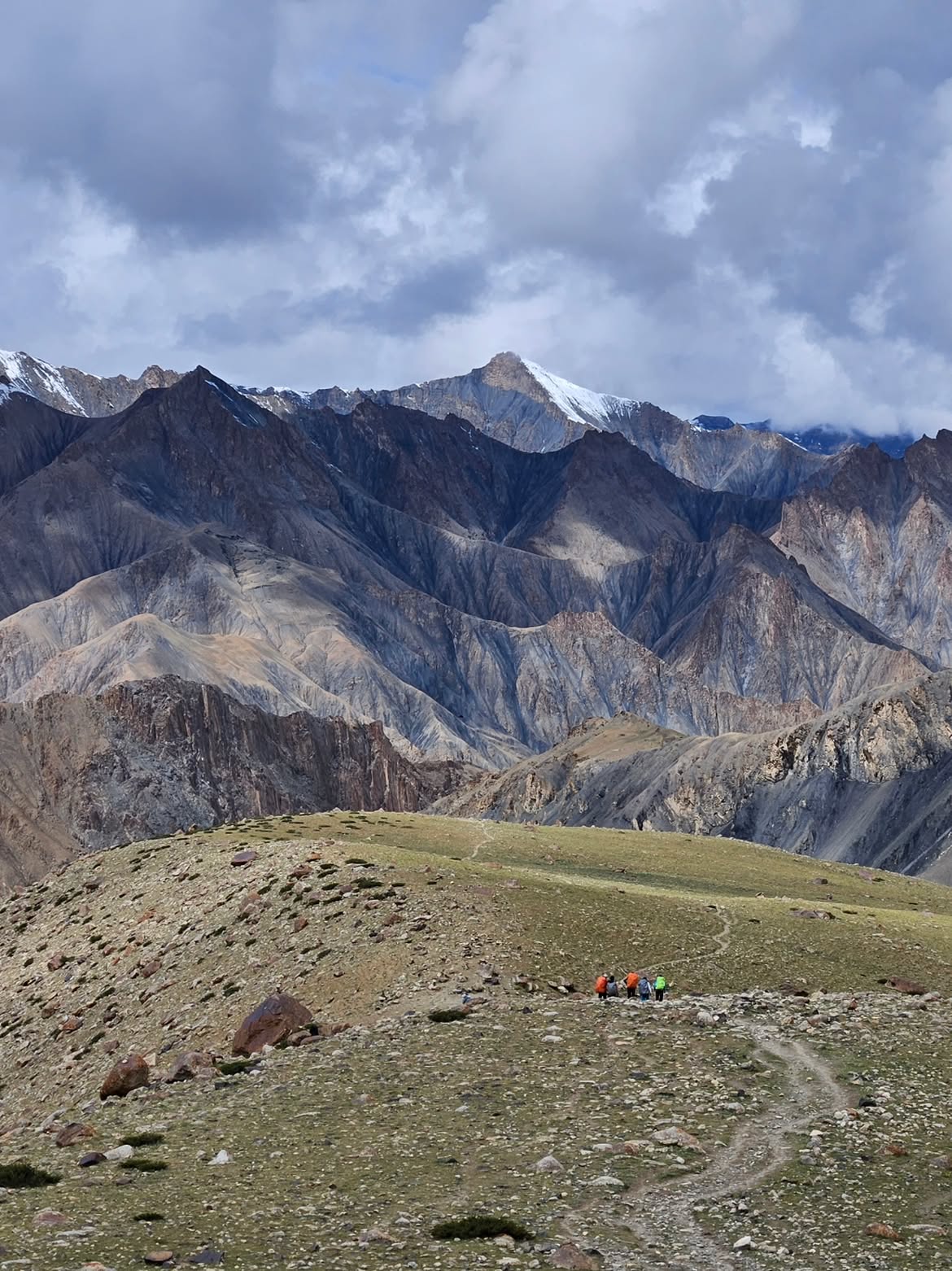
The Markha Valley Trek is one of the best ways to explore Ladakh on foot.
The landscape is dramatically different from the green Himalayas. Expect barren mountains, river valleys, Buddhist monasteries, traditional villages and vast open skies.
Difficulty: Moderate to Difficult
Best time: Generally June to September, depending on conditions
Ideal for: Experienced hikers and adventure travellers
Highlights of Markha Valley
- High-altitude desert landscapes
- Traditional Ladakhi villages
- Buddhist monasteries
- River crossings
- Mountain passes
- Incredible photography opportunities
One of the greatest advantages of this trek is the cultural experience. Instead of seeing Ladakh only from a vehicle, trekking allows you to move slowly through its villages and valleys.
13. Stok Kangri Region, Ladakh
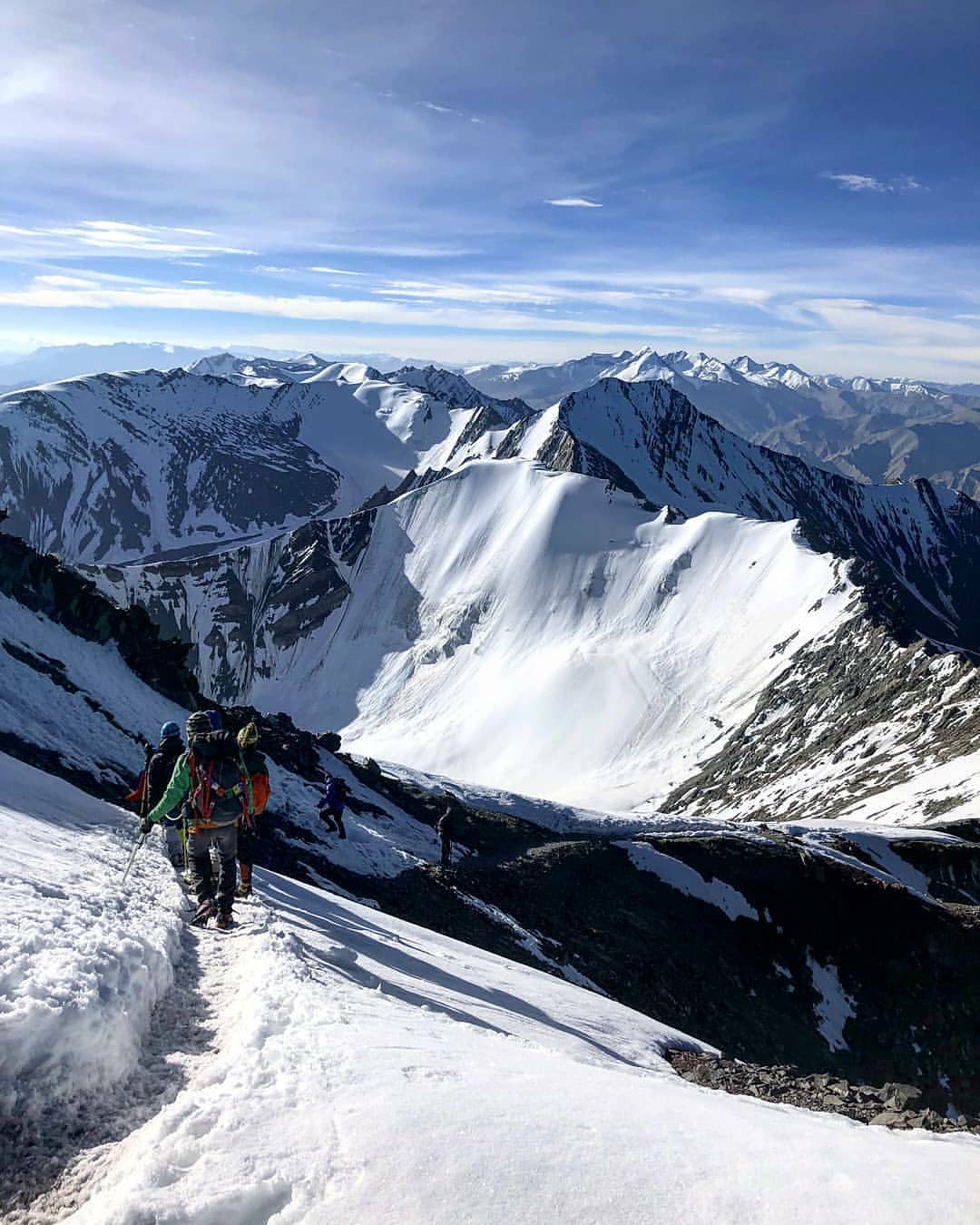
The Stok Kangri region has long been associated with challenging high-altitude trekking around Leh and the Stok range. However, trekkers must verify current access and regulations before planning an expedition to the summit or surrounding routes.
Difficulty: Difficult to technical, depending on objective
Best for: Experienced mountaineers and high-altitude trekkers
The region offers a combination of stark Himalayan desert scenery, high passes and spectacular views.
Because high-altitude routes can be affected by regulations, weather and conservation measures, always confirm whether your intended route is currently open.
14. Rajmachi Trek, Maharashtra
Not every great Indian trek requires high-altitude Himalayan conditions. Rajmachi is a fantastic example of a Western Ghats trek that can be enjoyed as a weekend adventure.
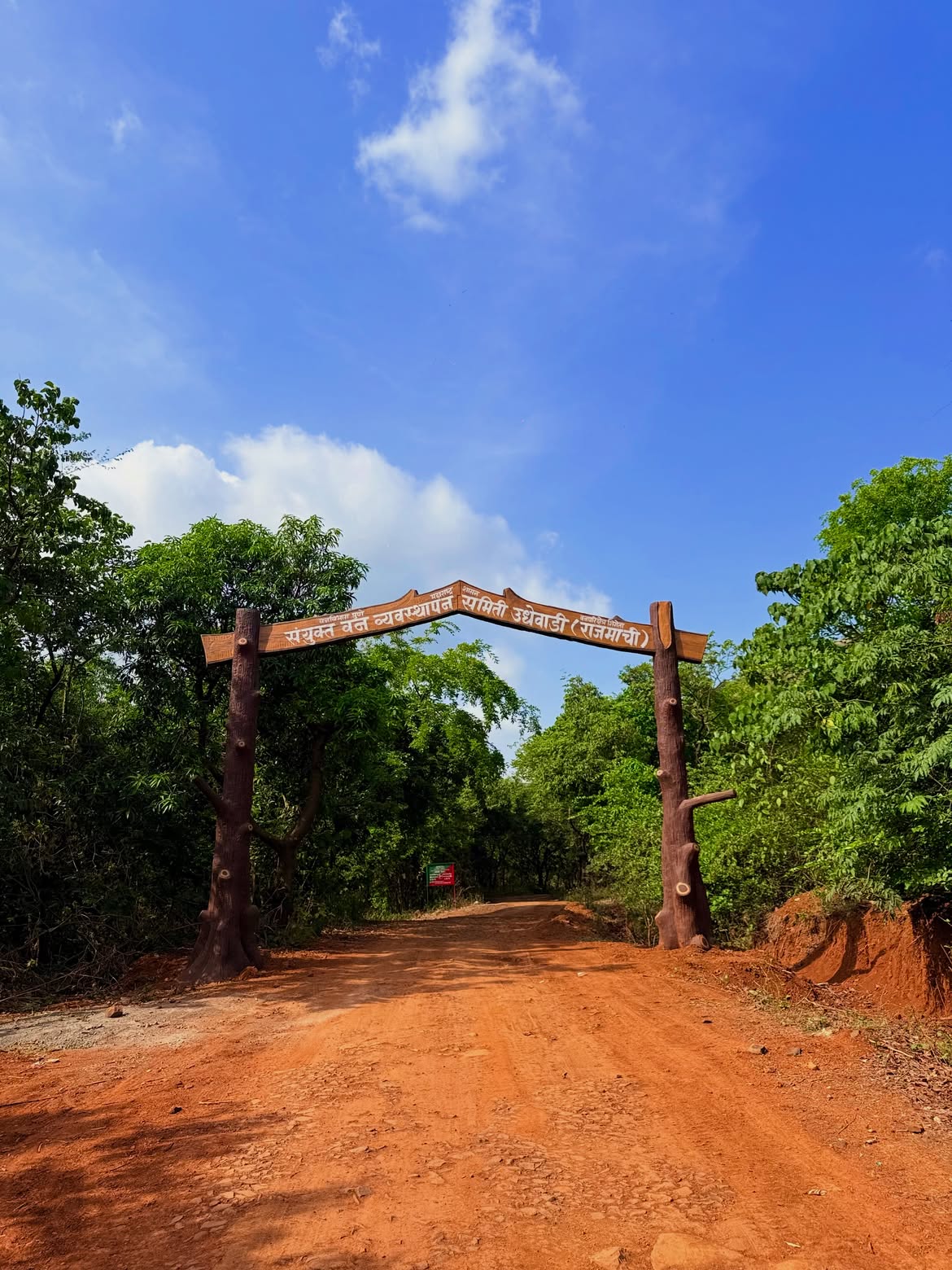
Located near Lonavala, the trek leads toward the historic Rajmachi Fort through lush landscapes, especially during and after the monsoon season.
Difficulty: Easy to Moderate
Best for: Beginners, weekend travellers and history enthusiasts
Why visit Rajmachi?
- Historic fort
- Green Western Ghats
- Waterfalls during the monsoon
- Village experience
- Accessible from Mumbai and Pune
It is an excellent choice if you are looking for a relatively accessible trekking destination in western India.
15. Harishchandragad Trek, Maharashtra
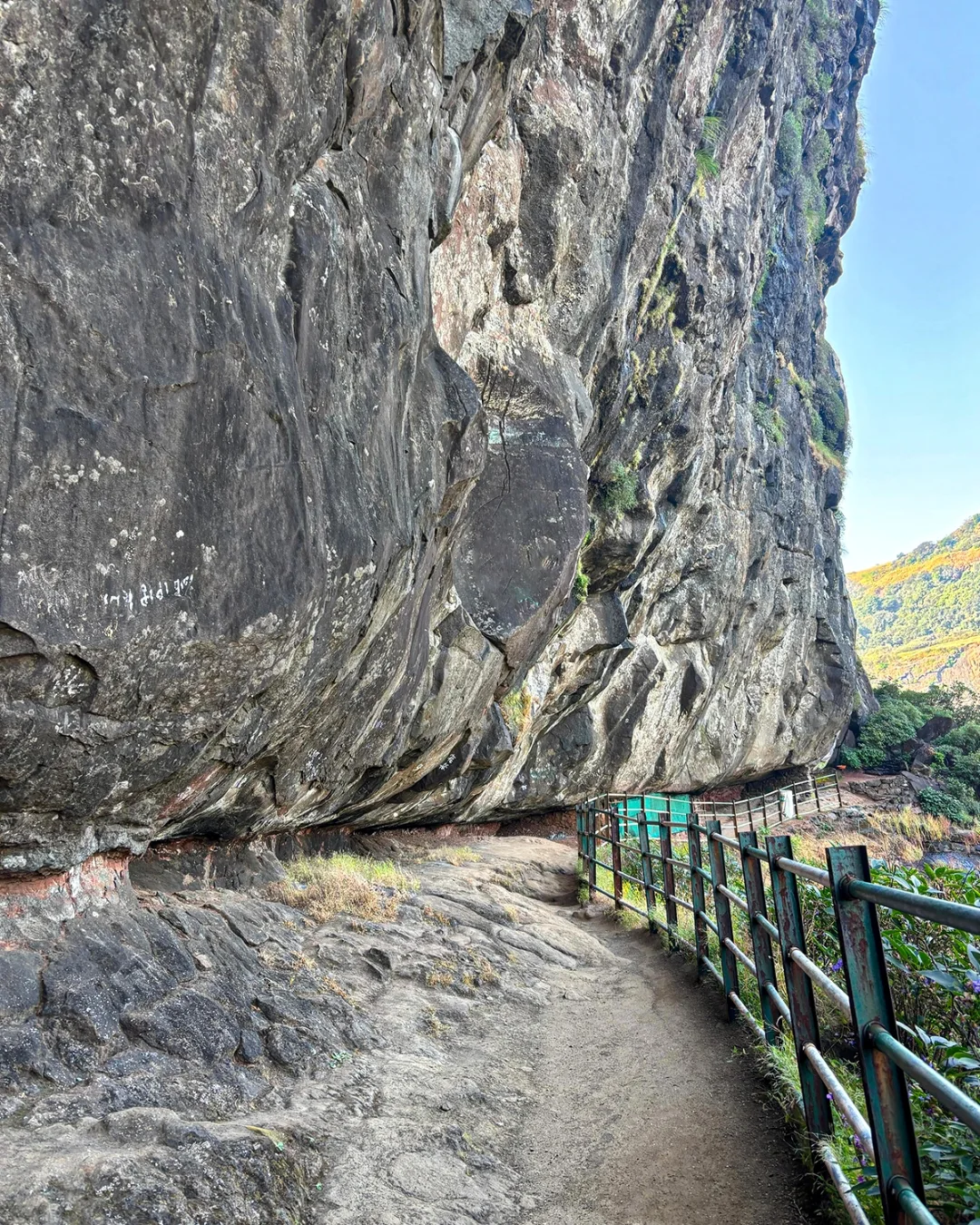
Harishchandragad is one of Maharashtra’s most famous fort treks and combines history, adventure and dramatic mountain scenery.
The trek is especially known for the iconic Konkan Kada, a spectacular cliff formation overlooking the surrounding landscape.
Difficulty: Moderate
Best for: Experienced weekend trekkers and adventure lovers
Highlights
- Historic fort
- Konkan Kada
- Ancient caves
- Temple structures
- Western Ghats landscapes
- Excellent sunrise and sunset views
The terrain can become slippery during heavy rainfall, so trekkers should take extra care during the monsoon.
16. Kudremukh Trek, Karnataka
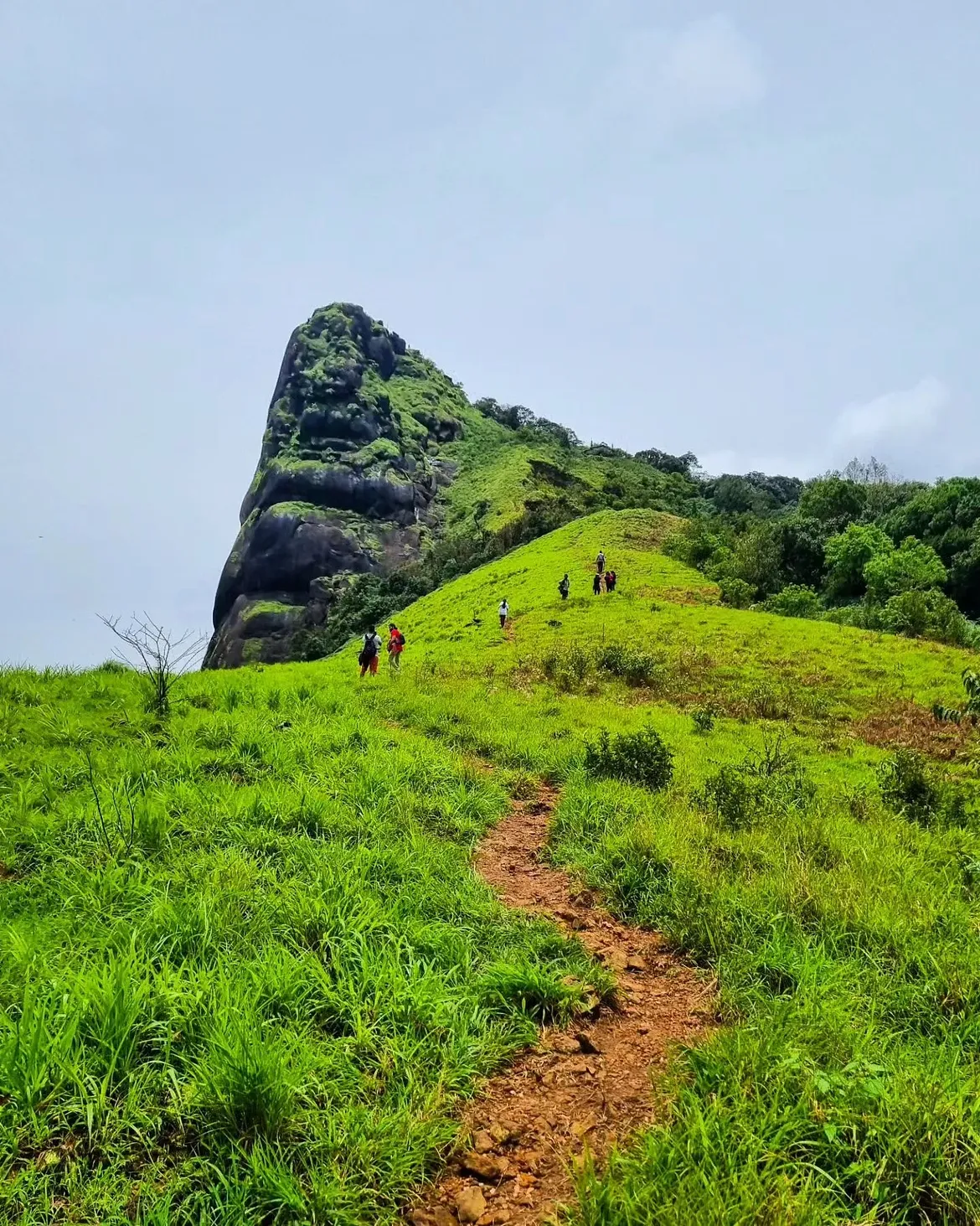
The Kudremukh region in Karnataka is one of the finest trekking destinations in the Western Ghats.
The landscape is dominated by rolling green hills, grasslands, forests and misty mountain scenery. The Western Ghats are globally recognized for their exceptional biodiversity and endemic species.
Difficulty: Moderate
Best for: Nature lovers and weekend trekkers
Karnataka Tourism highlights the state’s Western Ghats hill destinations for their trekking trails, waterfalls, forests and panoramic scenery.
Why Kudremukh is special
- Green rolling hills
- Forest trails
- Misty landscapes
- Rich biodiversity
- Beautiful viewpoints
Kudremukh is a strong option for travellers who prefer lush landscapes over snow-covered mountains.
17. Kumara Parvatha Trek, Karnataka
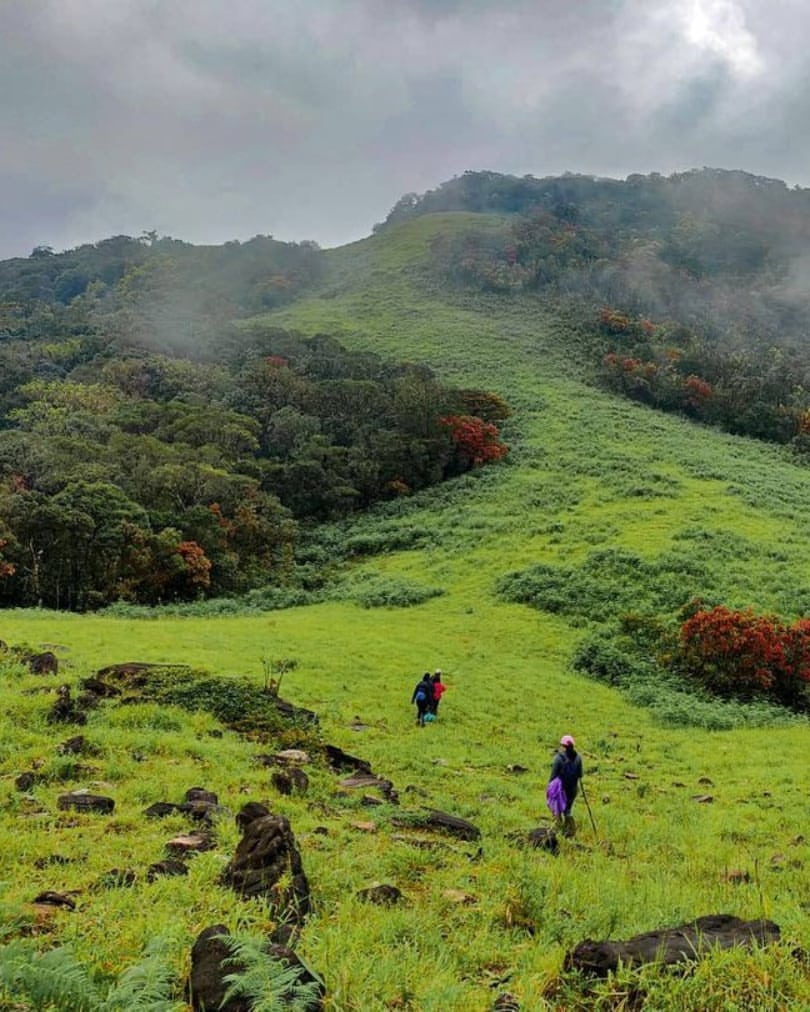
Kumara Parvatha is among the more demanding trekking experiences in Karnataka.
The trail involves steep climbs and challenging terrain, making it much more demanding than many beginner-friendly Western Ghats hikes.
Difficulty: Difficult
Best for: Experienced trekkers
Ideal for: Fitness-focused hikers and adventure enthusiasts
The route rewards trekkers with expansive views of the Western Ghats and a strong sense of accomplishment.
Proper preparation is particularly important because the combination of elevation gain, heat, humidity and steep sections can make the trek physically demanding.
18. Chembra Peak Trek, Kerala
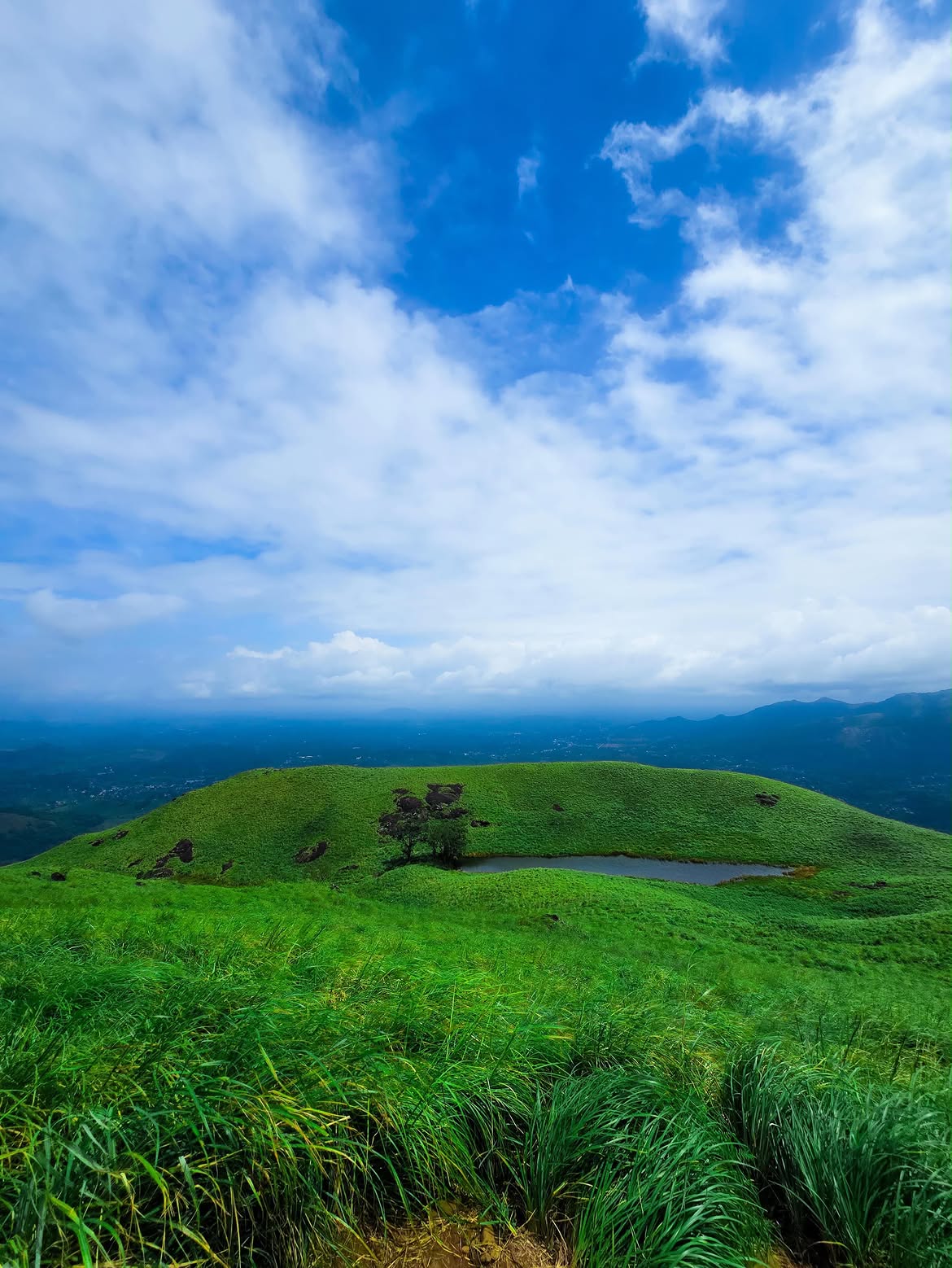
Chembra Peak near Wayanad is one of Kerala’s most popular trekking destinations.
The trail passes through lush greenery and offers beautiful views of Wayanad’s hills and valleys. One of its most famous attractions is the heart-shaped lake associated with the trek.
Difficulty: Easy to Moderate
Best for: Beginners, couples, families with suitable fitness and nature lovers
Highlights
- Lush Western Ghats scenery
- Heart-shaped lake
- Mountain viewpoints
- Forest and grassland landscapes
- Wayanad’s pleasant hill environment
Since trekking access can be regulated, visitors should check the current permission system before travelling.
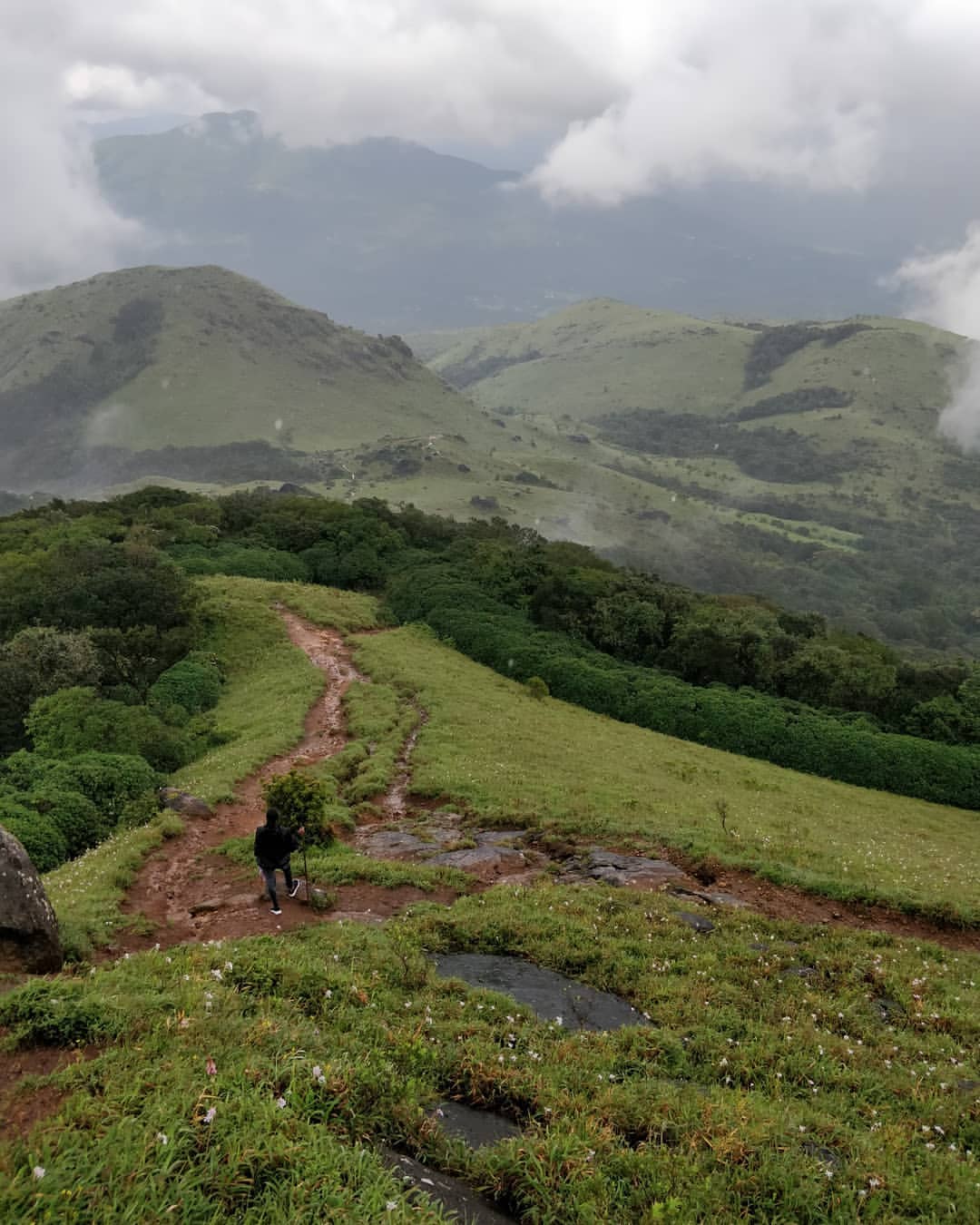
19. Meesapulimala Trek, Kerala
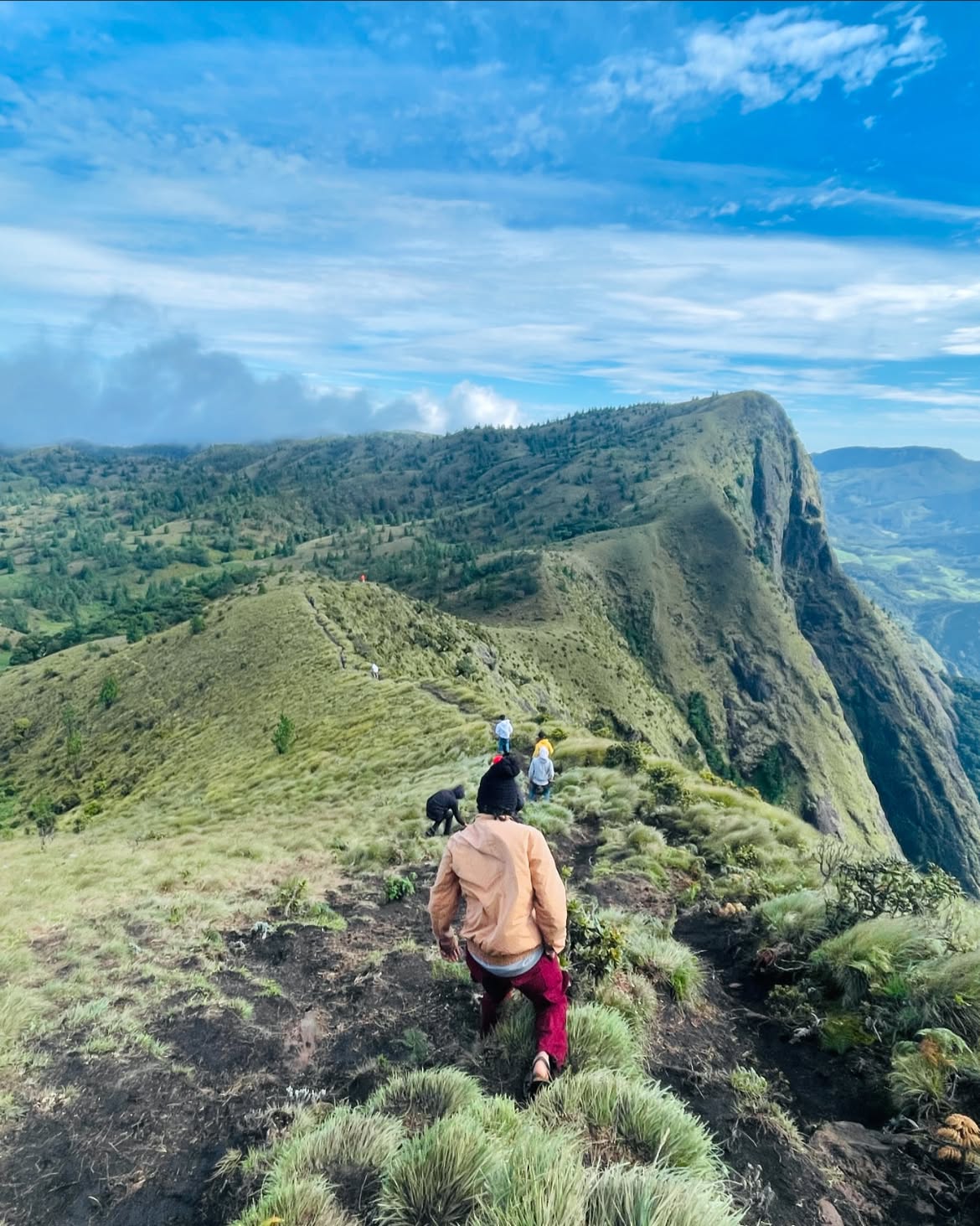
Meesapulimala is one of Kerala’s most beautiful highland trekking destinations.
The route features rolling grasslands, mist-covered mountains and expansive views across the Western Ghats. The changing weather often gives the landscape a dramatic appearance.
Difficulty: Moderate
Best for: Nature lovers, photographers and moderate-level trekkers
Things to enjoy
- Misty mountain landscapes
- Grass-covered hills
- Sunrise views
- Western Ghats biodiversity
- Peaceful surroundings
Meesapulimala is ideal for travellers who want a mountain experience without travelling to the Himalayas.
20. Tadiandamol Trek, Karnataka:
Tadiandamol is the highest peak in Karnataka and is a popular trekking destination around Coorg.
The trail takes you through green landscapes, forest sections and open mountain terrain.
Difficulty: Easy to Moderate
Best for: Beginners and weekend trekkers
Karnataka Tourism describes Coorg and other Western Ghats destinations as offering scenic trekking trails amid forests, hills and coffee-growing landscapes.
Tadiandamol is a good choice for travellers who want a relatively accessible mountain trek combined with a relaxed Coorg holiday.
Best Time for Trekking in India:
India’s trekking season varies considerably depending on altitude and region.
| Season | Recommended Regions | Trekking Experience |
|---|---|---|
| March–May | Uttarakhand, Himachal, Sikkim, Western Ghats | Spring flowers, forests and pleasant weather |
| June–September | Himalayan highlands and selected monsoon treks | Green valleys and alpine landscapes |
| October–November | Himalayas, Western Ghats | Clear mountain views and autumn scenery |
| December–February | Lower-altitude trails and selected winter treks | Snow trekking and winter landscapes |
There is no single “best month” for every trek. High-altitude Himalayan routes can have short operating windows, while Western Ghats trails can be dramatically affected by monsoon rainfall.
For example, Himachal Tourism notes that different trekking regions have distinct seasonal accessibility and that some high-altitude areas become difficult or inaccessible during winter.
How to Choose the Best Trekking Place in India:
Before choosing a trek, consider these factors.
1. Trekking Experience:
Beginners should start with shorter and moderately graded routes. Experienced hikers can gradually progress toward high-altitude passes and longer expeditions.
2. Fitness Level:
Trekking can involve long hours of walking, steep climbs, uneven terrain and significant altitude gain. A trek labelled “moderate” can still be physically demanding.
3. Altitude:
Altitude is one of the most important factors in Himalayan trekking. Give your body adequate time to acclimatize and do not ignore symptoms of altitude sickness.
4. Weather:
Mountain weather can change rapidly. Always check the forecast and current trail conditions before starting.
5. Duration:
A weekend trek such as Rajmachi or Triund requires very different planning from a multi-day expedition such as Pin Parvati Pass or Markha Valley.
6. Permits and Local Rules:
Some trekking destinations require permits, entry fees, forest permissions or registered guides. Requirements may change, so verify them before departure.
Essential Things to Carry for an Indian Trek
Packing correctly can make a major difference to your trekking experience.
Clothing
- Moisture-wicking base layers
- Warm jacket
- Waterproof outer layer
- Trekking trousers
- Woollen socks
- Gloves
- Cap or sun hat
Trekking Equipment
- Comfortable trekking shoes with good grip
- Backpack
- Water bottle or hydration system
- Headlamp
- Trekking poles
- Sleeping bag where required
- Rain cover
- Basic navigation equipment
Personal Essentials
- Sunscreen
- Sunglasses
- Personal medicines
- First-aid supplies
- Toiletries
- Power bank
- Identification documents
- Emergency contact information
Himachal Tourism similarly recommends essentials such as comfortable walking shoes, waterproof warm clothing, a rucksack, water bottle, gloves, first-aid supplies, torch and other trekking equipment.
Trekking Safety Tips for India
Trekking is an exciting adventure, but mountain environments should never be underestimated.
Check the Weather
Weather conditions can change rapidly, particularly in the Himalayas.
Do Not Ignore Altitude
If you experience symptoms such as severe headache, dizziness, unusual weakness, vomiting or difficulty breathing at altitude, inform your trek leader immediately and follow appropriate descent or medical advice.
Hire a Guide When Appropriate
A local guide can be especially valuable on remote trails, difficult routes and areas where weather or navigation can become challenging.
Stay on Marked Trails
Avoid taking unnecessary shortcuts or wandering away from established routes.
Carry Enough Water
Dehydration can make a demanding trek significantly harder.
Respect Local Communities
Many trekking routes pass through villages, sacred places and culturally important landscapes. Respect local customs and traditions.
Follow Leave-No-Trace Principles
Carry your waste back, avoid damaging vegetation and do not disturb wildlife.
Check Official Restrictions
Before starting a trek, confirm whether the trail is open and whether permits, guides or specific registrations are required.
Final Thoughts:
From the flower-filled meadows of Uttarakhand and snow-covered trails of Himachal Pradesh to the mountain deserts of Ladakh and lush Western Ghats of Karnataka and Kerala, India has an extraordinary variety of trekking destinations.
The best trekking places in India are not necessarily the most difficult ones. The right trek is the one that matches your fitness, experience, available time and preferred landscape.
If you are a beginner, start with accessible trails such as Triund, Kedarkantha, Valley of Flowers or Tadiandamol. Once you gain experience, you can progress toward challenging routes such as Goechala, Markha Valley or Pin Parvati Pass.
For the best experience, plan according to the season, check current trail conditions and permits, pack appropriately, respect local communities and leave the mountains as beautiful as you found them.
Adventure does not always mean climbing the highest peak. Sometimes, it simply means taking the first step onto a trail.
FAQs:
Q. Which is the best trekking place in India for beginners?
A. Triund, Kedarkantha, Valley of Flowers and selected sections of Hampta Pass are popular choices for beginners with reasonable fitness. Your first trek should match your experience and current trail conditions rather than simply choosing the most famous destination.
Q. Which is the best trek in India for snow?
A. Kedarkantha is one of India’s best-known winter snow treks. Snow conditions vary by season, so check the current forecast and trail status before travelling.
Q. Which is the best trekking destination in India for experienced trekkers?
A. Experienced trekkers can consider challenging routes such as Pin Parvati Pass, Goechala, Markha Valley and other high-altitude expeditions. These require considerably more preparation than beginner trails.
Q. Which are the best weekend trekking places in India?
A. Triund, Rajmachi, Harishchandragad, Tadiandamol and Chembra Peak are popular options for relatively short trekking trips.
Q. What should I carry for a trek in India?
A. Essential items generally include sturdy trekking shoes, weather-appropriate clothing, a backpack, water, food or trail snacks, first-aid supplies, personal medicines, a headlamp, rain protection and sun protection.
Q. Is trekking in India safe for beginners?
A. Many Indian trekking routes are suitable for beginners when undertaken with appropriate preparation and guidance. However, beginners should avoid technically difficult or very high-altitude routes until they have gained sufficient experience.
Q. What is the best season for trekking in India?
A. There is no single best season for every trek. Spring and autumn are generally popular for many Himalayan routes, summer is suitable for selected high-altitude trails, and winter is popular for snow treks. Western Ghats trekking can have very different conditions during the monsoon.

You May Also Like
Ziro Tourism: 7 Famous Place ...
30 July 2023
Popular Post

Famous Places to visit in Kanyakumari
Nov 30, 2023
9 Most Beautiful Waterfalls In Tamilnadu
Jun 30, 2022
The Beauty of Gorgeous Gangtok
Oct 15, 2020
Beauty Of Ghatsila: A Hidden Gem of Jharkhand
Nov 15, 2020
10 Most Beautiful Cities In Uttar Pradesh
Apr 15, 2022

Top 11 Best Places To Visit Kasauli
Nov 15, 2021
10 Famous Places to Visit In Delhi
Apr 15, 2021
20 Best and Famous Places to Visit In Hyderabad
Oct 30, 2021
About Us

Voiceofadventure is a travel blog for sharing travel experiences of travelers and information about famous tourist spots. Voiceofadventure encourages you to make your dream tour plan to flourish your memory.
Leave a Comment