



There are cities that you visit, and then there are cities that stay with you forever. Varanasi belongs to the second category. Here see the Varanasi travel guide and a 3 days itinerary.
The moment I stepped onto the narrow lanes leading to the ghats, I realized Varanasi isn’t just another tourist destination—it’s an emotion. The fragrance of incense, the ringing temple bells, the chants of “Har Har Mahadev,” the sight of saffron-clad sadhus, and the gentle flow of the sacred River Ganga create an atmosphere unlike anywhere else in the world.
Believed to be one of the oldest continuously inhabited cities on Earth, Varanasi (also known as Kashi or Banaras) attracts millions of pilgrims, photographers, backpackers, and spiritual seekers every year.
Whether you’re coming for the famous Kashi Vishwanath Temple, the mesmerizing Ganga Aarti, delicious street food, or simply to experience India’s spiritual soul, this guide covers everything you need to know.
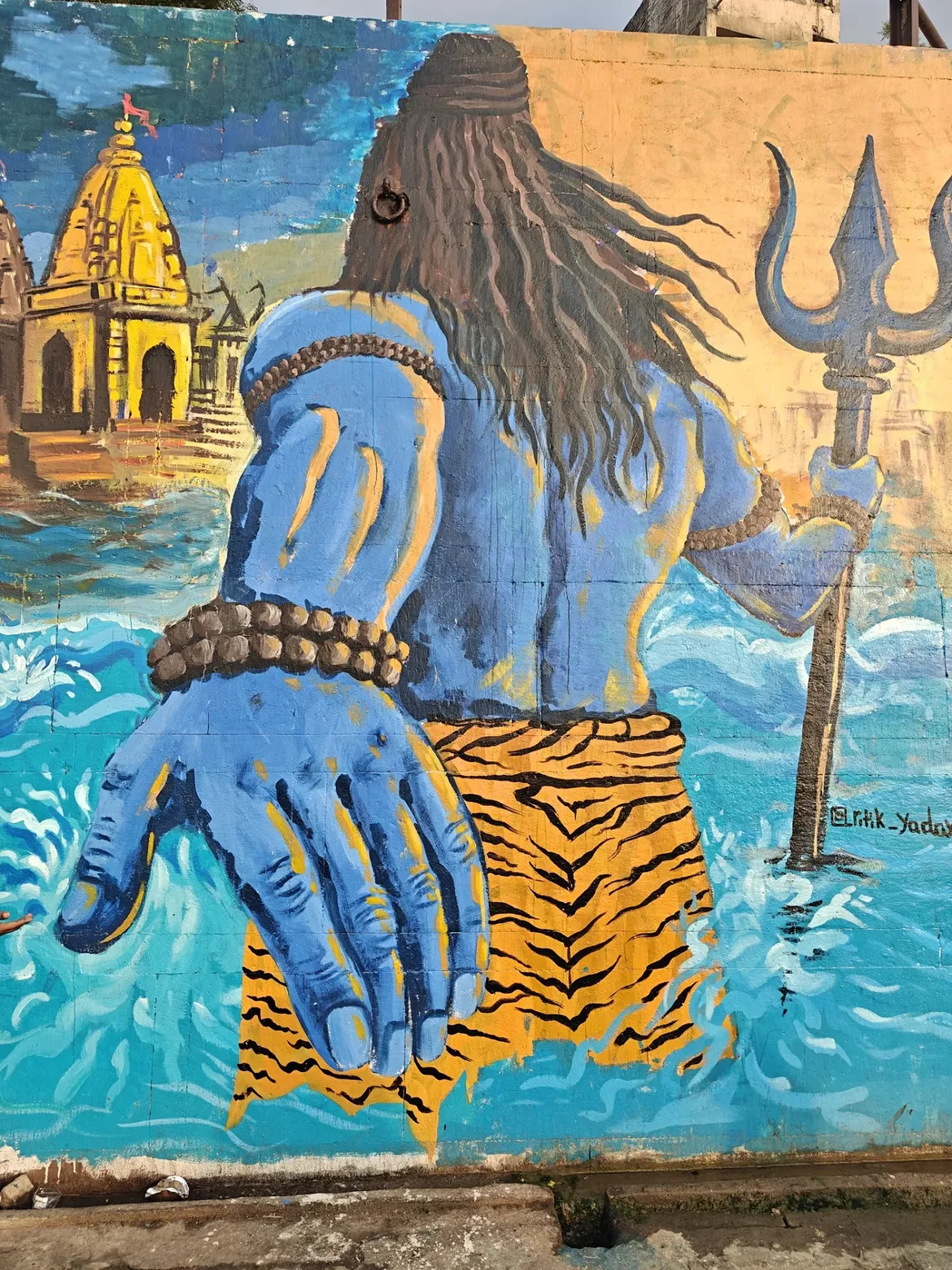

Contents
Why Visit Varanasi?
Varanasi is famous for:
- The sacred Kashi Vishwanath Temple
- Evening Ganga Aarti
- Historic ghats along the Ganges
- Ancient temples
- Traditional Banarasi silk sarees
- Incredible street food
- Boat rides at sunrise
- Spiritual atmosphere
- Rich culture and history
- Every street tells a story.
- Every ghat has centuries of history.
- Every sunrise feels magical.
(Also Read: Ujjain: Mahakal Nagari: The Famous City of Madhya Pradesh )
Best Time to Visit Varanasi
Choosing the right season can make your trip much more enjoyable.
Winter (October – March) ⭐ Best Time
This is undoubtedly the best season to visit.
Temperature ranges between 10°C and 25°C, making sightseeing comfortable.
Perfect for:
- Walking around the ghats
- Temple visits
- Boat rides
- Photography
- Food walks
Major festivals include:
- Dev Deepawali
- Mahashivratri
- Ganga Mahotsav
The city looks magical during this time.
Summer (April – June)
Temperatures can cross 45°C.
Unless you are visiting specifically for religious reasons, avoid this season.
Monsoon (July – September)
The city becomes greener, and hotel prices drop.
However, water levels of the Ganga rise, and some ghats may be partially submerged.
Perfect for budget travelers.
(Also Read: Khajuraho Travel Guide: A Journey Through India’s Finest Temple Architecture )
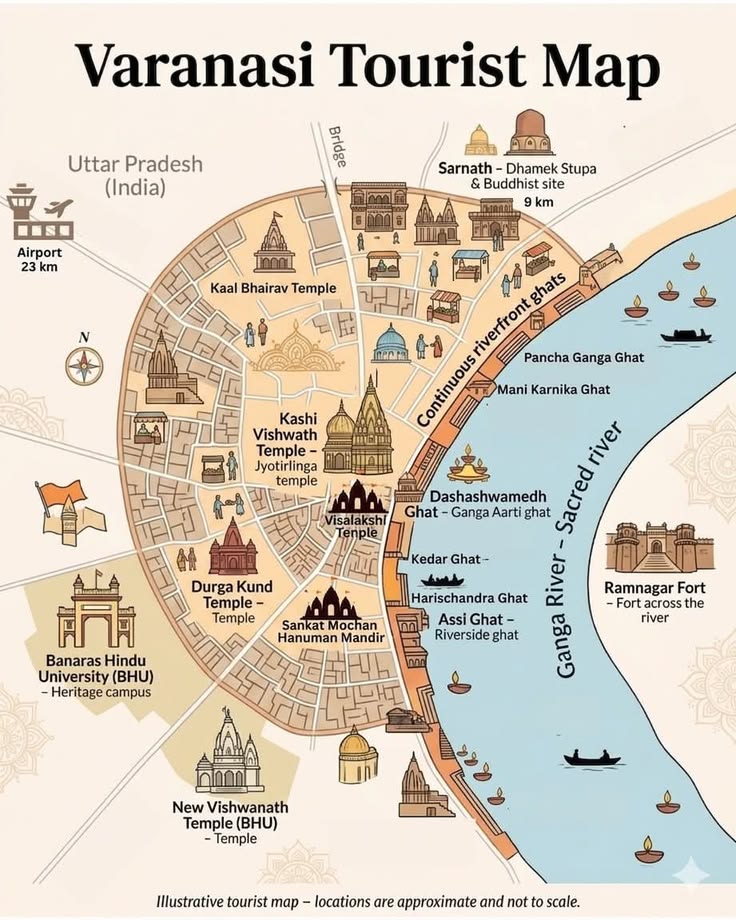

How to Reach Varanasi
By Air
Lal Bahadur Shastri International Airport is around 25 km from the city.
Flights are available from:
- Delhi
- Mumbai
- Kolkata
- Bengaluru
- Hyderabad
- Chennai
Taxi fare to the city: ₹800–₹1,200.
By Train
Varanasi Junction (BSB) is well connected to major Indian cities.
Other useful stations include:
- Banaras Station
- Pt. Deen Dayal Upadhyaya Junction (Mughalsarai)
By Road
Excellent highways connect Varanasi with:
- Prayagraj
- Ayodhya
- Lucknow
- Patna
- Bodh Gaya
Road trips are increasingly popular among travelers.
How Many Days Are Enough?
2 Days
Enough for:
- Kashi Vishwanath Temple
- Ganga Aarti
- Boat ride
- Main ghats
3 Days (Recommended)
Allows you to explore:
- Temples
- Local food
- Museums
- Markets
- Sarnath
- Hidden alleys
4-5 Days
Ideal for photography lovers and spiritual seekers.
(Also Read: Glorious Holi: The Festival Of Colour )

Perfect 3-Day Varanasi Itinerary:
If you’re spending three days in Varanasi, you have enough time to experience its spiritual charm, historic ghats, vibrant markets, and incredible street food without feeling rushed. This carefully planned 3-day itinerary covers iconic attractions, hidden gems, sunrise boat rides, temple visits, and local experiences to help you make the most of your trip.
Day 1: Experience the Soul of Kashi
Start early before sunrise.
Sunrise Boat Ride
This is one experience you should never skip.
Watching the first rays of sunlight illuminate the ghats while priests perform morning rituals is unforgettable.
Expect to see:
- Morning prayers
- Yoga sessions
- Bathing pilgrims
- Sadhus meditating
- Ancient palaces
Carry a camera because every moment feels like a postcard.
Walk Along the Ghats
Spend your morning exploring:
- Assi Ghat
- Dashashwamedh Ghat
- Manikarnika Ghat
- Kedar Ghat
Each ghat has its own history and significance.
Breakfast
Enjoy authentic Banarasi breakfast:
- Kachori Sabzi
- Jalebi
- Lassi
You’ll find some of the city’s best breakfast spots tucked away in the old lanes.
Visit Kashi Vishwanath Temple
One of the twelve Jyotirlingas of Lord Shiva.
Spend enough time soaking in the spiritual atmosphere rather than rushing through.
Explore Vishwanath Corridor
The beautifully developed corridor connects the temple directly to the Ganga.
You’ll find:
- Beautiful stone architecture
- Viewing points
- Sculptures
- Open plazas
- Clean walkways
Evening Ganga Aarti
Reach Dashashwamedh Ghat by 5:30 PM to get a good viewing spot.
As darkness falls, priests dressed in saffron robes perform synchronized rituals with large brass lamps, accompanied by Vedic chants, conch shells, and devotional music.
The atmosphere is truly mesmerizing.
Watching hundreds of diyas floating on the river is a memory you’ll cherish forever.
(Also Read: 18 Famous Bengali Sweets That You Must Try Once )
Day 2: Discover the Cultural Side of Varanasi
Start your morning with a leisurely walk through the narrow lanes of the old city.
You’ll discover:
- Tiny temples
- Traditional sweet shops
- Silk weaving workshops
- Local markets
- Ancient houses
Visit:
- Banaras Hindu University (BHU)
- New Vishwanath Temple
- Bharat Kala Bhavan Museum
Enjoy lunch at a local restaurant and spend the afternoon shopping for Banarasi silk sarees, wooden toys, brass artifacts, and handmade souvenirs.
End the evening at Assi Ghat, where the atmosphere is calmer than Dashashwamedh Ghat. Attend the cultural programs or simply relax by the river with a cup of chai.
Day 3: Explore Beyond the Ghats
Take a short trip to Sarnath, the place where Lord Buddha delivered his first sermon after attaining enlightenment.
Must-visit attractions include:
- Dhamek Stupa
- Chaukhandi Stupa
- Archaeological Museum
- Mulagandha Kuti Vihar
Return to Varanasi in the evening and enjoy one last stroll through the bustling lanes, savoring local snacks before heading home.

Kashi Vishwanath Temple: The Soul of Varanasi
If Varanasi is the spiritual capital of India, then Kashi Vishwanath Temple is its beating heart.
Dedicated to Lord Shiva, this temple is one of the 12 sacred Jyotirlingas, making it one of the holiest Hindu temples in the world.
Every year, millions of devotees visit Kashi seeking blessings, peace, and spiritual awakening.
Whether you’re religious or simply curious about India’s rich heritage, visiting this temple is an unforgettable experience.
(Also Read: 20 Famous Street Foods In Kolkata You Must Try )
The Story Behind Kashi Vishwanath
According to Hindu beliefs, Lord Shiva himself chose Kashi as His eternal abode.
It is believed that anyone who dies in Kashi attains Moksha (liberation from the cycle of birth and death) through Lord Shiva’s blessings.
The temple has been rebuilt several times over centuries due to invasions and destruction. The present structure was rebuilt in 1780 by Ahilyabai Holkar, the queen of Indore.
Today, the magnificent Kashi Vishwanath Corridor connects the temple directly to the banks of the River Ganga, making access much easier for devotees.

Kashi Vishwanath Temple Timings
The temple remains open for most of the day, with different rituals and aartis scheduled from early morning until night.
Typical visiting hours are:
- Early morning opening before sunrise
- Regular darshan throughout the day (with short breaks during rituals)
- Evening aarti
- Night closing after the final rituals
Travel Tip: Always check the official temple website before your visit, as timings may change during festivals or special occasions.
Best Time for Darshan
If you want a peaceful experience, avoid peak hours.
Best Time Between 5:00 AM – 7:00 AM
You’ll encounter:
- Fewer crowds
- Cool weather
- Calm atmosphere
- Beautiful morning chants
Avoid
- Mondays
- Mahashivratri
- Shravan Month
- Major Hindu festivals
- Public holidays
During these times, waiting can stretch to several hours.
How to Reach Kashi Vishwanath Temple
Most visitors stay near:
- Godowlia
- Dashashwamedh Ghat
- Assi Ghat
Vehicles are not allowed close to the temple.
You’ll need to walk through the bustling streets and the Vishwanath Corridor.
The walk itself is an experience, filled with:
- Flower shops
- Sweet shops
- Temple bells
- Chanting devotees
- Street food
- Souvenir stalls
Entry Rules
Before entering, remember:
❌ Mobile phones are not allowed.
❌ Cameras are prohibited.
❌ Smart watches may also be restricted.
❌ Large bags are not permitted.
You’ll find locker facilities near the temple entrance where you can safely deposit your belongings.
Carry only:
- Cash
- ID proof
- Small wallet
- Offerings for the deity
(Also Read: 10 Most Famous Festivals Of Gujrat )
How to Have Darshan
Once inside, the process is smooth if you arrive early.
Step 1
Complete the security check.
Step 2
Deposit restricted items in the lockers.
Step 3
Purchase flowers, Bilva (Bel) leaves, milk, and prasad from authorized shops if you wish to make offerings.
Step 4
Join the darshan queue.
Despite the crowd, volunteers and temple staff generally manage the flow efficiently.
Step 5
When you reach the sanctum, take a moment to absorb the spiritual atmosphere.
The darshan itself may only last a few seconds, but the experience often stays with visitors for a lifetime.
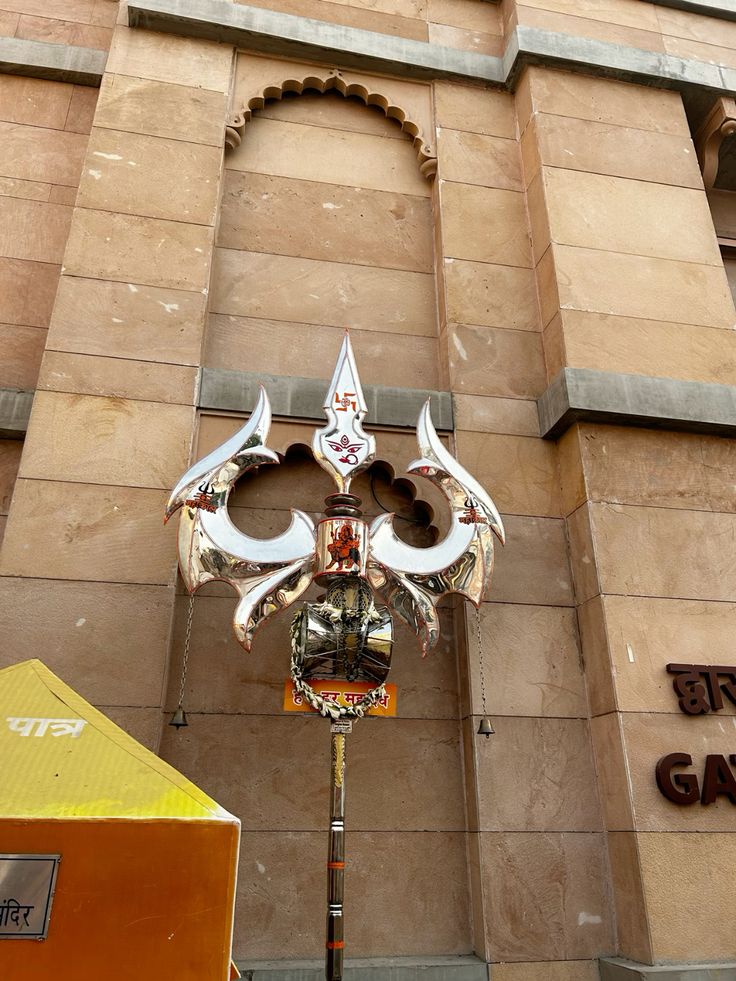
Can You Touch the Jyotirlinga?
Access policies can vary depending on crowd levels, festivals, and temple administration decisions.
On regular days, devotees may have opportunities to offer prayers in different ways, while during peak periods the darshan is often from a designated distance.
Always follow the instructions of the temple staff.
VIP Darshan
If you’re short on time or visiting during a busy season, you may consider special darshan options offered by the temple administration.
These generally help reduce waiting time.
It is advisable to use official booking channels or authorized counters and avoid middlemen or unofficial agents.
Mangala Aarti – A Divine Experience
One of the most sought-after rituals is the Mangala Aarti, performed before sunrise.
The temple fills with:
- Vedic chants
- Bells
- Conch sounds
- Sacred hymns
Watching priests perform the ritual in the early morning creates an unforgettable spiritual experience.
If you’re planning your trip around temple rituals, this is one ceremony worth attending.
(Also Read: Top 13 Best Places To Visit In Amritsar )
Rudrabhishek Puja
Many devotees visit Varanasi specifically to perform Rudrabhishek, one of the most significant Shiva rituals.
Offerings typically include:
- Milk
- Water
- Honey
- Ghee
- Curd
- Bel leaves
- Flowers
The puja is believed to bring:
- Peace
- Prosperity
- Good health
- Spiritual well-being
Advance booking may be required during busy periods.
Other Popular Pujas
Visitors can also participate in or arrange various rituals, depending on temple guidelines and availability, such as:
- Laghu Rudra
- Maha Rudra
- Rudra Path
- General Archana
- Special offerings during Shravan and Mahashivratri
If you plan to perform a specific puja, inquire at the temple’s official help desk or booking counter for the latest procedures.
Temple Etiquette
To help preserve the sanctity of the temple:
- Dress modestly.
- Remove footwear before entering designated areas.
- Follow queue instructions.
- Avoid pushing or rushing.
- Keep conversations quiet.
- Respect other devotees and temple customs.
The Kashi Vishwanath Corridor
The newly developed corridor has transformed the pilgrimage experience.
Highlights include:
- Wide pedestrian pathways
- Beautiful sandstone architecture
- Landscaped open spaces
- Direct access to the Ganga
- Rest areas
- Drinking water facilities
- Information centers
Even if you’ve visited Varanasi before, the corridor offers a fresh perspective on the temple complex.
(Also Read: Famous Places to visit in Kanyakumari )
Ganga Aarti – The Most Magical Evening in Varanasi
As sunset approaches, the atmosphere at Dashashwamedh Ghat begins to change.
Crowds gather.
Priests prepare the ceremonial lamps.
The sound of devotional songs fills the air.
And then…
The Ganga Aarti begins.
What Makes It So Special?
Seven or more priests perform synchronized rituals using:
- Brass lamps
- Incense
- Conch shells
- Sacred fire
- Peacock feather fans
- Chants
Thousands of people watch in complete silence before joining the prayers.
It’s not just a ceremony.
It’s an emotion.

Best Place to Watch the Ganga Aarti:
You have three options:
1. Sit on the Ghat
Perfect for photographers and first-time visitors.
Arrive at least one hour early.
2. Watch from a Boat
My personal favorite.
Seeing the illuminated ghats reflected in the Ganga while the aarti unfolds is truly magical.
3. Rooftop Cafés
Ideal if you prefer a quieter experience with panoramic views.
Sunrise Boat Ride – Don’t Miss It
If I could recommend only one activity in Varanasi, it would be this.
Wake up before dawn and hire a boat.
As the sun rises, you’ll witness:
- Devotees taking holy dips
- Priests performing rituals
- Morning yoga
- Ancient palaces glowing in golden light
- The city slowly coming alive
It’s peaceful, photogenic, and deeply moving.
(Also Read: Top 10 Outstanding Places In Jaipur At Night )
The Most Important Ghats in Varanasi:
The ghats of Varanasi are the city’s living soul. Stretching along the banks of the sacred River Ganga, these stone steps have witnessed centuries of prayers, rituals, festivals, and everyday life. Each ghat has its own story, spiritual importance, and unique atmosphere. Exploring these ghats is one of the most memorable experiences in any Varanasi journey.
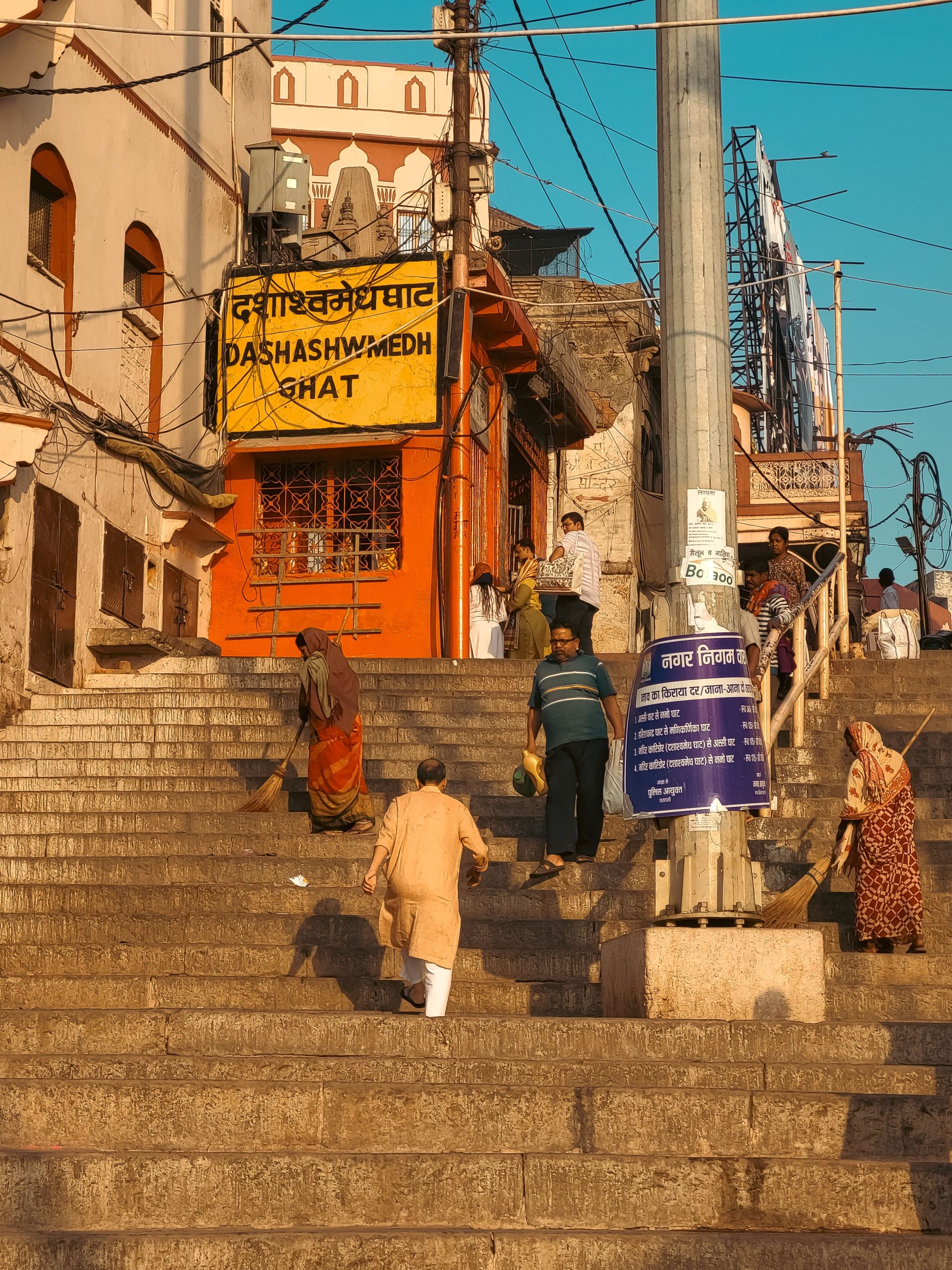
1. Dashashwamedh Ghat:
Best for: Ganga Aarti, boat rides, and vibrant atmosphere
Dashashwamedh Ghat is the most famous and busiest ghat in Varanasi. Located close to the Kashi Vishwanath Temple, it is the center of the city’s spiritual activities.
The highlight of this ghat is the spectacular evening Ganga Aarti, where priests perform synchronized rituals with large brass lamps, incense, chants, and devotional music. Thousands of devotees and visitors gather every evening to witness this mesmerizing ceremony.
Best time to visit:
- Sunrise for peaceful views
- Evening for Ganga Aarti
Traveler tip: Reach at least 45–60 minutes early for a good viewing spot.
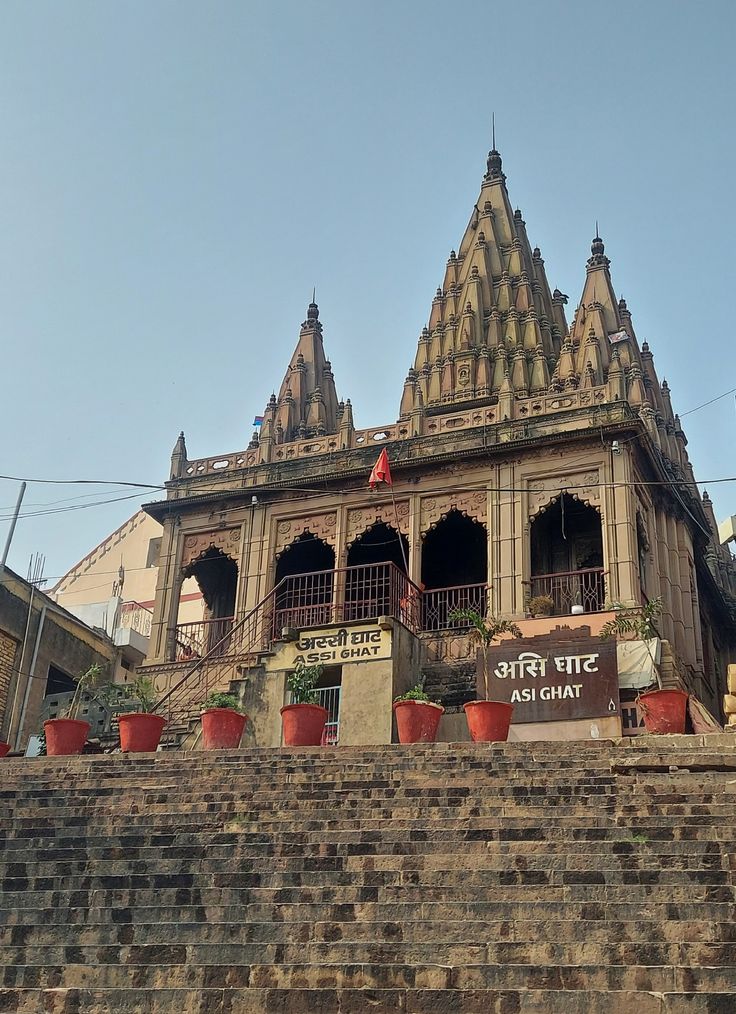

2. Assi Ghat:
Best for: Sunrise, cafés, yoga, and peaceful walks
Located at the southern end of Varanasi, Assi Ghat offers a calmer and more relaxed experience compared to the crowded central ghats.
Early morning is the best time to visit when you can see:
- Sunrise prayers
- Yoga sessions
- Classical music performances
- Locals enjoying their morning routine
The famous Subah-e-Banaras program celebrates Varanasi’s culture through music, yoga, and spiritual activities.
Assi Ghat is especially popular among backpackers, photographers, and long-term travelers because of its cafés and relaxed atmosphere.
(Also Read: 11 Famous Places to visit in Udaipur )
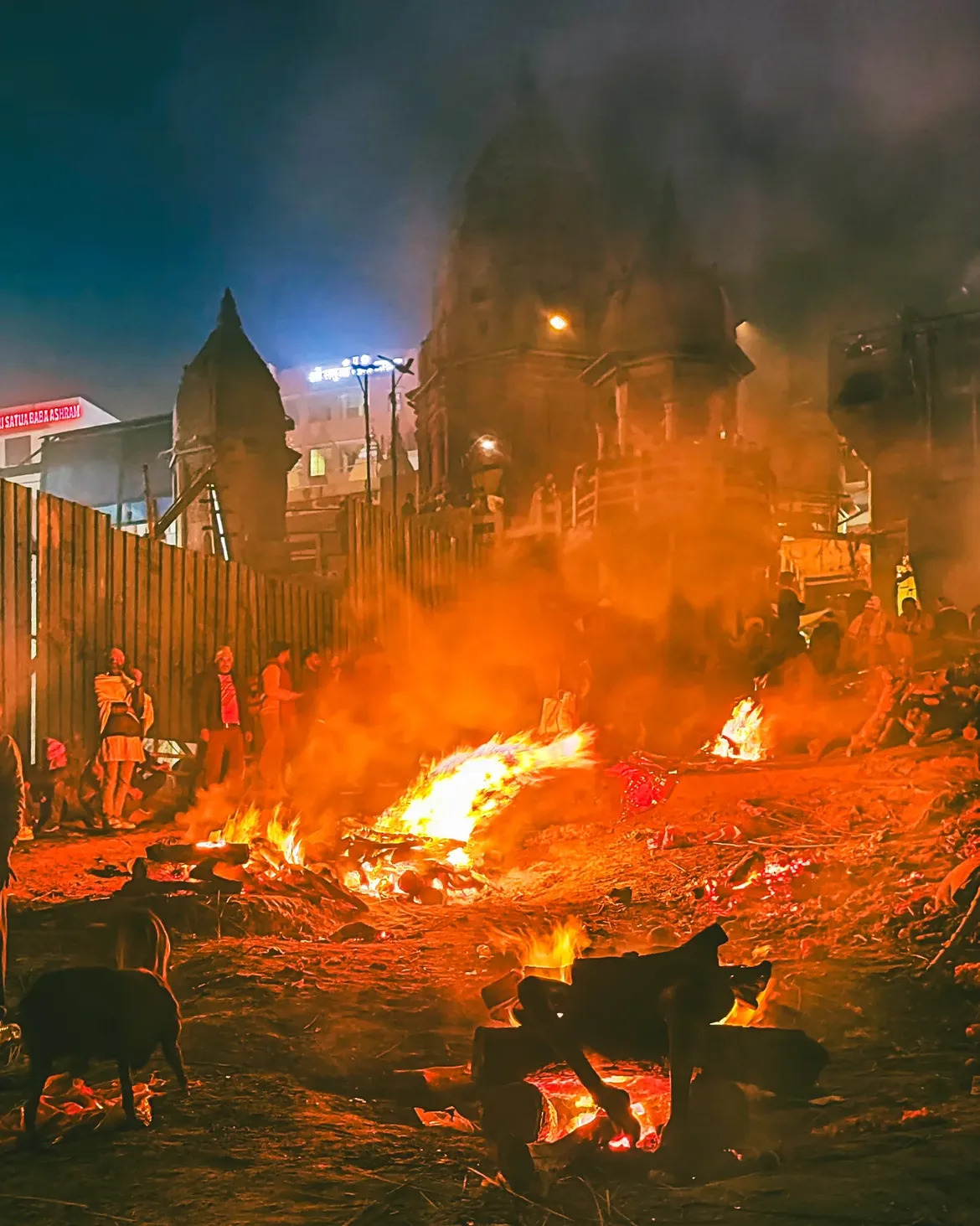
3. Manikarnika Ghat:
Best for: Understanding Hindu traditions and spirituality
Manikarnika Ghat is one of the oldest and most sacred cremation grounds in India. According to Hindu beliefs, cremation at this ghat helps devotees attain Moksha (liberation from the cycle of life and death).
The ghat operates day and night, reflecting the ancient belief that death is a natural part of life’s journey.
Visitors should maintain complete respect here:
- Avoid photography
- Do not disturb families performing last rites
- Observe quietly
A visit to Manikarnika Ghat offers a deeper understanding of Varanasi’s philosophy of life and death.
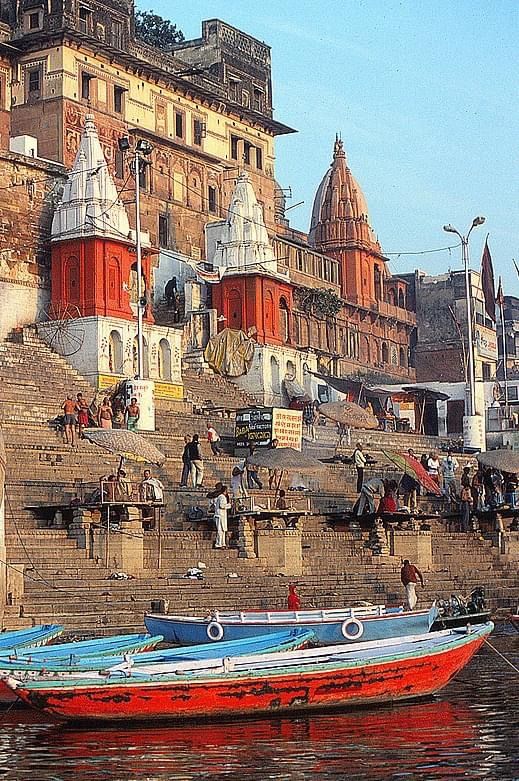

4. Harishchandra Ghat:
Best for: Experiencing ancient traditions
Harishchandra Ghat is another important cremation ghat in Varanasi. It is named after King Harishchandra, a legendary figure known for his commitment to truth and honesty.
Although smaller than Manikarnika Ghat, it holds great religious significance and continues the centuries-old tradition of cremation rituals along the Ganga.
(Also Read: 15 Best and Famous Tourist Places in Chennai )
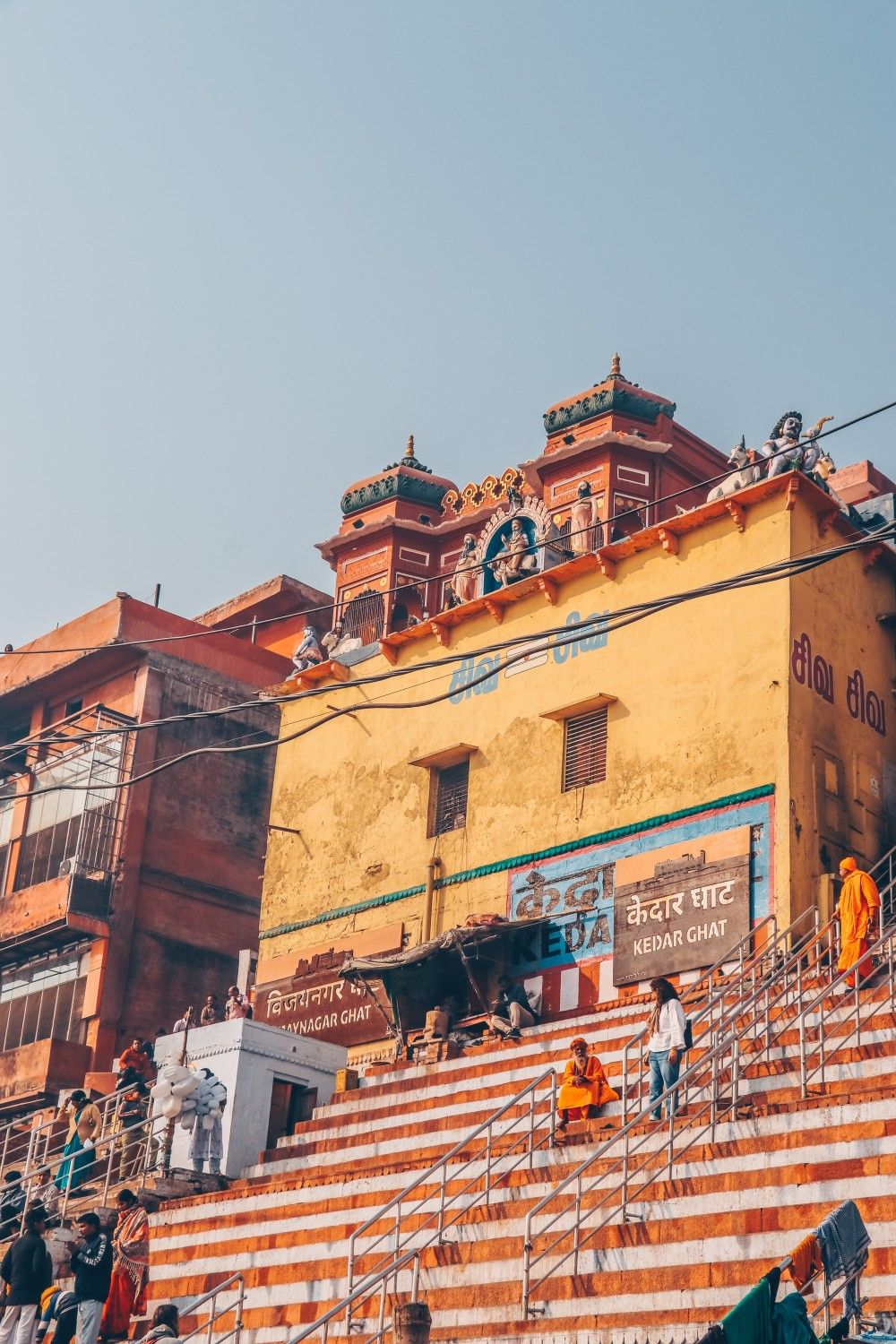

5. Kedar Ghat:
Best for: Photography and peaceful riverside moments
Kedar Ghat is one of the most visually beautiful ghats in Varanasi. Known for its colorful steps and South Indian architectural influence, it attracts photographers and travelers looking for a quieter experience.
The nearby Kedareshwar Temple adds to its religious importance.
Visit during:
- Early morning golden light
- Sunset hours
for some of the best views of the river.
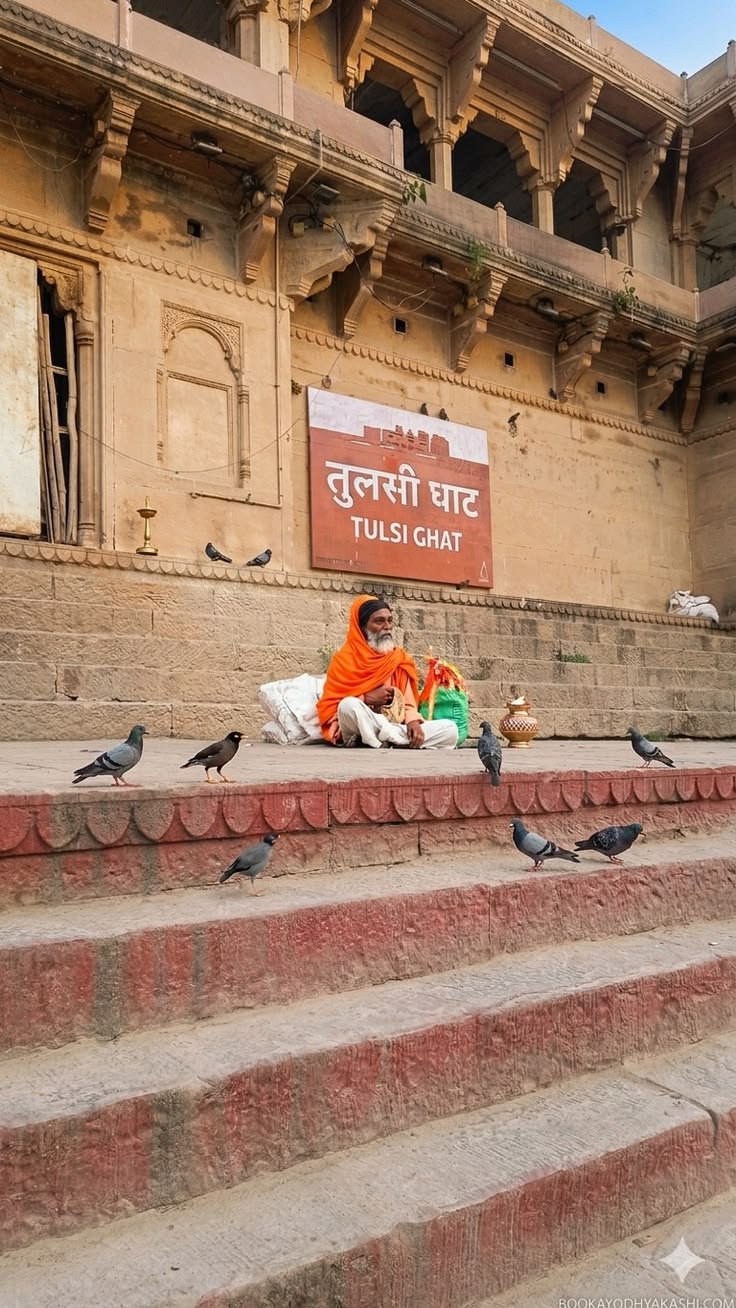

6. Tulsi Ghat:
Best for: History, culture, and peaceful exploration
Named after the famous Hindu poet-saint Tulsidas, Tulsi Ghat is associated with the creation of the epic poem Ramcharitmanas.
This ghat is less crowded and offers a glimpse into the traditional cultural side of Varanasi.
Visitors can explore:
- Ancient temples
- Local neighborhoods
- Traditional wrestling arenas
(Also Read: Holy Rameswaram : The Island City )
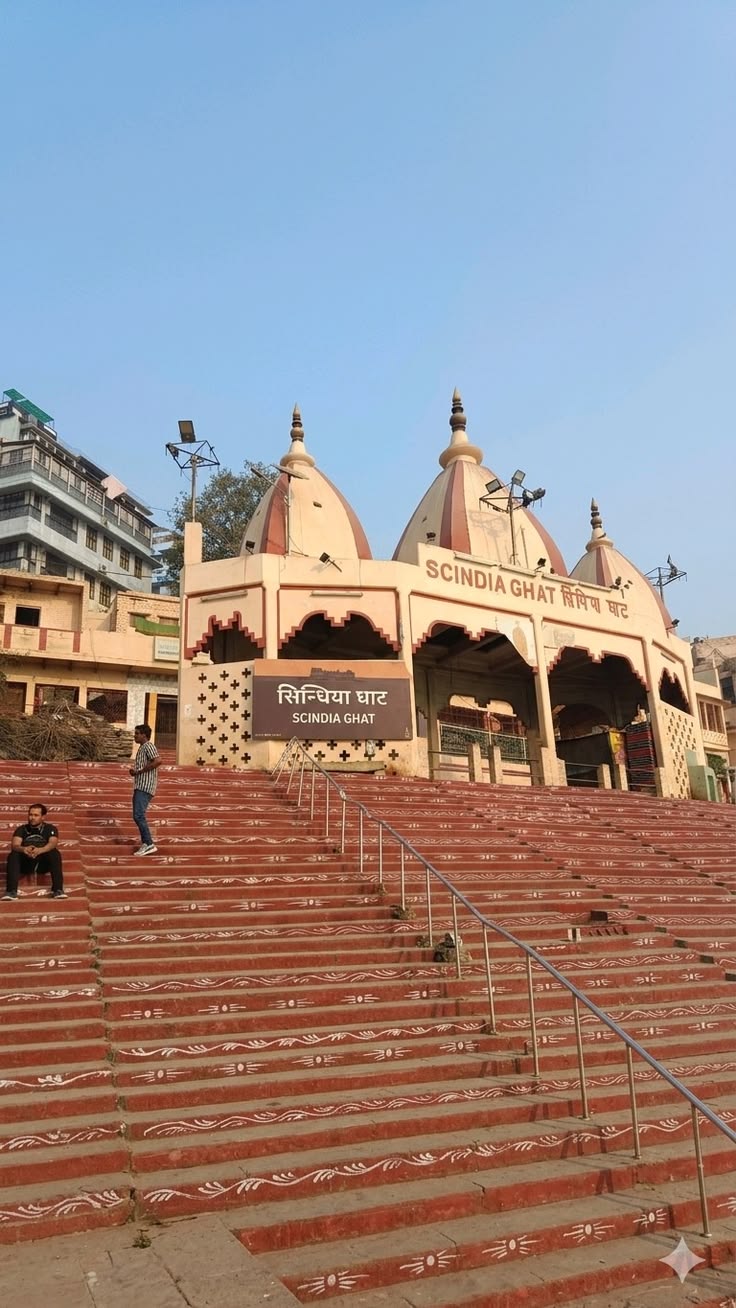
7. Scindia Ghat:
Best for: Architecture and photography
Scindia Ghat is famous for its partially submerged Shiva temple, which tilted into the Ganga due to construction issues in the past.
The ghat has a beautiful mix of:
- Old palaces
- Ancient temples
- Narrow lanes
- Riverside views
It is a favorite stop during boat tours.
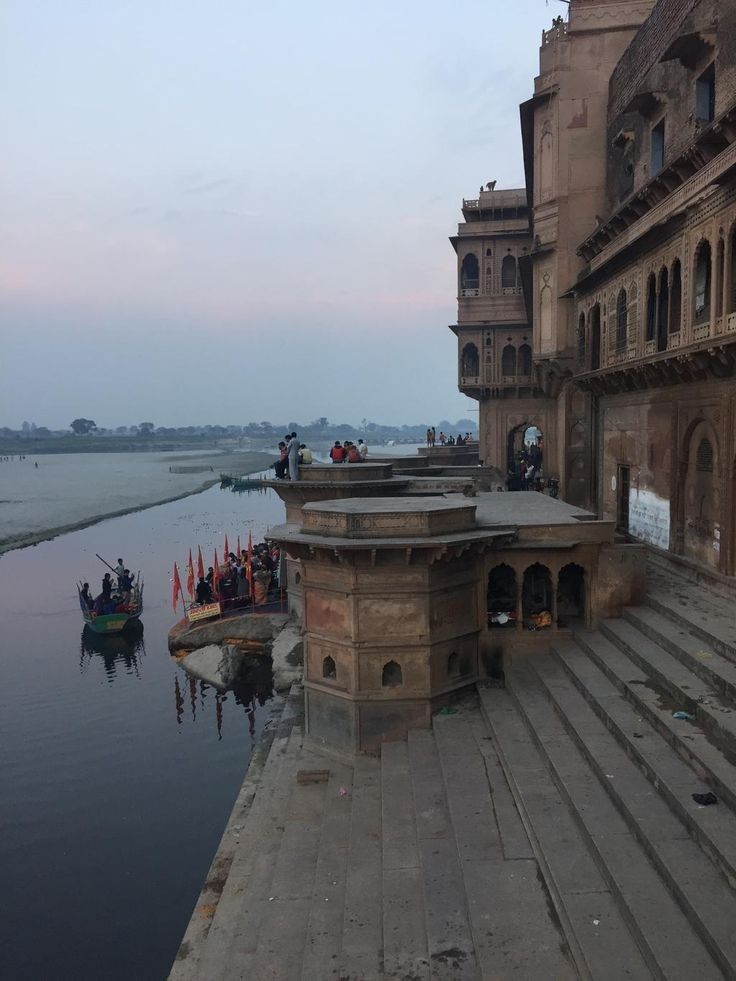
8. Bhonsale Ghat:
Best for: Architecture lovers
Built by the Maratha rulers of Nagpur, Bhonsale Ghat is known for its impressive stone architecture and historic temples.
The intricate carvings and traditional design make it one of the most attractive ghats for photography.
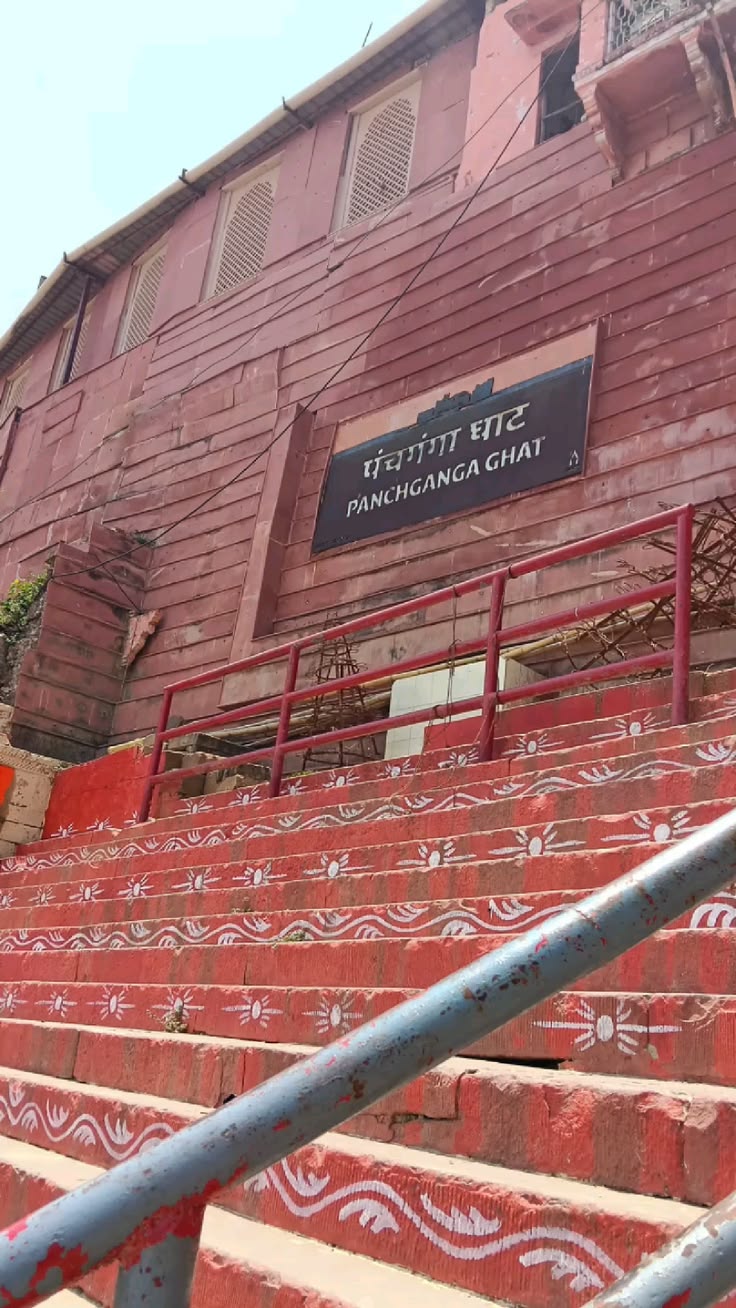
9. Panchganga Ghat:
Best for: Spiritual atmosphere
Panchganga Ghat is one of the most sacred ghats in Varanasi. According to Hindu belief, five holy rivers meet here.
The ghat is known for:
- Ancient temples
- Religious ceremonies
- Peaceful surroundings
It is less crowded than Dashashwamedh, making it ideal for travelers seeking a quieter spiritual experience.
(Also Read: Top 12 Famous Tourist Places In Jaipur )
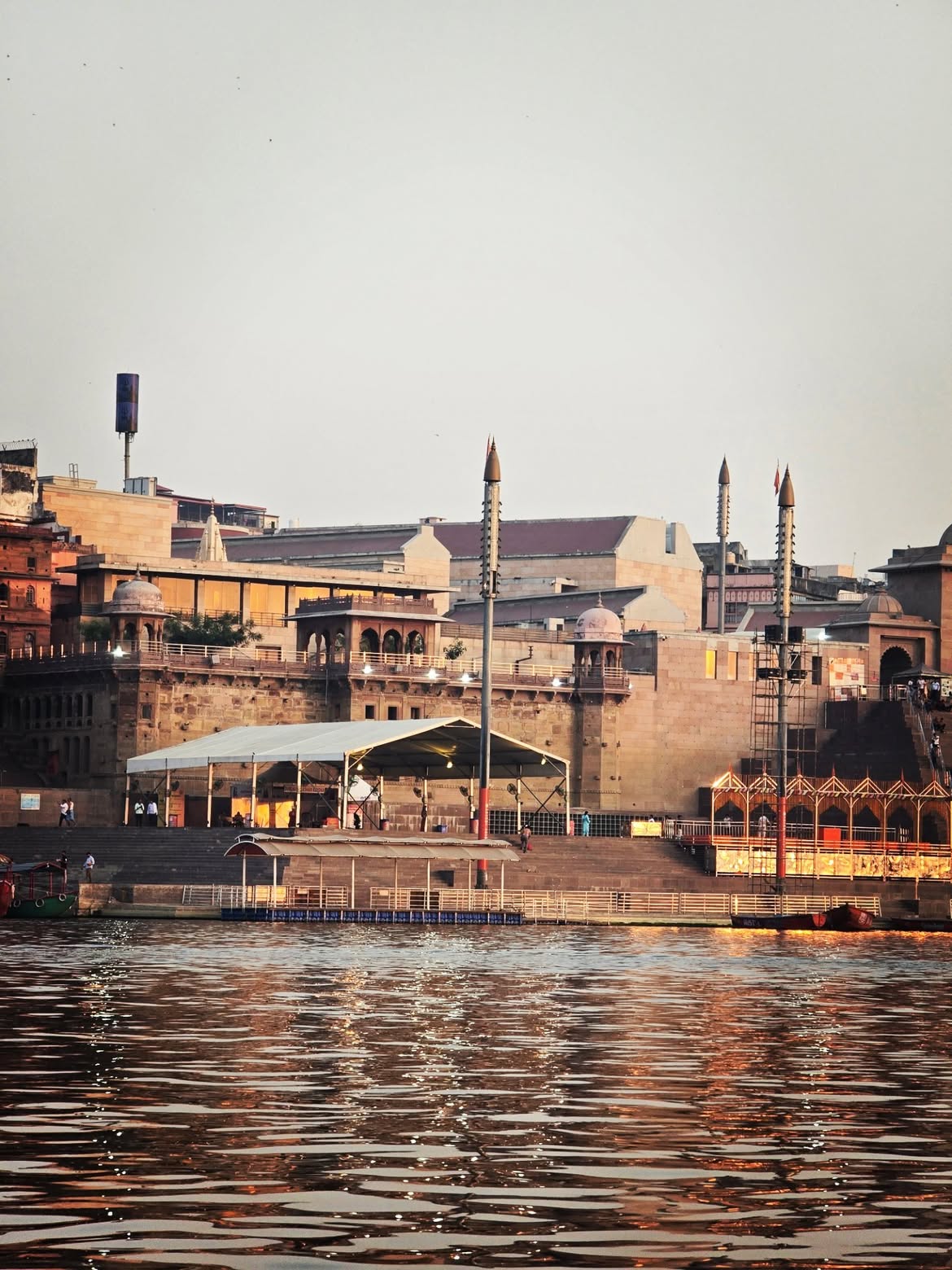
10. Man Mandir Ghat:
Best for: History and astronomy
Built by Maharaja Man Singh of Amber, Man Mandir Ghat is famous for its historic observatory.
The ghat combines:
- Royal architecture
- Scientific heritage
- River views
The observatory contains ancient astronomical instruments that reflect India’s contribution to astronomy.
Traveler’s Tips
- Start temple visits early to avoid crowds.
- Wear comfortable footwear—you’ll be walking a lot.
- Carry cash for small purchases.
- Stay hydrated, especially in warmer months.
- Be cautious of unofficial guides or anyone offering “special” access.
- Respect local customs and sacred spaces.
(Also Read: Top 11 Beautiful Tourist Places In Mysore )
Best Places to Visit in Varanasi
Although the Kashi Vishwanath Temple is the city’s biggest attraction, Varanasi has much more to offer. Spend at least three days exploring these iconic places.
1. Dashashwamedh Ghat:
Best for: Ganga Aarti, boat rides, photography
No trip to Varanasi is complete without visiting Dashashwamedh Ghat. It is the city’s busiest and most vibrant ghat, where pilgrims, tourists, and locals gather throughout the day.
Visit twice—once at sunrise for a peaceful boat ride and again in the evening for the famous Ganga Aarti.
Traveler Tip: Arrive at least one hour before the evening Aarti to get a good spot.
2. Assi Ghat:
Best for: Morning walks and cafés
If Dashashwamedh is energetic, Assi Ghat is calm and youthful.
Start your day here with yoga sessions, classical music performances, and chai overlooking the Ganga.
You’ll find many cafés, bookstores, and backpackers enjoying the peaceful atmosphere.
3. Manikarnika Ghat
One of the oldest and most sacred cremation ghats in India.
According to Hindu belief, cremation here helps attain Moksha.
Even if you’re not religious, visiting with respect offers a profound glimpse into life, death, and faith.
Important: Avoid photography and maintain silence.
4. Sarnath
Distance: 10 km from Varanasi
Sarnath is where Lord Buddha delivered his first sermon after attaining enlightenment.
Main attractions include:
- Dhamek Stupa
- Ashoka Pillar site
- Archaeological Museum
- Mulagandha Kuti Vihar
- Deer Park
Spend half a day here to experience a different side of Varanasi’s spiritual heritage.
5. Banaras Hindu University (BHU)
Spread across more than 1,300 acres, BHU is one of Asia’s largest residential universities.
Its peaceful roads, lush greenery, and impressive architecture make it worth visiting.
Don’t miss the New Vishwanath Temple inside the campus.
6. Bharat Kala Bhavan Museum
If you enjoy history, this museum is a hidden treasure.
It houses:
- Ancient sculptures
- Miniature paintings
- Coins
- Textiles
- Rare manuscripts
- Archaeological artifacts
7. Ramnagar Fort
Located across the Ganga, this 18th-century fort offers panoramic river views and a museum showcasing vintage cars, royal costumes, weapons, and manuscripts.
Visit around sunset for beautiful photographs.
8. Chunar Fort:
About 40 km from Varanasi, Chunar Fort sits dramatically above the Ganges and has connections with the Mauryas, Mughals, and British era.
History enthusiasts will love this excursion.
(Also Read: Top 10 Famous Tourist Places In Ernakulam )
Best Things to Do in Varanasi
✔ Take a sunrise boat ride.
✔ Attend the evening Ganga Aarti.
✔ Explore the old city on foot.
✔ Watch silk weaving in local workshops.
✔ Taste famous Banarasi street food.
✔ Shop for authentic Banarasi sarees.
✔ Enjoy rooftop cafés overlooking the Ganga.
✔ Visit Sarnath.
✔ Walk through the Kashi Vishwanath Corridor.
✔ Wake up before dawn and experience the city’s morning rituals.
Best Street Food in Varanasi
Varanasi is a paradise for food lovers. The flavors are bold, comforting, and deeply rooted in tradition.
Kachori Sabzi
The city’s most iconic breakfast.
Crispy kachoris served with spicy potato curry, usually followed by hot jalebis.
Best time: 7 AM–9 AM.
Tamatar Chaat
Unlike any chaat you’ll find elsewhere.
Made with mashed tomatoes, spices, ghee, and crunchy toppings, it’s uniquely Banarasi.
Chooda Matar (Winter Special)
A comforting winter dish made with flattened rice, peas, spices, and nuts.
Available mainly during the colder months.
Banarasi Chaat
Try:
- Aloo Tikki
- Palak Chaat
- Dahi Puri
- Golgappa
Every lane has its own version.
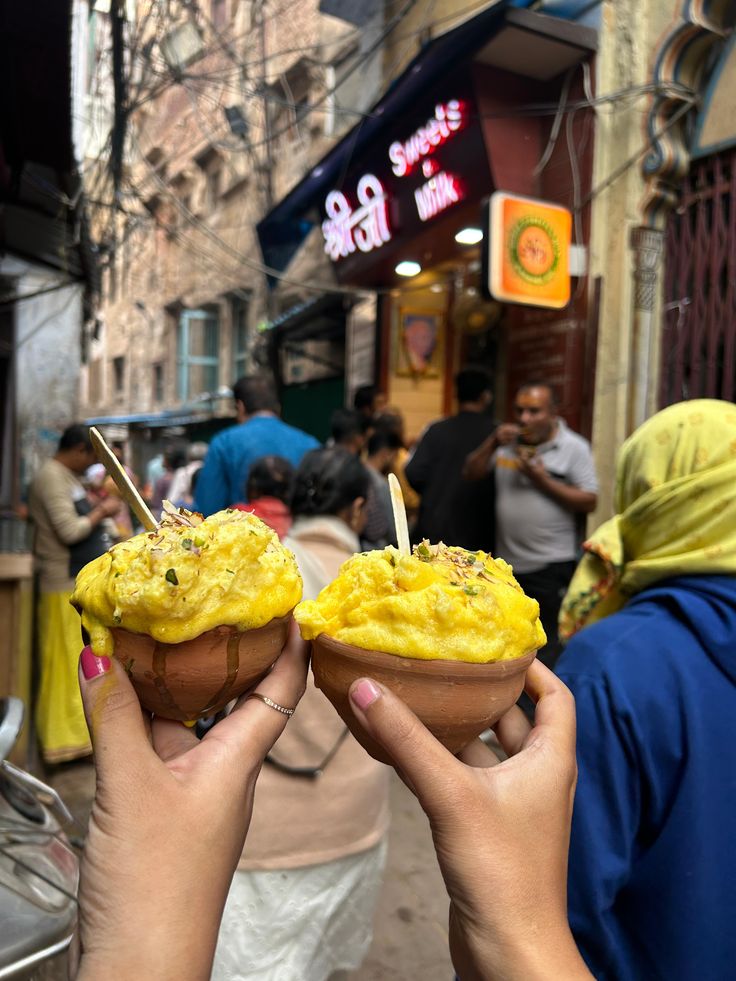
Malaiyyo (Winter Only)
One of the most delicate desserts you’ll ever taste.
Prepared from milk foam left under the night sky, flavored with saffron and cardamom.
Available only during winter mornings.
Rabri Jalebi
Hot jalebis served with thick, creamy rabri—a rich and indulgent combination.
Banarasi Lassi
Served in traditional clay cups and topped with thick malai.
It’s the perfect refreshment after walking through the old city.
Banarasi Paan
No visit is complete without trying the famous Banarasi Paan.
Whether sweet or traditional, it’s an iconic part of the city’s culinary identity.
(Also Read: 18 Best Places To Visit In Tamilnadu )
Where to Stay in Varanasi
Choosing the right location makes a huge difference.
Budget (₹800–₹2,000)
Ideal for backpackers and solo travelers.
Look for guesthouses around:
- Assi Ghat
- Godowlia
- Bengali Tola
Mid-Range (₹2,500–₹5,500)
Perfect for couples and families.
Many boutique hotels near Dashashwamedh Ghat offer comfortable rooms and easy access to major attractions.
Luxury (₹7,000+)
For a premium experience, choose heritage hotels or luxury properties overlooking the Ganga.
Many offer:
- River-view rooms
- Fine dining
- Spa services
- Rooftop terraces
Shopping in Varanasi
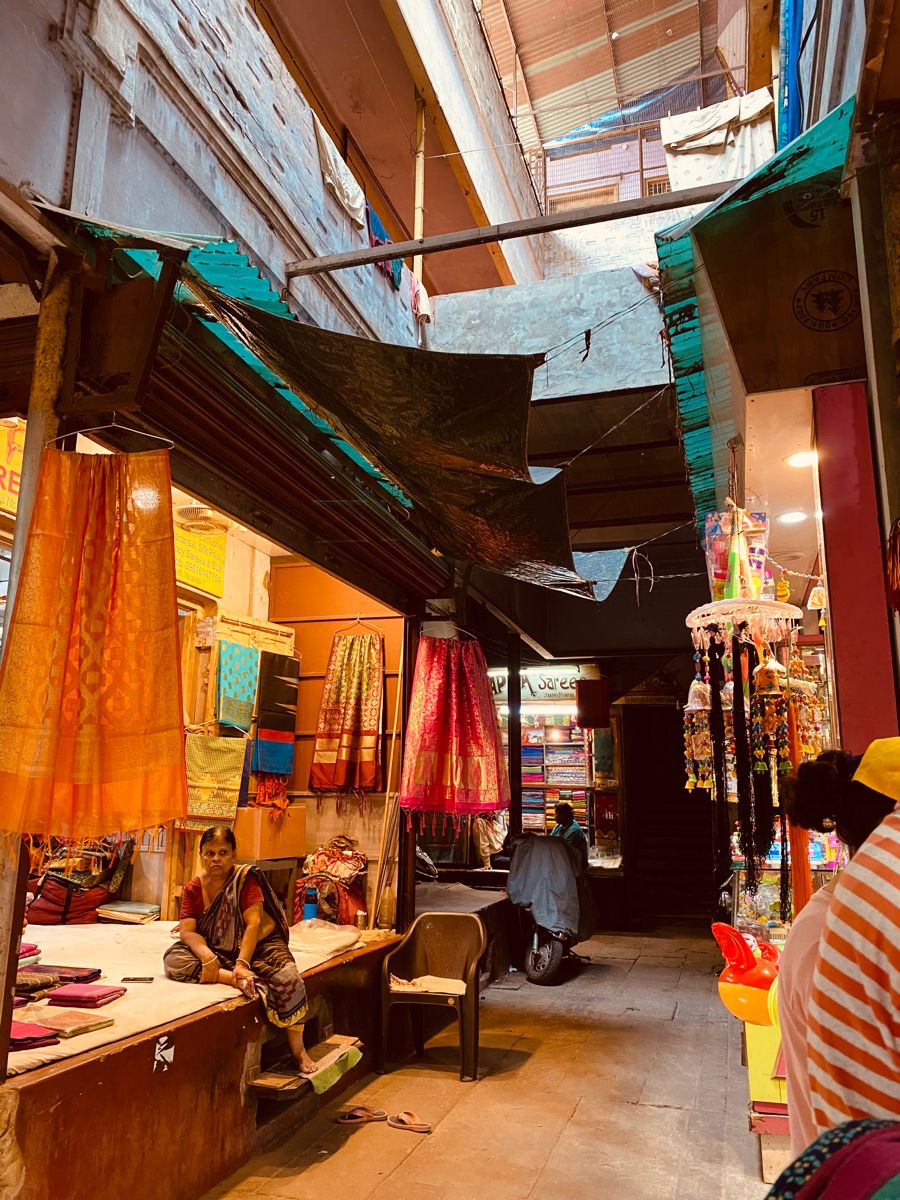
Varanasi is one of India’s best shopping destinations for traditional handicrafts.
Banarasi Silk Sarees
The city’s most famous purchase.
Look for handwoven silk with authentic zari work.
Buying directly from government-approved or reputed stores can help ensure authenticity.
Wooden Toys
Handmade and colorful—great for gifts and souvenirs.
Brass Items
Temple bells, lamps, statues, and decorative pieces are widely available.
Rudraksha Malas
Available in many shops near the temple area.
If you’re looking for a specific type or authenticity, purchase from trusted sellers.
Gulabi Meenakari
A distinctive pink enamel art unique to Varanasi, used in jewelry and decorative items.
(Also Read: Top 11 Famous Tourist Places In Coimbatore )
Best Markets:
Vishwanath Gali
Bustling lanes filled with sweets, puja items, silk, and souvenirs.
Godowlia Market
A lively shopping area with clothing, handicrafts, and local snacks.
Thatheri Bazaar
Known for traditional brass and copperware.
Hidden Gems of Varanasi
Beyond the famous attractions, spend time exploring:
- Quiet riverside lanes early in the morning.
- Small neighborhood temples where locals gather.
- Traditional silk weaving workshops.
- Independent bookstores and artisan shops near Assi Ghat.
- Rooftop terraces at sunrise or sunset for panoramic views.
These slower moments often become the most memorable parts of the trip.
Photography Tips
Varanasi is incredibly photogenic, but sensitivity is important.
Best times for photos:
- Sunrise from a boat.
- Early morning at Assi Ghat.
- Golden hour along the ghats.
- The illuminated Kashi Vishwanath Corridor in the evening.
Avoid photographing people during private rituals or at cremation ghats without permission.
(Also Read: Top 10 Most Popular Cities In Rajasthan )
How Much Does a Varanasi Trip Cost?
One of the best things about Varanasi is that it suits every type of traveler—from backpackers to luxury seekers.
Budget Trip (₹1,500–₹2,500 per day)
Ideal for solo travelers and backpackers.
Estimated Daily Expenses
- Hostel/Guesthouse: ₹700–₹1,200
- Food: ₹400–₹600
- Local transport: ₹200–₹400
- Boat ride: ₹300–₹500 (shared)
- Miscellaneous: ₹300
Total: ₹1,900–₹2,500/day
Mid-Range Trip (₹3,500–₹6,500 per day)
Suitable for couples and families.
Includes:
- Comfortable hotel
- Restaurant meals
- Private auto-rickshaws
- Guided sightseeing
- Better boating experiences
Luxury Trip (₹8,000+ per day)
Expect:
- Heritage hotels
- River-view rooms
- Private guides
- Luxury dining
- Chauffeur-driven transport
- Premium experiences
Local Transport in Varanasi
Getting around Varanasi is an adventure in itself.
Walking
The old city is best explored on foot.
Most lanes are too narrow for cars, and walking lets you discover hidden temples, cafés, and local life.
Auto Rickshaws
Perfect for longer distances.
Always agree on the fare before starting the journey if you’re not using a metered service.
E-Rickshaws
Affordable, eco-friendly, and convenient for short trips around the city.
Boats
A sunrise or sunset boat ride on the Ganga is one of the highlights of any visit.
Choose a shared boat for a budget-friendly experience or hire a private boat for a quieter ride.
(Also Read: Top 15 Famous Tourist Places In Madurai )
Essential Travel Tips
- Start sightseeing early to avoid crowds and heat.
- Wear comfortable walking shoes or sandals.
- Carry a reusable water bottle.
- Dress modestly, especially when visiting temples.
- Keep cash handy for small purchases.
- Respect local customs and photography restrictions.
- Stay alert in crowded markets.
Common Mistakes to Avoid
1. Trying to See Everything in One Day
Varanasi deserves at least three days.
2. Skipping the Sunrise Boat Ride
Many visitors only attend the evening Ganga Aarti, but sunrise on the Ganga is equally unforgettable.
3. Ignoring Local Food
The city’s culinary heritage is as rich as its spiritual one.
4. Wearing Uncomfortable Shoes
You’ll spend hours walking through narrow lanes and uneven pathways.
5. Visiting Only the Main Attractions
Take time to explore quiet ghats, local markets, and lesser-known neighborhoods.

Festivals in Varanasi
Planning your trip around a festival can make it even more memorable.
Dev Deepawali
Held about 15 days after Diwali, the ghats are illuminated with thousands of diyas, creating one of the most spectacular sights in India.
Mahashivratri
A major festival dedicated to Lord Shiva, featuring processions, prayers, and large gatherings at Kashi Vishwanath Temple.
Ganga Mahotsav
A cultural festival celebrating music, dance, crafts, and the heritage of the Ganga.
Kartik Purnima
Pilgrims gather for holy dips in the river, and the ghats are beautifully decorated.
What to Pack
- Comfortable walking shoes
- Modest clothing
- Light cotton clothes (summer)
- Warm layers (winter mornings and evenings)
- Sunglasses
- Hat or cap
- Sunscreen
- Power bank
- Reusable water bottle
- Personal medicines
- Small backpack
- Camera (where permitted)
(Also Read: 10 Most Beautiful Cities In Uttar Pradesh )
Final Thoughts:
Varanasi is more than a destination—it’s an experience that stays with you long after you’ve left. The city invites you to slow down, observe, and connect with centuries of living tradition. From the quiet beauty of a sunrise boat ride to the grandeur of the evening Ganga Aarti, every moment offers something memorable.
Whether you’re visiting for spiritual reasons, history, photography, or simply to explore one of the world’s oldest living cities, Varanasi rewards curiosity and patience. Wander beyond the famous landmarks, taste the local flavors, speak with residents, and allow yourself time to absorb the rhythm of life along the Ganga.
If this is your first visit, don’t try to rush it. Varanasi reveals its true charm not through a checklist, but through the small, unexpected moments you’ll remember long after your journey ends.
FAQs:
Q. Is 2 days enough for Varanasi?
A. Two days are enough to visit the major attractions, but three days provide a more relaxed and immersive experience.
Q. What is the best time to visit Varanasi?
A. October to March offers pleasant weather and is considered the best time for sightseeing and festivals.
Q. Is photography allowed inside Kashi Vishwanath Temple?
A. No. Mobile phones and cameras are generally not allowed inside the temple complex.
Q. What is Varanasi famous for?
A. Varanasi is renowned for the Kashi Vishwanath Temple, Ganga Aarti, ancient ghats, Banarasi silk, classical music, and spiritual heritage.
Q. Which ghat is best for the Ganga Aarti?
A. Dashashwamedh Ghat is the most famous location for the evening Ganga Aarti.
Q. What food should I try in Varanasi?
A. Don’t miss:
- Kachori Sabzi
- Tamatar Chaat
- Banarasi Lassi
- Malaiyyo (winter)
- Rabri Jalebi
- Banarasi Paan
Q. Can I visit Sarnath on the same trip?
A. Yes. Sarnath is only about 10 km from Varanasi and can easily be covered in half a day.
Q. Is Varanasi good for solo travelers?
A. Yes. The city is popular among solo travelers, photographers, and spiritual seekers from around the world.
Q. What are the best things to buy in Varanasi?
A. Popular souvenirs include Banarasi silk sarees, Gulabi Meenakari crafts, brass items, wooden toys, and locally made textiles.
Q. How many days should I spend in Varanasi?
A. Three days are ideal for exploring the temples, ghats, food, markets, and nearby Sarnath without rushing.