



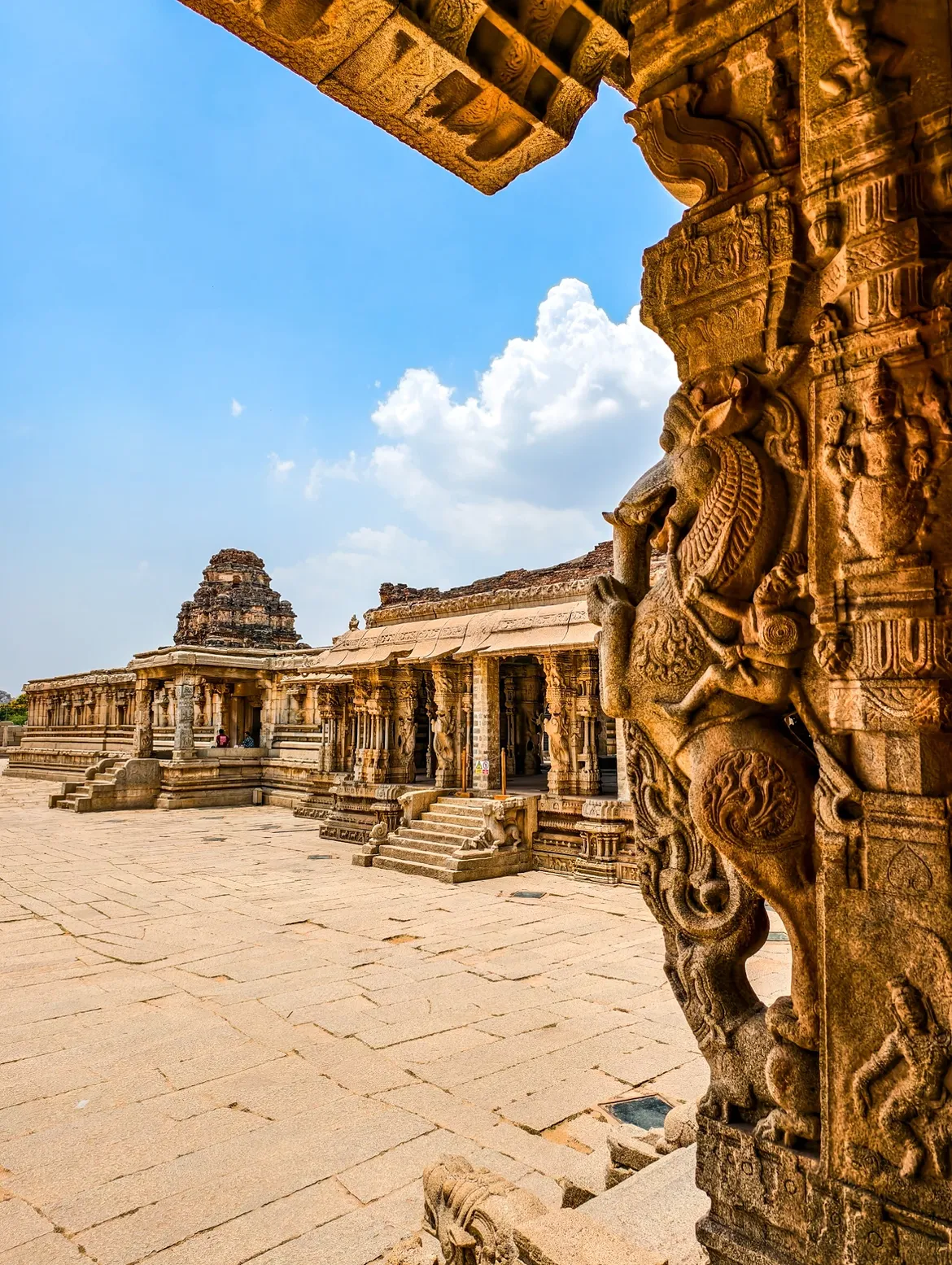
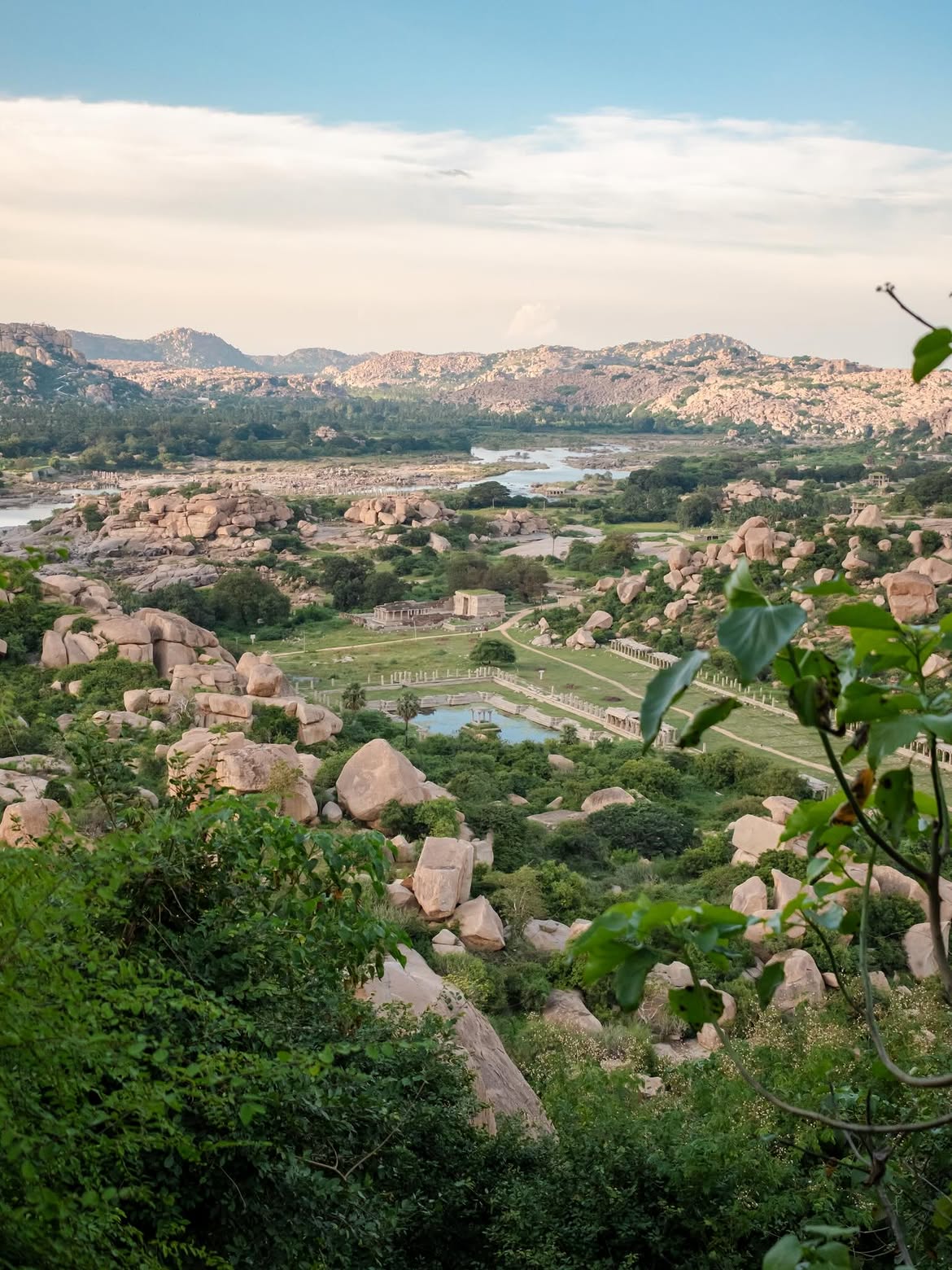
Hampi is one of those places that looks almost unreal when you first see it. Huge granite boulders balance over hills, ancient temples rise out of an otherwise dry landscape, the Tungabhadra River quietly flows past centuries-old ruins, and every turn seems to reveal another piece of the Vijayanagara Empire.
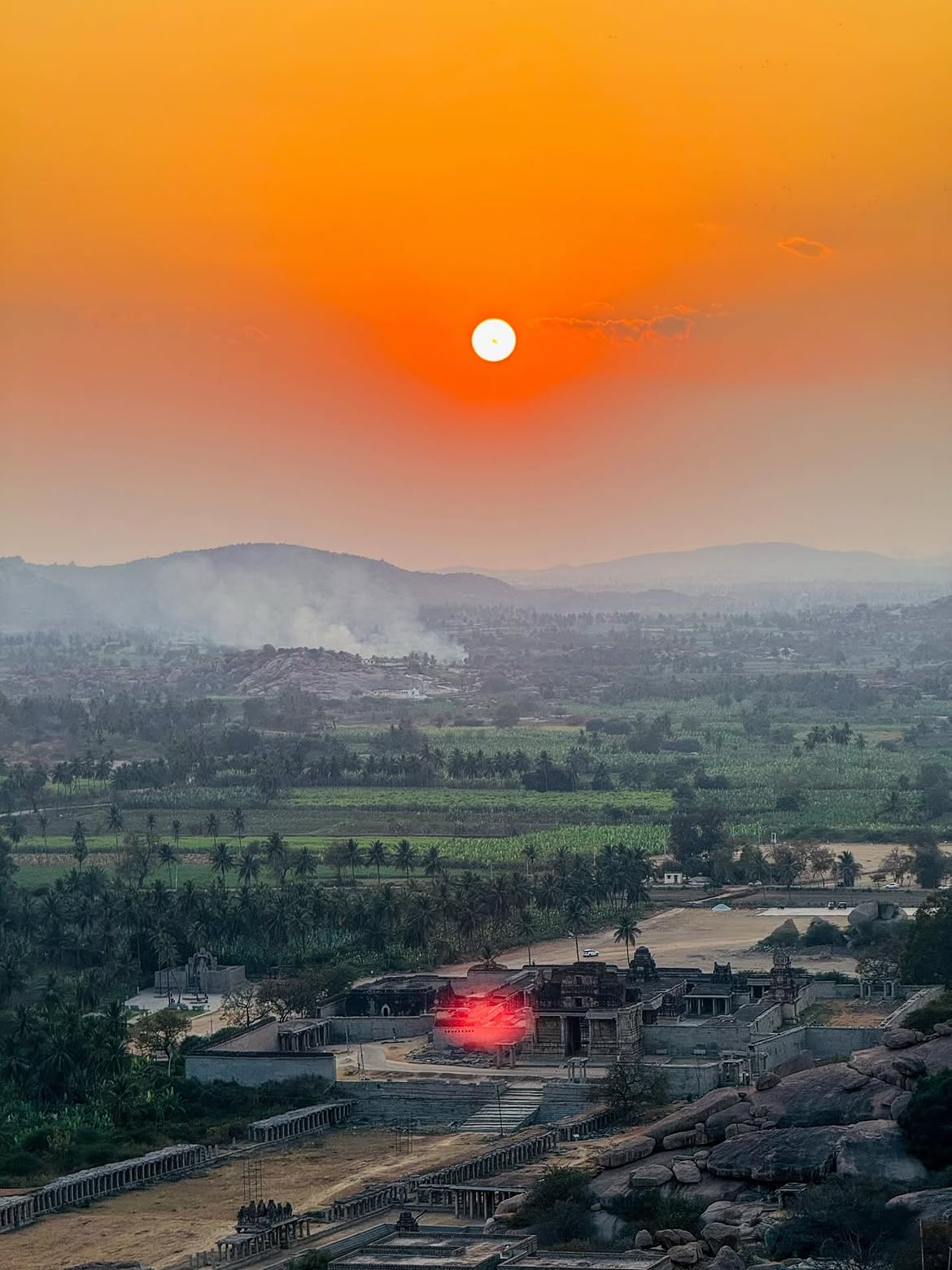
I had expected Hampi to be mainly about temples and historical monuments. But after spending time exploring it, I realised that Hampi is much more than a sightseeing destination. It is a place where you can walk through an ancient bazaar in the morning, climb a hill for sunrise, cycle between enormous boulders, eat a simple South Indian meal in the afternoon and watch the ruins turn golden at sunset.
This Hampi travel guide is written for first-time visitors who want to know not only what to see, but also how to reach Hampi, where to stay, how to get around, what to eat, how much the trip costs, which attractions require tickets, where to park and how to plan a practical 2- or 3-day Hampi trip.
Hampi is a UNESCO World Heritage Site and was once the magnificent capital of the Vijayanagara Empire. Karnataka Tourism recommends roughly 2–3 days to explore the major temples, monuments and landscapes comfortably.
(Also Read: Ujjain: Mahakal Nagari: The Famous City of Madhya Pradesh )

Contents
Hampi Travel Guide at a Glance
| Travel Information | Details |
|---|---|
| Location | Vijayanagara district, Karnataka |
| Famous for | Vijayanagara ruins, temples, boulders and Tungabhadra River |
| UNESCO status | UNESCO World Heritage Site |
| Nearest railway station | Hosapete (Hospet) Junction |
| Distance from Hampi to Hosapete | About 13–15 km |
| Nearest airport | Vidyanagar Airport; Hubballi is another practical option |
| Best time to visit | October to February/March |
| Ideal trip duration | 2–3 days |
| Budget trip | Around ₹2,500–₹4,500 per person for 2–3 days, excluding travel to Hampi |
| Comfortable trip | Around ₹5,000–₹10,000+ per person |
| Main local transport | Auto-rickshaw, bicycle, scooter, taxi and walking |
| Major paid attraction | Vijaya Vittala/ASI monument complex |
| Main river | Tungabhadra |
| Main language | Kannada; Hindi and English are commonly understood in tourist areas |
Important: Entry fees, transport fares, ferry operations and accommodation prices can change. Treat the prices below as practical 2026 planning estimates and confirm the latest rate locally before paying.
(Also Read: Khajuraho Travel Guide: A Journey Through India’s Finest Temple Architecture )

Why Should You Visit Hampi?
Hampi is worth visiting even if you are not particularly interested in history.
The reason is the combination of architecture, landscape and atmosphere.
The ruins aren’t confined to one museum-like complex. They are spread across a huge landscape of rocky hills, agricultural fields, riverbanks and villages. The result is a destination that feels more like an archaeological adventure than a conventional city tour.
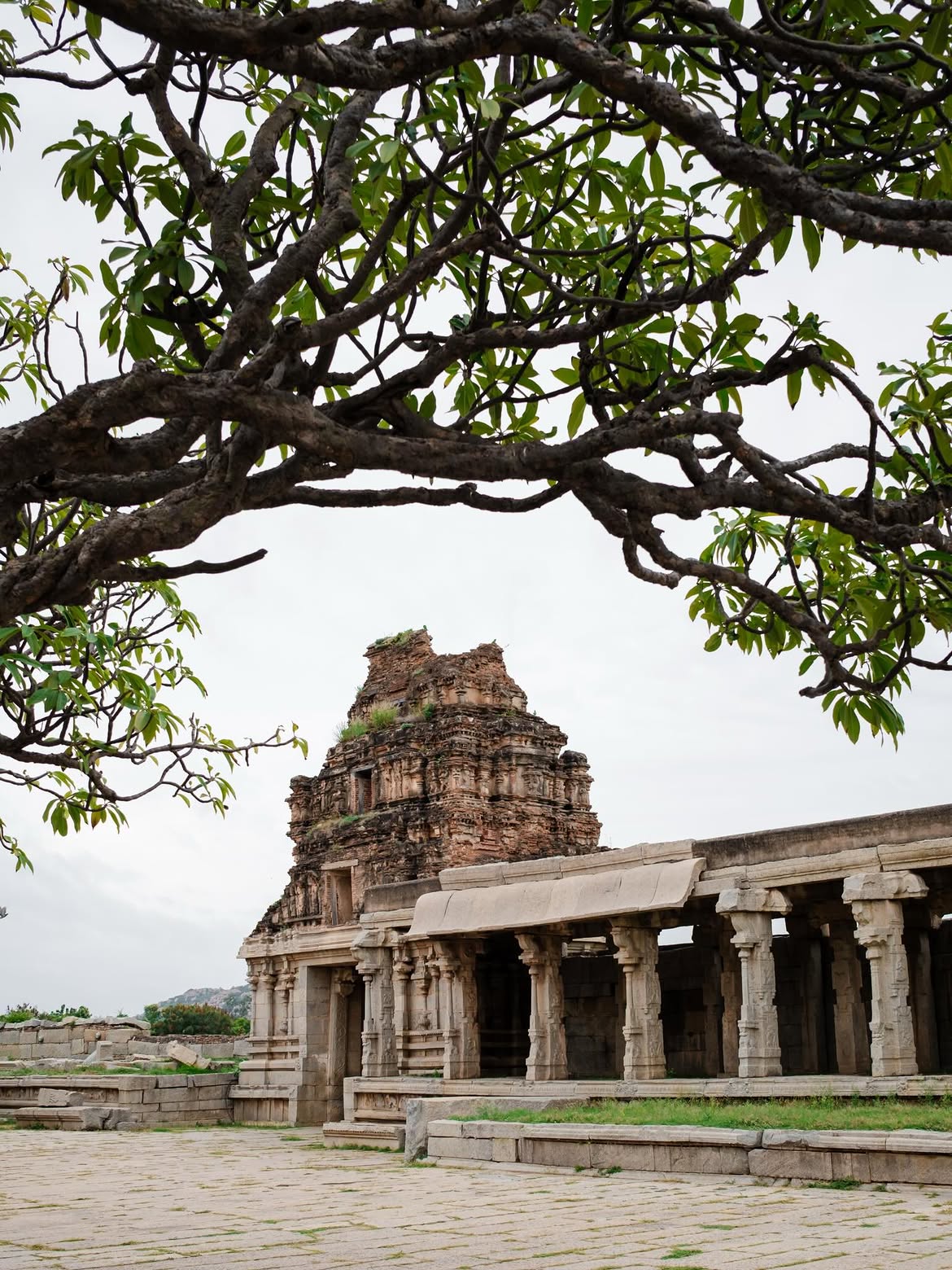
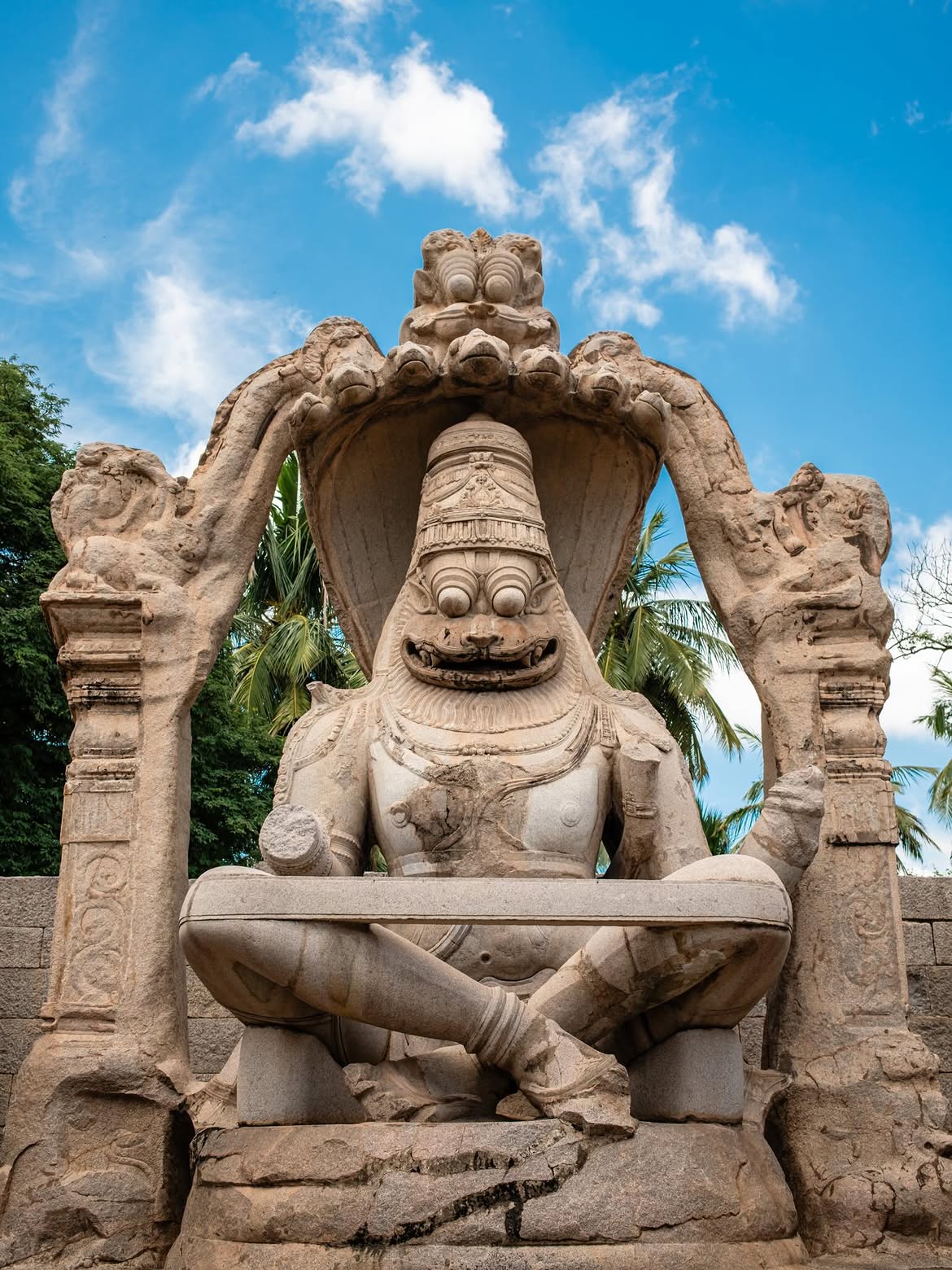
The highlights include the famous Virupaksha Temple, the magnificent Vijaya Vittala Temple and its Stone Chariot, Lotus Mahal, Elephant Stables, Hazara Rama Temple, Royal Enclosure, Hemakuta Hill and Matanga Hill.
The surrounding granite landscape is equally memorable. Karnataka Tourism describes Hampi’s enormous boulder formations as one of the defining features of the destination.
For me, the biggest attraction was simply wandering without a strict agenda. You can be looking at an elaborately carved temple one minute and standing alone among enormous rocks the next.
History of Hampi:
Hampi was the capital of the Vijayanagara Empire, one of the most powerful kingdoms of medieval South India.
The empire flourished particularly between the 14th and 16th centuries, and Hampi developed into a major centre of trade, religion, culture and political power.
The city once contained enormous markets, temples, royal buildings and residential areas. Much of what remains today is a fascinating archaeological landscape.
In 1986, Hampi was declared a UNESCO World Heritage Site because of its exceptional historical and architectural importance.
Walking through the ruins gives you a sense of the scale of the old city. What initially appears to be a collection of isolated monuments becomes much more interesting once you realise that these structures were once part of a large, thriving capital.
(Also Read: Ajanta Caves: Complete Travel Guide & Visitor Tips)

Best Time to Visit Hampi
The best time to visit Hampi is generally October to February, with March still possible if you are comfortable with increasing temperatures. Karnataka Tourism lists October to March as the preferred season.
October to February – Best Overall
This is the season I would recommend for a first Hampi trip.
The weather is comparatively comfortable for walking, cycling and exploring the open-air ruins.
December and January are particularly pleasant, but they can also be busier.
Advantages
- Comfortable sightseeing weather
- Good sunrise and sunset conditions
- Easier hill climbs
- Better conditions for cycling
- Pleasant evenings
- More reliable tourist facilities
March to May – Very Hot
Hampi can become extremely hot.
The combination of open ruins, granite surfaces and limited shade makes afternoon sightseeing uncomfortable.
If you have to visit during summer, start very early.
A good summer routine is:
6:00–10:30 AM: sightseeing
11:00 AM–4:00 PM: lunch, rest and indoor time
4:30 PM–sunset: sightseeing
Do not underestimate the heat.
June to September – Monsoon
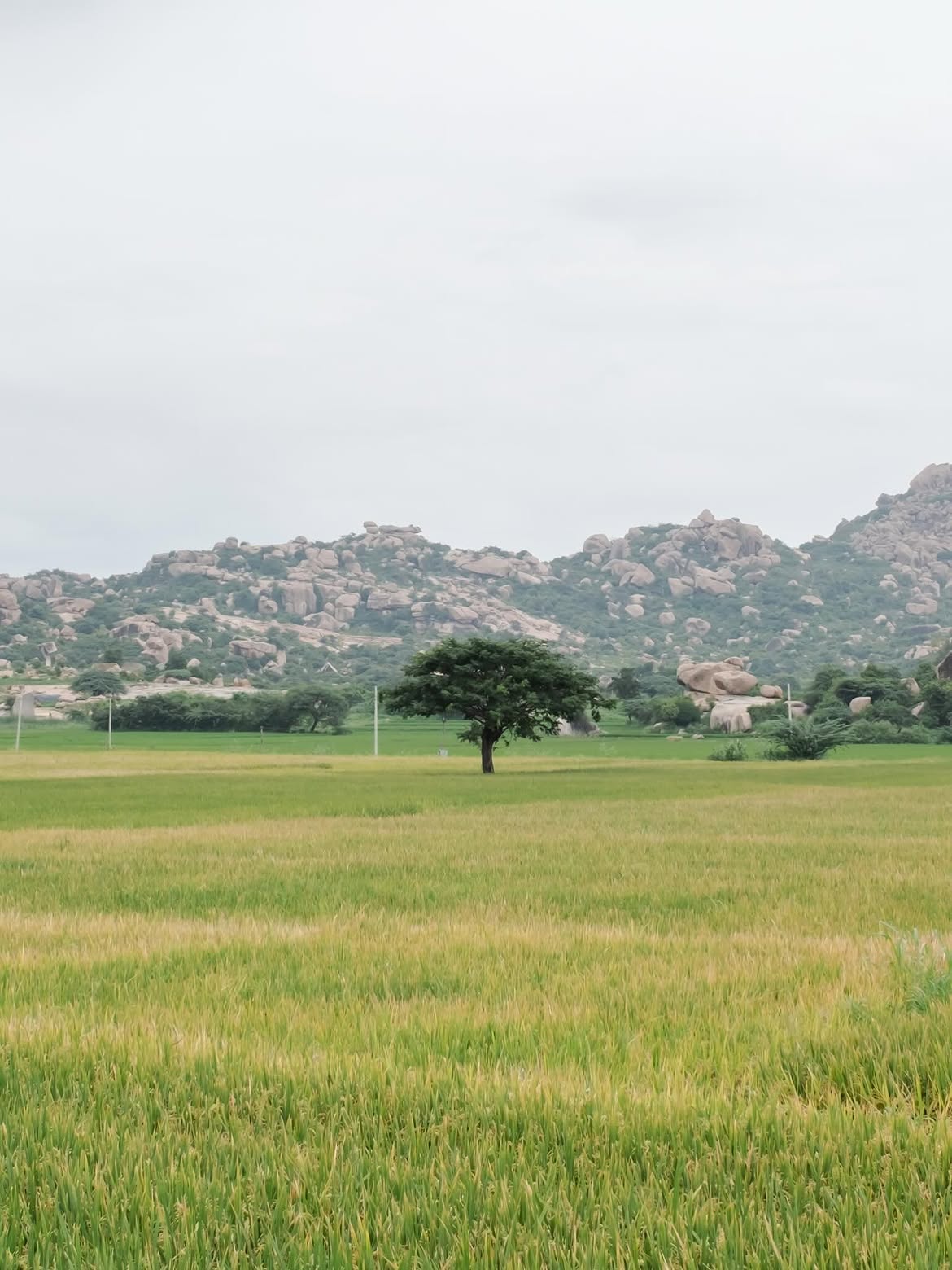
Monsoon gives Hampi a completely different appearance. The boulders and vegetation become greener and the Tungabhadra River can look spectacular.
However, rain can make rocky paths slippery, and river crossings may be restricted when water levels rise. Government planning documents for Hampi specifically note that increased Tungabhadra water levels during the rainy season can affect crossings.
If you are visiting during peak monsoon, don’t build your entire itinerary around crossing the river.
(Also Read: Top 11 Best Tourist Places In Thrissur )
How to Reach Hampi
By Train
The easiest railway option for most travellers is Hosapete (Hospet) Junction.
Hosapete is roughly 13–15 km from Hampi. Karnataka Tourism also identifies Hosapete as the nearest railway station.
From Hosapete station, you can take:
- Auto-rickshaw
- Taxi
- Local bus
My recommendation
If you are travelling on a budget, take a local bus or shared transport.
If you arrive late at night with luggage, a pre-arranged taxi is much more convenient.
How to Reach Hampi from Bengaluru
Hampi is approximately 340–350 km from Bengaluru.
You have several choices:
Bus
Overnight buses are convenient because they allow you to travel while sleeping.
Train
Take a train towards Hosapete and then continue to Hampi by road.
Car
Driving is a good option if travelling with friends or family.
Karnataka Tourism estimates the Bengaluru–Hampi road journey at around 6–7 hours, depending on the route and traffic.
How to Reach Hampi from Hyderabad
Hyderabad is another popular starting point.
You can travel by:
- Overnight bus
- Train towards Hosapete
- Private car
- Taxi
For groups, a road trip can be especially convenient because you can combine Hampi with destinations in northern Karnataka.
How to Reach Hampi by Flight
If you want to fly, Vidyanagar Airport near Hosapete is the closest airport option. Karnataka Tourism lists it at roughly 40 km from Hampi and notes connections from Bengaluru and Hyderabad.
Hubballi Airport is another practical option but involves a longer road transfer.
For most budget travellers, however, train or bus is usually more sensible.
(Also Read: Top 10 Best Tourist Places In Pondicherry )
How to Get Around Hampi
This is one of the most important parts of planning a Hampi trip. The ruins are spread over a large area, so you should not expect to walk everywhere.
1. Walking
Walking is the best way to explore the Hampi Bazaar and Sacred Centre.
I particularly recommend walking around:
- Virupaksha Temple
- Hampi Bazaar
- Achyutaraya Temple area
- Riverside
- Hemakuta Hill
Walking lets you notice small ruins and carvings that are easy to miss from a vehicle.
2. Bicycle
Cycling is one of the most enjoyable ways to explore Hampi.
A basic bicycle can cost roughly ₹100–₹250 per day, depending on the season and rental shop.
Cycling works particularly well around the relatively flat sections.
However, Hampi’s heat and hills can make cycling tiring.
My advice: Rent a bicycle only if you are comfortable cycling in hot weather.
3. Scooter/Bike
Two-wheelers can be useful for covering the wider region, particularly around Anegundi and the surrounding villages.
Typical rental prices vary, but you may find scooters around ₹300–₹500 per day, depending on season and rental conditions.
Always carry your valid driving licence and helmet, and confirm insurance/rental terms.
4. Auto-Rickshaw
Autos are probably the easiest option for first-time visitors.
They are useful for:
- Hosapete–Hampi transfers
- Vittala Temple
- Royal Centre
- Anegundi
- Sunrise/sunset points
- Short inter-site journeys
Agree on the fare before starting if the meter isn’t being used.
For sightseeing, ask for the total fare for the complete route, rather than negotiating every short ride separately.
5. Taxi
A private taxi makes sense for:
- Families
- Senior citizens
- Groups
- Travellers visiting Hampi in summer
- People with limited time
It is more expensive than an auto or bicycle, but significantly more comfortable.
(Also Read: The Beauty of Gorgeous Gangtok )
Where to Get Local Transport in Hampi
The most useful transport points are around:
- Hampi Bazaar
- Virupaksha Temple area
- Hampi bus stand area
- Hosapete railway station
- Kamalapura
When you arrive at Hosapete Junction, you’ll find autos and taxis outside the station.
For a return journey, it is wise to keep your driver’s number if you find a reliable auto driver.
Best Places to Visit in Hampi
Now comes the main reason you came here.
1. Virupaksha Temple
Start your Hampi trip here.
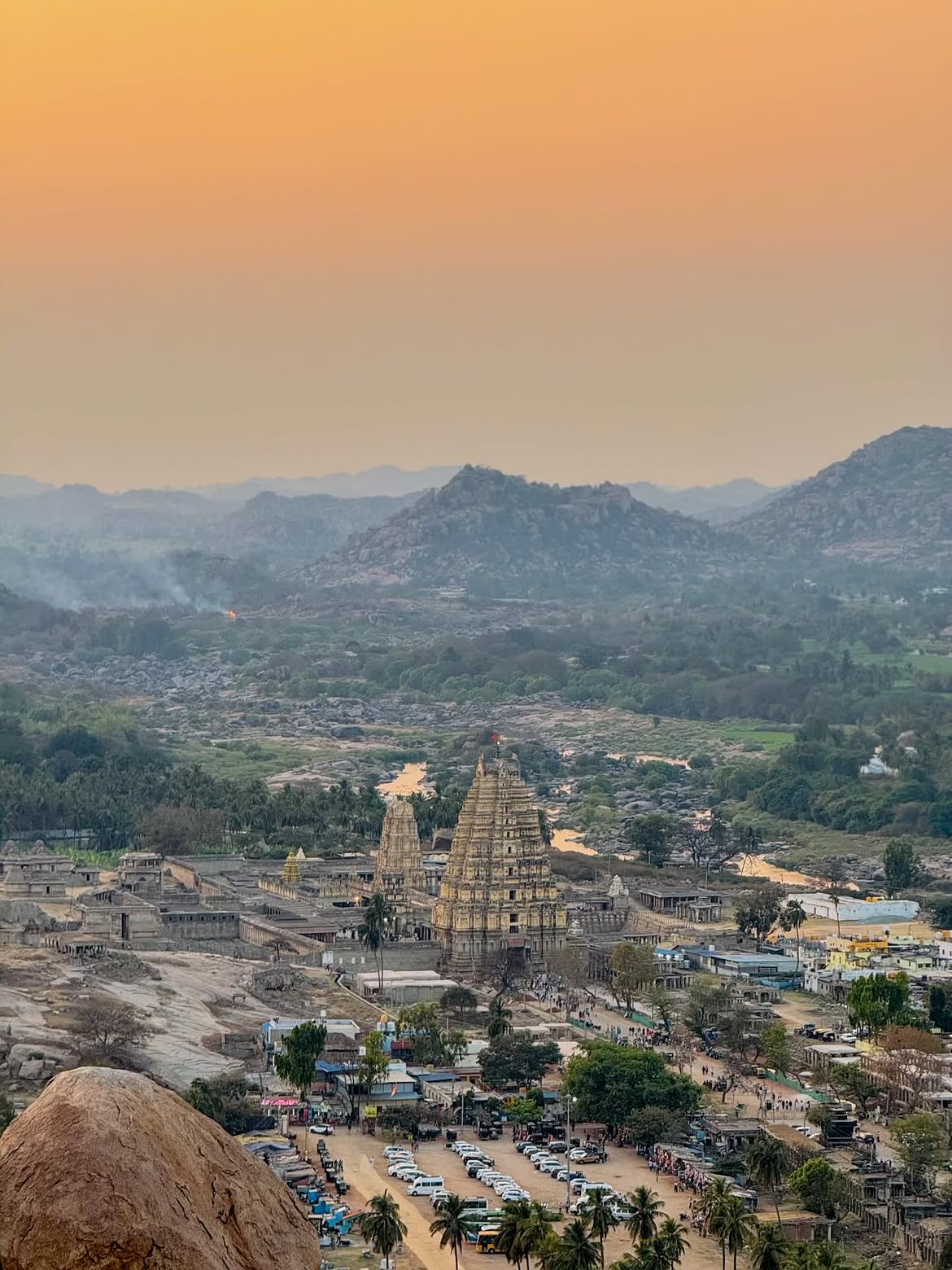
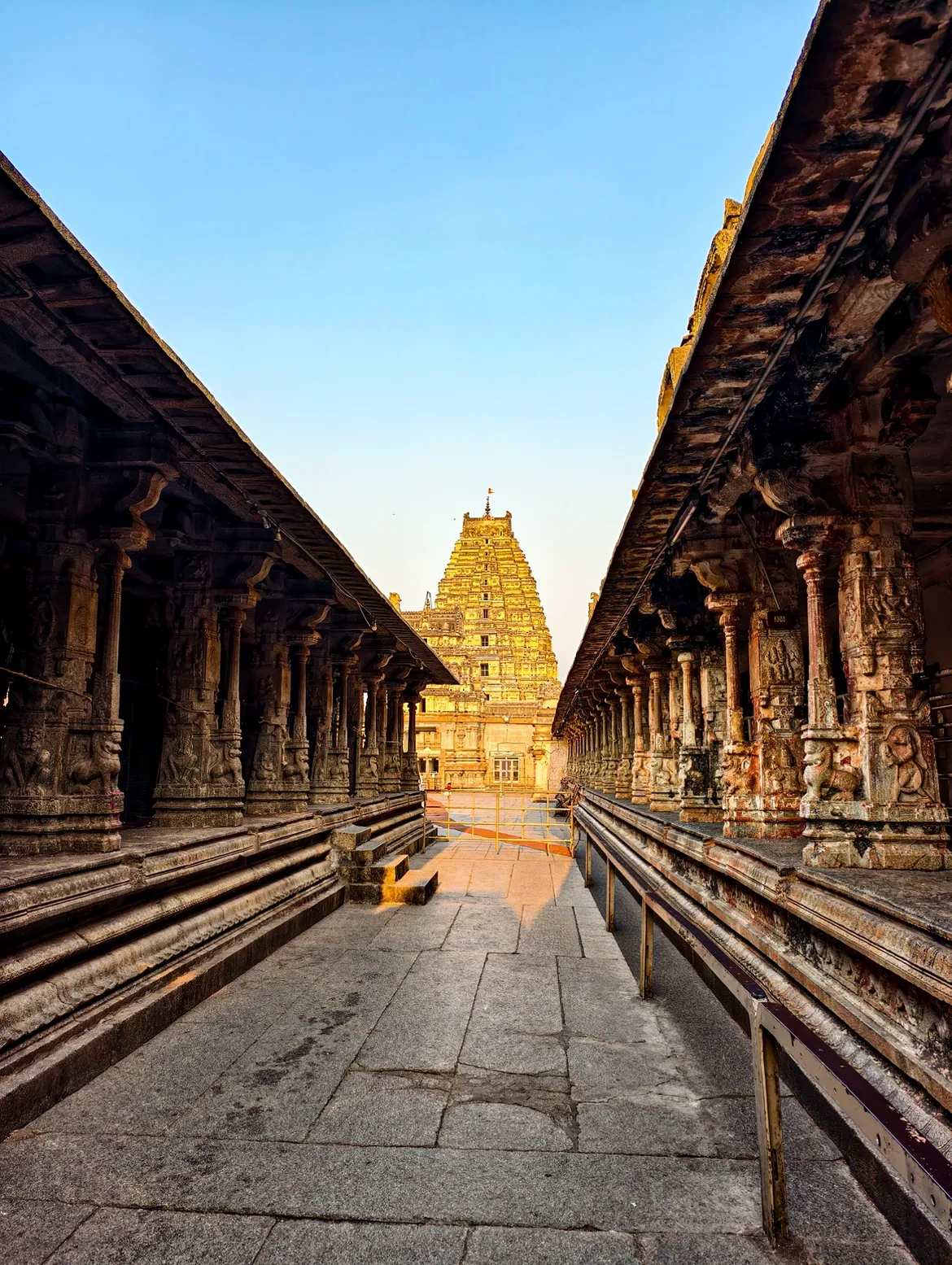
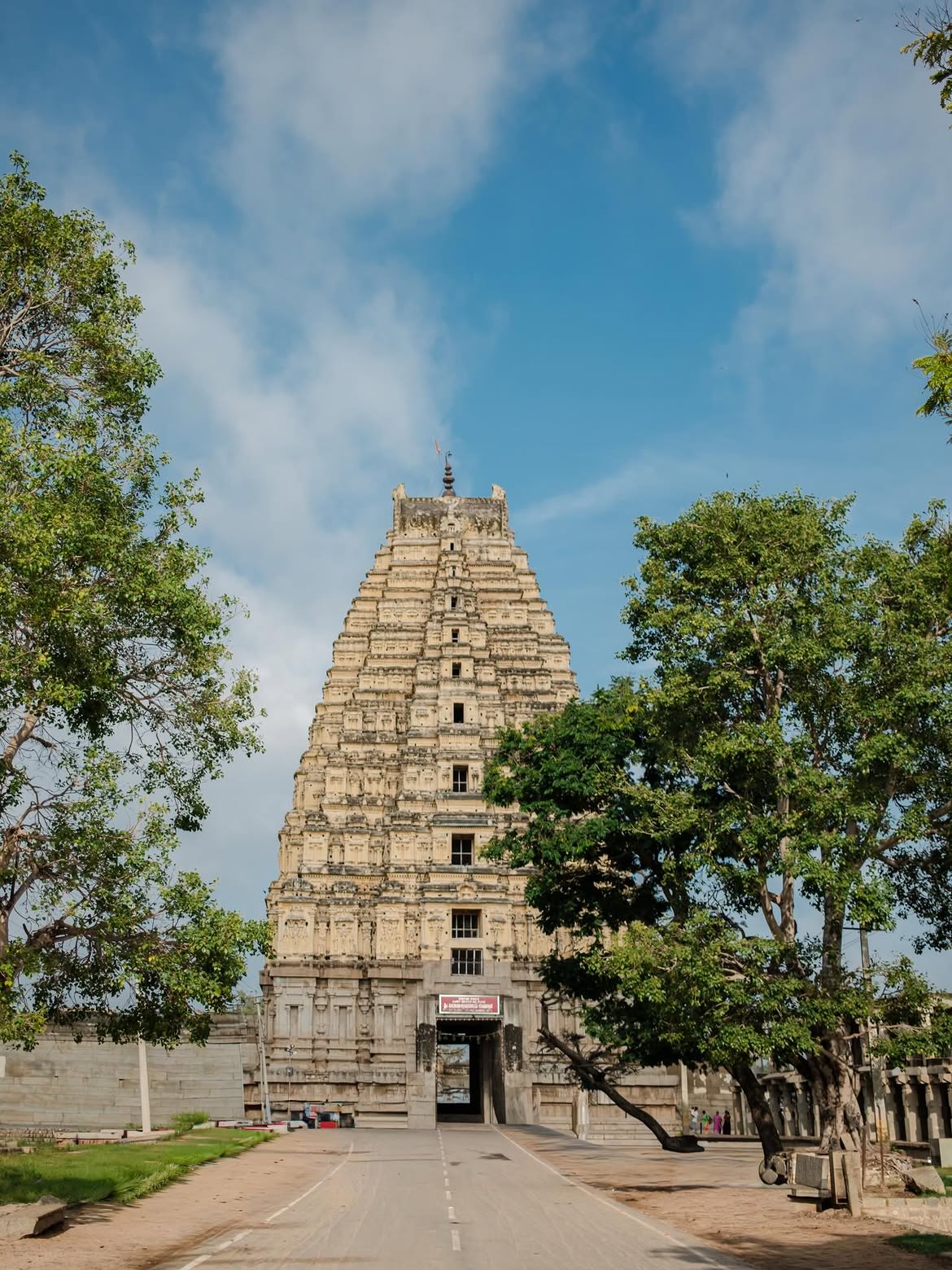
Virupaksha Temple is dedicated to Lord Shiva and remains an active place of worship. The temple has ancient origins, while major parts of the current structure were developed and expanded during the Vijayanagara period.
The enormous eastern gopuram dominates the Hampi skyline.
Don’t miss
- Main gopuram
- Temple courtyard
- Intricate pillars
- Riverside area
- The famous inverted-image optical effect
Allow at least 1–1.5 hours.

2. Hampi Bazaar
Right outside Virupaksha Temple is the historic Hampi Bazaar.
The long street once functioned as a major commercial centre.
Today, walking through the area gives you a fascinating sense of how the ancient city was organised.
Come early in the morning when the temperature is comfortable.
3. Hemakuta Hill:
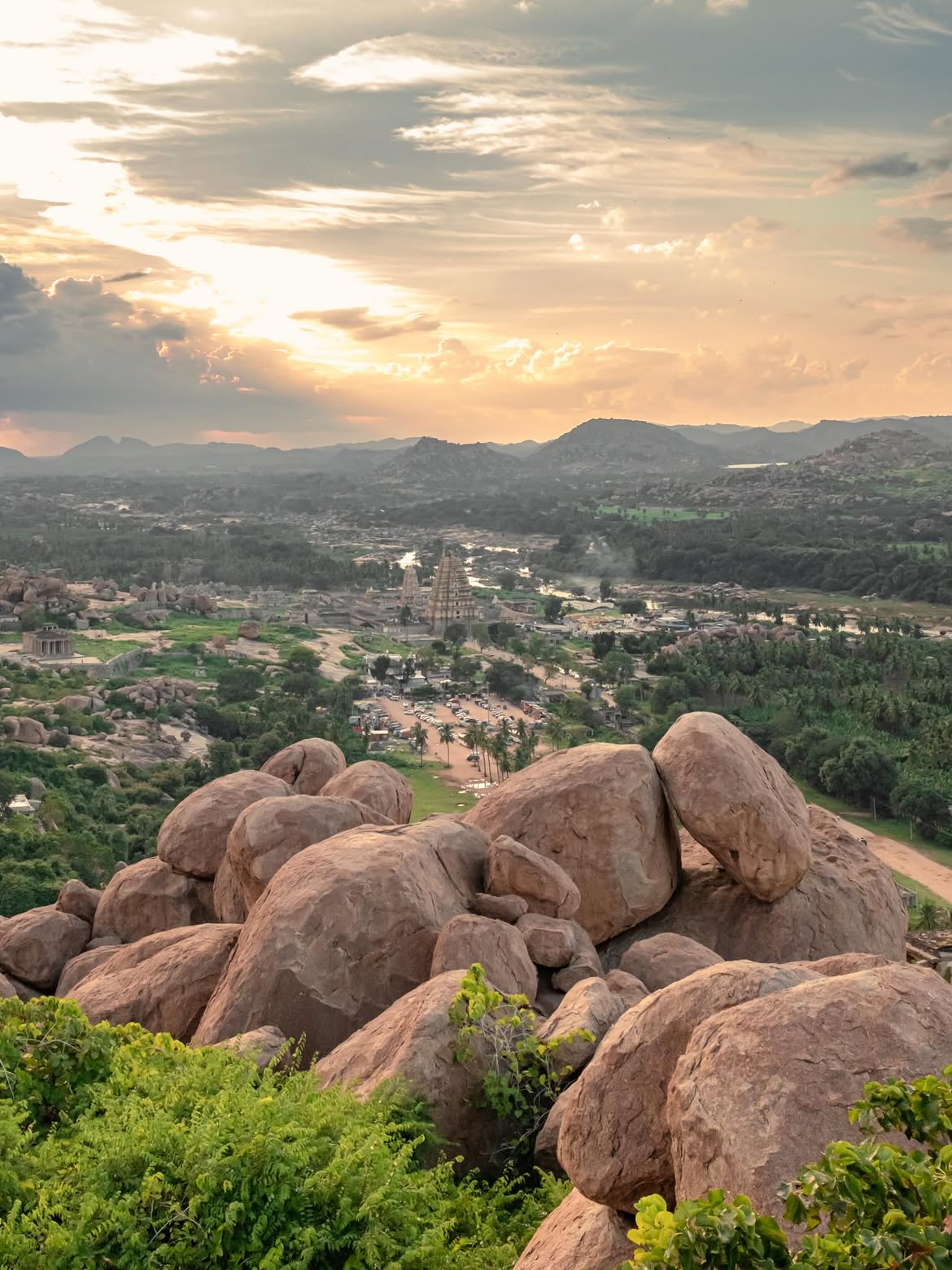
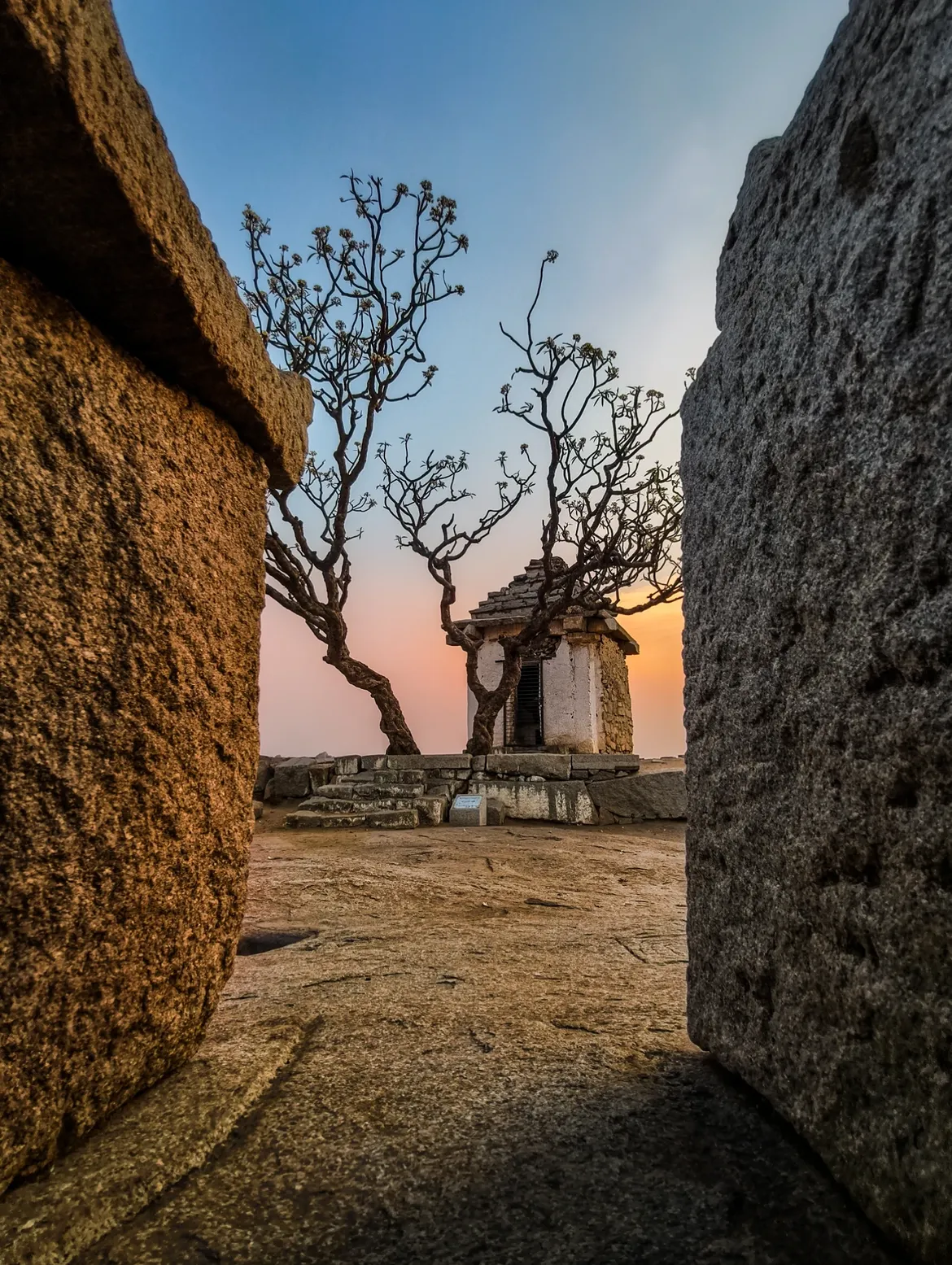
Hemakuta Hill is one of my favourite places in Hampi.
It contains several small temples and enormous boulders.
But the real attraction is the view.
Best time: Sunrise or sunset.
If you only have time for one sunrise or sunset in Hampi, consider Hemakuta Hill or Matanga Hill depending on your fitness and desired viewpoint.
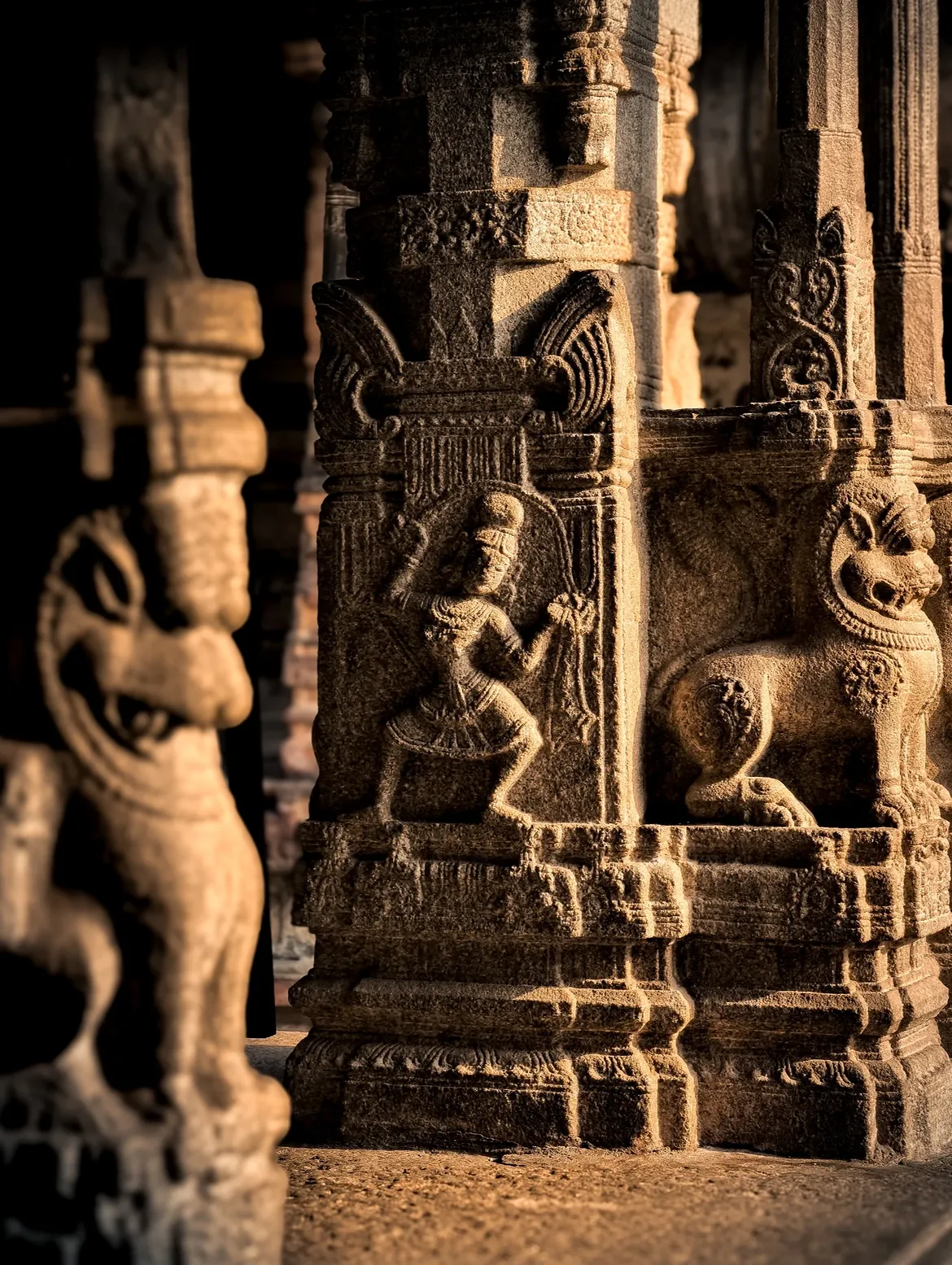
4. Vijaya Vittala Temple:
This is one of the monuments you absolutely shouldn’t miss.
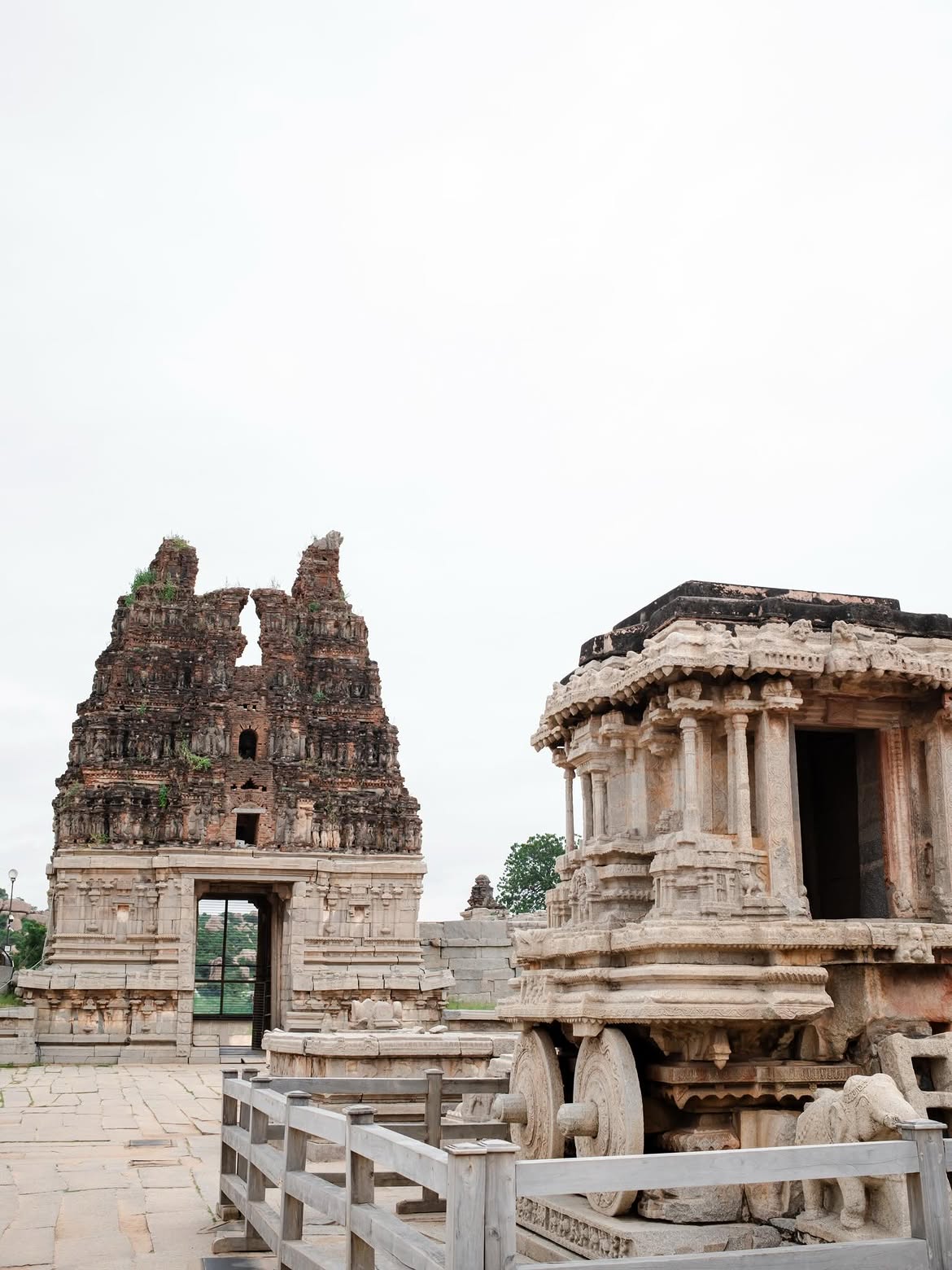
The Vijaya Vittala Temple is famous for its elaborate architecture and magnificent Stone Chariot. Karnataka Tourism describes it as one of Hampi’s finest examples of temple architecture.
The temple complex is large enough that you should give yourself plenty of time.
(Also Read: Top 13 Best Places To Visit In Amritsar )
5. Stone Chariot
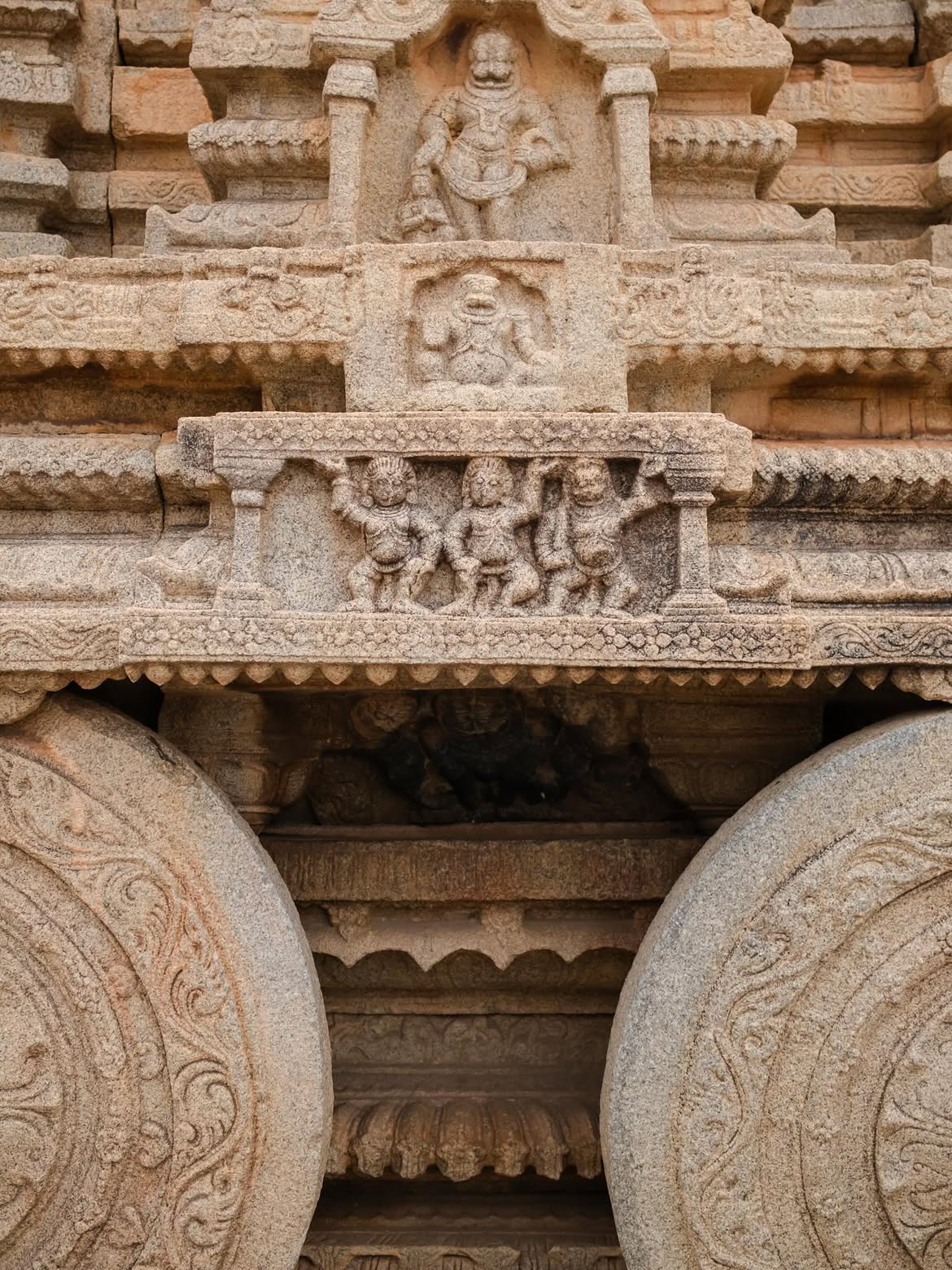
The Stone Chariot is probably Hampi’s most recognisable structure.
It is located within the Vittala Temple complex and has become one of the defining images of Hampi.
Don’t just photograph it and leave.
Walk around the complex and examine the carvings and surrounding structures.

6. Lotus Mahal
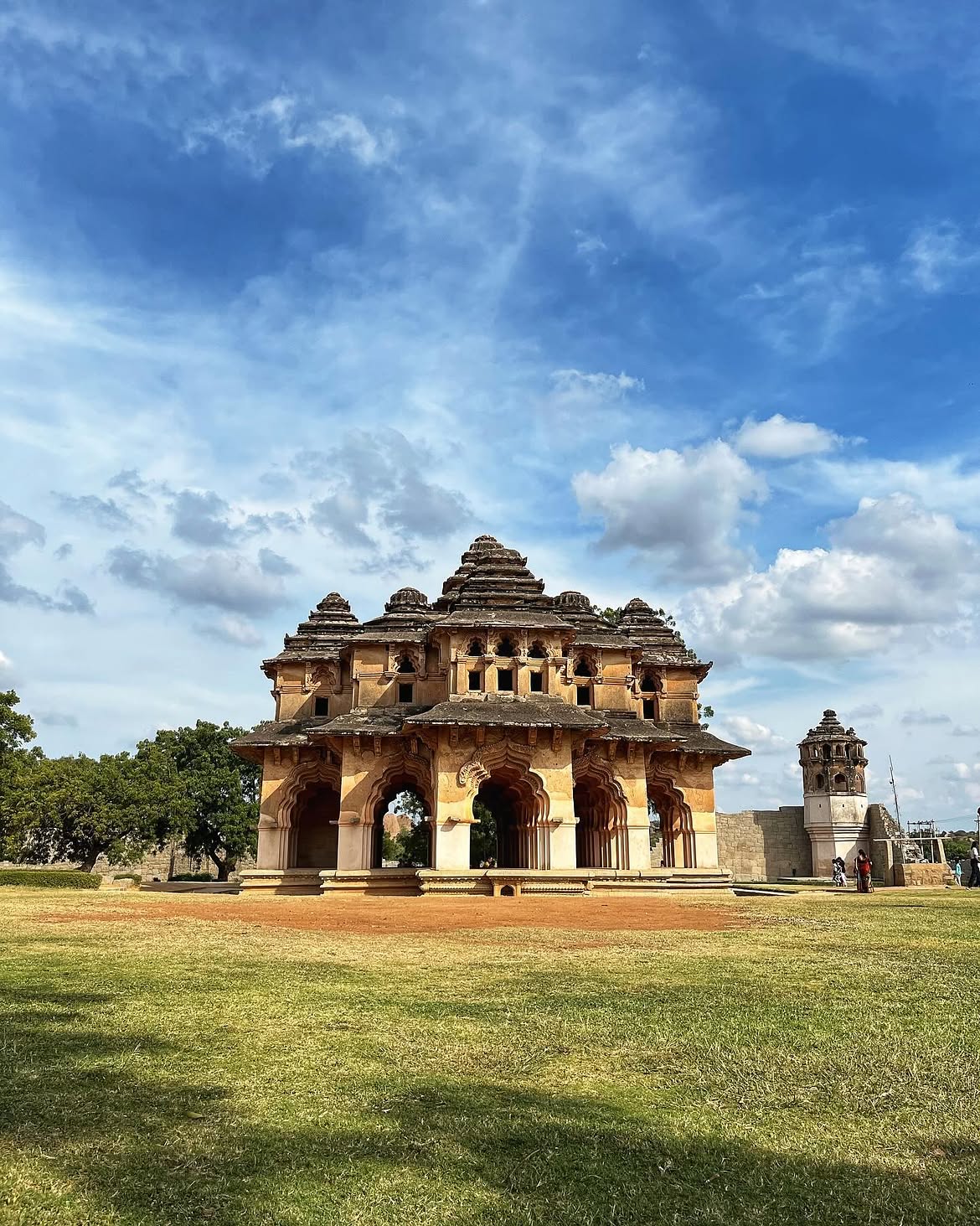
Lotus Mahal is one of the most visually elegant structures in Hampi.
Unlike the enormous temple towers, it has a relatively delicate appearance.
Its architecture reflects a combination of Hindu and Indo-Islamic influences, and it is located within the former Royal Centre.

7. Elephant Stables
Located near Lotus Mahal, the Elephant Stables are another impressive structure.
The large chambers were associated with royal elephants and are among the better-preserved structures in this part of Hampi.
Combine them with:
- Lotus Mahal
- Zenana Enclosure
- Watchtowers
- Royal Centre

8. Hazara Rama Temple
If you enjoy architecture and carvings, don’t skip Hazara Rama Temple.
The temple is particularly famous for narrative carvings and panels depicting scenes from the Ramayana.
It’s quieter than Virupaksha and Vittala, making it a good place to slow down.

9. Royal Enclosure
The Royal Enclosure provides a glimpse into the administrative and royal side of Vijayanagara.
Look for:
- Mahanavami Dibba
- Stepped Tank
- King’s Audience Hall
- Underground structures
The scale becomes easier to understand when you look at the ruins from higher ground.
(Also Read: 23 Famous Tourist Places to Visit in Shimla )
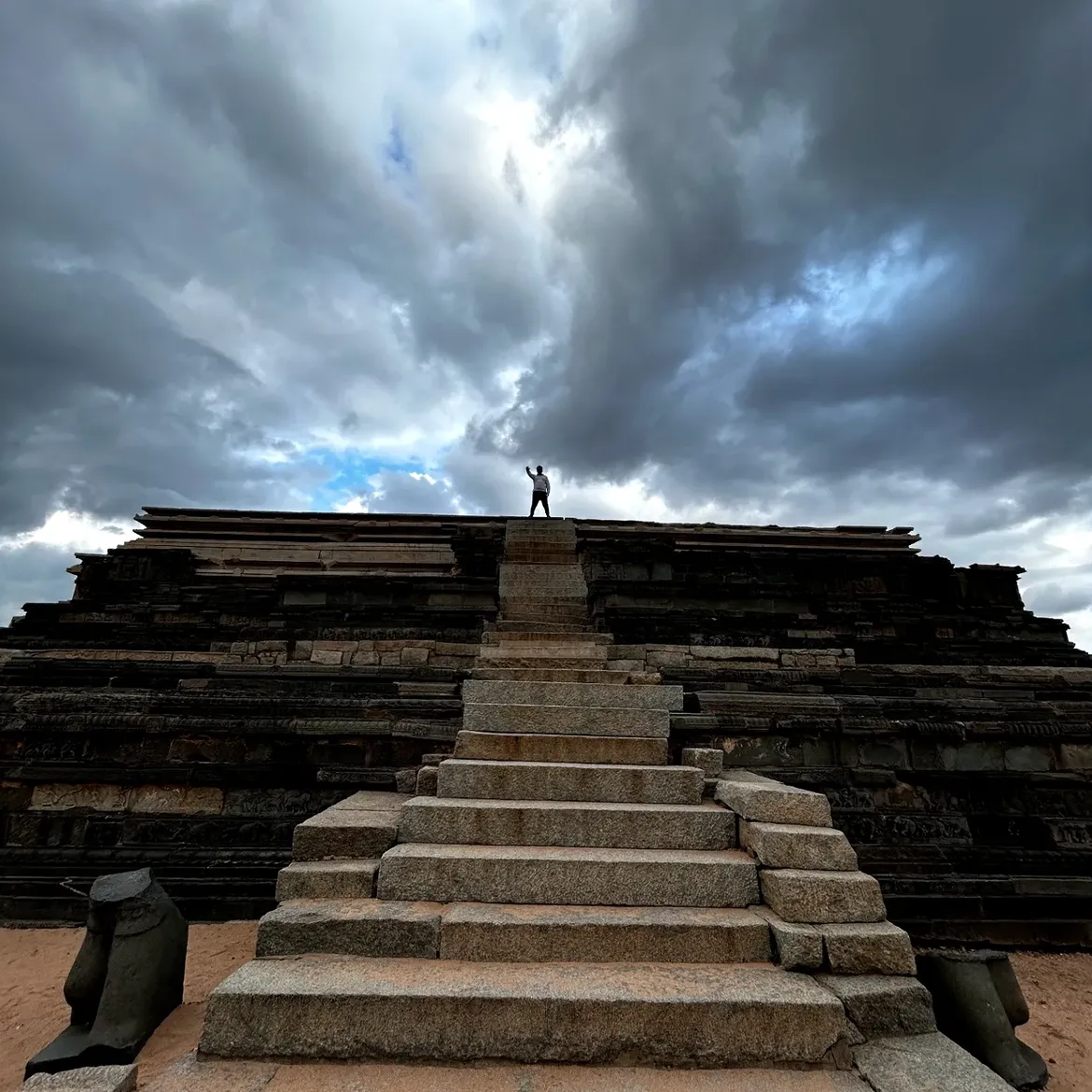

10. Mahanavami Dibba
This enormous stone platform was connected with royal ceremonies.
Climb up and look across the surrounding landscape.
The carvings on the sides are particularly interesting.
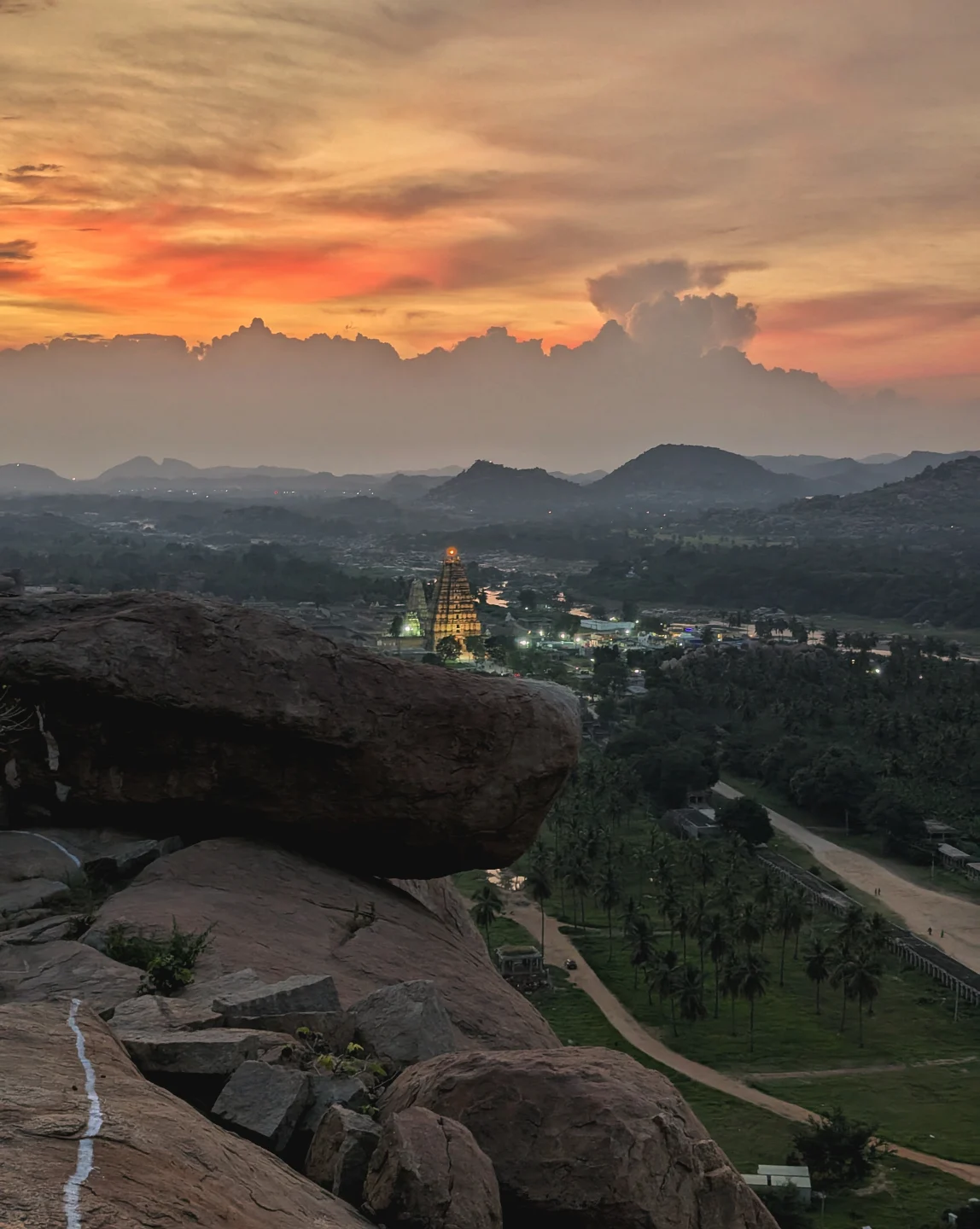

11. Matanga Hill
Matanga Hill is one of the most popular sunrise and sunset locations in Hampi. The climb isn’t particularly long for a reasonably fit traveller, but the rocky route requires proper footwear.
Carry
- Water
- Torch if going before sunrise
- Shoes with good grip
- Phone/camera
- Light jacket in winter
Don’t attempt a difficult climb in darkness without a torch.
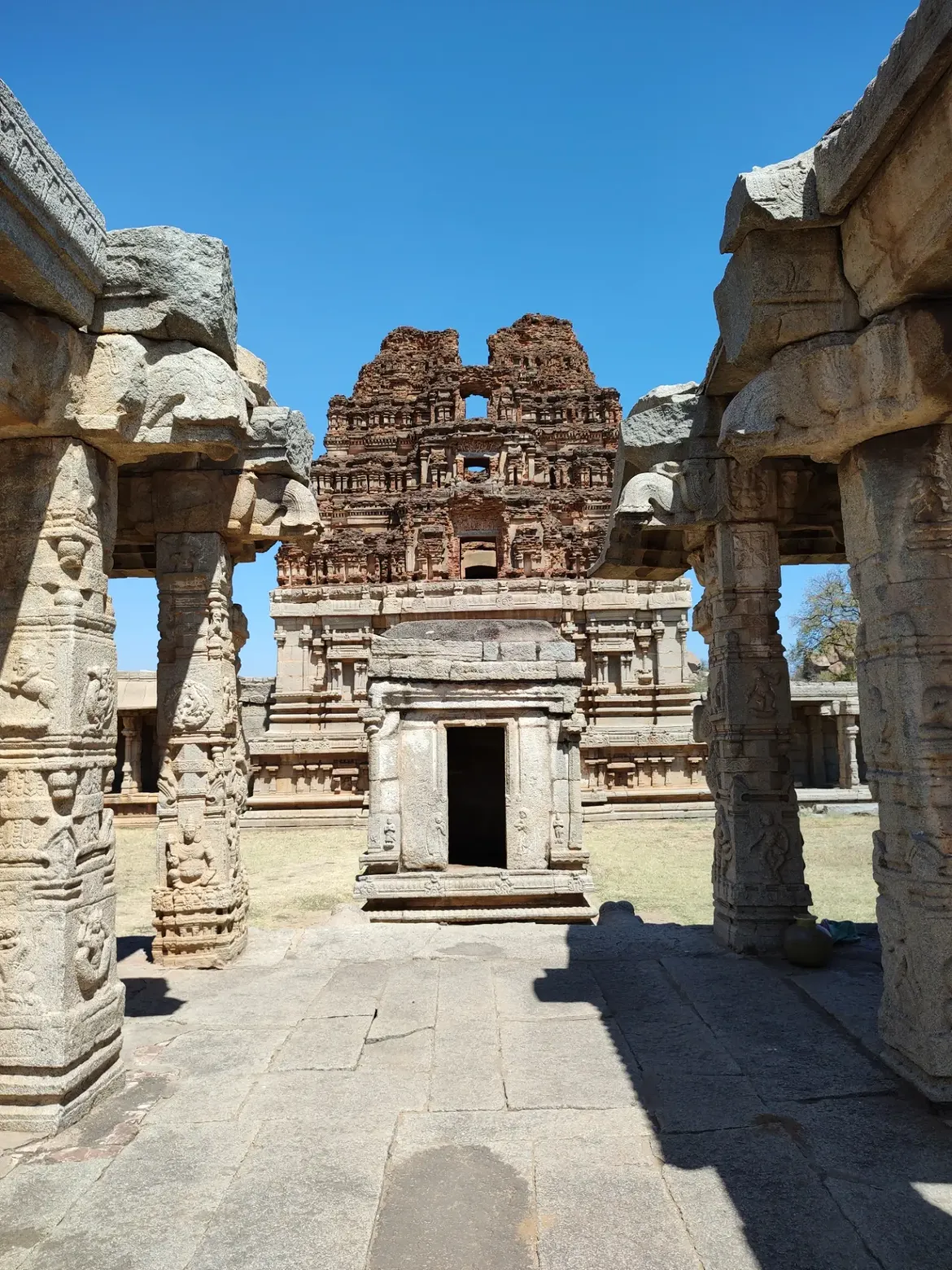
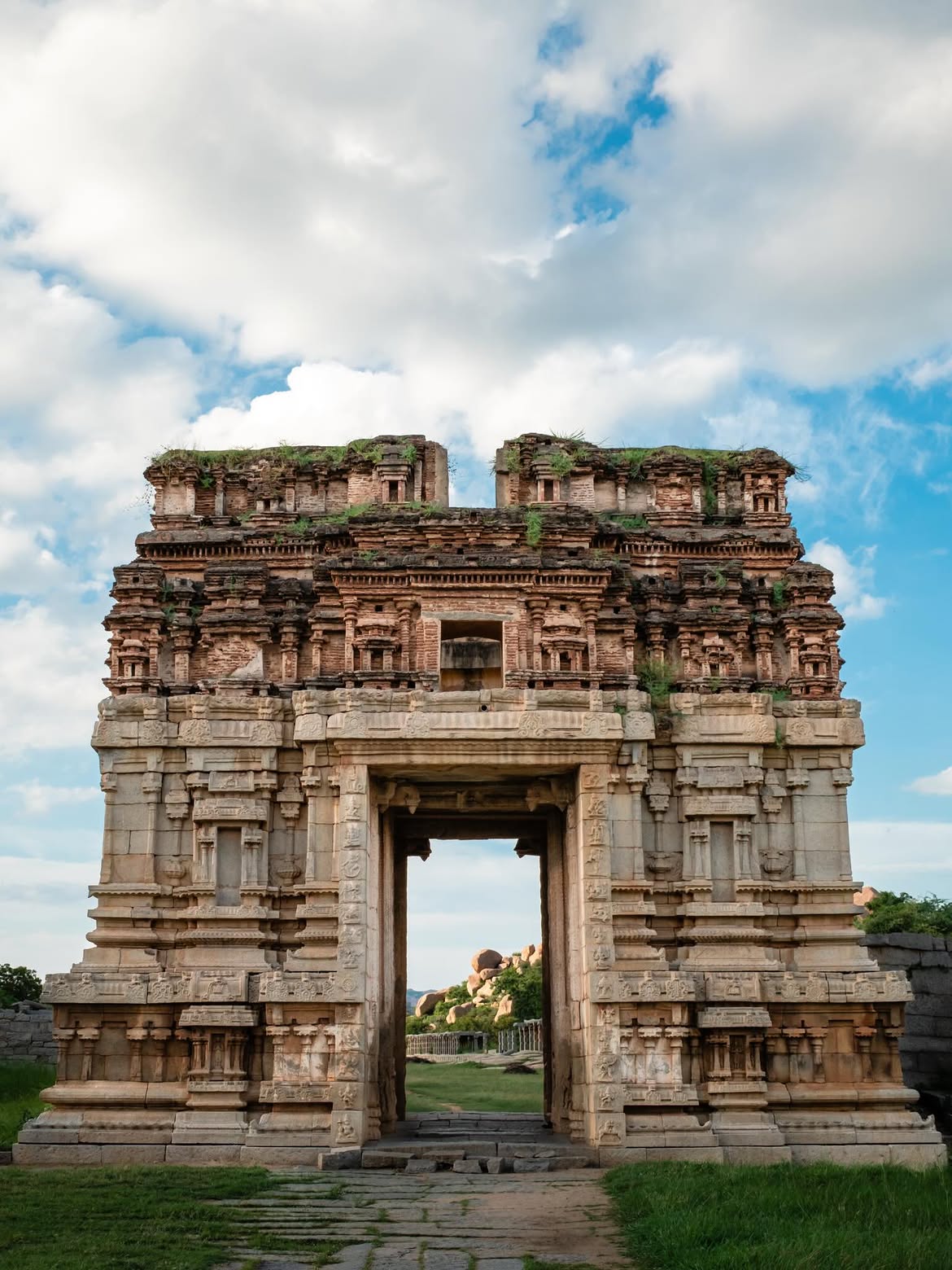
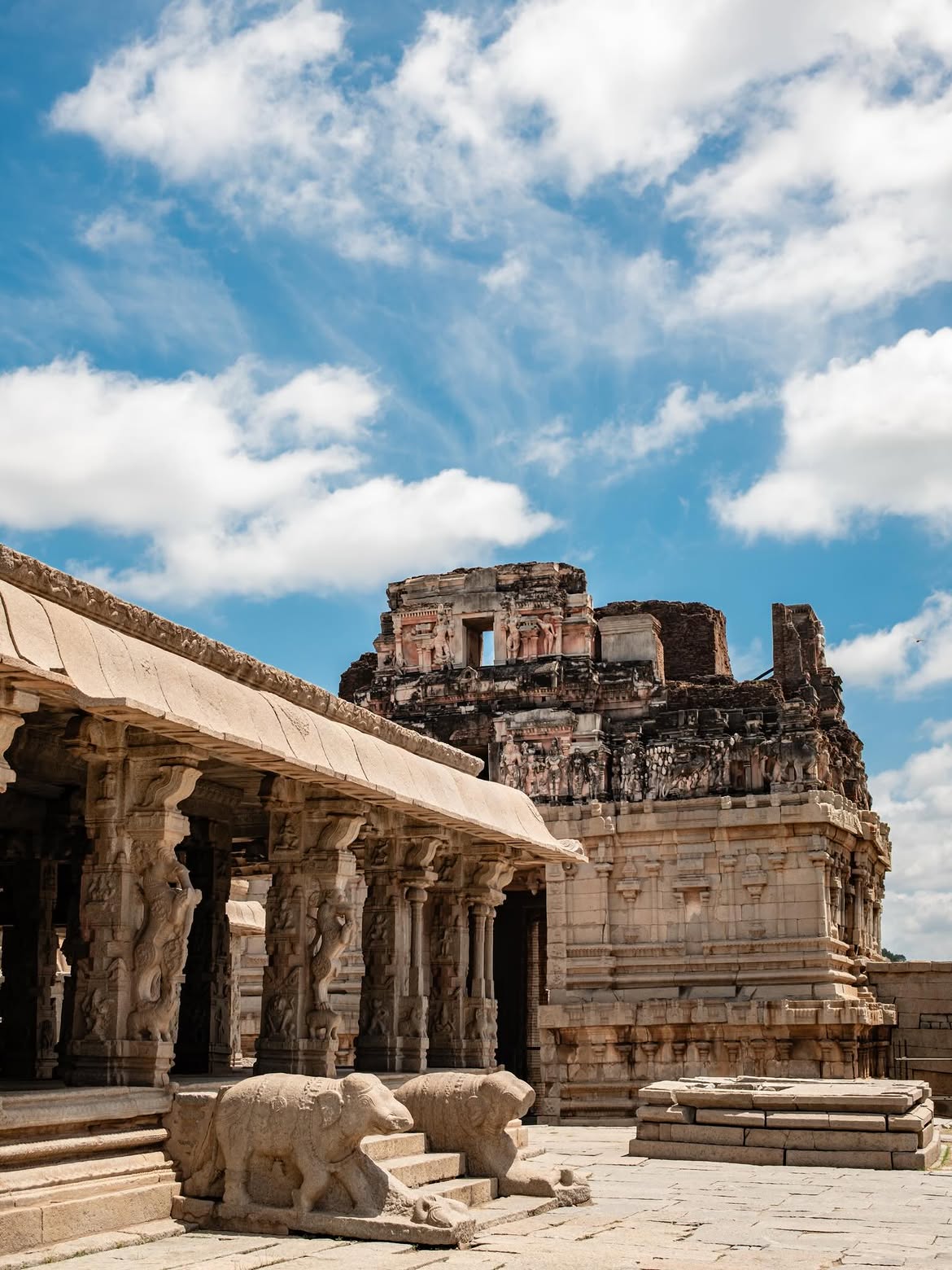
12. Achyutaraya Temple
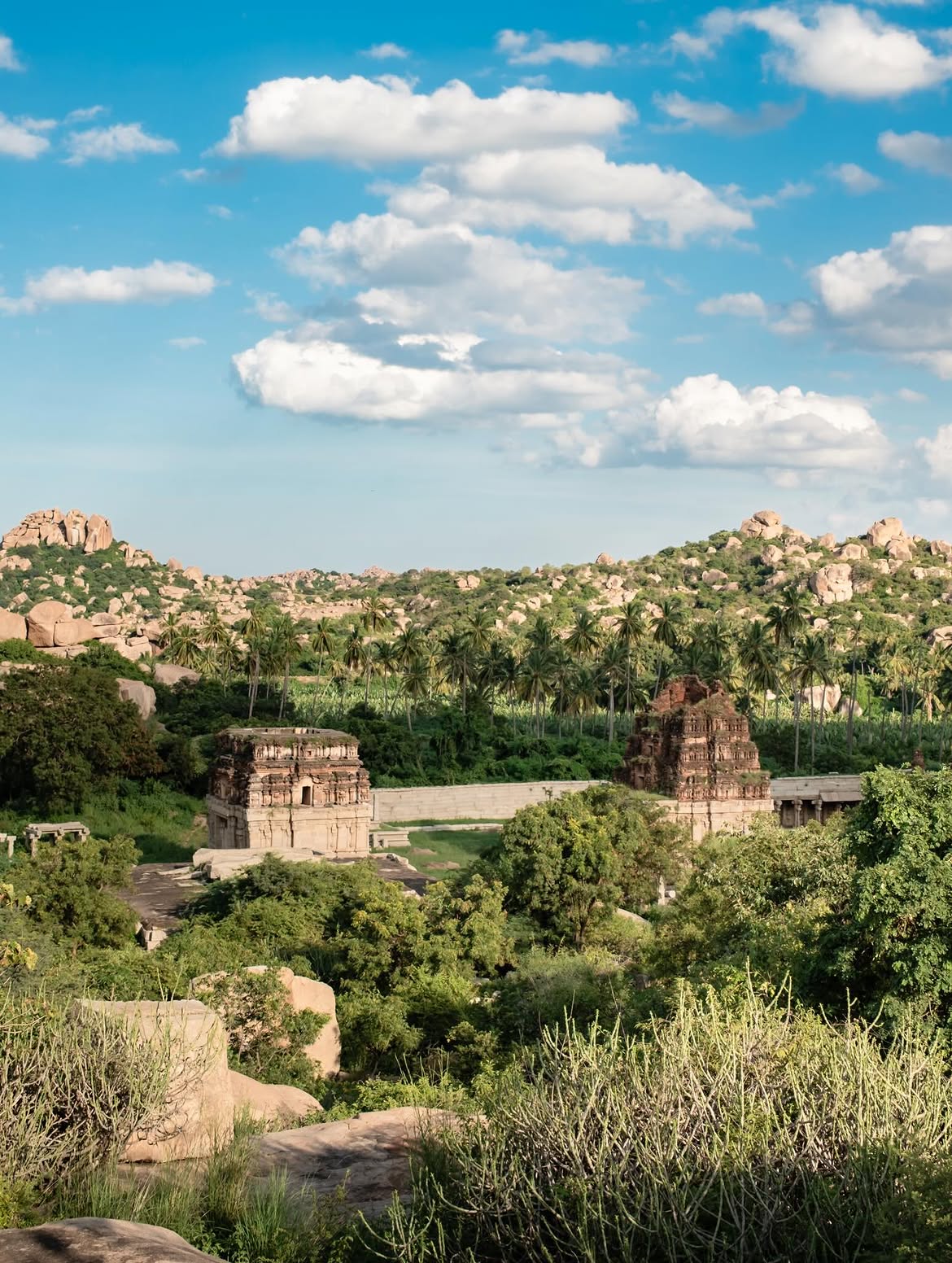
This temple sits in a dramatic valley between hills. The approach itself is beautiful. The surrounding ruins and old market structures make this area feel much quieter than the main Virupaksha Temple zone.
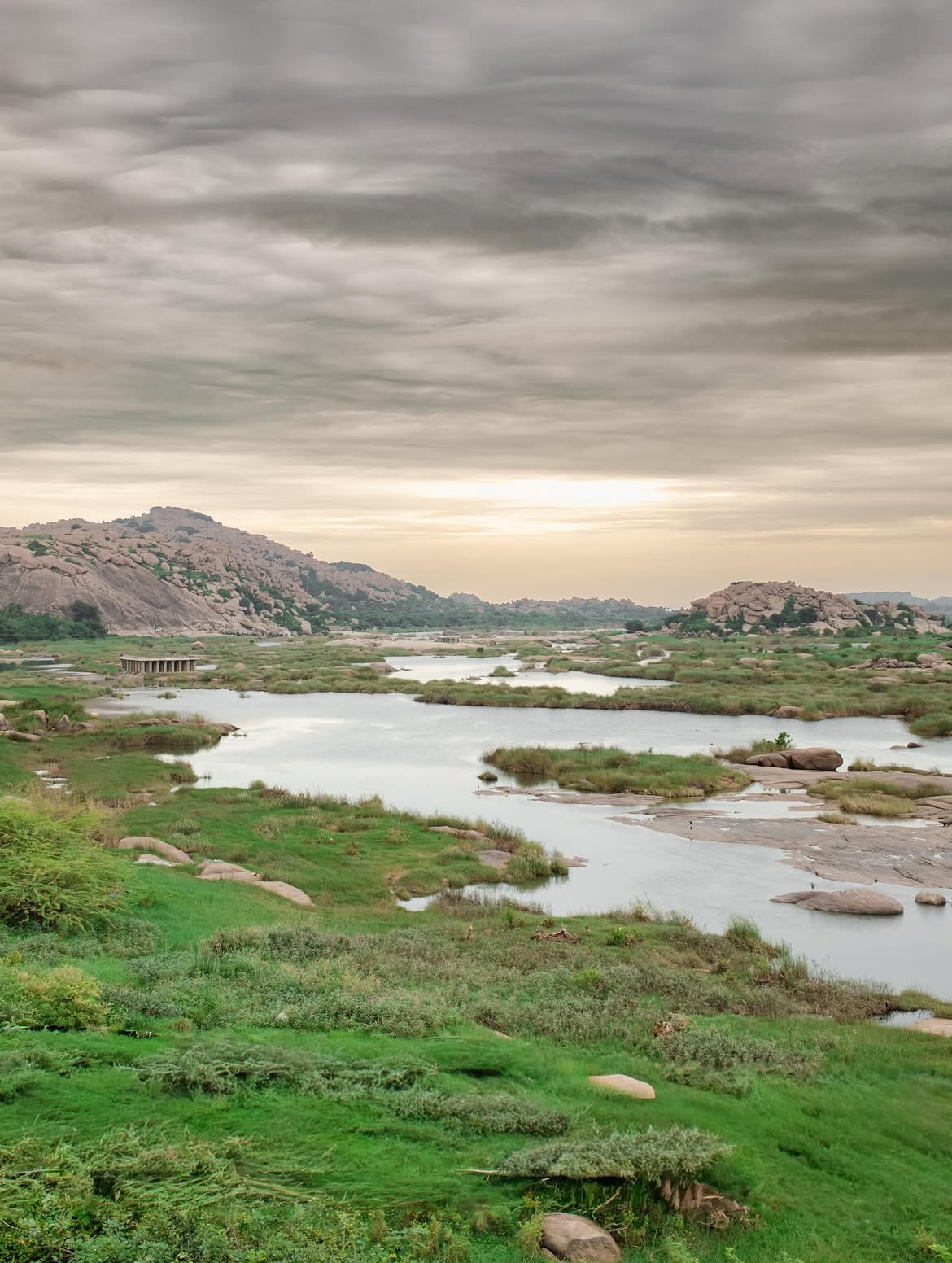
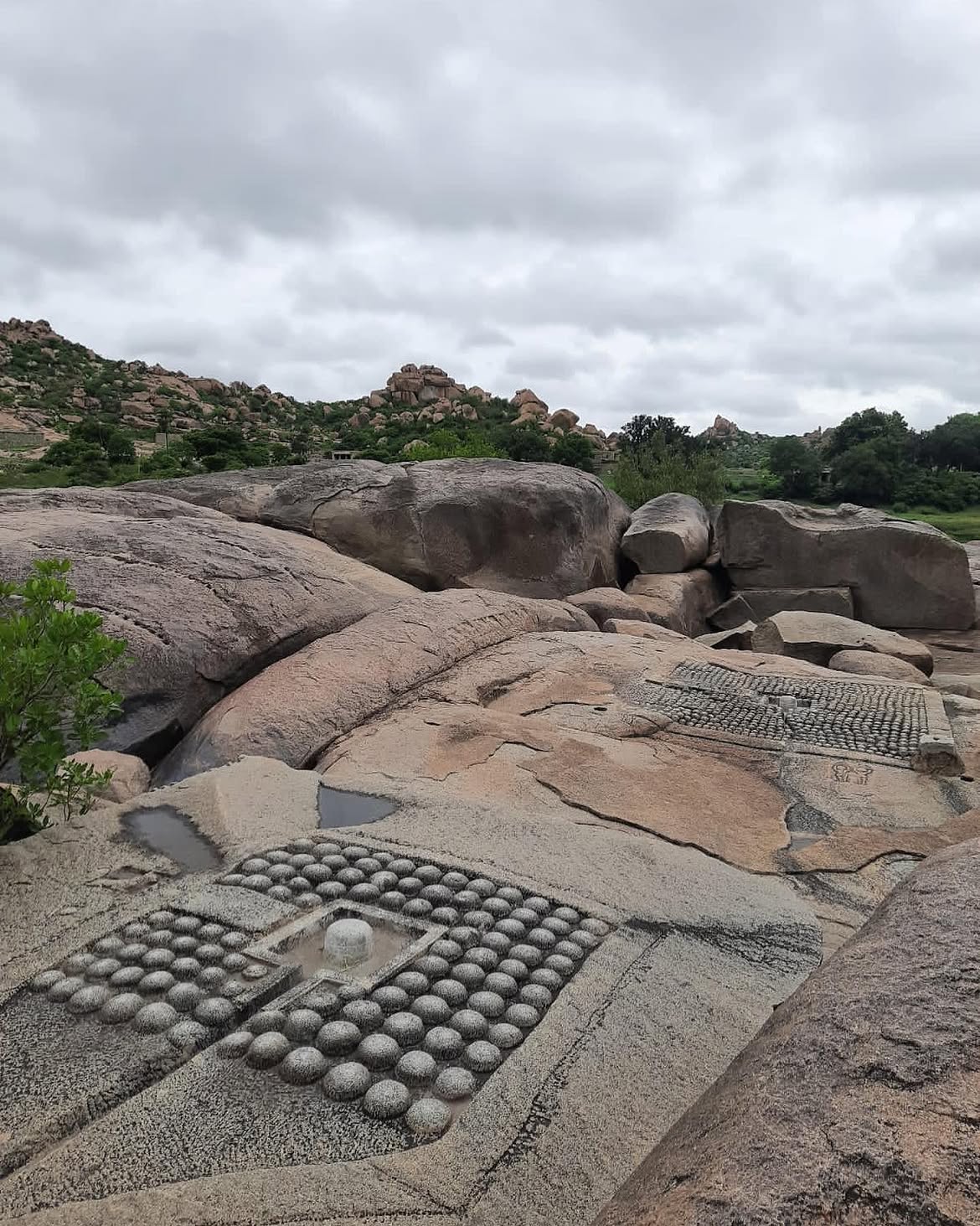
13. Tungabhadra River
The river gives Hampi an entirely different personality.
Spend some time around the ghats and riverside temples rather than treating the river as just a transport route.
Morning and evening are particularly pleasant.
14. Anegundi
If you have three days, I strongly recommend adding Anegundi.
Anegundi is an older settlement on the northern side of the Tungabhadra and is associated with the broader Hampi cultural landscape.
It is much quieter than the central Hampi ruins.
You can explore:
- Anjanadri Hill
- Village streets
- Ancient temples
- Riverside landscapes
- Rural Karnataka

15. Anjanadri Hill
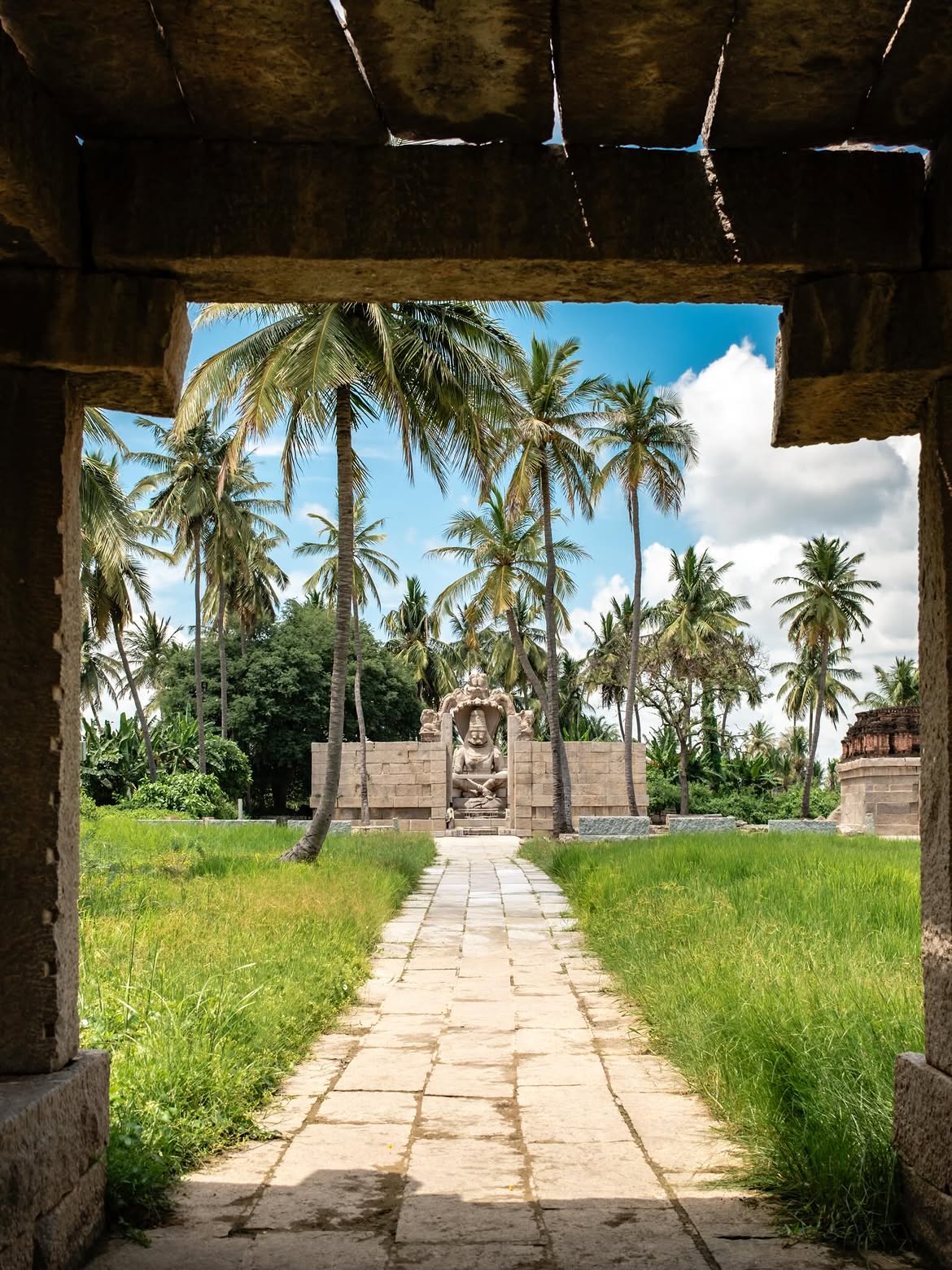
Anjanadri Hill is traditionally associated with Hanuman and is an important pilgrimage site.
There are many steps, so carry water and avoid climbing during the hottest part of the day.
(Also Read: Famous Places to visit in Kanyakumari )
Where to Stay in Hampi
This is an important decision because Hampi itself and Hosapete offer very different accommodation experiences.
Option 1: Stay Near Hampi Bazaar
Best for
- First-time visitors
- Backpackers
- Walkability
- Early morning temple visits
- People who want to stay close to the ruins
The biggest advantage is location.
You can walk to Virupaksha Temple and explore the Sacred Centre without constantly arranging transport.
Accommodation in Hampi itself is relatively limited compared with Hosapete.
Option 2: Stay in Hosapete
This is what I would recommend for families or travellers who prefer better hotel facilities.
Hosapete offers:
- More hotels
- More restaurants
- ATMs and shops
- Better transport connections
- More conventional hotel facilities
The disadvantage is that you have to travel roughly 13–15 km to reach Hampi.
Option 3: Stay Around Kamalapura
Kamalapura is a useful compromise.
It puts you closer to the Royal Centre and several important archaeological attractions while providing access to larger hotels.
One example is:
Clark’s inn Hampi
Option 4: Stay Across the River
The Virupapur Gaddi side, often called “Hippie Island” by travellers, has traditionally been popular with backpackers and long-stay visitors.
You can find guesthouses and cafés with a more relaxed atmosphere.
However, there is an important practical issue: river crossing availability can change.
During periods of high water, crossings can be suspended. If your entire itinerary depends on the ferry, this can become inconvenient.
For a first trip, especially in monsoon, I prefer staying on the main Hampi/Hosapete side.
(Also Read: Top 10 Outstanding Places In Jaipur At Night )

Where to Eat in Hampi
Food is an important part of the Hampi experience.
The food scene is a mix of traditional South Indian meals and traveller-oriented cafés.
Don’t come to Hampi expecting a huge fine-dining scene.
Instead, try simple local food.
Must-try Local Foods:
- Idli
- Vada
- Dosa
- Masala dosa
- South Indian thali
- Lemon rice
- Curd rice
- Sambar
- Rasam
- Ragi mudde
- Jowar roti
- Local vegetable curries
- Filter coffee
- Fresh fruit juice
Ragi mudde and jowar-based preparations are particularly worth trying if you want to explore Karnataka’s traditional cuisine.
(Also Read: 11 Famous Places to visit in Udaipur )
3-Day Hampi Itinerary: The Best Way to Explore Hampi
If you have 3 days in Hampi, you have enough time to see the major temples and ruins without turning the trip into a rushed sightseeing marathon. Hampi is spread across a large archaeological landscape, broadly divided into the Sacred Centre and Royal Centre, so grouping nearby attractions together saves both time and energy.
If you’re wondering how many days are enough for Hampi, here’s a simple breakdown. While you can cover the highlights in a day, 3 days is the ideal itinerary if you want to experience Hampi without rushing through its incredible ruins, temples, viewpoints and local culture.
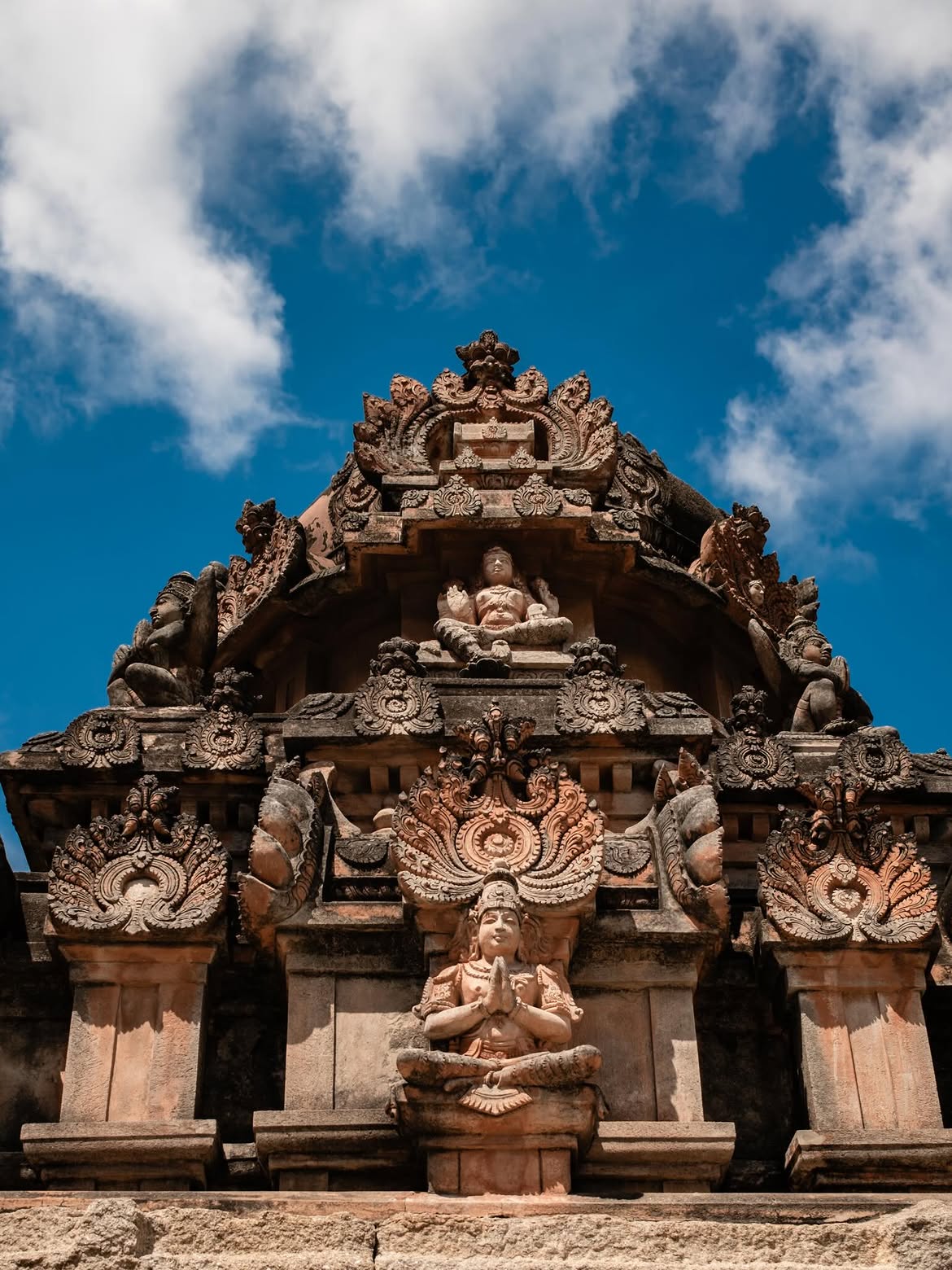
Day 1: Quick Hampi Highlights (Possible, but Rushed)
If you only have one day, focus on Hampi’s most iconic attractions. Start early to avoid the heat and make the most of your time.
Virupaksha Temple
Begin your journey at Hampi’s most famous active temple, known for its towering gopuram and centuries-old architecture.
Hampi Bazaar
Walk through the historic marketplace that once served merchants during the Vijayanagara Empire.
Hemakuta Hill
Enjoy panoramic views of the temple complex and giant granite boulders, especially during sunrise or sunset.
Vijaya Vittala Temple
Visit one of Hampi’s finest architectural masterpieces, famous for its intricate carvings.
Stone Chariot
Capture photos of Hampi’s most iconic monument located inside the Vittala Temple complex.
A few Royal Centre monuments
If time permits, explore attractions like the Lotus Mahal or Elephant Stables before ending your day.
(Also Read: 15 Best and Famous Tourist Places in Chennai )
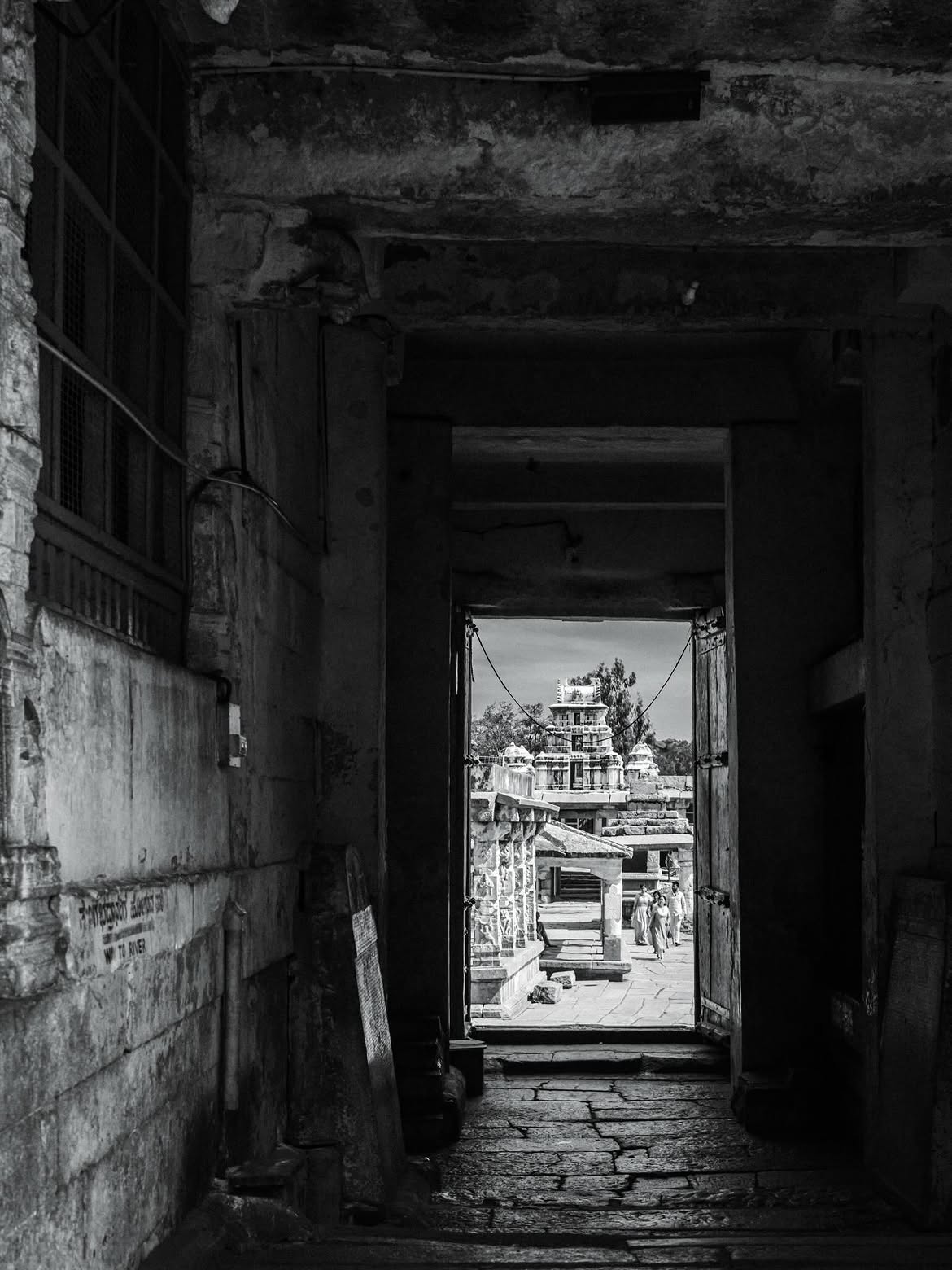
Day 2: Explore the Major Highlights
With two days, you can enjoy Hampi at a much more comfortable pace without feeling rushed.
Royal Enclosure
Discover the Mahanavami Dibba, Stepped Tank and other royal structures that reveal the grandeur of the Vijayanagara Empire.
Lotus Mahal
Admire the beautiful Indo-Islamic architecture of one of Hampi’s most photographed monuments.
Elephant Stables
See the impressive domed chambers that once housed royal elephants.
Hazara Rama Temple
Explore exquisite Ramayana carvings on the temple walls.
Sunset viewpoint
End your day watching Hampi glow golden from one of its famous viewpoints.
(Also Read: Holy Rameswaram : The Island City )
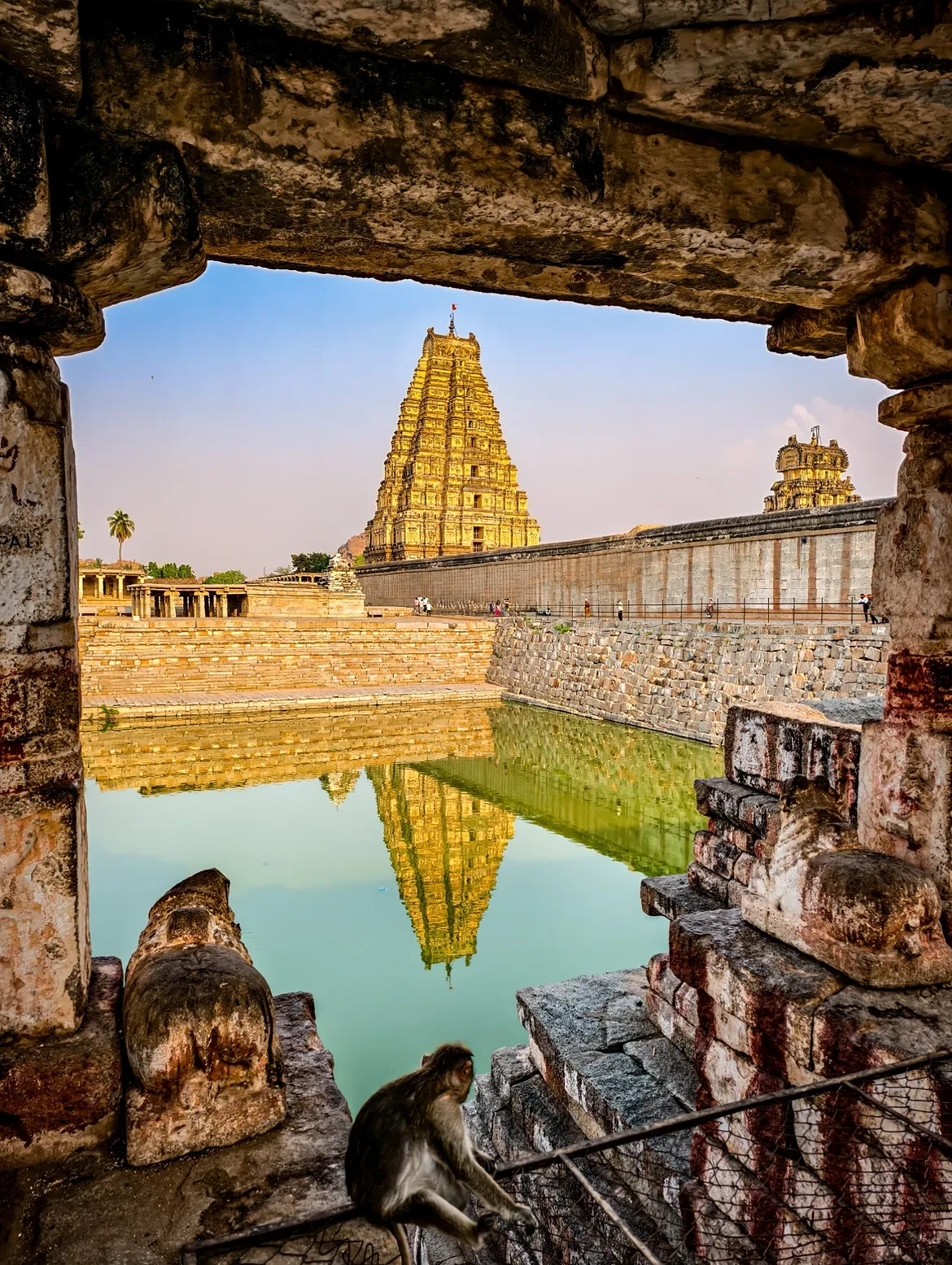
Day 3: Best Option for Most Travellers
Three days give you enough time to experience both Hampi’s famous monuments and its relaxed atmosphere.
Main temples
Revisit or explore temples you may have missed, including Virupaksha, Achyutaraya and nearby shrines.
Matanga Hill
Climb one of Hampi’s most famous viewpoints for breathtaking panoramic views.
Sunset points
Watch the sun dip behind the granite boulders from Hemakuta Hill or another scenic viewpoint.
Anegundi
Cross over to the peaceful village of Anegundi to experience rural Karnataka, ancient temples and Anjanadri Hill.
Tungabhadra River
Relax by the river, enjoy the peaceful surroundings and soak in Hampi’s unique atmosphere.
Local food and relaxed exploration
Try authentic Karnataka dishes like dosa, ragi mudde and South Indian thali while wandering through Hampi’s cafés and quiet village lanes.
Recommendation: If it’s your first visit, choose the 3-day itinerary. It gives you enough time to explore Hampi’s UNESCO-listed ruins, enjoy unforgettable sunrises and sunsets, experience local food and discover hidden corners without feeling exhausted.
(Also Read: Top 12 Famous Tourist Places In Jaipur )
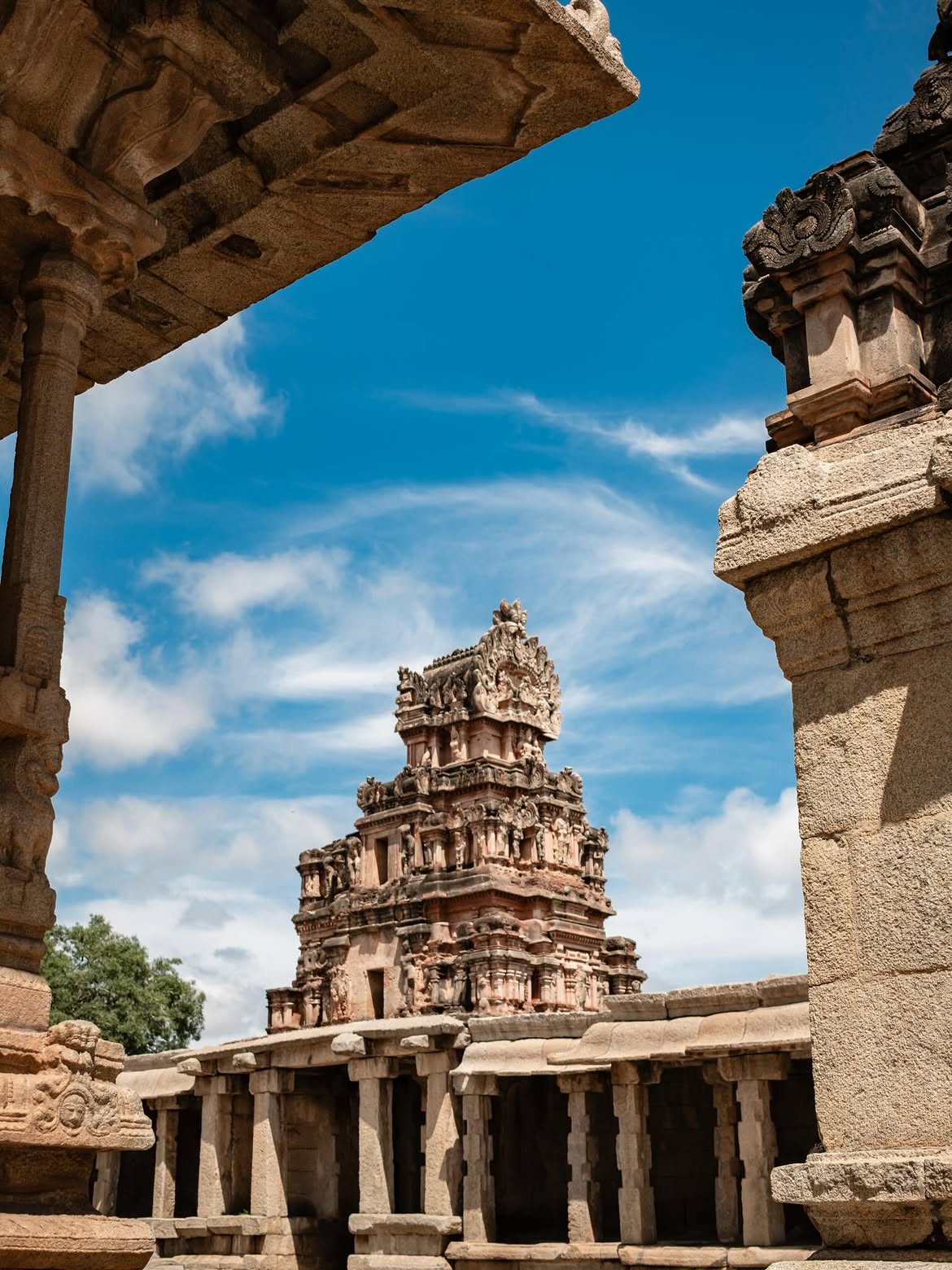
Hampi Trip Cost: Complete Budget
Here is a realistic budget for a 2-night/3-day Hampi trip, excluding your journey from your home city to Hampi.
Budget Traveller
| Expense | Approx. Cost |
|---|---|
| Stay for 2 nights | ₹1,200–₹2,400 |
| Food | ₹700–₹1,200 |
| Local transport | ₹500–₹1,000 |
| Entry fees | ₹40–₹600 depending on sites/ticket category |
| Miscellaneous | ₹300–₹500 |
| Total | ₹2,740–₹5,700 |
A solo backpacker who chooses inexpensive accommodation, local food and walking/cycling can stay near the lower end.
Comfortable Trip
For two people sharing a room:
₹5,000–₹10,000+ per person for 3 days is a reasonable planning range, excluding the cost of reaching Hampi.
Your actual cost depends heavily on hotel category and whether you hire a private vehicle.
Hampi Entry Fees:
One of the nice things about Hampi is that many temples and outdoor areas can be explored without a separate entry ticket.
However, some protected archaeological monuments have admission charges.
Karnataka Tourism currently lists the Vijaya Vittala Temple/related ASI monument admission at approximately ₹40 for Indian visitors and ₹600 for foreign visitors, subject to change.
(Also Read: Top 11 Beautiful Tourist Places In Mysore )
Hampi Travel Tips That I Wish I Knew Before Visiting
1. Start early
This is probably my biggest recommendation. Hampi becomes much more enjoyable before the heat and crowds arrive.
2. Carry more water than you think you need
Large sections of the ruins have limited shade. Keep a reusable bottle and refill where safe drinking-water facilities are available.
3. Wear proper shoes
Hampi is not a flip-flop destination if you plan to climb hills. Some paths are uneven, rocky and slippery.
4. Carry cash
Small restaurants, transport providers, vendors and local services may prefer cash. Don’t depend entirely on cards or digital payments.
5. Don’t rush the monuments
The temptation is to photograph everything and move on. Instead, sit down occasionally. Look at the carvings. Watch how the sunlight changes the stone. That’s when Hampi becomes memorable.
6. Protect yourself from the sun
Carry:
- Sunscreen
- Hat/cap
- Sunglasses
- Water
- Light cotton clothing
- Electrolytes
7. Don’t climb unstable boulders
Hampi’s boulders are beautiful but not all are safe to climb. Avoid risky Instagram shots.
8. Respect active temples
Virupaksha Temple is a living religious site, not simply an archaeological monument. Dress respectfully and follow temple rules.
9. Don’t depend on the ferry without checking
If you’re planning to cross the Tungabhadra, confirm the service locally on the same day. River conditions can affect operations.
(Also Read: Top 10 Famous Tourist Places In Ernakulam )
Final Thoughts: Is Hampi Worth Visiting?
After travelling through Hampi, what stayed with me wasn’t just one temple or monument.
It was the landscape.
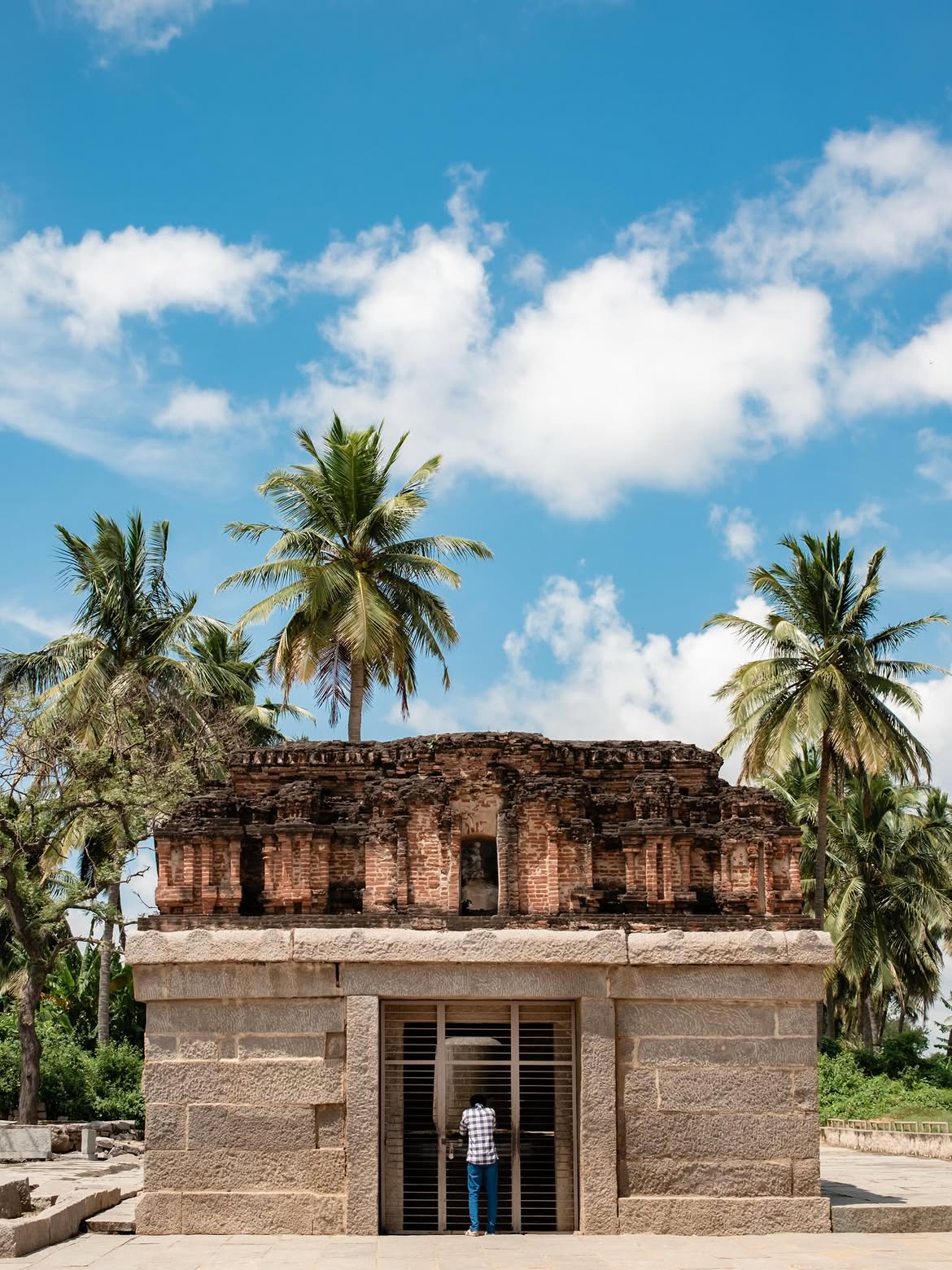
There is something special about watching the first light hit an ancient temple while enormous granite boulders rise behind it. There is something equally memorable about sitting beside the Tungabhadra after a long day of walking and realising how much history has passed through this landscape.
Hampi is not a destination that should be rushed.
Come for the Virupaksha Temple and Stone Chariot, but stay for the sunsets, rocky trails, village life, food, river and the feeling of walking through what was once one of India’s great imperial cities.
If this is your first visit, plan at least two full days; three days is better. Stay close to the ruins if you want convenience, or choose Hosapete if hotel comfort matters more. Start sightseeing early, carry plenty of water, use local transport when necessary and leave some time to simply wander.
That, in my opinion, is the best way to experience Hampi.
FAQs:
Q. How many days are enough for Hampi?
A. Two days are enough for the major highlights, but 3 days is ideal if you want to explore at a comfortable pace. Karnataka Tourism also recommends approximately 2–3 days.
Q. What is the best time to visit Hampi?
A. October to February is the safest recommendation for comfortable sightseeing, although October–March is generally considered a good season.
Q. Is Hampi expensive?
A. No. Hampi can be explored on a relatively small budget, especially if you use budget accommodation, local restaurants and bicycles or autos.
Q. What is the nearest railway station to Hampi?
A. Hosapete Junction is the nearest major railway station, roughly 13–15 km from Hampi.
Q. Is Hampi worth visiting?
A. Absolutely. Hampi combines UNESCO-listed heritage, temples, dramatic boulder landscapes, river scenery and excellent opportunities for photography.
Q. What food is famous in Hampi?
A. Try South Indian staples such as dosa, idli, vada, thali, sambar and rasam, along with Karnataka dishes such as ragi mudde and jowar roti when available.
Q. Is one day enough for Hampi?
A. You can see the highlights in one day, but I wouldn’t recommend it. Two to three days gives you a much better experience.
Q. Can I visit Hampi during monsoon?
A. Yes, but plan carefully. Rain, slippery paths and changing river conditions can affect sightseeing and crossings.
Q. What is Hampi famous for?
A. Hampi is famous for the ruins of the Vijayanagara Empire, Virupaksha Temple, Vijaya Vittala Temple, Stone Chariot, Lotus Mahal, Royal Enclosure and its spectacular granite boulder landscape.