

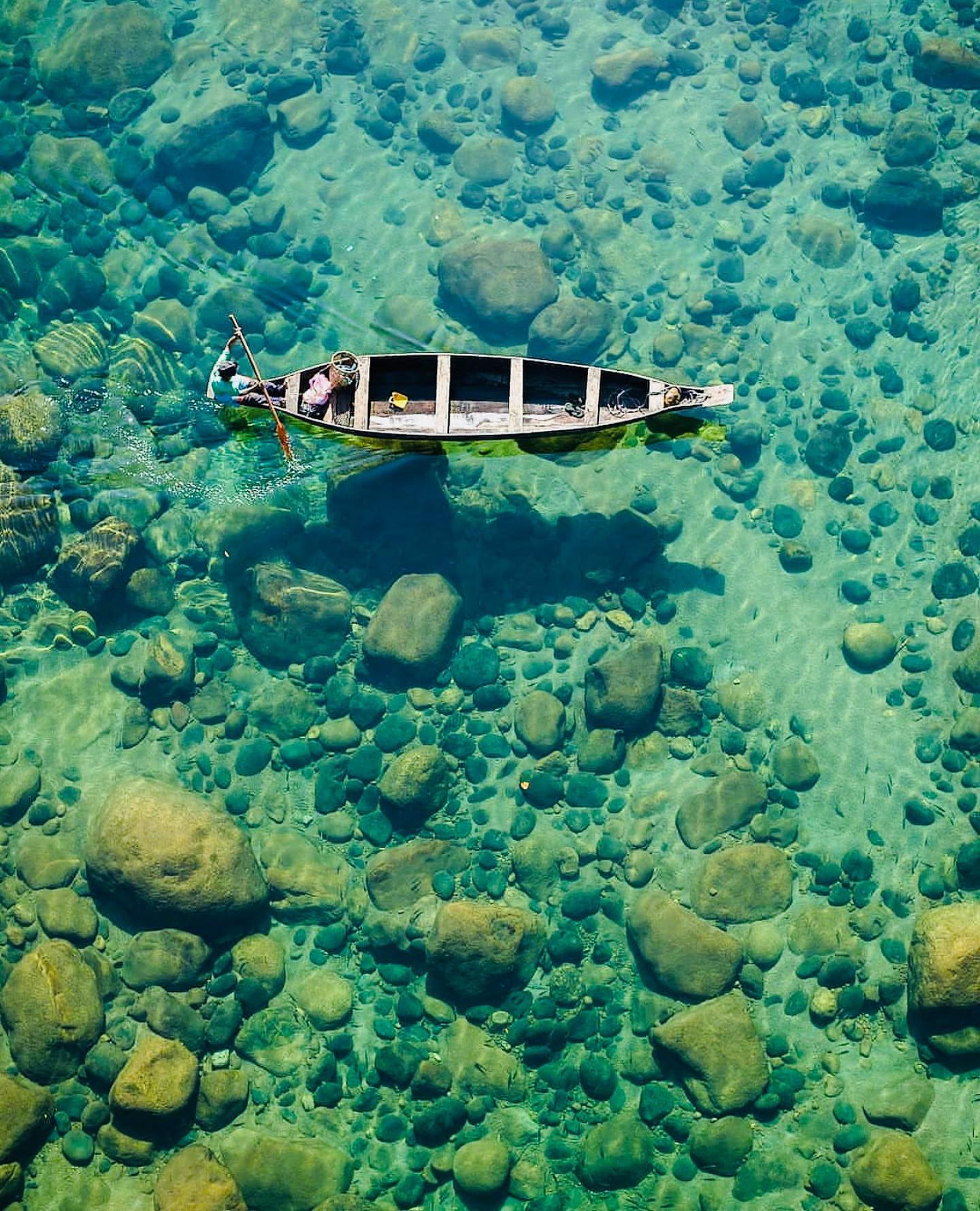

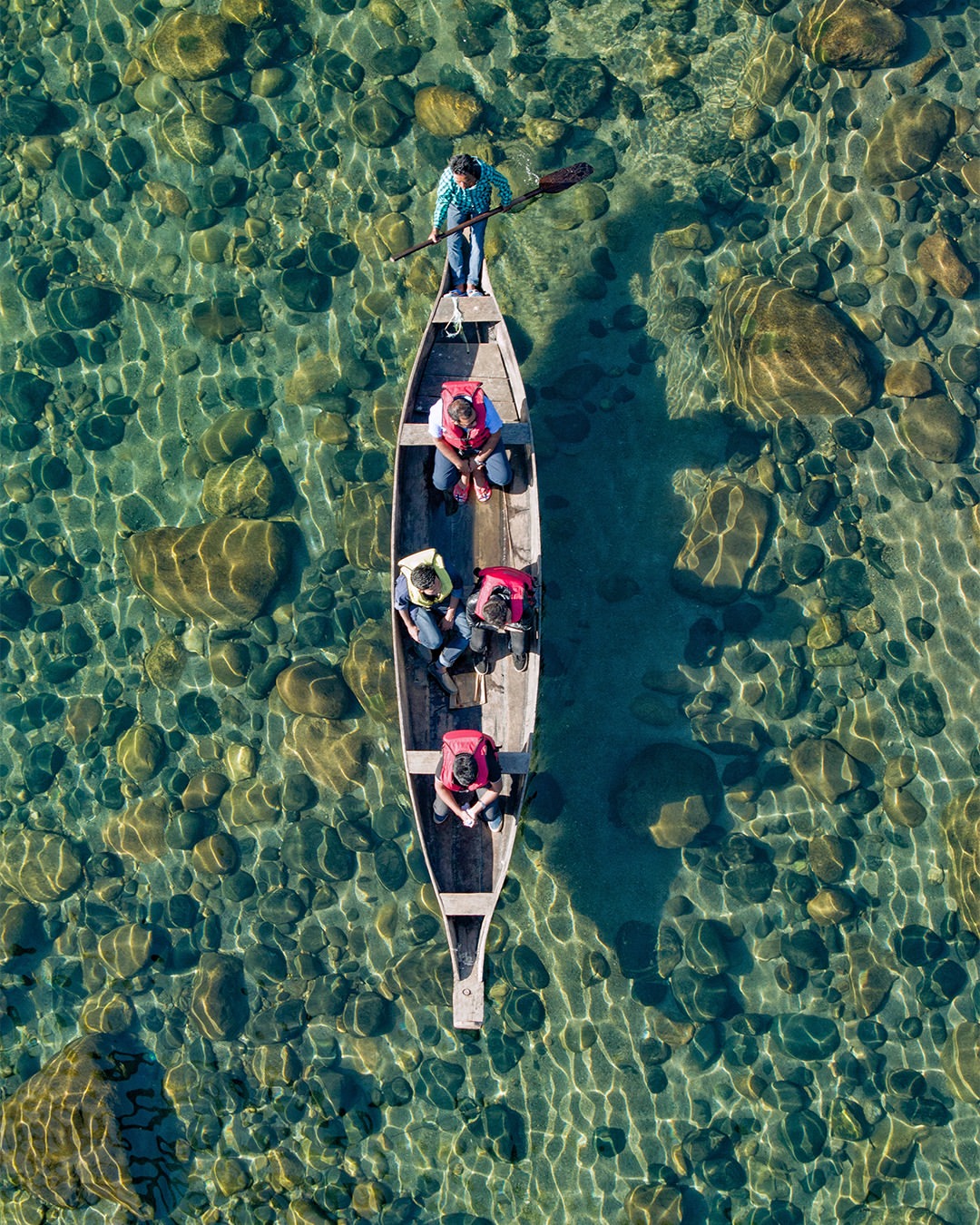
Imagine sitting in a wooden boat, floating over water so transparent that you can see the riverbed beneath you. The boat appears to be suspended in the air, surrounded by green hills, dramatic cliffs and the peaceful landscape of Meghalaya. It almost feels unreal!
Welcome to Dawki, one of the most beautiful destinations in Meghalaya and a must-visit place for anyone who loves nature, road trips, photography and offbeat adventures.
Located in the West Jaintia Hills region near the India–Bangladesh border, Dawki is famous for the spectacular Umngot River, particularly its crystal-clear water. However, there is much more to explore here than just a boat ride. From riverside camping at Shnongpdeng and swimming in natural pools to exploring border villages, waterfalls and scenic mountain roads, Dawki offers an unforgettable experience.
Whether you are planning a weekend trip from Shillong, a Meghalaya road trip or a longer holiday covering Cherrapunji, Mawlynnong and Dawki, this travel guide will help you plan everything.
In this detailed Dawki travel guide, I will cover how to reach Dawki, the best time to visit, boat ride prices, local transport, accommodation, food, adventure activities, hidden places, travel costs and practical tips to make your journey easier.
Contents
Where Is Dawki Located?
Dawki is a small border town in Meghalaya, northeastern India. It is situated in the West Jaintia Hills district, close to the India–Bangladesh international border.
The town is particularly known for the Umngot River, which flows through the surrounding hills and eventually enters Bangladesh.
Dawki is approximately:
| Destination | Approximate distance |
|---|---|
| Shillong | 80–85 km |
| Guwahati | 170–190 km |
| Cherrapunji (Sohra) | 80–90 km |
| Mawlynnong | 30–35 km |
| Shnongpdeng | 8–10 km |
| Jowai | 55–65 km |
Dawki is also an important trade and border-crossing point between India and Bangladesh. The Dawki–Tamabil border connects Meghalaya with the Sylhet region of Bangladesh.
(Also Read: Mount Abu: A Cold Breeze In Hot Desert )

Best Time to Visit Dawki
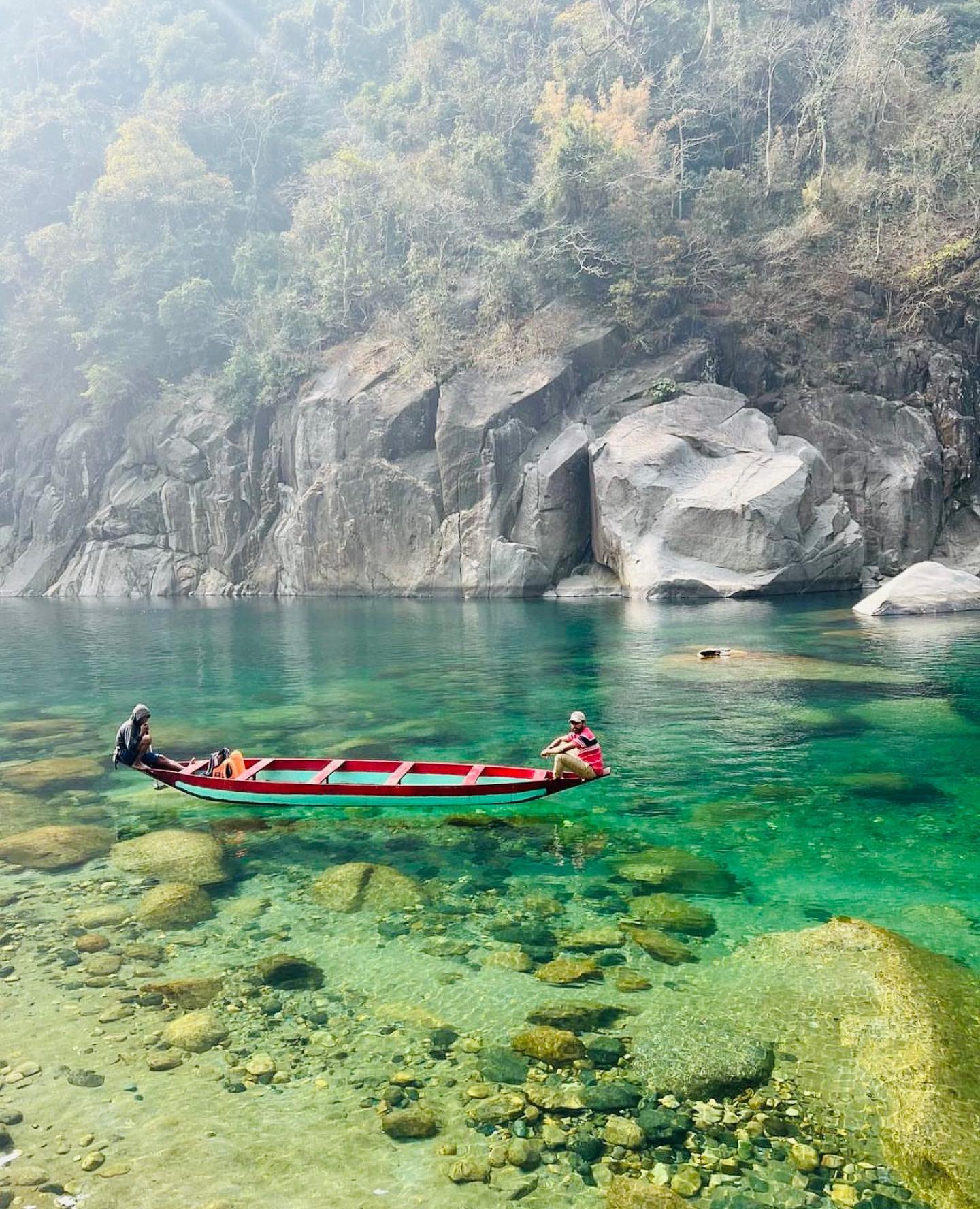
The best time to visit Dawki is generally between October and April, when the weather is relatively pleasant and the river is more likely to appear clear.
However, the appearance of the Umngot River depends on rainfall, water flow, sediment and weather conditions. Even during the winter months, the water is not guaranteed to look perfectly transparent every day.
Season-wise guide to visiting Dawki
| Season | Months | What to expect |
|---|---|---|
| Winter | November–February | Pleasant weather, generally clearer water and excellent sightseeing conditions |
| Spring | March–April | Comfortable temperatures, outdoor activities and scenic landscapes |
| Summer | May–June | Warmer weather, occasional rain and changing river conditions |
| Monsoon | July–September | Heavy rainfall, lush green surroundings, higher water levels and possible activity restrictions |
| Post-monsoon | October | Beautiful greenery, improving weather and gradually settling river conditions |


How to Reach Dawki, Meghalaya
Reaching Dawki is an adventure in itself. The roads pass through beautiful Khasi and Jaintia hills, small villages, green valleys and viewpoints. If you enjoy road trips, keep your camera ready because the journey is as memorable as the destination.
Dawki does not have its own airport or railway station. The most convenient way to reach it is through Shillong or Guwahati.
A. By Air
The nearest major airport is Lokpriya Gopinath Bordoloi International Airport (GAU), Guwahati.
- Airport: Guwahati International Airport
- Distance to Dawki: Approximately 200–210 km
- Travel time: Around 5–7 hours, depending on traffic and road conditions.
Another option is Shillong Airport at Umroi, but it has limited flight connectivity and is not as convenient as Guwahati.
From Guwahati Airport to Dawki:
- Take a taxi from Guwahati Airport to Shillong.
- Reach Shillong’s Police Bazaar or your hotel.
- Arrange a private cab or shared transport towards Dawki.
- If possible, spend a night in Shillong before starting your Dawki journey early the next morning.
Approximate costs:
| Transport | Estimated cost |
|---|---|
| Guwahati Airport to Shillong shared transport | ₹300–₹600/person |
| Guwahati to Shillong private taxi | ₹2,500–₹4,000 |
| Shillong to Dawki private taxi | ₹3,500–₹5,500 for a day trip |
| Guwahati to Dawki direct private taxi | ₹5,000–₹8,000+ |
These are indicative planning budgets, not fixed fares. Vehicle type, season, waiting time and sightseeing stops affect the final price.
B. By Train
- The nearest major railway station is Guwahati Railway Station.
- Guwahati has good rail connectivity with Kolkata, Delhi, Mumbai and several other Indian cities.
- After reaching Guwahati Railway Station:
- Take a taxi or shared cab towards Shillong.
- Reach Shillong and arrange onward transport to Dawki.
- If travelling with luggage, a reserved vehicle is more convenient.
- Approximate distance from Guwahati Railway Station to Dawki is 170–190 km, depending on the route.
C. By Road
Road travel is the most convenient way to explore Dawki.
From Shillong to Dawki
- Distance: Approximately 80–85 km.
- Travel time: 2.5–3.5 hours.
- Route: Shillong → Pynursla → Dawki.
The route is scenic, with rolling hills, forested stretches, small settlements and beautiful valley views.
From Guwahati to Dawki
- Distance: Approximately 170–210 km, depending on the route.
- Travel time: Around 5–7 hours.
- Route: Guwahati → Shillong → Pynursla → Dawki.
The journey can take longer during weekends, holidays and periods of road construction.
D. By Shared Taxi or Local Transport
If you are travelling on a budget, shared taxis are worth considering.
- You can find shared vehicles from Shillong towards Dawki or nearby Jaintia Hills destinations. Ask at the Police Bazaar taxi stands or local transport counters about the current route and departure.
- A few things to remember:
- Shared taxis generally operate according to passenger demand.
- They may not take you directly to every sightseeing location.
- You might need to change vehicles along the way.
- They are less convenient if you want to visit Mawlynnong, Riwai and Shnongpdeng on the same day.
- Confirm the last return vehicle before leaving Shillong.
Meghalaya Tourism also lists a conducted Shillong–Dawki day-trip service. Check its current operating schedule and booking availability before relying on it.
Which transport option should you choose?
| Traveller type | Recommended transport |
|---|---|
| Solo budget traveller | Shared taxi |
| Couple | Reserved sedan or shared taxi |
| Family | Private SUV |
| Group of 4–6 | Reserved SUV or larger vehicle |
| Adventure traveller | Private cab with an overnight Shnongpdeng stay |
| Photographer | Private cab for early-morning access |
My travel tip: If you are travelling from Shillong, hire a vehicle for the entire Dawki–Mawlynnong–Riwai circuit rather than booking separate taxis at every stop. It saves time and makes the journey much more comfortable.
(Also Read: 5 Famous Hill Stations in Andhra Pradesh )
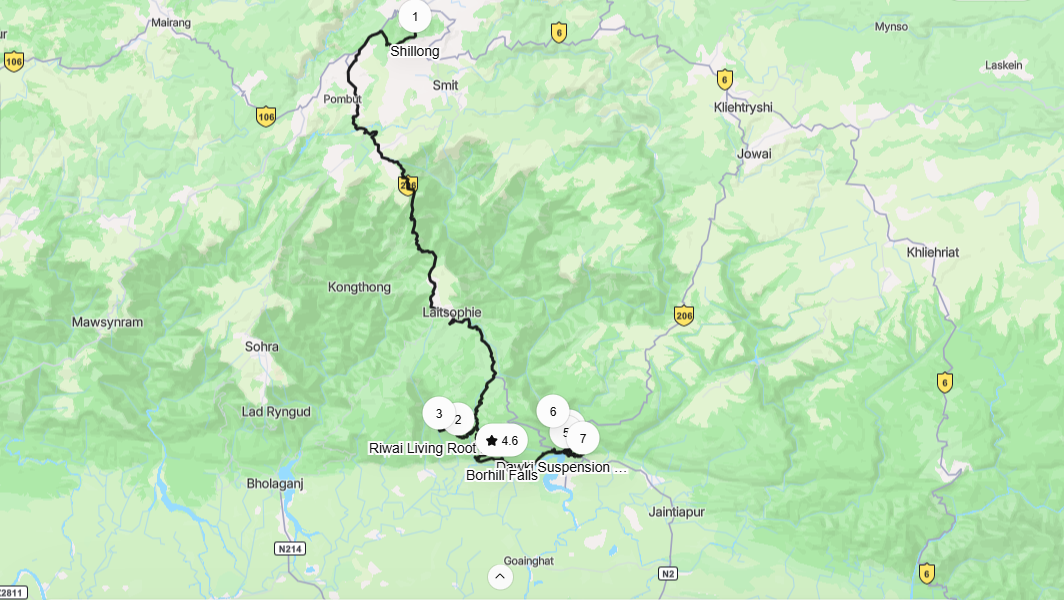
Map of Dawki and Nearby Attractions
The following map will help you understand the locations of Dawki, Shnongpdeng and the nearby attractions. It is particularly useful when planning your route from Shillong.

Top Places to Visit in Dawki and Nearby Areas
Dawki is not a destination where you should simply arrive, take one boat ride and leave. The surrounding region has several interesting places that deserve your time.
Here are the places I would recommend adding to your Meghalaya itinerary.

Umngot River – The Main Attraction of Dawki
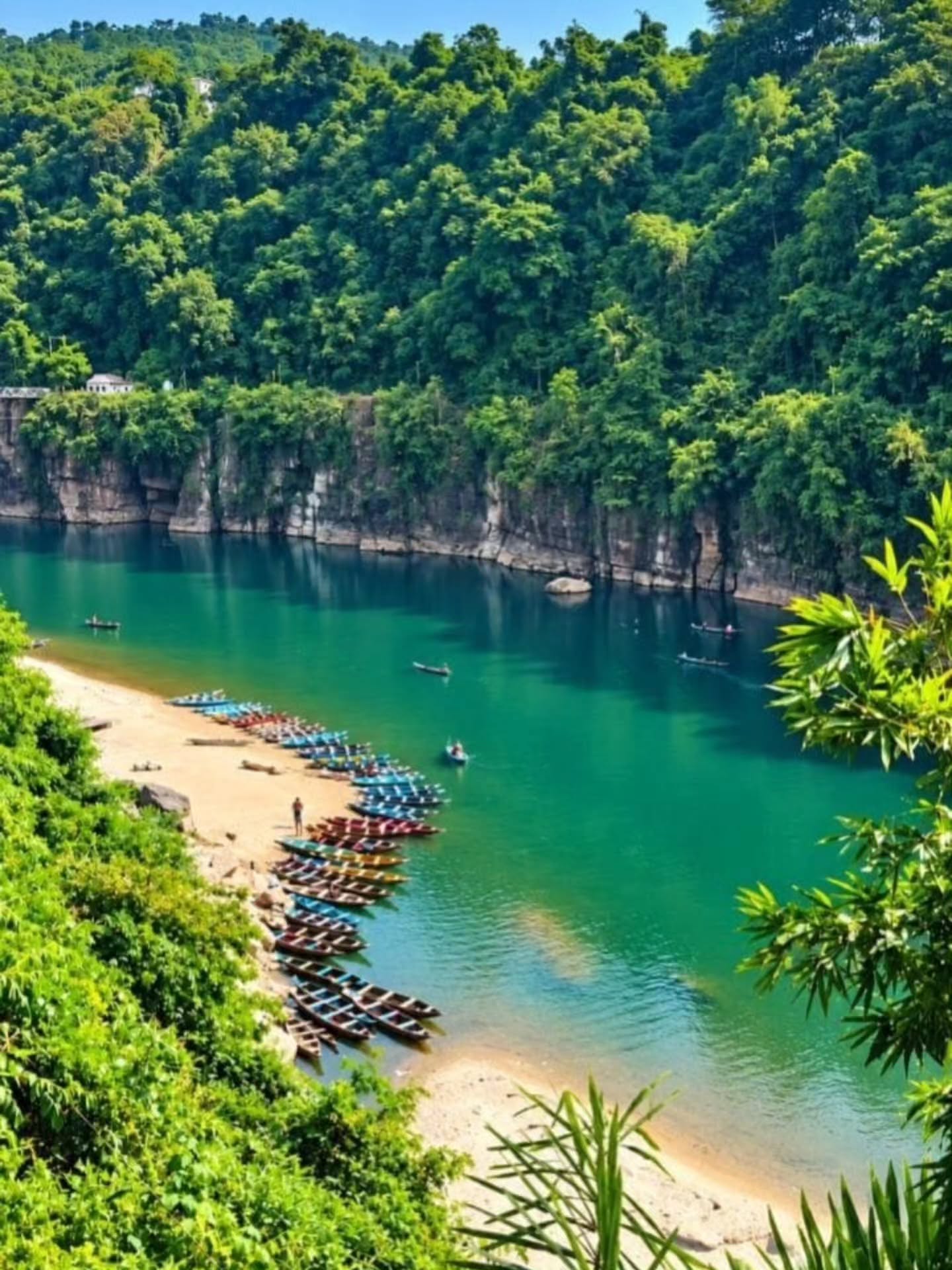
The Umngot River is the reason Dawki became famous among travellers.
The river flows through a beautiful landscape surrounded by green hills and rocky riverbanks. During favourable dry-season conditions, its water becomes remarkably transparent, creating the illusion that wooden boats are floating in the air.
The experience is particularly beautiful in the early morning when the water is relatively calm and the surroundings are peaceful.
Things to do at Umngot River:
- Enjoy a traditional wooden boat ride.
- Capture photographs of boats floating over the visible riverbed.
- Admire the surrounding hills.
- Watch local boatmen navigate the river.
- Relax beside the river and enjoy the natural surroundings.
Boat ride cost in Dawki:
| Type of boat ride | Approximate price |
|---|---|
| Short ride (30 minutes) | ₹500–₹800 per boat |
| Longer ride (45–60 minutes) | ₹800–₹1,200 per boat |
| Per-person cost for a group of 4 | ₹125–₹300 approximately |
These are indicative prices reported by local travel guides. The fare depends on the duration, season, demand and boating point. Confirm the total boat fare before boarding.
Where to get a boat?
You can find local boatmen at the main Umngot River boating area near Dawki Suspension Bridge.
There is generally no need to book a regular sightseeing boat ride online. Walk down to the riverbank, speak to the boatmen and confirm the fare.
Best time for boating: Early morning, preferably between 7 AM and 9 AM.
One important thing: The river is not guaranteed to be crystal-clear throughout the year. Rainfall, water levels and sediment can change its appearance. Recent road construction-related soil runoff has also affected water clarity on some days, so check local conditions before travelling specifically for the famous floating-boat photographs.
Shnongpdeng – The Adventure Hub Near Dawki
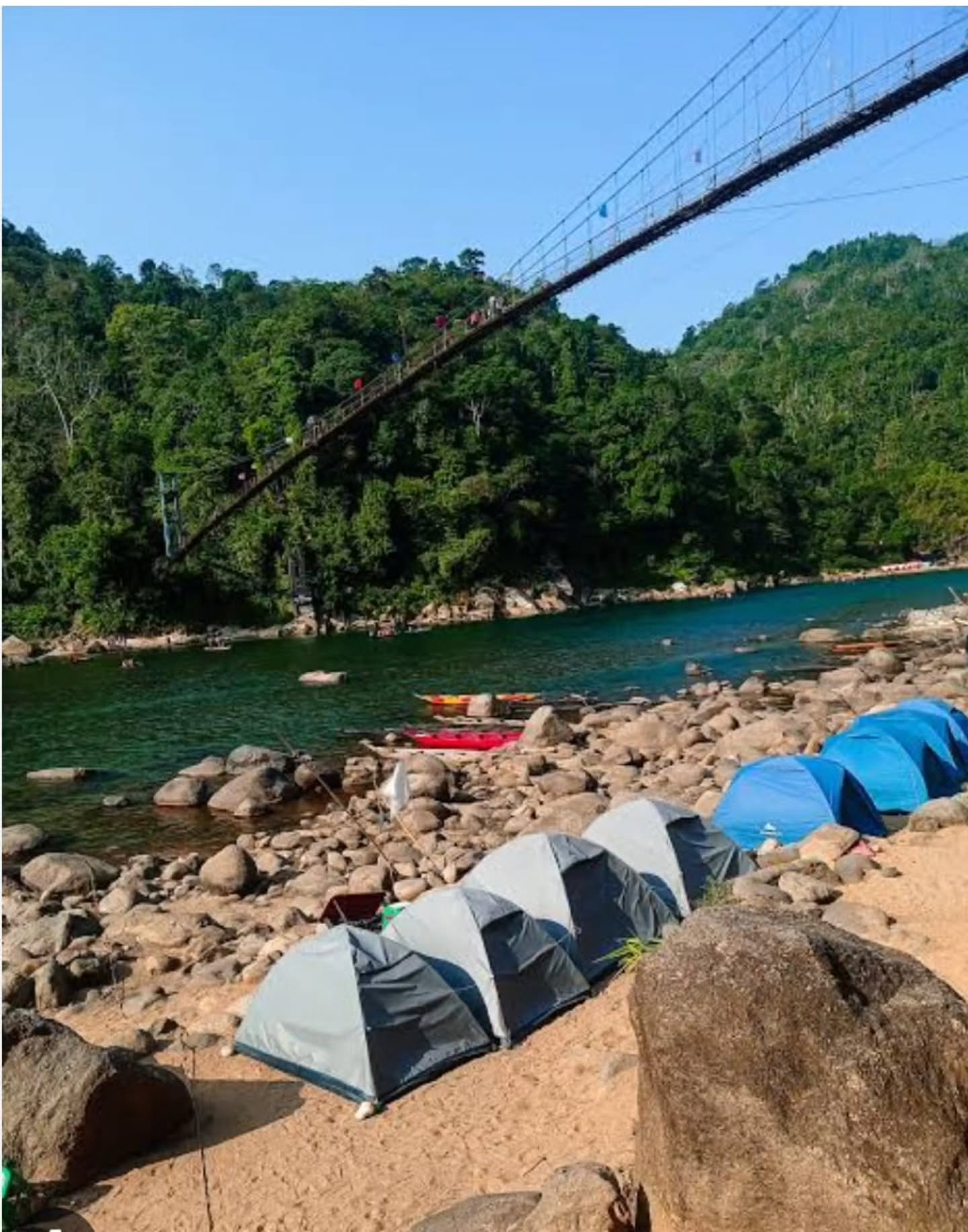

If you ask me which place deserves more time than Dawki itself, my answer would be Shnongpdeng.
Located approximately 8–10 km from Dawki, Shnongpdeng is a beautiful riverside village famous for camping and adventure activities.
Unlike the busy main Dawki boating point, Shnongpdeng offers a more relaxed atmosphere, especially if you stay overnight.
Things to do in Shnongpdeng:
- Kayaking on the Umngot River.
- Snorkelling in designated areas.
- River swimming where permitted.
- Cliff jumping at authorised spots.
- Ziplining, subject to availability.
- Riverside camping.
- Photography and stargazing.
- Enjoying a bonfire at your campsite.
Adventure activity prices in Shnongpdeng
| Activity | Approximate cost per person |
|---|---|
| Kayaking | ₹300–₹700 |
| Snorkelling | ₹300–₹700 |
| Cliff jumping | ₹200–₹500 |
| Riverside boat ride | ₹200–₹500 or more |
| Ziplining | ₹300–₹700 |
| Camping with basic bedding | ₹400–₹800 |
| Camping with meals | ₹1,200–₹1,500 |
Prices are indicative and vary between camps and operators. Activity availability also depends on water levels and safety restrictions.
Is Shnongpdeng worth staying overnight?
Absolutely!
If you have time, I would recommend spending at least one night here. Watching the river during the daytime, enjoying the quiet surroundings in the evening and waking up to the sound of flowing water make the experience special.
Mawlynnong Village
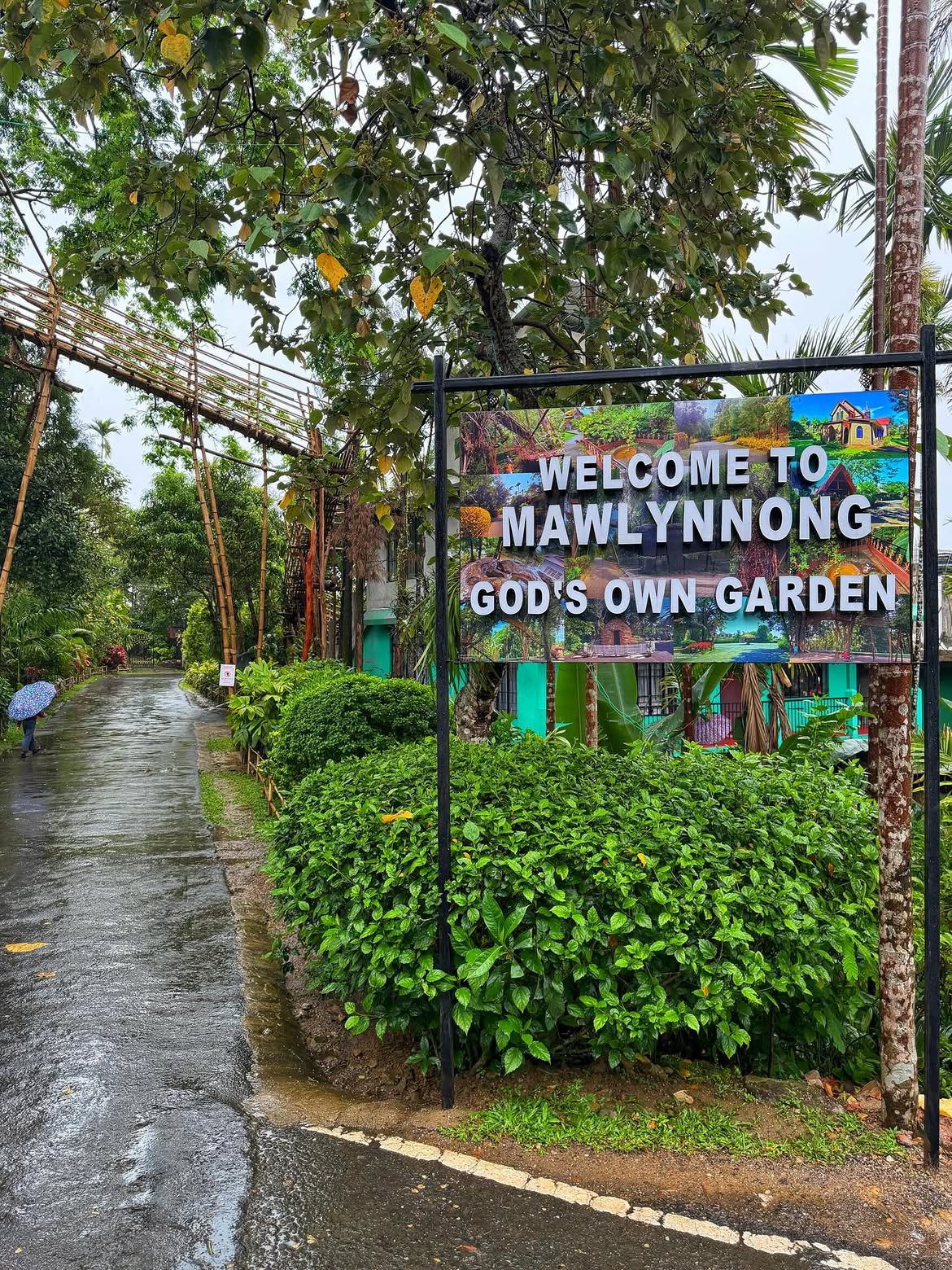
Mawlynnong is a beautiful village in the East Khasi Hills district, famous for its cleanliness and community-led environmental practices.
It is located approximately 30–35 km from Dawki and is an excellent addition to your trip.
Things to explore:
- Beautiful village pathways.
- Traditional Khasi houses.
- Bamboo dustbins and community cleanliness initiatives.
- Local handicraft shops.
- Village viewpoints.
- Traditional food stalls.
Mawlynnong offers a completely different experience from Dawki. While Dawki is about rivers and adventure, Mawlynnong allows you to understand village life and the local community.
Travel tip: Do not rush through the village. Walk slowly, interact respectfully with local residents and explore the smaller lanes.
Riwai Living Root Bridge

Located close to Mawlynnong, the Riwai Living Root Bridge is one of Meghalaya’s most fascinating natural attractions.
Unlike ordinary bridges made from concrete or steel, these bridges are formed by carefully guiding the aerial roots of rubber fig trees across streams.
Over many years, the roots grow stronger and develop into functional natural bridges.
You may need to walk down steps and uneven paths to reach the bridge, so wear comfortable shoes.
Dawki–Tamabil India–Bangladesh Border

Dawki is an important border town connecting India and Bangladesh.
The Dawki–Tamabil crossing is an interesting place to understand the region’s geographical and commercial importance.
You can see the border area from designated public viewpoints, subject to local security restrictions.
Important: You cannot simply cross into Bangladesh from Dawki. International travel requires valid travel documents, the appropriate visa and immigration clearance. Follow instructions from border personnel and do not photograph restricted security installations without permission.
Borhill Falls
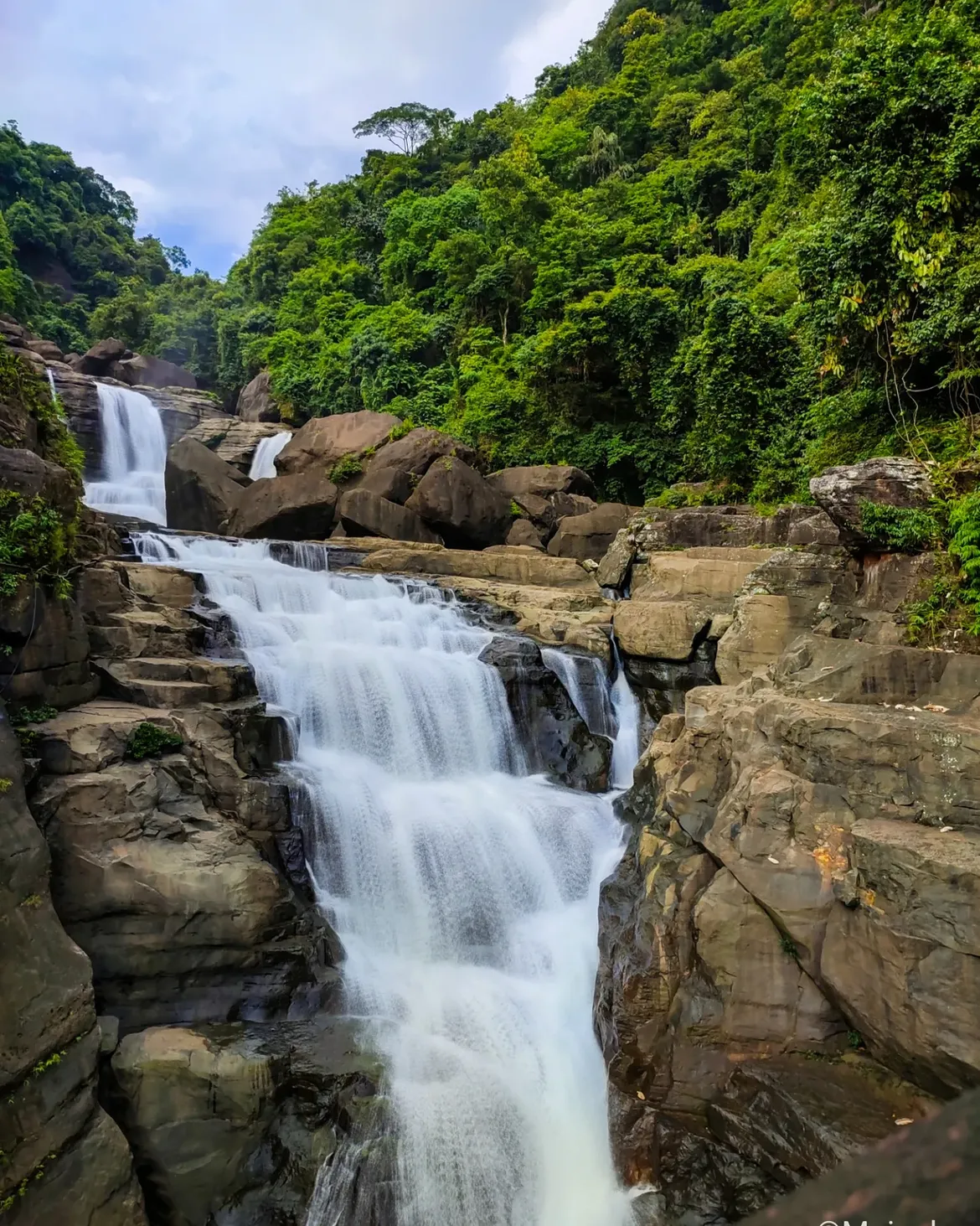
For travellers who enjoy exploring lesser-known places, Borhill Falls is worth asking about locally.
It is a waterfall attraction in the Dawki region, offering a quieter alternative to some of Meghalaya’s more famous tourist spots.
Depending on the season, the waterfall can look particularly beautiful after rainfall.
The waterfall’s appearance and accessibility depend on rainfall and local road conditions. Ask a local driver or guide about the current access route before planning a visit.
Darrang – A Quieter Riverside Experience

Darrang is another riverside area worth exploring around Dawki.
It offers a more peaceful alternative to the main boating area and Shnongpdeng’s busier camping stretches.
If you enjoy photography, quiet riverbanks and exploring lesser-known villages, ask your driver about accessible spots around Darrang.
This is the kind of place I would recommend to travellers who prefer slow travel over ticking off popular attractions.
Krang Suri Falls – A Beautiful Detour

If you have an extra day, consider visiting Krang Suri Falls.
It is famous for its striking blue water, rocky surroundings and beautiful waterfall views.
Unlike Dawki’s river experience, Krang Suri gives you a completely different perspective of Meghalaya’s natural beauty.
It is not a quick stop immediately beside Dawki, so plan it as a separate excursion or a route through the Jaintia Hills.
My offbeat suggestion: Instead of squeezing Krang Suri into an already packed Dawki day trip, stay overnight in the region and explore the waterfall the following day.
(Also Read: 9 Famous Tourist Places in Munnar )
Dawki Boat Ride: Complete Guide and Important Tips
A Dawki trip feels incomplete without experiencing a boat ride on the Umngot River.
However, there are a few things you should know before paying for the experience.
The main boarding point is near the Dawki Suspension Bridge. You will find local boatmen waiting near the riverbank. They generally offer different ride durations depending on demand and water conditions.
I recommend keeping around 45 minutes to one hour for the complete boating experience, including waiting and photography.
Is the boat ride safe?
Generally, local boat rides are a popular tourist activity. However, always:
- Wear the life jacket provided.
- Follow the boatman’s instructions.
- Avoid standing suddenly in the boat.
- Keep electronic devices secure.
- Avoid boating during unsafe weather or high-water conditions.
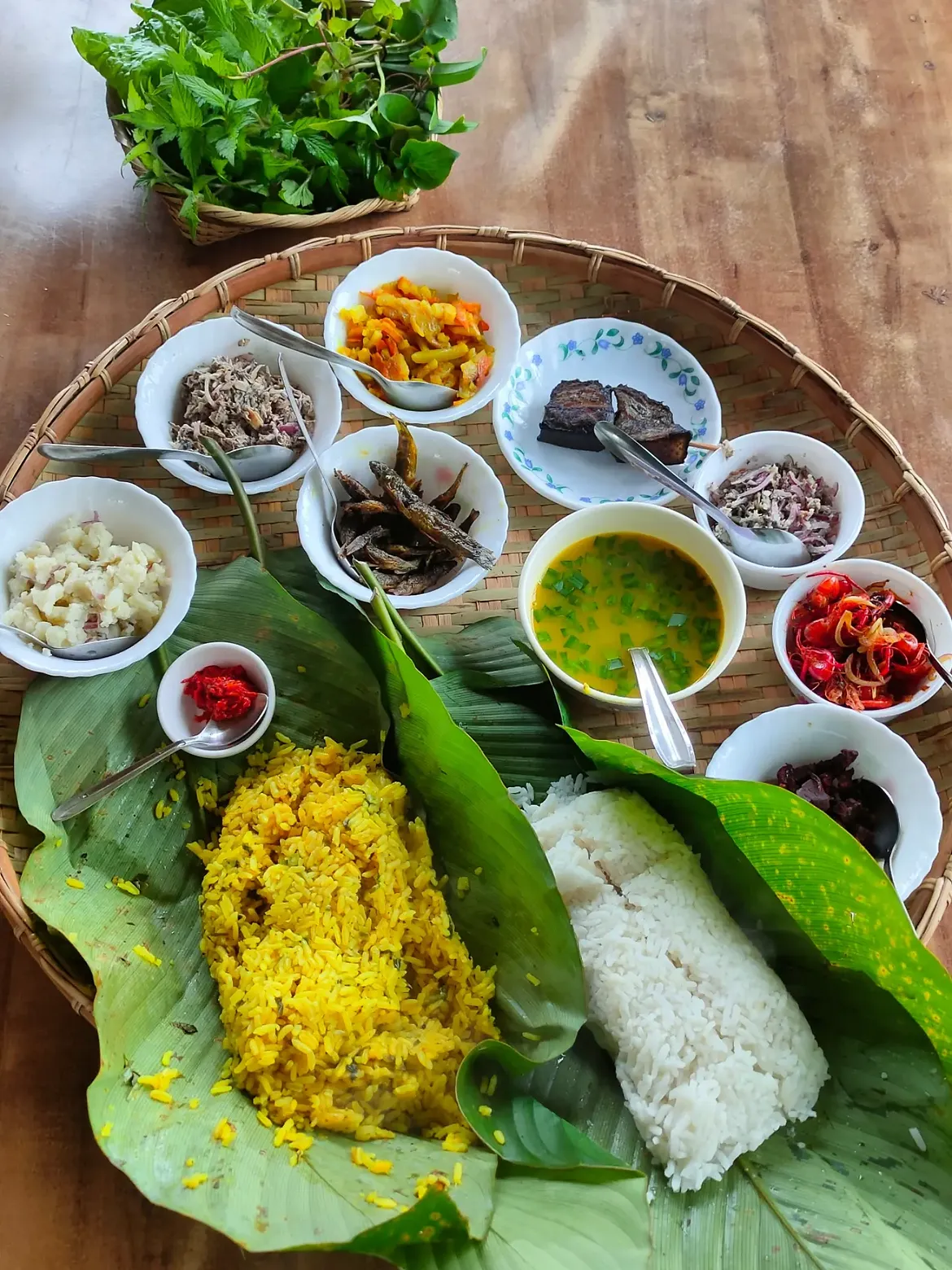
What to Eat in Dawki? Local Food and Meghalaya Specialities
Food is an important part of travelling, and Meghalaya has a distinctive culinary culture.
Dawki is a relatively small town, so do not expect the restaurant variety of Shillong. You will mostly find small local eateries, simple thali restaurants, roadside stalls and meals served at homestays and campsites.
If you want to experience the local flavours, try these dishes.
1. Jadoh
Jadoh is one of the best-known Khasi dishes.
It is a rice preparation traditionally cooked with meat, particularly pork, and local spices. It is flavourful, filling and worth trying if you enjoy regional cuisine.
2. Dohneiiong
This is a traditional Khasi pork preparation made with black sesame seeds.
It has a distinctive flavour and is a wonderful example of local Meghalaya cooking.
3. Tungrymbai
Tungrymbai is a traditional fermented soybean preparation, often cooked with local ingredients and spices.
It has a strong, distinctive taste, so it may not appeal to everyone, but adventurous food lovers should give it a try.
4. Doh Khleh
Doh Khleh is a traditional Khasi pork salad, usually prepared with onions, chillies and other ingredients.
It is a good option for people interested in trying authentic local Khasi cuisine.
5. Pukhlein
Pukhlein is a traditional Khasi sweet snack made using rice flour and jaggery.
It is a nice option if you want to try something sweet after a meal.
6. Grilled Fish
Freshwater fish preparations are popular in parts of Meghalaya. If available, try locally prepared grilled or cooked fish at a village restaurant or homestay.
7. Momos and Noodles
You will find steamed momos, fried momos, spicy noodles, and chowmein at small local restaurants and roadside stalls, particularly around Dawki town and the market area. Chicken and vegetarian momos are commonly available, usually served with spicy red chutney.
A useful food tip: Eat a proper breakfast in Shillong before leaving. Carry some snacks and drinking water, especially if you are planning to spend the entire day exploring villages and waterfalls.
(Also Read: Top 10 Most Beautiful Goa Tourist Places To Visit )

Shopping in Dawki: What Can You Buy?
Dawki is not a major shopping destination, but you can explore its small local market for everyday items and regional products.
Things to look for include:
- Local fruits, especially seasonal produce.
- Honey from the region.
- Bamboo and cane handicrafts.
- Small handmade souvenirs.
- Local snacks.
- Simple household and travel essentials.
You can also explore the shops in Mawlynnong for bamboo handicrafts and locally made products.
One interesting thing about Dawki is its proximity to Bangladesh. The local market sometimes has products associated with cross-border trade, but do not assume that all goods are available for tourists to take across the border. Follow customs regulations.

Offbeat Things to Do in Dawki Beyond the Usual Tourist Activities
If you are someone who enjoys exploring beyond the popular tourist attractions, Dawki has several experiences worth adding to your trip.
Wake Up Early and Watch the River
Most tourists arrive around mid-morning. Try waking up early if you are staying in Shnongpdeng.
The quiet atmosphere, soft sunlight and gentle movement of the river create a beautiful experience.
Spend an Evening at a Riverside Campsite
Instead of staying in a hotel, book a tent near the river.
Enjoy a simple dinner, spend time with fellow travellers and appreciate the natural surroundings.
Follow campsite rules and avoid loud music that disturbs the village.
Explore the Smaller Villages
Dawki is surrounded by small settlements where you can observe local life.
Ask a local guide to take you to accessible village areas rather than following random online map pins.
Photograph the River from Different Angles
Do not limit yourself to the popular boating point.
Explore safe, publicly accessible viewpoints around the river and capture the changing colours of the water throughout the day.
Try Local Khasi Food at a Homestay
Restaurant menus can be limited, but a homestay meal may offer a more authentic regional experience.
Ask your host about seasonal dishes and local ingredients.
Spend More Time in the Jaintia Hills
If you have an extra day, explore destinations such as Krang Suri Falls and Phe Phe Falls.
These places offer a different side of Meghalaya and can make your journey more rewarding.
(Also Read: Top 18 Best Places To Visit in Darjeeling )
How Much Does a Dawki Trip Cost?
One of the best things about Dawki is that you can experience it on different budgets. A solo backpacker can explore the area economically, while couples and families can enjoy a more comfortable trip with private transport and riverside accommodation.
Here is an approximate budget to help you plan.
A. One-Day Dawki Trip from Shillong
If you have limited time, this itinerary covers the major attractions.
| Time | Activity |
|---|---|
| 6:30 AM | Leave Shillong |
| 8:30 AM | Breakfast stop on the way |
| 9:30 AM | Explore Mawlynnong |
| 10:30 AM | Visit Riwai Living Root Bridge |
| 12:00 PM | Drive towards Dawki |
| 1:00 PM | Lunch |
| 2:00 PM | Umngot River boat ride |
| 3:00 PM | Explore Dawki Suspension Bridge |
| 3:30 PM | Visit the border area, subject to access |
| 4:00 PM | Start return journey |
| 7:00–8:00 PM | Reach Shillong, depending on road conditions |
This is a busy itinerary. If you want to enjoy boating in the morning, reverse the order and visit Mawlynnong later.
One-Day Dawki Trip Budget
Assuming you are travelling from Shillong:
| Expense | Approximate cost |
|---|---|
| Shared transport (round trip) | ₹500–₹1,000/person |
| Private taxi (shared among group) | ₹900–₹1,400/person |
| Boat ride | ₹150–₹300/person |
| Food and refreshments | ₹300–₹500 |
| Local sightseeing transport | ₹200–₹400 |
| Miscellaneous expenses | ₹200 |
| Estimated total | ₹1,350–₹3,800/person |
The private taxi calculation assumes a group of approximately four people and a vehicle costing ₹3,500–₹5,500.


B. Two-Day Dawki and Shnongpdeng Trip
This is my preferred itinerary because it allows you to enjoy the river without rushing.
Day 1: Shillong – Mawlynnong – Riwai – Dawki – Shnongpdeng
- Start early from Shillong.
- Explore Mawlynnong village.
- Visit the Riwai Living Root Bridge.
- Drive towards Dawki.
- Enjoy the Umngot River boat ride if conditions are favourable.
- Visit the Dawki Suspension Bridge and nearby viewpoints.
- Reach Shnongpdeng in the evening.
- Check into a riverside campsite.
- Enjoy dinner and a peaceful evening.
Day 2: Shnongpdeng – Adventure Activities – Shillong
- Wake up early and enjoy the river.
- Have breakfast at the campsite.
- Try kayaking or other available activities.
- Enjoy a short boat ride.
- Spend some time exploring the village.
- Have lunch.
- Start your return journey to Shillong.
Two-Day Dawki and Shnongpdeng Trip Budget
| Expense | Approximate cost per person |
|---|---|
| Shillong–Dawki transport (shared among group) | ₹900–₹1,400 |
| One-night campsite | ₹400–₹1,500 |
| Boat ride | ₹150–₹300 |
| Adventure activities | ₹500–₹1,000 |
| Food | ₹500–₹800 |
| Local transport | ₹200–₹400 |
| Miscellaneous | ₹200 |
| Estimated total | ₹2,850–₹5,600 |
These estimates exclude your journey to Shillong and back, and any additional accommodation in Shillong.

C. Three-Day Offbeat Meghalaya Trip
If you have three days, you can explore more than just Dawki.
Day 1: Shillong to Mawlynnong and Dawki
- Explore Mawlynnong.
- Visit Riwai Living Root Bridge.
- Enjoy boating at Dawki.
- Explore the border area.
- Stay in Shnongpdeng.
Day 2: Shnongpdeng and Jaintia Hills
- Enjoy morning river activities.
- Explore Shnongpdeng.
- Travel towards the Jaintia Hills.
- Visit Krang Suri Falls, subject to route and timing.
- Stay in the Jowai or nearby area.
Day 3: Explore waterfalls and return
- Visit Phe Phe Falls if accessible and conditions permit.
- Explore the surrounding countryside.
- Return towards Shillong or Guwahati.
This itinerary is more suitable for travellers who enjoy nature, waterfalls and less-crowded destinations.
Three-Day Meghalaya Trip Including Dawki
If you are travelling from Guwahati and want to cover Shillong, Mawlynnong, Dawki and Shnongpdeng, keep a larger budget.
| Expense | Estimated cost per person |
|---|---|
| Guwahati–Shillong transport (round trip) | ₹800–₹1,500 |
| Shillong accommodation (2 nights) | ₹1,500–₹3,000 |
| Shillong–Dawki sightseeing transport | ₹1,000–₹1,500 |
| Shnongpdeng camping | ₹800–₹1,500 |
| Food | ₹1,000–₹1,500 |
| Boating and activities | ₹700–₹1,200 |
| Miscellaneous | ₹500 |
| Estimated total | ₹6,300–₹10,700 |
This is a planning estimate, not a package quotation. Actual costs depend on your group size, vehicle arrangements, accommodation and travel season.
Money-saving tip: Travelling with three or four people makes a big difference because you can divide the cost of a private taxi and boat ride.
(Also Read: 10 Most Beautiful Tourist Places In West Bengal )

Important Dawki Travel Guide Tips Before Visiting Dawki
A little preparation can make your Dawki trip considerably easier.
Here are some practical tips I would recommend.
1. Check the river’s water clarity before travelling.
Do not rely entirely on social media photographs. The water can look different depending on rainfall, sediment and river conditions.
2. Start early.
Early morning is ideal for boating, photography and avoiding crowds.
3. Carry cash.
Small eateries, boatmen, local transport operators and campsites may not accept digital payments.
4. Book accommodation in advance.
Shnongpdeng gets busy during winter weekends, Christmas holidays and New Year.
5. Carry warm clothes.
Evenings and nights can be chilly during winter, especially beside the river.
6. Wear comfortable shoes.
Some waterfalls, viewpoints and root bridges require walking on uneven paths and steps.
7. Do not litter.
Meghalaya’s natural beauty deserves respect. Carry your waste back if bins are unavailable.
8. Follow water safety rules.
Always wear a life jacket during boating and water activities. Never jump into unknown sections of the river.
9. Check road conditions.
Road construction, landslides and rain can affect travel time. Confirm conditions with your driver before departure.
10. Do not expect luxury everywhere.
Dawki and Shnongpdeng are relatively small destinations. Accommodation and restaurant facilities can be basic.
11. Keep some buffer time.
Avoid planning your return journey too tightly, particularly if you have a train or flight from Guwahati.
12. Respect local customs and village life.
Ask permission before photographing residents, homes or private property.
What to Pack for Dawki
- Comfortable walking shoes.
- Warm jacket or sweatshirt.
- Sunglasses and sunscreen.
- Power bank.
- Waterproof phone pouch.
- Extra clothes if participating in water activities.
- Personal medicines and basic first-aid supplies.
- Reusable water bottle.
- Cash.
- Valid government-issued identification.
(Also Read: Darjeeling: Queen of The Himalayas )

Is Dawki Safe for Solo Travellers, Couples and Families?
Yes, Dawki is a popular destination for different types of travellers. However, your experience will depend on transport arrangements, accommodation and the activities you choose.
For solo travellers
Dawki is a good destination for solo travellers who enjoy nature and adventure.
Consider joining shared activities at Shnongpdeng, staying at an established campsite and arranging transport in advance.
If you are travelling alone, avoid returning on unfamiliar roads late at night.
For couples
Dawki is a beautiful destination for couples.
A riverside campsite in Shnongpdeng, an early-morning boat ride and exploring the nearby villages can make a memorable trip.
For families
Families can comfortably enjoy sightseeing, boating in suitable conditions and visiting Mawlynnong.
If travelling with children, choose accommodation with proper washrooms and confirm the safety arrangements for any water activity.
For adventure lovers
Shnongpdeng is the better choice if your main interests are kayaking, snorkelling, camping and other outdoor activities.
Choose experienced local operators and follow their safety instructions.
FAQs:
Q. Is Dawki worth visiting?
A. Absolutely! Dawki is worth visiting for its beautiful Umngot River, scenic mountain surroundings, traditional boat rides and proximity to Shnongpdeng. It is particularly appealing to nature lovers, photographers and adventure travellers.
Q. How many days are enough for Dawki?
A. One day is enough to cover the main Dawki attractions. However, I recommend spending two days to explore Shnongpdeng, enjoy water activities and experience riverside camping.
Q. What is Dawki famous for?
A. Dawki is famous for the crystal-clear Umngot River, where boats appear to float above the riverbed. It is also known for the Dawki–Tamabil international border crossing and nearby Shnongpdeng adventure activities.
Q. What is the best time to visit Dawki?
A. October to April is generally considered a good time to visit Dawki. November to February is particularly popular for clear-water experiences, although river clarity depends on actual weather and water conditions.
Q. How much does a boat ride cost in Dawki?
A. A regular boat ride generally costs approximately ₹500–₹800 for a short 30-minute ride and ₹800–₹1,200 for a longer ride. The price is generally charged per boat, not per person. Confirm the fare locally before boarding.
Q. Is the Umngot River always crystal clear?
A. No. The river’s transparency depends on rainfall, sediment, water flow and environmental conditions. During the monsoon, the water generally becomes muddy and the current can become strong.
Q. Can I visit Dawki and Mawlynnong in one day?
A. Yes. Both destinations can be covered in a day from Shillong using a private taxi. You can also visit the Riwai Living Root Bridge on the same route. However, start early to avoid rushing.
Q. Is Shnongpdeng different from Dawki?
A. Yes. Dawki is the border town famous for the Umngot River boating point, while Shnongpdeng is a riverside village approximately 8–10 km away. Shnongpdeng is especially popular for camping, kayaking, snorkelling and adventure activities.
Q. Can I stay overnight in Dawki?
A. Yes. Dawki has guesthouses and budget accommodation. Shnongpdeng, located nearby, offers riverside campsites and homestays that are particularly popular among tourists.
Q. Is Dawki suitable for a family trip?
A. Yes. Families can enjoy boating, sightseeing, village exploration and the surrounding natural scenery. Parents should supervise children near the river and choose only safe, permitted activities.
Q. Can I visit Dawki during the monsoon?
A. Yes, but it is not the ideal season if your primary objective is seeing transparent water or participating in river activities. Heavy rainfall can make the river muddy and dangerous, and boating may be suspended.
Q. How far is Dawki from Shillong?
A. Dawki is approximately 80–85 km from Shillong. The road journey generally takes around 2.5–3.5 hours, depending on traffic and road conditions.
Q. Is there an entry fee for Dawki?
A. There is generally no separate town-entry ticket for visiting Dawki. However, boating, adventure activities, parking, certain attractions and accommodation may involve charges.
Q. Is swimming allowed in the Umngot River?
A. Swimming may be allowed in designated areas when conditions are safe and local authorities or operators permit it. Avoid swimming in deep water, strong currents or areas without supervision.
Q. Which is better for staying, Dawki or Shnongpdeng?
A. Dawki is convenient for basic accommodation and access to the main town. Shnongpdeng is better for riverside camping, adventure activities and enjoying a peaceful natural setting. For an immersive experience, I would choose Shnongpdeng.
(Also Read: Araku Valley: The Ooty of Andhrapradesh )
Final Thoughts: Is Dawki Worth Adding to Your Meghalaya Itinerary?
Dawki is one of those destinations that makes you slow down and appreciate nature.
The transparent waters of the Umngot River, the traditional wooden boats, the green hills and the peaceful atmosphere of Shnongpdeng make this corner of Meghalaya genuinely special.
But I would suggest looking beyond the famous river photographs. Spend time exploring Mawlynnong, walk across the Riwai Living Root Bridge, experience local Khasi food, meet the people who run the riverside camps and discover the quieter corners of the Jaintia Hills.
If I were planning a Meghalaya road trip, I would keep at least two days for Dawki and Shnongpdeng. A quick boat ride is beautiful, but waking up beside the river and experiencing the region at a slower pace is something entirely different.
So, pack your bags, take the scenic road, and give yourself enough time to explore. Dawki is not just a destination for photographs; it is a place to experience the natural beauty of Meghalaya.